
Hyundai Exter and Tata Punch are two compact SUVs that serve buyers who primarily drive in the city but are looking for a car that will prove to be confident on the highways and during bad road conditions. They’re the two most popular vehicles for first-time car buyers and small families, and they’re priced closely enough together that comparison shopping between them is common.
Their personalities, however, are very different. The Exter has been designed to keep things simple with ample convenience features and practicality, thus making it ideal for daily journeys. With the Punch, particularly post 2026 facelift, it is all about safety, a robust build and a more grounded feeling behind the wheel. This comparison helps you to choose your driving style and usage better, in terms of Size, Engine, Features, Safety and Price of the two cars.
Table of Contents
Hyundai Exter vs Tata Punch: Dimensions
| Specification | Hyundai Exter | Tata Punch |
| Length | 3815 mm | 3876 mm |
| Width | 1710 mm | 1742 mm |
| Height | 1631 mm | 1615 mm |
| Wheelbase | 2450 mm | 2445 mm |
| Boot Space | 391 litres | 366 litres (Petrol) / 210 litres (CNG) |
| Ground Clearance | 185 mm | ~187 mm |
Dimensions-wise, the Hyundai Exter and Tata Punch are closely matched, but in the real world, they feel like two cars from different classes. Thanks to the Exter’s slightly stretched wheelbase and less bulbous roof, it feels even hatch-y to drive, which is a bonus for everyday city use and easygoing highway runs. The bigger boot makes it practical enough for weekend trips, shopping or the airport too, particularly for a small family.
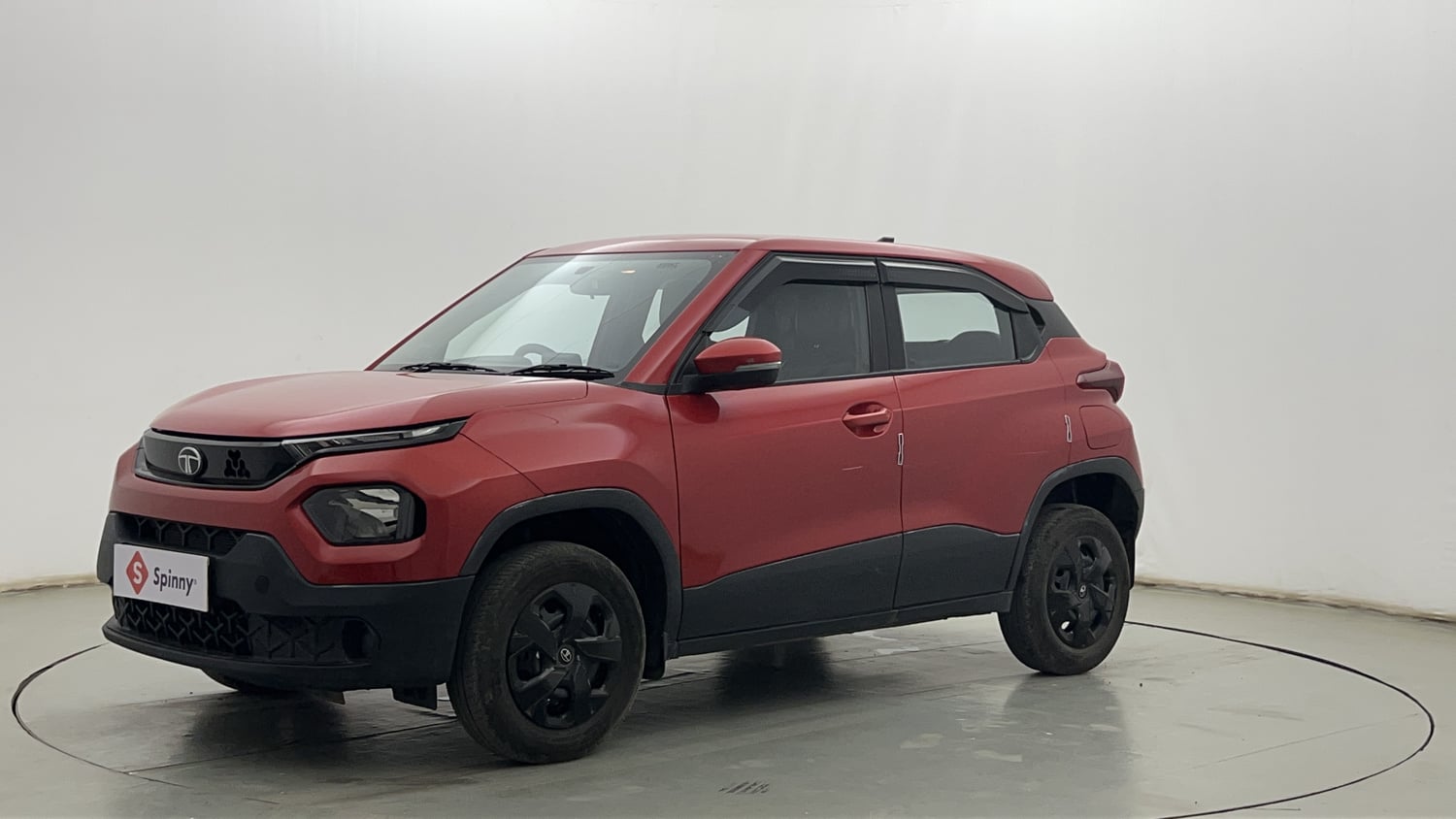
Behind the wheel, the Punch feels a little more upright and a little more solid. The higher ground clearance is of help too, especially when the going gets tough with potholes, bad roads or tall speed breakers, while the wider body and taller stance do put it in a stronger road presence territory. While both cars are manageable in traffic, the Punch’s boxy design makes it easier to judge corners and park in tight spots. Buyers also looking at Hyundai second hand cars may find the Exter’s dimensions familiar and easy to adapt to.
One-line summary: Exter offers better boot space and a car-like feel, while Punch feels more robust and confident on rough roads.
Also read: Should You Buy a Used Hyundai Exter?
Hyundai Exter vs Tata Punch: Engine & Transmission
| Specification | Hyundai Exter | Tata Punch |
| Engine Options | 1.2L NA Petrol, 1.2L CNG | 1.2L NA Petrol, 1.2L CNG, 1.2L Turbo Petrol |
| Transmission | 5-speed MT, 5-speed AMT | 5-speed MT / AMT, 6-speed MT |
| Power | 83 PS | Up to 120 PS (Turbo); 88 PS (NA) |
| Torque | 113.8 Nm | Up to 170 Nm (Turbo); 115 Nm (NA) |
| Mileage (Claimed) | ~19.2 kmpl (Petrol) | ~20.09 kmpl |
The Hyundai Exter is powered by a 1.2-litre petrol engine, which is tuned primarily for a comfortable and hassle-free driving experience. Light and sophisticated, it makes the daily grind of the city less cumbersome. The AMT box is quite effective in bumper-to-bumper traffic, and the CNG variant makes a good case for buyers looking for lower running costs without a huge compromise on usability.
This is where the Tata Punch gets a bit more exciting — not only does it feature both naturally aspirated and turbo petrol engines, but a turbo petrol engine is on the cards for 2026. The new engine is also available with significantly more performance, making highway speeds and passing much more enjoyable.
The regular petrol engine is also stable and confidence-inspiring, while the multiple transmission options give buyers more flexibility based on their driving style. Thanks to its impressive performance and proven reliability, no wonder most buyers also look for second hand tata punch market as a solid long-term investment.
One-line summary: Exter focuses on smooth and easy driving, while Punch delivers stronger performance and more engine choices.
Hyundai Exter vs Tata Punch: Features & Comfort
| Feature | Hyundai Exter | Tata Punch |
| Infotainment System | 8-inch touchscreen | 10.25-inch Touchscreen |
| Music System | 4-speaker setup | Premium |
| Climate Control | Automatic | Automatic |
| Ventilated Seats | No | Available |
| Adjustable Steering | Yes | Yes |
| Drive Modes | No | Yes |
| Instrument Cluster | Digital | Digital / Semi-Digital |
| Sunroof | Yes | Yes |
| Adjustable Seats | Manual | Yes |
| Rear AC Vents | Yes | Yes |
| 60:40 Rear Seat Split | No | Yes |
| Cruise Control | Yes | Yes |
The Hyundai Exter’s interior layout is simple, practical and uncomplicated. Chances are, the layout will seem familiar, the controls well placed, and little features like rear AC vents and cruise control will ease everyday driving. It is particularly great for city use, where ease of operability takes priority over excess luxury. And for buyers toying with the idea of costs of ownership, the exter on road price often seems to justify itself quite well because it gives you nice features without making the car feel too complicated.
The Tata Punch feels more upmarket on the inside, especially in the higher variants. The larger touchscreen, ventilated seats, drive modes and nicer touch points make the inside feel decidedly more upscale and comfortable. Not only for long highway trips, but also during heat and stop-and-go traffic, these features can be helpful. Overall, the Punch gives a stronger sense of upgrade and modern appeal.
One-line summary: Punch offers a more premium and comfort-focused cabin, while Exter keeps things simple and convenient.
Hyundai Exter vs Tata Punch: Safety Features
| Safety Feature | Hyundai Exter | Tata Punch |
| GNCAP Rating | Not yet rated in India | 5-star Bharat NCAP |
| Airbags | 6 | 6 |
| ABS with EBD | Yes | Yes |
| ESC | Yes | Yes |
| Traction Control | Yes | Yes |
| Automatic Headlamps | Yes | Yes |
| Rain-sensing Wipers | No | Yes |
| Hill Hold Assist | Yes | Yes |
| Hill Descent Control | No | Yes |
| Rear Sensors | Yes | Yes |
| Rear Camera | Yes | Yes |
| ISOFIX Mounts | Yes | Yes |
| ADAS | No | Available |
One segment where the Tata Punch has an edge over the rivals is safety. It has a robust build quality & good crash protection on offer as well, which gives families a ton of confidence in the form of a 5-star Bharat NCAP rating as well. Hill descent control, rain-sensing wipers, and other Advanced Driver Assist Systems (ADAS) reduce the nervousness that comes with highway drives and climbing steep roads. The Tata Punch interior does feel solid and well-built, and the safety-focused design gives you some reassurance, especially over long distances or on bad roads.
Basic safety is also well taken care of in the Hyundai Exter. It comes with six airbags as standard, along with ABS, ESC and traction control that are essential for day-to-day use in the city and highway. While these features are sufficient protection in most urban driving scenarios, in the absence of an Indian crash test rating, safety-conscious buyers who want the best safety credentials may be bothered.
One-line summary: Punch offers superior crash safety and advanced protection, while Exter covers essential safety needs well.
Hyundai Exter vs Tata Punch: Price Comparison
| Variant Level | Hyundai Exter | Tata Punch |
| Base Variant | ₹6+ lakh | ₹5.59 lakh |
| Mid Variant | ₹7.5–8.5 lakh | ₹7.09–₹8.19 lakh |
| Upper Mid Variant | ₹9–9.8 lakh | ₹8.34–₹9.24 lakh |
| Top Variant | ₹10+ lakh | ₹9.34–₹10.10 lakh |
The entry-level Hyundai Exter is slightly costlier , but it makes up for that with a good mix of features for easy driving. The Exter is a simple, straightforward and comfortable drive and makes sense for buyers upgrading from smaller cars who will be driving it mostly in city traffic. It should also hold some appeal for regular urban use over the long term, as maintenance and running costs should remain relatively low.
The Tata Punch starts at a more affordable price, making it a strong option for first-time car buyers. With every variant going up, the price increase is correlated with better safety ratings, a sturdier build, and more feature-rich offerings. This is one reason why several buyers feel that the tata punch on road price is justified, thanks to the overall quality of the package it delivers, along with a unique set of features wrapped in a durable and reliable long-term ownership experience.
One-line summary: Exter focuses on convenience-driven value, while Punch delivers stronger long-term value through safety and build quality.
Also Read: Hyundai Exter Variant Guide
Summary
The Hyundai Exter and Tata Punch are both capable compact SUVs, but they appeal to different buyers. The Exter is a great option for those seeking a comfortable and easy-to-drive car that has plenty of practical features for both the daily city run as well as long-distance highway runs once in a while. It’s so light, so friendly and easy to drive that it’s hard to dislike it, which makes it particularly smart for new drivers and those who’ve spent most of their commutes in traffic.
The Tata Punch stands out as a more complete and tough SUV, especially after the 2026 facelift. It’s been refined to offer improved safety ratings, a powertrain option for every buyer and, if anything, a more upscale cabin, making it a better-suited choice for those seeking some peace of mind and a car capable of tackling rough roads with confidence. It also comes across as better suited for mixed use — highways, bad roads, family ownership duration, etc.
Overall verdict: Choose the Exter for ease and everyday comfort, and choose the Punch for safety, strength, and all-round confidence.
Also read: Complete Buying Guide For Tata Punch
FAQ about Hyundai Exter vs Tata Punch
Q. Which SUV is better for city driving?
The Exter feels lighter and easier to drive in traffic, while the Punch remains manageable but slightly firmer in feel. The Exter’s smooth steering and relaxed engine tuning make daily commutes less tiring.
Q. Which SUV is safer for families?
The Punch is safer due to its 5-star crash rating and stronger body structure. This makes it a better choice for families who regularly travel on highways or rough roads.
Q. Which car offers better performance?
The Punch’s turbo petrol engine delivers noticeably stronger performance than the Exter. It feels more confident during overtakes and when driving with passengers or luggage.
Q. Which SUV is more comfortable for long drives?
The Punch’s ventilated seats and better ride stability make it more comfortable on long journeys. It also feels more planted at higher speeds, reducing driver fatigue.
Q. Which one is better value overall?
The Punch offers better long-term value through safety and durability, while the Exter focuses on convenience and ease of ownership. The final choice depends on whether you prioritise daily comfort or long-term toughness.