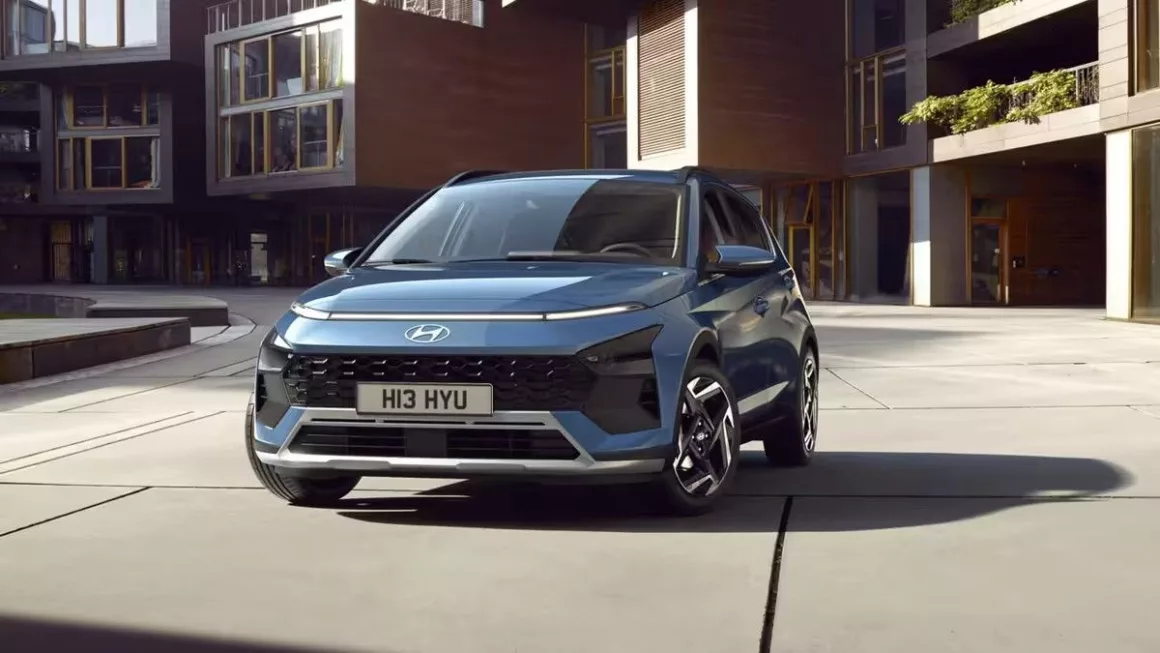
A comparison between the Hyundai Bayon and Venue might put you in a typical showroom quandary. The former provides a bigger body and more luggage capacity, while the latter is cheaper, has more engine options and comes with plenty of features for comfort and technology. The India-spec Bayon sits above the Venue in Hyundai’s SUV range. However, that does not automatically make it the better-equipped or more powerful choice at every price. A higher Venue variant can cost less than a mid-range Bayon, which makes the exact comparison important. If you consider both models, you should first analyse your budget, choice of transmission, and usual number of passengers. Here is how the Hyundai Bayon vs Venue comparison plays out.
Table of Contents
Hyundai Bayon vs Venue: Quick Comparison
| Detail | Hyundai Bayon | Hyundai Venue |
| Starting ex-showroom price | ₹9,99,900 | ₹7,99,900 |
| Petrol engines | 1.5-litre naturally aspirated | 1.2-litre naturally aspirated; 1.0-litre turbo |
| Diesel engine | Not offered | 1.5-litre diesel |
| Petrol automatic | iVT | 7-speed DCT with turbo-petrol |
| Diesel automatic | Not offered | 6-speed automatic |
| Length | 4,245mm | 3,995mm |
| Wheelbase | 2,600mm | 2,520mm |
| Key attraction | Longer body, larger advertised boot and available panoramic sunroof | Lower prices, wider engine choice and extensive equipment |
*This comparison covers the current Indian models, using information checked in November 2026. Venue N Line variants are outside its scope.
Hyundai Bayon vs Venue: Price Comparison

The Venue starts ₹2 lakh lower than the Bayon, and the gap is just as noticeable between their entry-level petrol automatics. Choosing the bigger Hyundai means more than a small increase in your monthly instalments.
| Variant | Ex-showroom price |
| Bayon HX2 petrol manual | ₹9,99,900 |
| Bayon HX5 petrol manual | ₹12,44,900 |
| Bayon HX5 iVT | ₹13,84,800 |
| Bayon HX6 iVT | ₹14,96,800 |
| Bayon HX10 iVT | ₹17,99,900 |
| Venue HX2 1.2 petrol manual | ₹7,99,900 |
| Venue HX5 turbo-petrol DCT | ₹10,91,600 |
| Venue HX8 turbo-petrol DCT | ₹12,99,900 |
| Venue HX10 turbo-petrol DCT | ₹14,64,800 |
| Venue HX8 diesel automatic | ₹13,70,600 |
*Prices shown are for the listed single-tone versions. Bayon prices are introductory and may change. On-road costs include additional registration, insurance and applicable charges. Confirm the final quotation before booking.
The cost of the Bayon HX5 iVT is greater by ₹2,93,200 than that of the Venue HX5 DCT. Matching HX5 logos don’t imply similar features, but this difference in price shows the convenience of entering the Venue automatic segment. Further up, the Venue HX10 DCT costs ₹32,000 less than the Bayon HX6 iVT. That is the more interesting comparison for buyers with around ₹15 lakh to spend before on-road costs: a flagship Venue against a mid-range Bayon.
Bayon vs Venue Dimensions and Boot Space: How Much Bigger Is the Bayon?
| Dimension | Hyundai Bayon | Hyundai Venue |
| Length | 4,245mm | 3,995mm |
| Width | 1,810mm | 1,800mm |
| Height, with roof rails | 1,605mm | 1,665mm |
| Wheelbase | 2,600mm | 2,520mm |
| Advertised boot capacity | 505 litres, measured with tyre mobility kit | 375 litres |
The Bayon is 250mm longer and just 10mm wider. Its wheelbase is 80mm longer, while the Venue is 60mm taller. These points make more sense than simply saying one is more practical than another just based on the label of being a bigger SUV. The Bayon occupies more length in terms of a parking space with no significant increase in outer width.
The longer wheelbase gives the Bayon more room for packaging the cabin, but it does not establish a rear-seat comfort winner. Seat design, knee clearance and headroom need to be checked with the front seat adjusted for your usual driver. For a family of five, the small width difference is particularly worth remembering. Hyundai advertises the Bayon’s boot space as 505 litres under the VDA215 measurement (with a tyre mobility kit). The Venue’s declared boot capacity is 375 litres. Check the actual spare-wheel setup of the Bayon before claiming the difference as usable luggage space. A suitcase test will give you a better picture than any stated numbers.
Also Read: Complete Buying Guide: Hyundai Bayon
Bayon vs Venue Engines and Performance: The Venue Gives You More Choice
The Bayon uses one engine throughout its current Indian range. The Venue offers three, and they serve noticeably different needs.
| Engine | Power | Torque | Transmission |
| Bayon 1.5-litre petrol | 115PS | 143.8Nm | 6-speed manual or iVT |
| Venue 1.2-litre petrol | 83PS | 114.7Nm | 5-speed manual |
| Venue 1.0-litre turbo-petrol | 120PS | 172Nm | 6-speed manual or 7-speed DCT |
| Venue 1.5-litre diesel | 116PS | 250Nm | 6-speed manual or 6-speed automatic |
In comparison to the 1.2-litre engine of Venue, Bayon carries a distinct advantage in terms of performance. The extra power makes the Bayon better suited if you want a naturally aspirated petrol SUV and usually travel with passengers and luggage.
However, the Venue turbo produces more power and torque than the Bayon. Its peak torque is available from 1,500rpm to 4,000rpm, making it the more promising choice on paper for buyers who want stronger pulling power without moving to diesel. The Venue diesel has the highest torque of the engines compared here, which is worth considering for long trips with a full car. The Bayon does not offer a diesel option. These figures help narrow the choice, but a test drive with your usual load is the best way to judge.
Automatic Gearboxes: iVT or DCT?
Automatic buyers face a more meaningful difference than the number of gears. The Bayon’s iVT is a continuously variable transmission, while the petrol Venue uses a seven-speed dual-clutch transmission. The diesel Venue has a separate six-speed automatic option. A CVT continuously alters its gear ratio, while a DCT shifts through specific gears. This results in different reactions when accelerating. You can evaluate the Bayon based on its engine sound and response when you need to overtake quickly. You may then compare it with the way the Venue DCT operates smoothly during slow traffic conditions. For a city commuter, low-speed control and parking manoeuvres deserve as much attention as acceleration. Drive both on the same route if possible. The Venue’s lower automatic entry price is a clear financial advantage; the Bayon’s gearbox needs to suit you well enough to justify the extra spend.
Bayon vs Venue Mileage and Fuel Costs
It is hard to find an absolute figure for Venue mileage that can compare with Bayon figures. To make comparisons, it would be necessary to first determine which Venue version we are comparing (there are naturally aspirated petrol, turbo-petrol, or diesel engines). After this step, we also need to decide which gearbox version is used in the model being analysed. For reference, Hyundai claims 18.6 km/l for the Bayon iVT, while claimed Venue figures range from about 17.9 km/l (diesel automatic) to 20.99 km/l (diesel manual). For budgeting, use fuel cost per kilometre: divide the local price per litre by realistic fuel efficiency. As an illustration, petrol at ₹100 per litre and consumption of 12km/l would cost about ₹8.33 per kilometre. This is a calculation example, not a mileage claim for either car.
Anyone travelling long distances should consider the cost of buying the Venue diesel and the anticipated fuel savings of this version versus that of the petrol-powered types. On the other hand, someone driving only short distances may be more inclined to worry about lowering the purchase cost in favour of an automatic gearbox. Neither model currently offers a factory-fitted CNG option.

Bayon vs Venue Features: Does the Bayon Give You More?
The Venue is no longer a small SUV you choose by accepting a basic cabin. Its higher variants offer many features also found in the more expensive Bayon.
| Feature | Hyundai Bayon | Hyundai Venue |
| Largest touchscreen | 12.3-inch | 12.3-inch |
| Full digital instrument display | Available | Available |
| Ventilated front seats | Available | Available |
| Powered driver’s seat | Up to 8-way adjustment | Up to 4-way adjustment |
| Bose audio system | Available | Available |
| 360-degree camera | Available | Available |
| Sunroof | Single-pane or panoramic, depending on trim | Single-pane electric |
| Level 2 driver assistance | Available | Available |
*Features listed are available within each range, not standard on every variant.
The Bayon’s unique strengths are its panoramic sunroof and wider range of powered seat adjustment. By contrast, features such as the dual screens, ventilated seats and premium audio are also available on the cheaper Venue. There is an important difference at the other end of the range too. The Venue HX2 includes a 10.25-inch touchscreen and wireless smartphone connectivity. The Bayon HX2 does not include a factory infotainment system; that arrives from HX3. For budget-conscious automatic buyers, the closest match is the Venue HX10 against the Bayon HX6. The Venue offers more equipment, premium audio and driver-assistance features, while the Bayon offers a longer body and an open roof. Which matters more depends on what you will actually use.
Bayon vs Venue Safety: Similar Equipment, Different Evidence
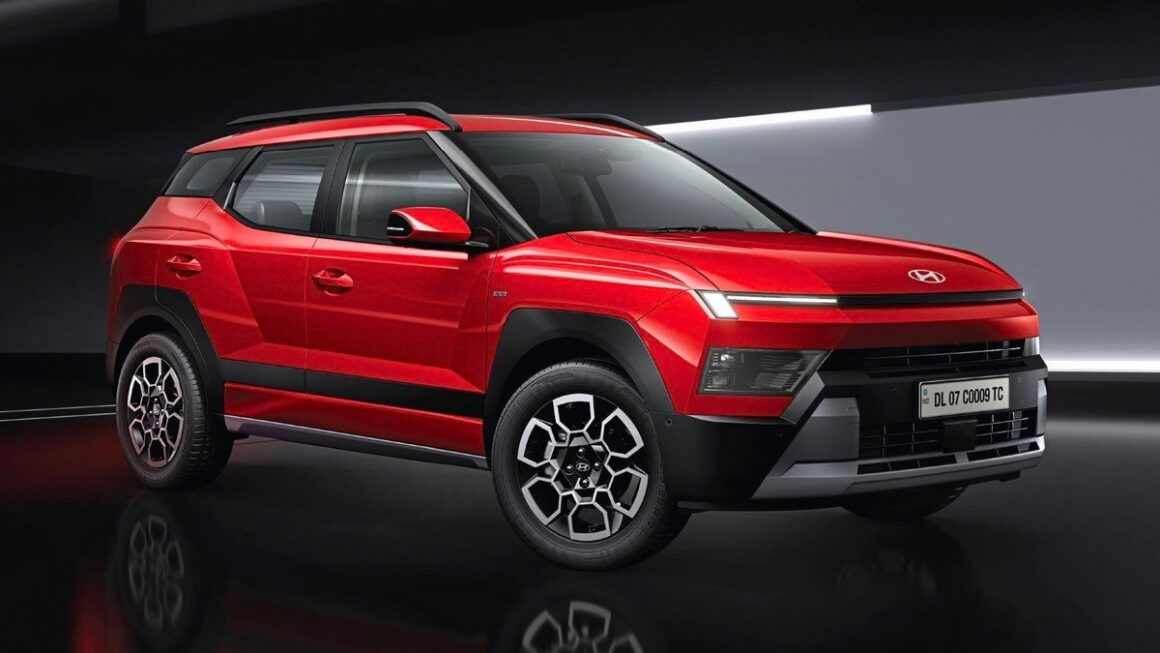
Both models provide six airbags, electronic stability control, hill-start assistance and ISOFIX child-seat anchors. Higher variants add parking cameras and driver-assistance technology.
The Venue HX10 receives Level 2 ADAS, while the Bayon HX10 uses Hyundai’s Level 2 Pro technology. These labels describe driver-assistance features, not crash protection. Both systems are designed to assist attentive drivers, and each has its own limitations. The Venue also has a published five-star Bharat NCAP result for adult and child occupant protection. It scored 31.15 out of 32 for adults and 44.46 out of 49 for children, and the rating applies to all variants sold in India.
Hyundai states that the Bayon was designed according to the five-star Indian safety standards. This, however, is different from having been assessed based on crash-testing. The Venue has been crash-tested and has verifiable evidence that should be considered individually from the Bayon’s safety systems.
Also Read: Hyundai Venue 2025: Complete Buying Guide
Ownership, Warranty and Resale
Both models carry a three-year, unlimited-kilometre standard warranty, subject to Hyundai’s terms. Since they share the same manufacturer’s service network, workshop access is unlikely to decide this comparison by itself. Costs for maintenance are influenced by aspects like engine configuration, transmission type and level of refinement. For specific maintenance costs, ask for quotes relevant to your desired models, including costs of tyres and extended warranty. The India-spec Bayon was launched on 26 October 2026, so dependable long-term resale predictions are premature. The Venue has an established name, but that cannot guarantee a particular resale value either. Purchase price, condition, mileage and service history will all matter when you sell.
Hyundai Bayon vs Venue: Which Should You Buy?
If you want to save money, then Venue is a better option. Its starting price is lower, its automatics start at a lower price, and it offers both a turbocharged petrol engine and a diesel. Moreover, higher grades come with a lot of features without the price of the Bayon.
The Bayon deserves the extra spend if its cabin and luggage space work better for your family. Its panoramic sunroof and available eight-way powered driver’s seat add appeal, but those features should support a practical reason for upgrading. Our suggestion is to begin with the Venue version, which suits your requirements; next, try out the Bayon at the same price level. Upgrade only if there is a clear benefit from having the larger format offered by the Bayon.
You can also explore used Hyundai SUVs, including a used Hyundai Venue, on Spinny if you want more equipment within a fixed budget. Every car goes through a 200-point inspection and comes with Fixed Price Assurance, and you can book a test drive before deciding. Check the model year carefully, because earlier Venues differ from the current car discussed here.
Related Blogs:
Hyundai Venue Alternatives: Competitors of Hyundai Venue
Should you Buy a Used Hyundai Venue
FAQs About Hyundai Bayon vs Venue
Q. Is the Hyundai Bayon bigger than the Venue?
The Bayon is 250mm longer and has an 80mm longer wheelbase. It is only 10mm wider, while the Venue is taller. Compare rear-seat comfort in person before deciding.
Q. Which SUV has the lower starting price?
The Venue starts at ₹7,99,900 ex-showroom, while the Bayon starts at ₹9,99,900. The ₹2 lakh difference excludes registration, insurance and other on-road costs.
Q. Is the Bayon more powerful than the Venue?
It depends on the Venue engine. The Bayon produces 115PS, compared with 83PS for the Venue 1.2 petrol, 120PS for the turbo-petrol and 116PS for the diesel.
Q. Which is the cheaper petrol automatic?
The Venue HX5 DCT costs ₹10,91,600 ex-showroom. The Bayon’s entry HX5 iVT costs ₹13,84,800, making the Venue ₹2,93,200 cheaper at the listed prices.
Q. Does the Hyundai Bayon have a diesel engine?
The current Indian Bayon uses a 1.5-litre petrol engine. The Venue offers a 1.5-litre diesel with manual and automatic transmission choices.
Q. Do both cars offer a panoramic sunroof?
The current Indian Bayon uses a 1.5-litre petrol engine. The Venue offers a 1.5-litre diesel with manual and automatic transmission choices.
Q. Which car has a verified five-star safety rating?
The Venue has a published five-star Bharat NCAP rating for adult and child protection, applicable to all variants sold in India. The Bayon’s stated five-star engineering target is not a published test result.
Q. Which Hyundai SUV offers better value overall?
The Venue offers stronger value through its pricing, engine choices and equipment. The Bayon makes more sense when its larger body, luggage accommodation and specific comfort features justify the additional cost.