
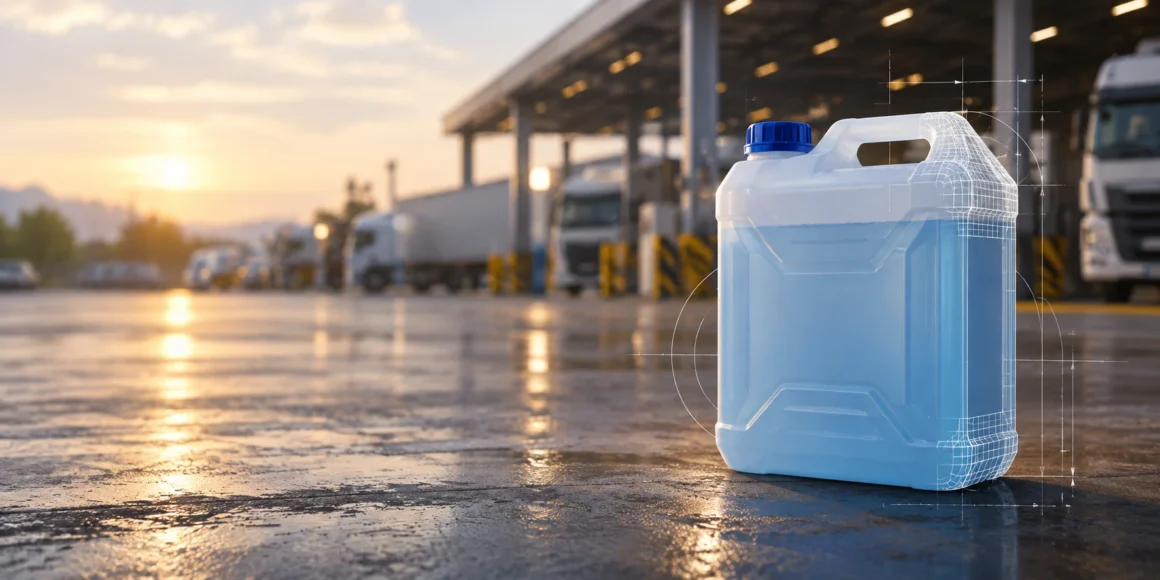
Diesel engines produce harmful emissions, and BS6 diesels are much cleaner than older models. You might have seen the term DEF in your BS6 car’s features. DEF stands for Diesel Exhaust Fluid, also sold as AdBlue, and it is used to reduce the emission of nitrogen oxides from the engine. Not every BS6 diesel car uses it; only those that come with an SCR or Selective Catalytic Reduction system do. In India, these are usually diesel cars with engines of about 2.0 litres and above. The DEF needs topping up regularly, and without it, the engine will lose power and, once it runs out, may not restart after you switch it off. So what exactly is this DEF and why is this important for diesel cars? We will see that in this blog.
Table of Contents
What Is DEF Made Of? Knowing What it’s Made from
The key components of Diesel Exhaust Fluid are 67.5% deionised water and 32.5% high-purity urea. Together they form a eutectic mix, so it freezes (at about –11°C) and thaws without the urea and water separating. This allows consistent performance inside the SCR system of diesel vehicles.
The synthetic urea used here is produced from ammonia and carbon dioxide and is purer than the urea used for agriculture. The use of deionised water eliminates all minerals to prevent clogging of the injectors due to mineral deposition. Such deposition can harm the SCR system and cause the mechanism to fail.
How Does Diesel Exhaust Fluid Work in a BS6 Diesel Engine?
The special mix of 67.5% deionised water and 32.5% high-purity urea helps to reduce the emissions of nitrogen oxides in BS6 diesel vehicles. However, not all BS6 vehicles need this; only those with an SCR (Selective Catalytic Reduction) System need Diesel Exhaust Fluid. As the name suggests, it works on the exhaust system, where it is directly sprayed using an injector. The DEF tank is separate from the diesel tank, and the two should never be mixed.
- When the hot exhaust gases leave the engine and pass through the exhaust, the electronic injector sprays a fine mist of DEF into the exhaust stream, ahead of the SCR catalyst.
- The heat from the gases converts the urea into ammonia.
- This ammonia reacts with the nitrogen oxides in the SCR system.
- This reaction breaks the nitrogen oxides into nitrogen gas and water vapour.
DEF reduces nitrogen oxide emissions by almost 90% and therefore contributes to a cleaner environment.
BS6 vehicles with SCR will have a monitoring system to know the pre- and post-NOx levels inside the SCR. Smaller BS6 diesel engines use other forms of emission control, such as a lean NOx trap, while SCR is standard on heavy commercial vehicles. Among passenger cars, diesel cars with an engine size of 2.0L and above usually have an SCR system and need DEF, such as the Mahindra XUV700, Scorpio-N and Thar, and the Tata Harrier and Safari.
Also Read: BS4 vs BS6: What is the Difference?
DEF Price in India 2026 Per Litre & Pack Size Available
Retail packs of Diesel Exhaust Fluid, or AdBlue, typically cost about ₹35–100 per litre in India, while bulk rates can be ₹28–45 per litre. For example, BPCL’s MAK AdBlue is listed at ₹1,000 for 10 litres and ₹1,850 for 20 litres. Bigger packs cost less per litre than small cans. The actual price depends on pack size, brand, GST, and shipping cost.
In India, DEF is available in different pack sizes, including small 5-10-litre cans, standard 20-litre buckets and bigger packs such as 50 litres, 210 litres, and 1000 litres. The smaller cans are suitable for passenger cars, SUVs and quick top-ups. The standard-sized buckets are suitable for commercial vehicles, and larger packs are bought by fleets and for heavy operations.
How Much DEF Does a Diesel Car Consume?
A diesel car uses Diesel Exhaust Fluid at about 2–3% of its diesel consumption; the more fuel it burns, the more DEF it requires and vice versa. A car’s DEF tank typically holds 15–20 litres and usually lasts about 8,000–10,000 km, which is roughly one service interval.
However, if there is extra load, towing involved, climbing steep roads frequently, or aggressive driving, whether it is in the city or on highways, it needs more fuel and therefore more DEF is consumed. The consumption of DEF also depends on the engine size, model, etc. In addition, DEF tank capacity varies from about 5 to 20 litres depending on the vehicle, so lower-capacity DEF tanks will need more frequent refilling.

How to Refill DEF in Your Diesel Car
Most diesel vehicles that need DEF will have a dedicated display to show the tank level, just like the fuel tank display, so you can always refer to it to estimate when to refill the Diesel Exhaust Fluid tank. You can clearly see the low-level warning with the remaining range mentioned. So before it runs out of DEF, it is important that you refill it promptly.
- The DEF filler is usually next to the diesel filler, behind the fuel tank door, and has a blue cap. Sometimes it is under the bonnet; check your owner’s manual.
- Always use good quality DEF, ideally within about 12 months of purchase, and never use one that has passed its expiry date. Switch the ignition off before filling.
- While refilling, pour the fluid slowly by inserting the spout or nozzle of the can into the port. Stop refilling just before the fluid level reaches the neck. It’s good to leave a bit of room.
- Immediately wipe off any excess or spillage with a damp cloth; otherwise, the liquid may crystallise and damage the surface.
- Close the cap until it clicks, and then close the flap.
You do not need to fill the DEF tank to the brim each time. If the tank has run empty, the car usually needs a minimum quantity (stated in the manual) before it will restart. Never fill past the maximum, as overfilling can damage the system.
Also Read: How to Check Bharat Stage of Vehicle?
What Happens When DEF Runs Out or Is of Poor Quality?
If you run out of DEF, you will get warnings on the dashboard. It can affect the engine power, which restricts the speed or even prevents it from starting. Once you switch off the vehicle, you will be unable to restart it. Running the tank very low repeatedly can also strain the DEF pump. Crystals usually form where DEF has spilled or dried around the filler or injector.
A cloudy fluid is likely expired or of poor quality. If you use poor-quality DEF, it can clog the injectors and damage the sensors. It will eventually ruin the SCR system. Repairing this system is expensive, and a faulty SCR system can lead to further exhaust-system faults. If you are refilling much more often than usual, have the system checked for leaks or faults. Poor-quality DEF usually triggers a fluid-quality warning instead.
Summary
If you own or plan to buy a BS6 diesel car, DEF is one running cost you should understand before the warning light comes on. Diesel Exhaust Fluid, also sold as AdBlue, is a mix of 32.5% urea and 67.5% deionised water that lets the SCR system cut nitrogen oxide emissions by up to 90%. In India, it is mainly needed by diesel cars with engines of about 2.0 litres and above, costs roughly ₹35–100 per litre, and a full tank usually lasts 8,000–10,000 km. Refill it on time with ISO 22241 or IS 17042-certified fluid, and your diesel car will stay clean, compliant and free of avoidable repair bills.
Related Blogs:
Why BS6 Diesel Cars Rely on Diesel Exhaust Fluid: The Complete Explainer
What is DPF in Cars?
Diesel Car Maintenance Tips for Best Reliability
FAQs about Diesel Exhaust Fluid
Q. Is DEF and AdBlue the same thing?
DEF is the term used for the solution made of pure urea and deionised water, while AdBlue is a registered trademark of Germany’s automotive industry association (VDA), licensed to DEF makers. Good-quality DEF is certified to ISO 22241 or IS 17042. So, essentially, DEF and AdBlue are the same.
Q. How much does DEF cost per litre in India?
In India, Diesel Exhaust Fluid costs about ₹35–100 per litre at retail, and about ₹28–45 per litre in bulk, depending on pack size, whether you are buying from retail or wholesale market, brand, GST and other charges.
Q. Can a diesel car run without DEF?
Running a diesel car without DEF is not practical or good for the car in the long term. Without DEF, the engine will not stay compliant with the BS6 norms, and it will also trigger warnings on the dashboard. Running without DEF will lead to restricted engine power and can make it difficult to restart.
Q. How often should I refill DEF?
Most diesel cars need a DEF top-up about every 8,000–10,000 km, often at the regular service. The exact frequency depends on your vehicle, your driving style, your engine size and the road conditions. The more fuel a car burns, the more DEF it will need.
Q. Can I use any brand of DEF in my car?
You can use DEF of any brand you like but ensure that it is of good quality. Check if the brand has an ISO 22241 or IS 17042 standard, which will be mentioned on the pack. If it doesn’t have either of these, it is better not to buy that brand. While your car is under warranty, use the maker’s DEF or keep the purchase bills, as some owners have reported warranty disputes over non-approved fluid.
Q. What happens if I accidentally put DEF in the diesel tank?
Accidental spillage or addition of DEF into the diesel tank can contaminate the fuel system. The water and urea content in the DEF does not have lubricity, which can lead to extensive damage. It can cause corrosion of the injectors, and the repair would be very expensive. Do not start the engine. Immediately get professional help to drain the fuel tank and flush it thoroughly.
Q. Does DEF improve diesel car mileage?
DEF does not affect the fuel economy of the car and thus cannot increase or decrease the mileage. It can only work on reducing the emissions from the exhaust system. However, keeping the system well maintained and working properly helps avoid problems that could reduce mileage.