The Indian premium hatchback segment has long been a battleground for brands blending performance, comfort, and practicality. Among the most notable contenders, the Hyundai i20 vs Volkswagen Polo comparison has consistently drawn the attention of enthusiasts and everyday buyers alike. While the Polo stands as a symbol of solid German engineering, the i20 represents modern design and feature-rich appeal. Both models have carved distinct reputations: the Polo for its robust build and driving precision, and the i20 for its technology-forward comfort and versatility.
In this detailed comparison, we’ll evaluate both hatchbacks across key parameters such as dimensions, powertrain, features, safety, and pricing to determine which one offers the better overall package. Since the Polo was discontinued in India in 2022 and is now available only as a used car, we also look at the new i20 vs used Polo question, a classic new vs used car decision. The goal is to help you understand how these two icons differ in real-world usability and ownership experience.
Table of Contents
Hyundai i20 vs Volkswagen Polo: Dimensions
| Specification | Hyundai i20 | Volkswagen Polo |
| Length | 3995 mm | 3971 mm |
| Width | 1775 mm | 1682 mm |
| Height | 1505 mm | 1469 mm |
| Wheelbase | 2580 mm | 2469 mm |
| Boot Space | 311 litres | 280 litres |
| Ground Clearance | 170 mm | 165 mm |
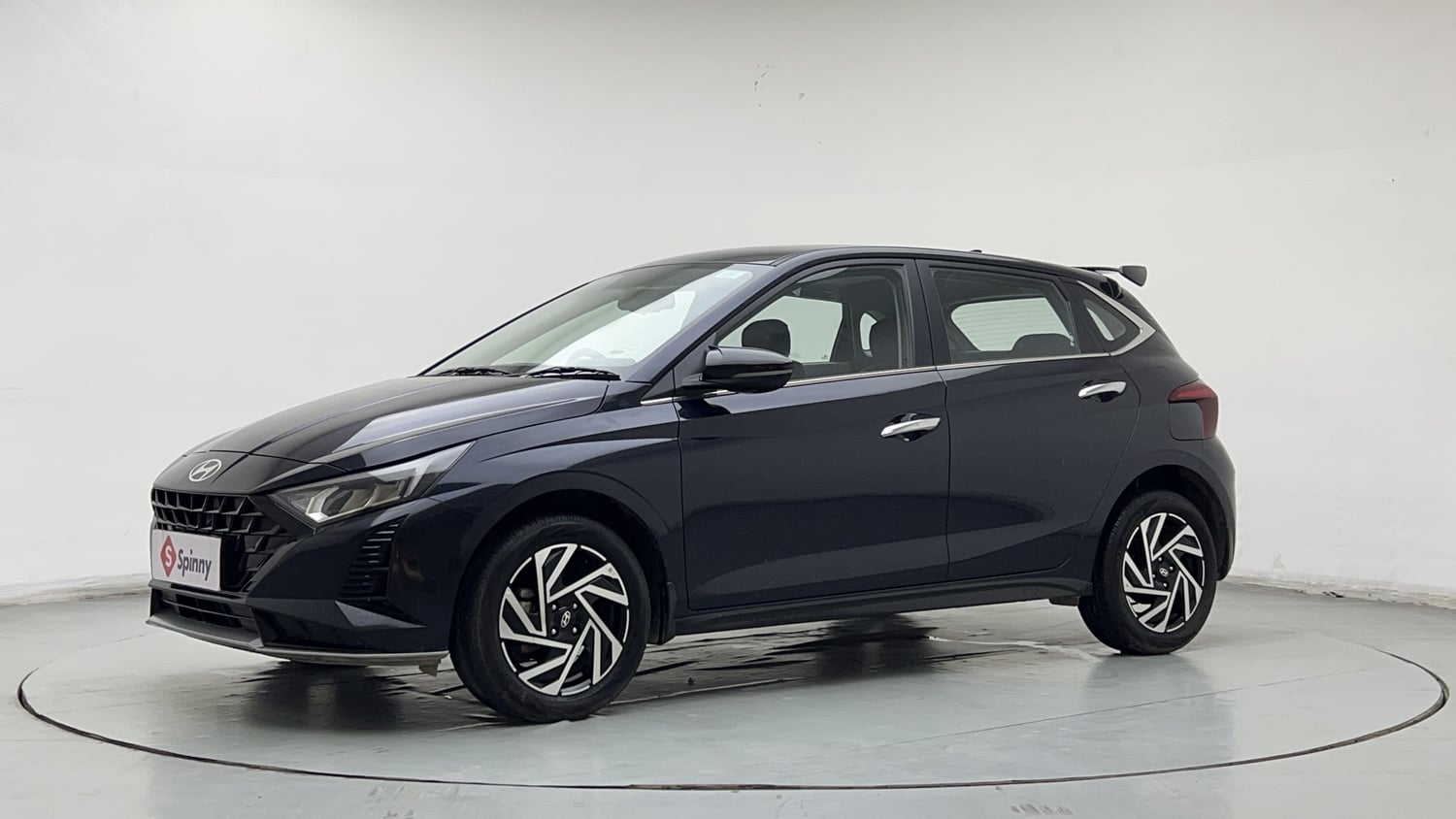
When it comes to overall size and proportions, the Hyundai i20 clearly has the upper hand in the i20 vs Polo comparison. It is longer, wider, and taller, resulting in a more commanding road presence and noticeably better cabin space. The generous 2580 mm wheelbase translates into excellent legroom, especially for rear passengers, an area where the Polo’s compact layout feels slightly restricted.
That said, the Polo’s smaller footprint works to its advantage in urban environments. Its compact size makes it easier to navigate through narrow lanes and tight parking spots, which many city drivers will appreciate. However, its slightly lower ground clearance and narrower cabin mean it feels less roomy compared to the i20.
Summary: The Hyundai i20 scores higher on interior comfort and spaciousness, while the Polo shines with its agility and city-friendly proportions.
Hyundai i20 vs Volkswagen Polo: Engine & Transmission
| Specification | Hyundai i20 | Volkswagen Polo |
| Engine Options | 1.2L Petrol | 1.0L MPI Petrol, 1.0L TSI Turbo Petrol |
| Transmission Options | 5-speed MT / IVT (CVT) | 5-speed MT (MPI) / 6-speed MT and 6-speed AT (TSI) |
| Power | 83 PS (MT) / 88 PS (IVT) | 75 PS (MPI) / 110 PS (TSI) |
| Torque | 115 Nm | 95 Nm (MPI) / 175 Nm (TSI) |
| Mileage (claimed) | 20.35 km/l (MT) / 19.65 km/l (IVT) | 18.24 km/l (TSI MT) / 16.47 km/l (TSI AT) |
| Drivetrain | FWD | FWD |
Performance-wise, both hatchbacks cater to different driving preferences. The Hyundai i20 vs Volkswagen Polo comparison becomes particularly interesting here; the i20’s 1.2-litre petrol is smooth and easy-going, while the Polo’s 1.0 TSI engine is known for its engaging and punchy nature, with noticeably more power and torque.
Volkswagen’s TSI motor, mated with a 6-speed automatic, offers strong mid-range torque ideal for highway drives. On the other hand, Hyundai’s IVT automatic provides seamless, smooth progress and better fuel efficiency in city use. The naturally aspirated 1.2L i20 remains ideal for relaxed daily commuting, balancing performance and economy.
If you value spirited driving, the Polo feels more connected to the road. But for refinement, versatility, and low maintenance, the i20 is the smarter pick.
Summary: The Polo TSI leads in performance and driving engagement, while the i20 excels in smoothness and efficiency.
Hyundai i20 vs Volkswagen Polo: Features & Comfort
| Feature | Hyundai i20 | Volkswagen Polo |
| Infotainment System | 10.25-inch touchscreen | 6.5-inch touchscreen |
| Music System | Bose 7-speaker premium system | 4-speaker system |
| Climate Control | Automatic | Manual (auto in top variant) |
| Ventilated Seats | No | No |
| Adjustable Steering | Tilt & Telescopic | Tilt & Telescopic |
| Drive Modes | No | No |
| Instrument Cluster | Digital (7-inch MID) | Analog + MID |
| Sunroof | Yes | No |
| Adjustable Seats | Manual / Electric (driver) | Manual |
| Rear AC Vents | Yes | Yes |
| 60:40 Rear Seat Split | Yes | Yes |
| Cruise Control | Yes | Yes |
When it comes to equipment and in-cabin experience, the Hyundai i20 easily takes the lead with its long list of features. It offers a large touchscreen infotainment system, connected car technology, a digital instrument cluster, wireless charging, and even a sunroof, features that set the benchmark in this segment. These inclusions make the i20 feel more premium and future-ready, offering excellent comfort and convenience for both city drives and long journeys.
In contrast, the Polo’s interior, though solidly built and ergonomically sound, now feels dated. Its design remains driver-focused but misses out on many contemporary features that today’s buyers expect. Even when it was on sale, the Polo’s price positioned it close to newer, better-equipped rivals, and its equipment list felt limited. However, its straightforward layout and robust build continue to attract enthusiasts who value simplicity and durability over tech flair.
Summary: The Hyundai i20 clearly wins with its superior feature package and premium comfort, while the Polo appeals more to purists who prefer functionality over flash.
Hyundai i20 vs Volkswagen Polo: Safety Features
| Safety Feature | Hyundai i20 | Volkswagen Polo |
| GNCAP Rating | 3★ (Global NCAP, 2022, two-airbag base variant) | 4★ (Global NCAP, 2014) |
| Airbags | 6 (standard) | Dual front airbags |
| ABS with EBD | Yes | Yes |
| ESC | Yes | Yes |
| Traction Control | Yes | No |
| Automatic Headlamps | Yes | Yes |
| Rain-Sensing Wipers | Yes | Yes |
| Hill Hold Assist | Yes | Yes (AT only) |
| Hill Descent Control | No | No |
| Rear Sensors | Yes | Yes |
| Rear Parking Camera | Yes | Yes |
| ISOFIX Child Seat Anchors | Yes | Yes |
| ADAS | No | No |
Volkswagen’s Polo has long been admired for its sturdy construction and dependable safety record. Its solid build quality and 4-star Global NCAP rating reflect strong structural integrity, reinforcing the brand’s focus on occupant protection. Additionally, the Volkswagen Polo mileage adds to its appeal for those seeking a safe yet efficient daily driver.
The Hyundai i20, however, offers a broader set of active and passive safety technologies, including six airbags as standard, traction control, and electronic stability control, features that provide enhanced reassurance for families and urban commuters alike. Its 3-star Global NCAP rating dates from a 2022 test of the base variant with two airbags; the current i20 with six airbags has not yet been crash tested.
Summary: The Polo excels in build strength and has the better crash test rating, while the i20 leads in modern safety equipment, with six airbags as standard.
Also Read: Complete Guide on Buying a Hyundai i20
Hyundai i20 vs Volkswagen Polo: Price Comparison
| Variant | Hyundai i20 (Ex-showroom) | Volkswagen Polo (Last ex-showroom price, 2022)* |
| Base Variant | ₹6.00 lakh (Era) | ₹6.45 lakh (Trendline) |
| Mid Variant | ₹7.80 – ₹9.26 lakh (Sportz) | – |
| Upper Mid Variant | ₹8.66 – ₹10.39 lakh (Asta) | – |
| Top Variant | ₹10.63 lakh (Asta (O) Knight IVT DT) | ₹10.25 lakh (GT TSI) |
*Note: The Polo is no longer in production as of 2022, but prices reflect its last available models. The i20 continues to be sold in multiple configurations.
In this section of the comparison, the i20 offers a more versatile range of trims catering to diverse buyers. The Polo, while previously competitively priced, had fewer variants and feature options in its later years.
The Hyundai i20 is currently priced from about ₹6.00 lakh to ₹10.63 lakh ex-showroom, with on-road prices higher depending on the variant and city, while used Polo prices vary widely with the year, engine and condition, since new units are unavailable. Considering new car ownership, Hyundai provides a stronger value proposition through features, warranty, and service reach.
Summary: The i20 provides better variant flexibility and long-term value, while the Polo remains a niche enthusiast’s choice in the used market.
New Hyundai i20 vs Used Volkswagen Polo: Which Should You Buy?
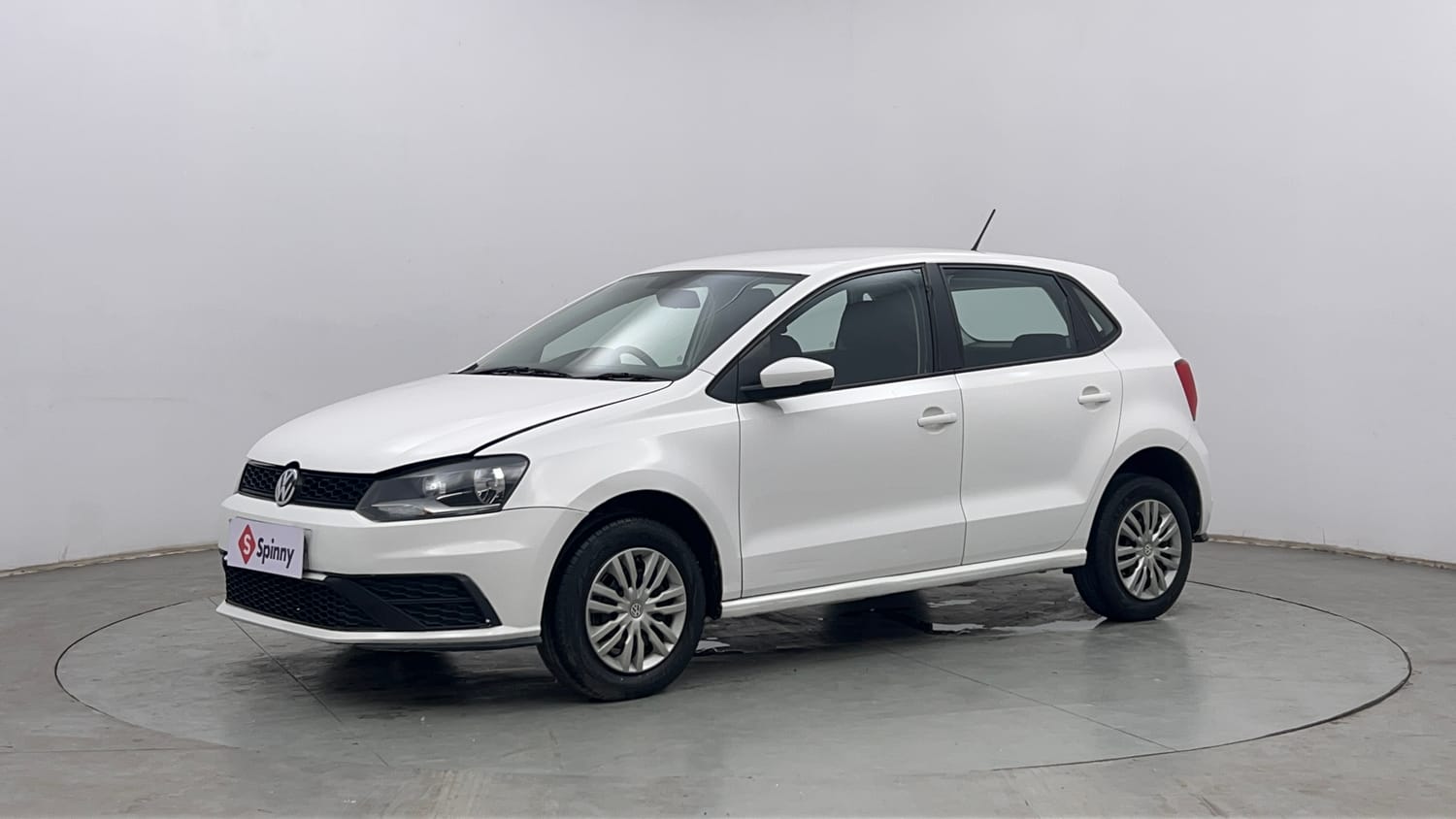
Since the Polo is no longer sold new, most buyers today are really choosing between a new i20 and a used Polo. The new i20 vs used Polo decision is a classic new vs used car trade-off: the i20 gives you a warranty, modern features and six airbags, while a used Polo usually costs less and offers a more engaging drive, especially with the TSI engine.
| Parameter | New Hyundai i20 | Used Volkswagen Polo |
| Model years | 2026 (new) | Up to 2022 (BS6 models from 2020) |
| Engines | 1.2L petrol (83–88 PS) | 1.0L MPI (75 PS), 1.0L TSI (110 PS); older 1.2 TSI and diesel versions |
| Automatic | IVT (CVT) | 6-speed torque converter (TSI); 7-speed DSG on older GT TSI |
| Safety | 6 airbags standard | Dual airbags; 4-star Global NCAP (2014) |
| Warranty | Full manufacturer warranty | Depends on age; most have expired |
| Servicing | Wide Hyundai network | Smaller Volkswagen network; parts can cost more |
Go for a new i20
If you want a premium hatchback with the latest features, a full warranty and low, predictable running costs. It is the easier car to live with every day, with a smooth IVT, six airbags as standard and Hyundai’s wide service network, which makes ownership simple almost anywhere in India.
Go for a second-hand Polo
If you enjoy driving and want a well-built hatchback for less money. A Polo 1.0 TSI from 2020–2022 is the pick, with 110 PS and a 6-speed manual or torque-converter automatic. Even the newest Polo is now around four years old, so check the service history carefully, and if you are looking at an older GT TSI with the 7-speed DSG, make sure the gearbox has been well maintained. Factor in that Volkswagen servicing and parts can cost more than Hyundai’s.
Whichever you choose, take a test drive and compare the total cost, not just the price. Every used car on Spinny goes through a 200-point inspection and comes with Fixed Price Assurance, so you can buy a second-hand Polo with confidence.
Summary
Through this comprehensive comparison, it’s evident that each car appeals to a different type of buyer. The Polo offers a driving experience rooted in precision, confidence, and European finesse. Its strong build quality and responsive handling make it a delight for purists who prioritize the joy of driving. However, its dated interiors, limited variant lineup and the fact that it is now available only as a used car reduce its overall practicality.
The i20, by contrast, embodies modern-day expectations: advanced features, a refined engine, and superior comfort. With multiple Hyundai i20 variants, six airbags as standard, and an efficient engine, it addresses a much wider audience. For most buyers, the i20’s versatility and after-sales support make it a more rounded choice.
Overall Verdict:
Choose the Volkswagen Polo if you value solid build, confident highway performance, and engaging dynamics.
Choose the Hyundai i20 if you want technology, efficiency, comfort, and a complete ownership experience.
In conclusion, while both cars have earned their loyal fanbases, the i20 represents the evolution of the modern premium hatchback, combining practicality, comfort and sophistication in one well-balanced package. If you’re weighing a new i20 vs used Polo, Spinny lets you explore well-inspected used Polos, with every car going through a 200-point inspection and coming with Fixed Price Assurance, and you can book a test drive before you decide.
Also read: Should You Buy a Use Volkswagen Polo
FAQ about Hyundai i20 vs Volkswagen Polo
Q. Which car offers better mileage?
The i20 delivers slightly higher fuel efficiency, with a claimed 20.35 km/l for the manual, making it more suitable for those with longer commutes. The Polo still offers respectable figures, particularly with its turbo-petrol engine, which claims 18.24 km/l with the manual and balances power and economy well.
Q. Which car has the better infotainment system?
The i20’s larger touchscreen and smoother interface make it more engaging to use. It also supports better connectivity options, giving it a clear edge in terms of convenience and entertainment.
Q. Which car is safer for families?
Both cars have solid safety reputations. The Polo has the better crash test rating, with 4 stars in Global NCAP, while the i20 offers six airbags as standard along with electronic stability control. This makes the i20 well suited for family-oriented buyers seeking added peace of mind.
Q. What is the price difference between the two models?
The Polo is no longer sold new, so a direct comparison is not possible. A new i20 is priced from about ₹6.00 lakh to ₹10.63 lakh ex-showroom, while a used Polo’s price depends on its year, engine and condition. When it was last on sale in 2022, the Polo was priced from ₹6.45 lakh to ₹10.25 lakh.
Q. New Hyundai i20 vs used Volkswagen Polo: which should I buy?
For most buyers, a new i20 is the better choice, with a full warranty, modern features, six airbags as standard and lower running costs. A used Polo, especially the 1.0 TSI, makes sense if you value driving enjoyment and build quality and want to spend less upfront. Check its service history carefully, as even the newest Polo is now around four years old.
Q. Which has lower maintenance: a used Polo or a used i20?
The i20 has lower maintenance costs, thanks to cheaper parts and Hyundai’s wider service network. The Polo is solidly built but costs more to service.
Q. Which one is better, Volkswagen or Hyundai?
It depends on your priorities. Volkswagen is known for solid build quality, safety and driving dynamics. Hyundai offers more features, lower maintenance costs, a wider service network and better value for money.
Q. Which car is better than a VW Polo?
The Polo was discontinued in India in 2022. Good alternatives are the Hyundai i20, Maruti Baleno and Tata Altroz. The Altroz matches the Polo’s safety and build quality, while the i20 offers more features.
Q. Which is better, a Volkswagen Polo or a Hyundai i10?
The Polo is better for build quality, safety and driving enjoyment. The i10 (Grand i10 Nios) is better for features, mileage, affordability and low maintenance. Since the Polo is now available only as a used car, the i10 is the more practical choice for most city buyers.