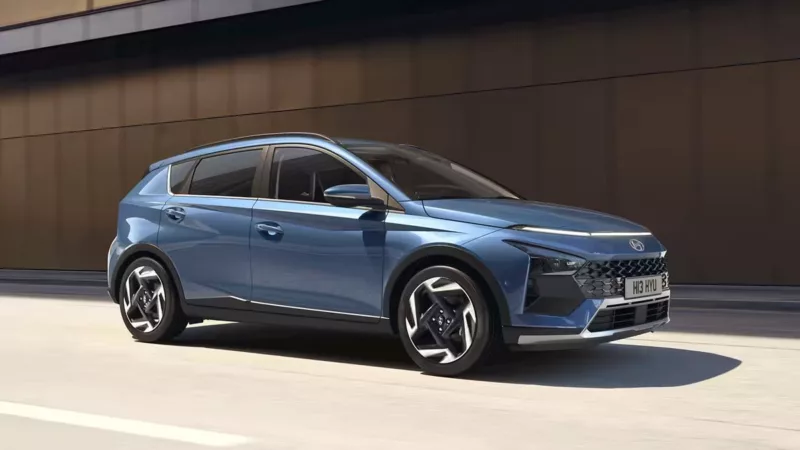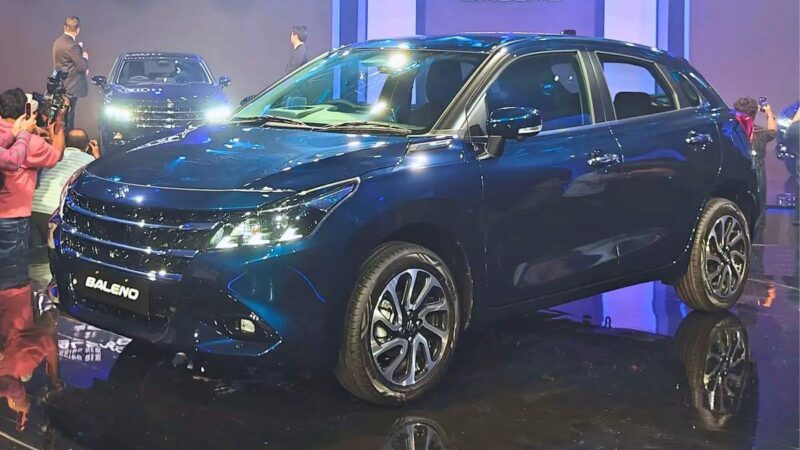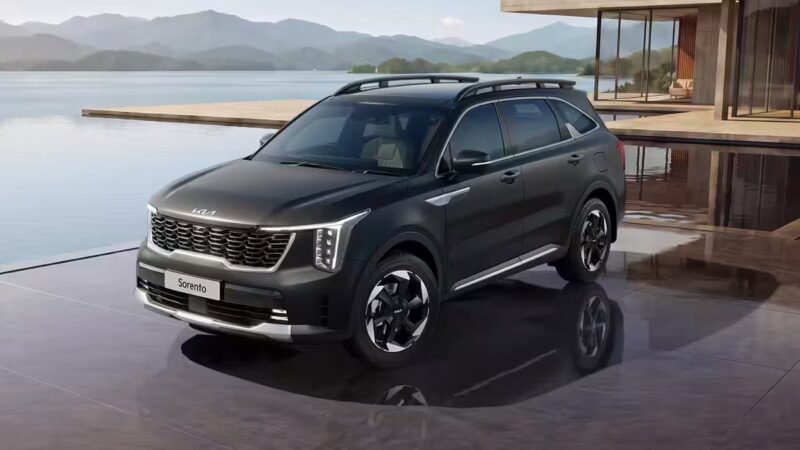

Choosing the colour of a new car is usually a personal choice. You may choose white because it’s a safe option to live with or black because it makes the car look luxurious. Alternatively, you may choose blue or red variations to give the car character.
But a few years later, when you decide to sell, that choice meets a different question: does the colour of your car affect how much it is worth? Yes, it can, but probably not as dramatically as you may have heard.
Spinny gives colour as one of the aspects of resale value, along with mileage, the car’s condition, history of accidents, car make and model, and general demand. The market demand is always the most important reason behind the resale value. An analysis of our data for Maruti Suzuki Alto shows us that colour affects resale value less than factors such as the state of the car, mileage and keeping it in good condition.
So, if you already own a bright red hatchback or a blue SUV, there is no reason to assume you made an expensive mistake. Here is where colour actually matters and where it does not.
Table of Contents
Does Car Colour Really Affect Resale Value?
Colour can influence resale value because a used car eventually needs to appeal to another buyer. The broader the appeal of the shade, the larger the potential audience for that car.
Spinny’s current resale-value guidance identifies colour among the factors that can affect used-car value, alongside mileage, vehicle condition, accident history, make and model, and market demand. Importantly, market demand remains one of the biggest drivers of resale value. Our model-specific guidance for the Maruti Suzuki Alto makes the hierarchy even clearer, noting that colour has a relatively small impact compared with condition, mileage and maintenance.
In practical terms, colour can affect how easily a car finds its next buyer. It normally does not outweigh a poor service record, major accident repairs or heavy mechanical wear.
Also Read: What is Car Resale Value?
What Car Colours Are Most Popular in India?
Current trends in car colours let us know about customer preferences because of the data provided by BASF Colour Report 2025. White is the most popular colour in India, accounting for 48% of all car colours, while grey is the second most widely used with its share of 17%. Black and silver take 10% each, while blue and red are 7% and 5%, respectively. Green, beige, and orange are bought on rare occasions,s accounting for only 1%.
| Colour | Share of Indian market in BASF 2025 data |
| White | 48% |
| Grey | 17% |
| Black | 10% |
| Silver | 10% |
| Blue | 7% |
| Red | 5% |
| Green | 1% |
| Beige | 1% |
| Orange | 1% |
This pertains to the information regarding colours of new vehicles and not to that of used cars. Nevertheless, it still indicates how strongly consumers in India are inclined towards neutral colours when they want to buy a car. That broad acceptance matters later because a used car in a familiar shade is less likely to be rejected simply because of its colour.
Why Neutral Colours Usually Have an Advantage
The value a neutral colour brings does not lie in any intrinsic higher worth a particular colour possesses. It only means that the number of consumers who will exclude a car from consideration under the influence of this particular colour will be lower.
Consider a family hatchback in white, silver or grey. Someone mainly shopping for reliability, price and condition is unlikely to see any of those shades as a deal-breaker. A very unusual colour can be different. Some buyers may love it, but others may remove the car from their shortlist immediately.
Neutral colours are also practical. According to Spinny’s existing catalogue of colours, white and silver, for instance, make dust and light scratches less visible, while dark colours are associated with dirt and marks showing much more prominently. This does not mean, however, that a higher resale price will be achieved, but a car appearing in good condition after years of usage will surely make an impression.
This is also why white, grey and silver are generally sensible choices if resale is one of your priorities. They work across hatchbacks, sedans, SUVs and MPVs without strongly narrowing the future buyer pool.
High popularity does not mean that a high price is guaranteed. A poorly maintained white car may be even cheaper than a well-looked-after blue car of the same model.
Also Read: How to Get Best Resale Value for Tata Cars
What About Black Cars?
Black is more complicated. It remains a mainstream choice and accounted for 10% of India’s 2025 automotive-colour mix in BASF’s data. On premium sedans and larger SUVs, black can be particularly appealing because it suits the car’s positioning and design.
What needs to be considered here is maintaining the car. Dark colours contribute to making marks, scratches, and dust more visible. Thus, two identical black cars may look completely different after a few years of use depending on the way they were taken care of. Spinny’s existing catalogue supports the argument above by noting that it is also true for dark colours.
That means resale value for a black car often depends as much on paint condition as on colour itself. A glossy, well-maintained black SUV can remain highly desirable; one with heavy swirls or neglected scratches may lose that visual advantage.
Do Red, Blue and Other Bright Colours Hurt Resale?
Not automatically. In 2025, blue made up 7% of India’s colour palette, and red accounted for 5%. While there are smaller shares than the most commonly used neutrals, they are still well-known colours.
More importantly, colour preference depends on the car. A sporty hatchback may suit red or blue extremely well. Some SUVs and lifestyle vehicles are closely associated with distinctive greens, blues or dual-tone finishes. Buyers looking for those models may actively seek those combinations.
The risk seems to occur when the colour is very unique compared to the model being chosen. A colour that is very different from the usual colours used for that model can result in a smaller pool of customers. This could lead to a prolonged process to find a suitable buyer, not necessarily to a reduction in price.
So it is more accurate to say unusual colours can affect marketability. Whether they actually reduce the final price depends on demand for that exact model, variant and colour combination.
Colour and Car Segment Need to Be Considered Together
There is no single colour ranking that works for every car. For a budget hatchback or family sedan, buyers generally choose white, silver or grey because their concern mainly focuses on functionality, condition and running expenses. On larger SUVs or premium cars, the picture can change. Black may become more appealing, while deep blues, greens and other sophisticated shades can also suit the vehicle well.
In compact SUVs and lifestyle vehicles, a more contrasting roof and more vivid colours are used as a unique identity marker. In this regard, buyers may appreciate that an original factory combination has a specific style about it. That is why we would not recommend choosing a colour purely from a generic list of “best resale colours”. What is normal and desirable for that particular model matters too.
Paint Condition Can Matter More Than Colour
The condition of the paint itself can matter more than the shade. Spinny uses a detailed 200-point checklist for assessing pre-owned vehicles. Inspection of the bodywork looks for harm, like scratches and dents, as well as repairs that can indicate former damage. The ideal situation for a used car is for it to look pristine; however, visible issues from accidents or unresolved complex repairs will mar the overall impression of the vehicle.
This is why a popular white car with badly repaired bodywork is not automatically more valuable than a less common colour that has been properly maintained.
When thinking about colour and resale, separate two questions:
What colour is the car? and What condition are the paint and bodywork actually in? The second one can matter considerably more.
Also Read: 5 Cars with the Best Resale Value in India
Original Factory Colour vs Repainting and Customisation
Changing a healthy car’s colour purely to improve resale value is rarely worthwhile. Refinishing the vehicle means spending money, but if the paint job is bad, it can only create more problems. Discrepancies in the finish can leave the potential owner with several questions about whether the vehicle got repaired for accident-related damage or not.
Spinny’s general resale guidance also recommends keeping a vehicle reasonably close to its factory specification, since extensive modifications can reduce its appeal to future buyers.
It is important to note that not every repainted panel is an issue. A sound bumper or panel that has been restored correctly after light damage is not the same as a vehicle that has received major structural repairs. The reasons for the repair process, the quality of the final result, and the actual damage play a far more significant role than the information that a vehicle has had paintwork done.
If your car has undergone repairs, keeping workshop invoices and service records can also provide useful context when you eventually sell.
What Matters More Than Colour When You Sell?
If your car is already in your driveway, changing its colour should be very low on your resale checklist. Spinny’s support guide lists several important parameters that can impact the price of a used vehicle, including the car’s make and model, mileage, age, maintenance history, ownership details, as well as current market patterns.
During physical evaluation, bodywork, engine, undercarriage, tyres, interiors and electronics are also checked.
| Factor | Why it matters |
| Make and model | Determines underlying used-car demand |
| Age | Affects depreciation and buyer expectations |
| Kilometres driven | Indicates extent of use |
| Mechanical condition | Influences usability and likely repair costs |
| Accident history | Major repairs can reduce value |
| Service history | Shows how consistently the car was maintained |
| Ownership history | Fewer owners can support buyer confidence |
| Market demand | Determines what similar cars are currently worth |
| Paint/body condition | Forms part of overall condition |
| Colour | Can broaden or narrow buyer appeal |
The message to take away is clear: it is better to keep all records of servicing the car you already possess instead of regretting the choice of the wrong colour years ago.
If You Are Buying a New Car Today
If resale value is one of several priorities, colour is best used as a tie-breaker rather than the main buying criterion. If you are stuck between two colours which you like equally, it may be wise to choose the more popular neutral colour because it may appeal to more buyers in the future.
But if you strongly prefer a factory-offered blue, red or green, the possible resale difference may be less important than choosing a car you will actually enjoy owning for the next several years. After all, resale happens at the end of ownership. You still have to live with the car until then.
How Spinny Looks at Your Car’s Resale Value
At Spinny, no single characteristic decides what your car is worth. The method we use for valuing the car includes normalising the model, the condition of the car, as well as how it is trending in the car market today. Spinny’s pricing technique involves gathering data from over 500,000 used car transactions while at the same time conducting market studies to analyse how much similar units cost in the market. Physical inspections help analyse the condition of your vehicle in addition to determining its real status.
Colour can contribute to market appeal because buyer preference is part of demand. But there is no universal rule that every white car deserves a fixed premium or every bright car deserves a fixed discount. The right value comes from looking at the whole car.
Should You Choose a Car Colour Based on Resale Value?
If you tend to like two different colours equally well and your priority is resale value, choosing a neutral popular colour ensures you can make a good choice in this particular case. White, grey, and silver are very popular in the industry, while black is still a mainstream colour and looks attractive for bigger and more high-end models. The current Indian colour statistics indicate the popularity of neutral colours on the market.
But you will spend years driving the car before you sell it. However, if you highly appreciate the blue model and plan to use it for a long time, opting for white only because of its high resale value does not make much sense. Choose a colour you enjoy, take care of it properly, and remember that condition and market demand will do much more of the heavy lifting when resale day arrives.
Car Colour and Resale Value: The Bottom Line
Yes, colour can affect resale value in India, mainly because it affects buyer demand. Colours like white, grey, and silver can be advantageous as these appeal to a larger group of people. Black is also popular but needs more attention in terms of maintenance in order to keep its colour looking good. Bright colours used in manufacturing may bring you a smaller group of buyers, though the suitable colour of the car model can still attract customers.
What colour cannot do is rescue an otherwise neglected car. A well-maintained vehicle with a clean history, reasonable mileage and strong market demand will generally have much more going for it than a car relying on a popular paint shade alone.
When considering buying a car, you should pay attention to its colour. However, if you are selling your old vehicle, it is better to talk about its state and condition rather than paint. Those factors tell far more of the story.
Related Blogs:
How to get the best resale value – Tata Tiago
How to get best resale value – Creta
How to get the best resale value – Honda City
FAQs
Q. Does car colour affect resale value in India?
Yes. Colour can influence value by affecting buyer demand, but Spinny’s resale guidance treats it as one factor among many. Condition, mileage, model demand, maintenance and accident history can have a much stronger influence.
Q. Which car colour is most popular in India?
According to the BASF Colour Report 2025, white was India’s most popular automotive colour at 48%, followed by grey at 17%. Black and silver each accounted for 10%.
Q. Will a red or blue car get a lower resale price?
Not necessarily. Demand depends on the model as well as the colour. Bright shades may appeal to a smaller audience on some cars, but on sporty, lifestyle-oriented or colour-led models they can remain desirable.
Q. Is paint condition more important than paint colour?
Often, yes. Spinny’s physical evaluation checks bodywork for major scratches, dents and repairs that may indicate accident damage. A well-maintained car in a less common shade can therefore be more attractive than a popular-coloured car with poor bodywork.
Q. Does repainting a car improve its resale value?
Not automatically. Repainting purely to change a car’s colour does not guarantee a higher price, while poor-quality repainting can create concerns about the car’s repair history. Preserving a well-maintained factory finish is generally more useful than changing colour specifically for resale.
Q. Does Spinny apply a fixed premium or penalty for a particular colour?
Spinny does not publish a fixed colour-based premium or deduction. Used-car valuation depends on the car and the market as a whole, including demand, age, mileage, ownership, maintenance and actual condition. Colour should therefore not be viewed in isolation.