BMW’s assortment of SUVs in India ranges from the entry-level X1 to the most supercharged XM variant. Different powertrain options such as petrol, diesel, electric motors and plug-in hybrid systems are available at different prices starting from nearly ₹50.90 lakh and going up to over ₹2.54 crore.
The range also includes different types of SUVs. The X1 and X3 suit buyers seeking a manageable everyday luxury car, while the X5 and X7 provide more space and stronger engines. The iX1 and iX offer fully electric alternatives, and the X6 M60i and XM Label focus heavily on performance.
Table of Contents
BMW SUV Cars in India at a Glance
| BMW SUV | Powertrain | Approximate ex-showroom price | Best suited for |
| BMW X1 | Petrol or diesel | ₹50.90–52.90 lakh | Entry into BMW SUV ownership |
| BMW iX1 LWB | Electric | Around ₹52.40 lakh | Urban EV use and rear-seat space |
| BMW X3 | Petrol or diesel | ₹69.90–76 lakh | Mid-size luxury SUV buyers |
| BMW X5 | Petrol or diesel mild hybrid | ₹96.90–98.90 lakh | Luxury, performance and versatility |
| BMW X7 | Petrol or diesel mild hybrid | Around ₹1.31–1.37 crore | Three-row family luxury |
| BMW iX xDrive50 | Electric | Around ₹1.40 crore | Long-range electric luxury |
| BMW X6 M60i | V8 petrol mild hybrid | ₹1.78 crore | Performance and coupé-SUV styling |
| BMW XM Label | Plug-in hybrid | Around ₹2.55 crore | Maximum power and exclusivity |
All mentioned prices are approximately as per the ex-showroom rates of July 2026. It should be noted that vehicle prices and configurations may vary at the time of billing.
Why Does BMW Call Its SUVs SAVs?
BMW commonly uses the term Sports Activity Vehicle, or SAV, for models such as the X1, X3, X5 and X7.
The X6 is known as Sports Activity Coupé or SAC because it mixes the qualities of an SUV and the features of a coupé with a roof that slopes downwards.
For practical purposes, these are all part of BMW’s SUV range. The SAV and SAC names mainly describe BMW’s positioning and design approach.
BMW X1: The Most Affordable BMW SUV
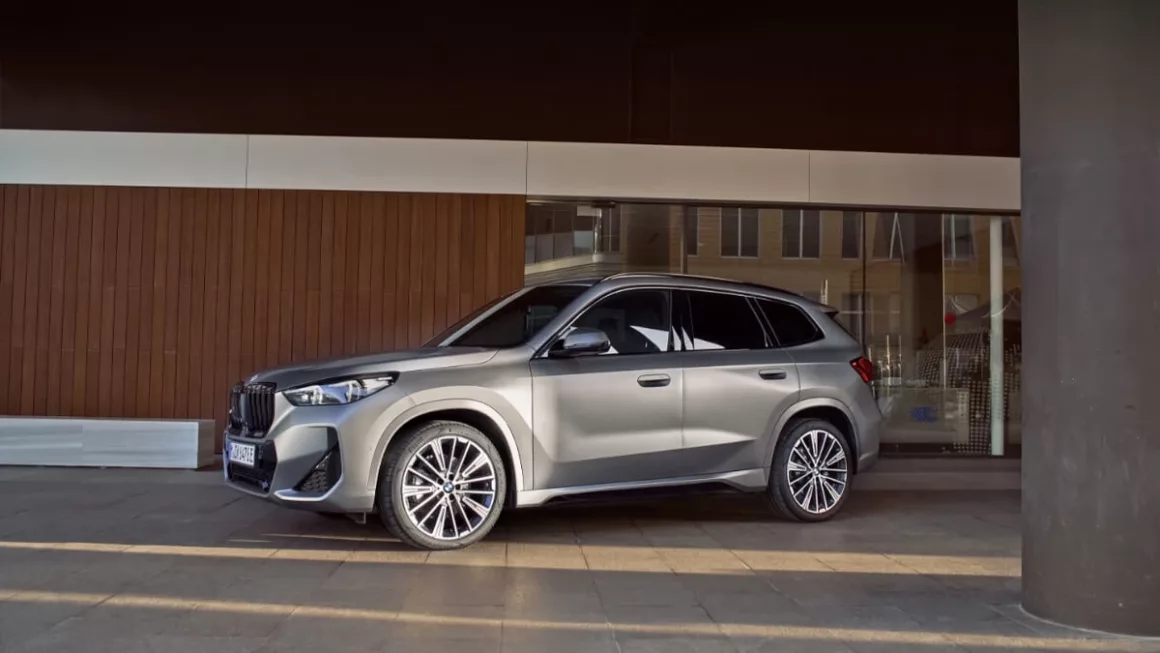
The X1 is the least expensive BMW SUV currently available in India. Its smaller size makes it easier to navigate and park than the bigger X3 and X5 SUVs. At the same time, it offers enough room for passengers and luggage.
The petrol X1 sDrive18i produces 134 hp of power and reaches 100 km/h in a claimed 9.2 seconds. The diesel X1 sDrive18d produces 148 hp of power and completes the same run in 8.9 seconds. Both are front-wheel-drive models rather than xDrive all-wheel-drive versions.
According to BMW, both variants have a luggage capacity of 476 litres. Inside the cabin, the BMW curved display appears to be the latest in its interface range, while the higher trim adds features to deliver a premium experience without requiring the size and price of the X3.
Choose the X1 when: You want the most affordable new BMW SUV & you drive mainly in the city and do not need all-wheel drive.
Also Read: BMW X1 Variants Guide: Best Variant to Choose From
BMW iX1 Long Wheelbase: The Most Affordable Electric BMW SUV
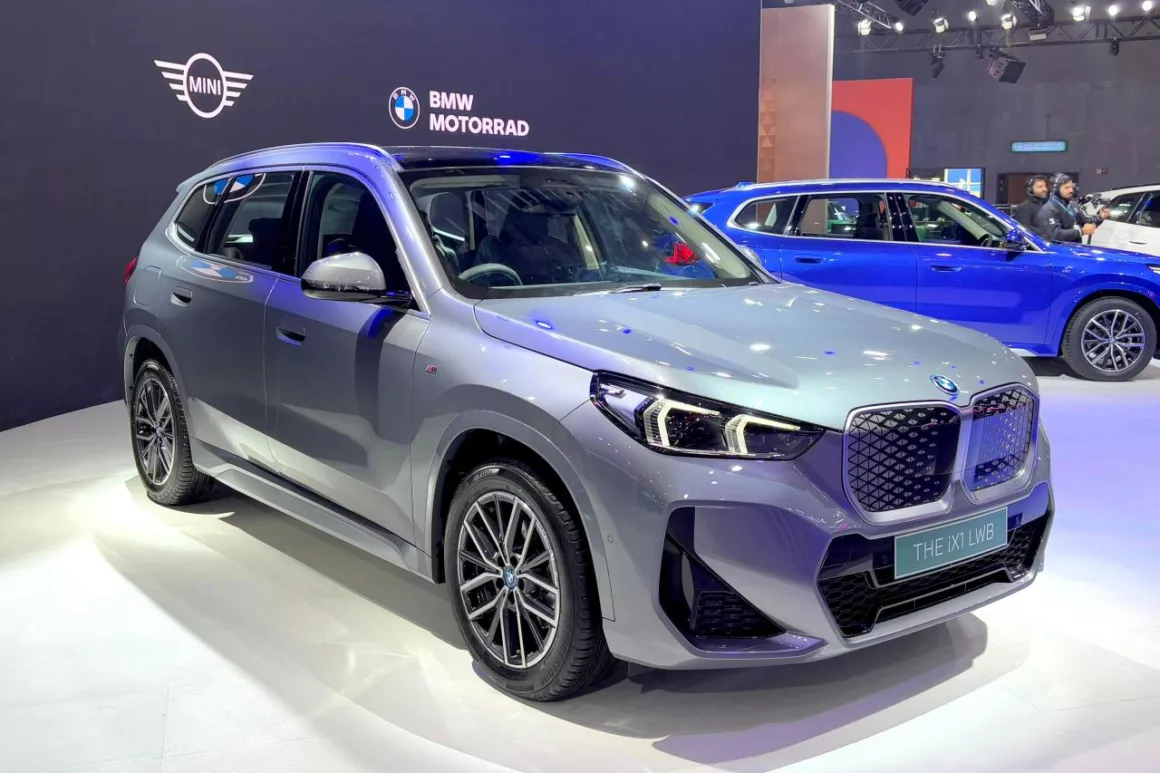
The current iX1 is different from the previous X1 xDrive30 imported to India. The one available here is produced in India and called the iX1 Long Wheelbase eDrive20L.
It uses one electric motor driving the front wheels and produces around 204 hp and 250 Nm of torque. A 66.4 kWh battery provides a claimed mileage of up to 531 km under the stated Indian test cycle.
Additionally, BMW has stated a boot space of 490 litres. It is also providing complimentary home charger installation. The battery can be charged from 10 to 80% in about 29 minutes if a suitable 130 kW DC charger is used. Charging time and distance travelled depend on the charger, temperature, as well as speed.
The iX1 costs only slightly more than the regular X1, making the decision more dependent on charging access than purchase price.
Choose the iX1 when: You have reliable home charging, mainly drive in cities and want a quieter BMW with lower energy costs.
Difference Between BMW X1 vs BMW iX1
| Area | BMW X1 | BMW iX1 LWB |
| Powertrain | Petrol or diesel | Fully electric |
| Refuelling or charging | Fast fuel stops | Requires charging |
| Long-distance convenience | Easier on unpredictable routes | Needs charging planning |
| Urban refinement | Conventional engine and gearbox | Quieter and smoother |
| Running cost | Depends on fuel and engine | Lower with home charging |
| Starting price | ₹50.90 lakh | Around ₹52.40 lakh |
For buyers who go on long, spur-of-the-minute trips often, the X1 is the ideal option as it offers easy mobility. However, for those who have a preference for urban driving, charging infrastructure, and rely on sound home and work charging, the iX1 would be a better choice.
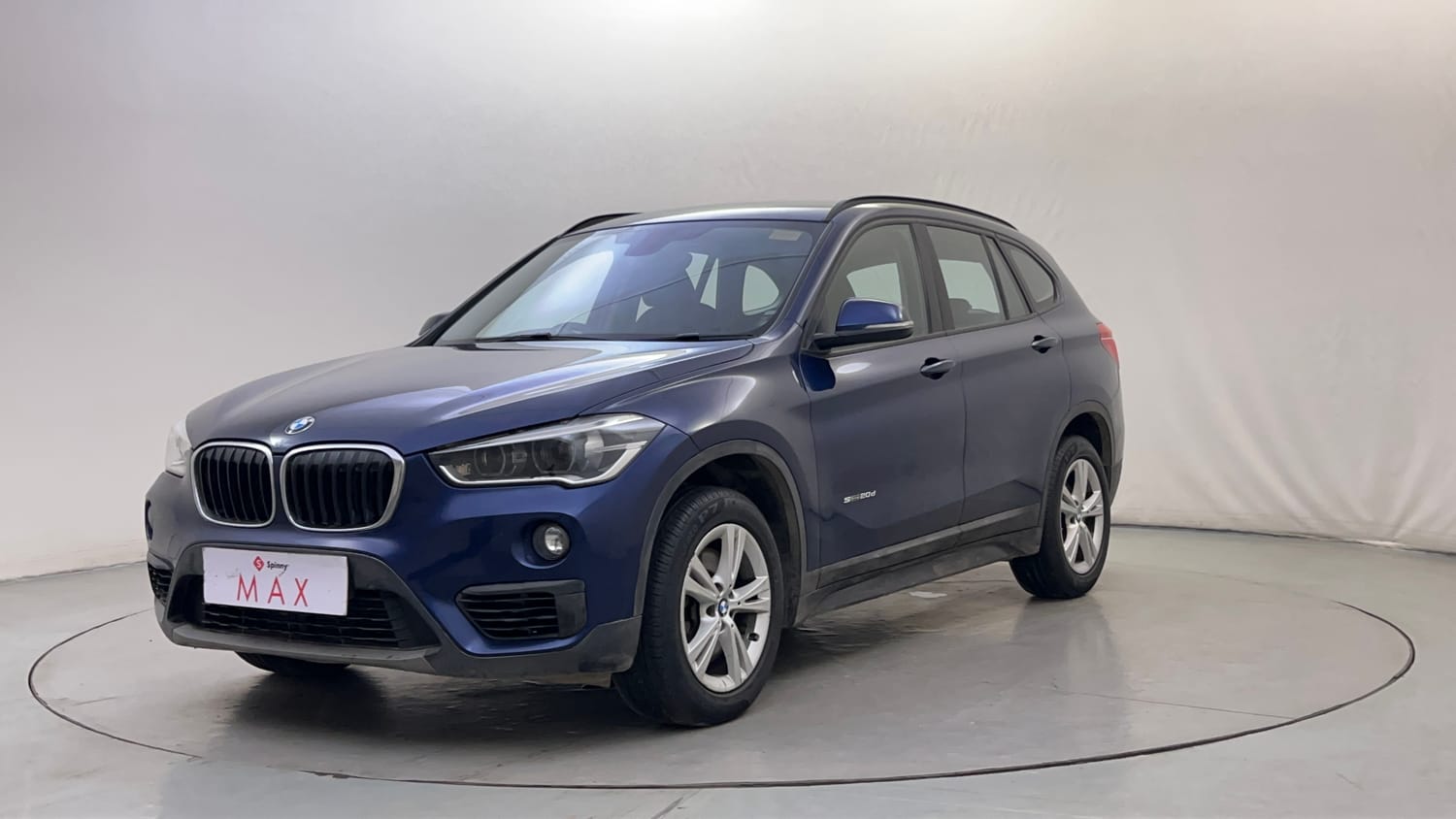
BMW X3: The Best Mid-Size All-Rounder

The latest-generation X3 sits between the compact X1 and the larger X5. It has more cabin space, stronger engines and all-wheel drive without becoming as large or expensive as BMW’s upper SUVs.The price of the X3 starts at ₹69.90 lakhs for the X3 xDrive20 petrol. A diesel xDrive20d variant is also present, while the price of the powerful X3 30 xDrive M Sport Pro is approximately ₹76 lakhs after the price update in July 2026.
The X3 30 xDrive produces 258 hp of power and 400 Nm of torque and can accelerate from 0 to 100 km/h in a claimed 6.3 seconds. It also adds adaptive suspension, 20-inch wheels and more aggressive M Sport styling.
The interior of the X3 has a 12.3-inch driver display along with a 14.9-inch infotainment display. Additionally, it has the BMW Interaction bar along with an enormous panoramic sunroof.
Choose the X3 when: You want enough room for family use but still prefer an SUV that feels manageable and enjoyable to drive.
Also Read: BMW X3: Complete Buying Guide
BMW X5: The Best BMW SUV Around ₹1 Crore
The X5 belongs to the category of higher luxury SUVs .It has a bigger cabin, 6-cylinder engines, all-wheel drive, and the right combination of performance, comfort, and touring ability.
The X5 xDrive40i uses a 3.0-litre six-cylinder petrol engine producing 381 hp of torque and 520 Nm of power. It can complete the 0–100 km/h run in a claimed 5.4 seconds.
X5 xDrive30d has a 3.0-litre diesel motor which produces 286 hp of power and 650 Nm of torque, with a time period of 0- 100 km/h of 6.1 seconds. Both engines have a 48V mild hybrid system.
Current variants include comfort seats, a curved digital display, four-zone climate control and a panoramic sunroof. Equipment such as upholstery, suspension and driver-assistance functions can differ between the regular and M Sport Pro versions.
BMW has priced the X5 at around ₹96.90 lakh.
Choose the X5 when: You want a premium five-seat SUV for city use, highway travel and occasional rough-road driving without moving to the size of the X7.
BMW X7: The Best BMW SUV for Large Families
The X7 is BMW’s biggest regular SUV available in India. At roughly 5.18 metres long, it has three rows of seats and offers much more space than the X5.
The X7 xDrive40i petrol produces 381 hp of power and reaches 100 km/h in a claimed 5.8 seconds. The xDrive40d diesel produces 340 hp of power and 700 Nm of torque. Both versions use six-cylinder engines, 48-volt mild-hybrid assistance, an eight-speed automatic gearbox and xDrive all-wheel drive.
Depending on the variant, the X7 can offer six or seven seats. Six-seater models feature separate second-row seats while seven-seater versions feature a bench seat. With the seats down, the total boot capacity of the car is as much as 2,120 litres according to the manufacturer.
Features include adaptive air suspension, a panoramic glass roof, multiple-zone climate control and BMW’s curved digital display. Exact equipment varies by variant.
Choose the X7 when: You need three usable seating rows, frequently travel with a driver or want BMW’s most spacious family SUV.
BMW iX xDrive50: The Electric Flagship SUV
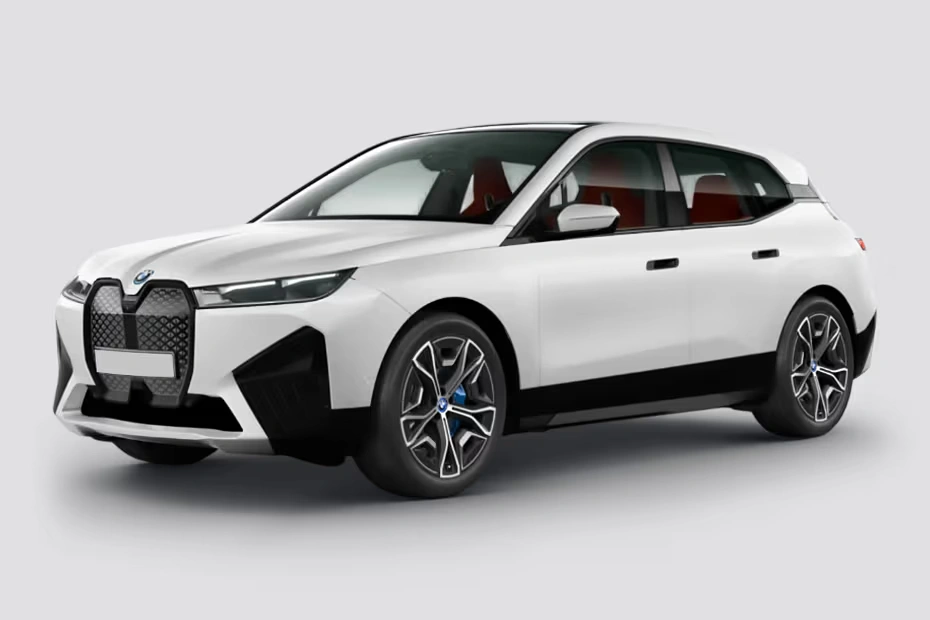
The BMW iX xDrive50 is quite massive and has more power than the iX1. It has two electric motors for all-wheel drive, with a power output of 523 hp and torque of 765 Nm.
BMW claims a 0–100 km/h time of 4.6 seconds. Its 111.5 kWh gross battery provides up to 635 km of WLTP-certified range.
The iX model supports DC charging up to 195 kW, allowing it to charge from 10 to 80% in approximately 35 minutes in ideal conditions. It takes about 11 hours for a full charge using the 11 kW AC charger.
The cabin focuses on lounge-like comfort, with a flat floor, curved display and optional luxury equipment. Adaptive two-axle air suspension is standard on the xDrive50.
With a price of approximately ₹1.40 crore, the iX targets consumers looking for electric performance along with long-range capability without the added luxury of the i7 sedan.
Choose the iX when: You want a premium long-range electric SUV and have reliable charging at home and on your regular intercity routes.
BMW X6 M60i: The Coupé-Style Performance SUV
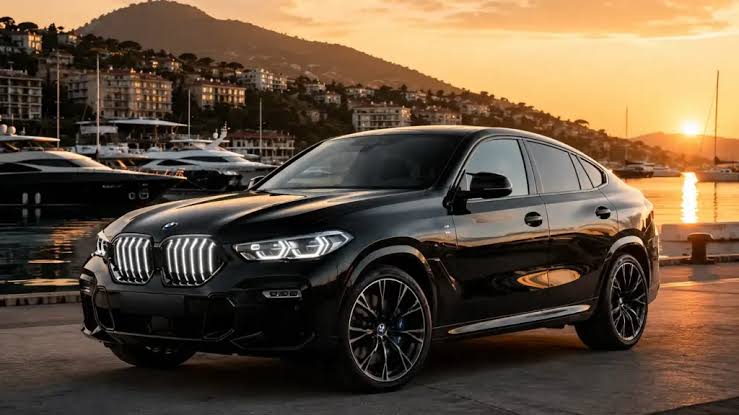
The BMW X6 M60i xDrive was launched in India in June of 2026 for a price of ₹1.779 crore and features different styling elements, with a sloping rear roof and a more aggressive look compared to the X5.
Its 4.4-litre V8 petrol engine works with 48-volt mild-hybrid assistance and produces 530 hp and 750 Nm. BMW claims it can accelerate from 0 to 100 km/h in 4.3 seconds.
The car is equipped with many features, including M suspension, integral active steering, an M differential, and rear-heavy xDrive. The 580-litre capacity trunk is a good feature; however, it is not as efficient as the trunk of the X5 due to the roof line issue.
Choose the X6 when: You want V8 performance, a distinctive shape and stronger road presence, and are willing to trade some practicality for style.
BMW XM Label: The Most Powerful and Expensive BMW SUV
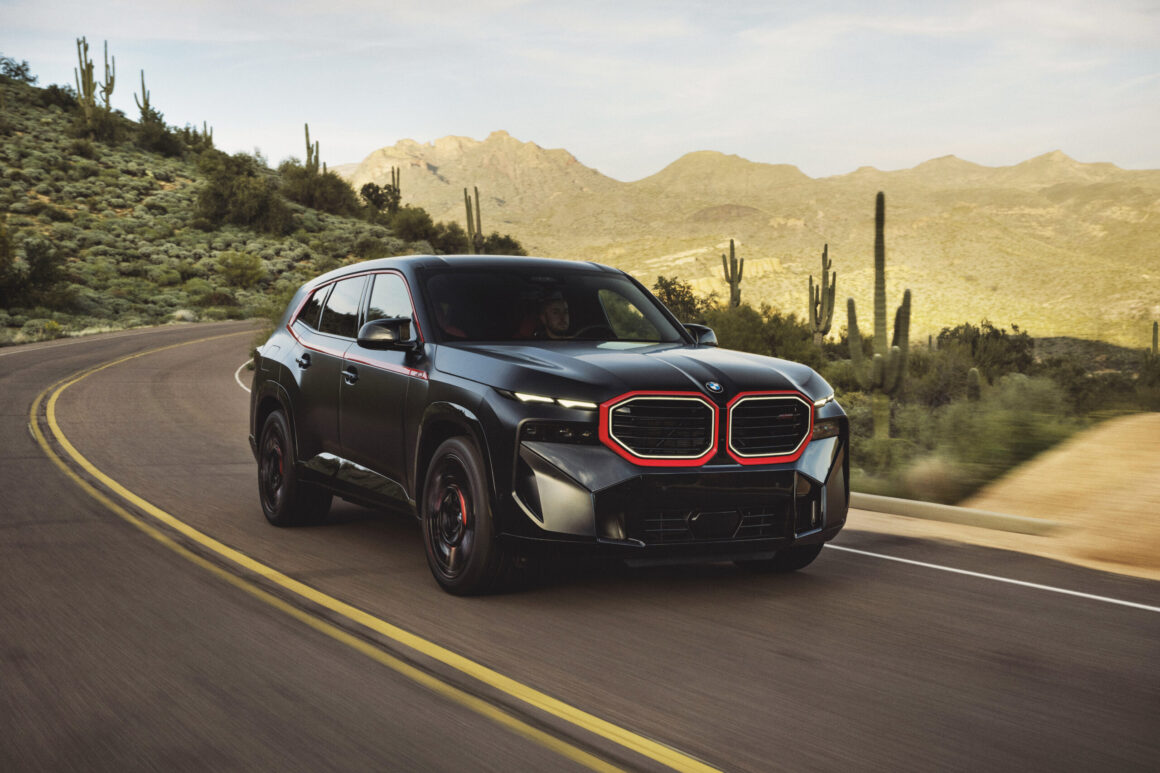
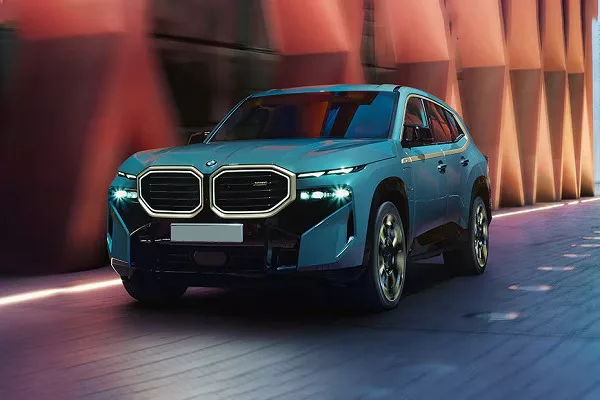
The XM Label is an all-electric model that sits at the top of the BMW range. The vehicle is a hybrid model from BMW M rather than the standard BMW vehicle with the M Sport package.
Its combined petrol-electric system produces approximately 748 hp of power and 1,000 Nm of torque. BMW has claimed a 0–100 km/h time of 3.8 seconds for the XM Label.
The XM has a high-voltage battery that allows the car to drive for some distance exclusively in electric mode; however, the primary goal of the XM is performance, not to maximise fuel economy.
At approximately ₹2.55 crore, it is also the most expensive BMW SUV currently listed in India.
Choose the XM Label when: You want maximum performance along with exclusivity and are comfortable with its large dimensions, high price and bold design.
Petrol, Diesel or Electric BMW SUV?
Petrol
The petrol-powered BMW is ideal for individuals with mid-range annual mileage who value a quiet driving experience along with solid acceleration capabilities. It also presents fewer maintenance challenges in cities with limited diesel availability.
Diesel
A diesel X1, X3, X5 or X7 suits buyers who cover high annual kilometres or regularly travel on highways. Short urban trips can be less suitable for modern diesel emissions systems.
Electric
The iX1 and iX both have lower costs when it comes to home-charging and better in-city handling. The pros of these two vehicles are apparent when the owner has stable charging infrastructure that can be easily accessed.
Plug-in Hybrid
The XM combines an electric motor with a large petrol engine. A plug-in hybrid must be charged regularly to make meaningful use of its electric capability.
Which BMW SUV Should You Buy?
| Buyer requirement | Most suitable BMW SUV |
| Lowest purchase price | BMW X1 |
| Most affordable electric BMW | BMW iX1 LWB |
| Best mid-size all-rounder | BMW X3 |
| Best BMW SUV near ₹1 crore | BMW X5 |
| Best three-row BMW | BMW X7 |
| Best electric flagship SUV | BMW iX |
| Best coupé-style SUV | BMW X6 M60i |
| Most powerful BMW SUV | BMW XM Label |
The BMW X3 is usually considered the best overall vehicle, as it balances decent space, AWD, and moderate size. The X5, on the other hand, is regarded as a more perfect option in the luxury segment.
Should You Buy a New or Used BMW SUV?
A used BMW SUV can allow a buyer to move into a higher segment for the price of a smaller new model. For example, a used X3 or X5 may overlap with the cost of a new X1.
Regardless of depreciation, the X5’s maintenance costs remain tied to its segment. Therefore, a second-hand X5 would still need special tyres, spare parts, insurance, and service.
Before buying a used BMW SUV, check:
- Complete BMW service history
- Engine, gearbox and xDrive fault codes
- Diesel DPF and emissions-system condition
- Air suspension on applicable models
- Panoramic-roof drainage and operation
- Tyre age and uneven wear
- Bent or repaired alloy wheels
- ADAS camera and radar calibration
- Accident and flood history
- Remaining warranty and service package
When considering the BMW iX or iX1 option, it is also important to consider battery condition, charging capabilities, underbody protection, and the rated voltage warranty.
Discontinued models such as the X4, older iX1 xDrive30 and X5 M Competition may be available, but they should not be confused with BMW’s current new-car range.
Also Read:
Comparison: New BMW X1 vs Used BMW X1
Comparison: New BMW X3 vs Used BMW X3
BMW 5-Series Variants Guide: Best Variant to Choose From
FAQs About BMW SUV Cars
Q. Which is the cheapest BMW SUV in India?
The BMW X1 is the least expensive BMW SUV, starting at approximately ₹50.90 lakh ex-showroom.
Q. Which is the best BMW SUV under ₹1 crore?
The BMW X5 starts below ₹1 crore and offers the strongest combination of luxury, performance and space. The X3 is the more manageable and affordable choice compared to it.
Q. Does BMW sell a seven-seater SUV in India?
Yes. The BMW X7 is available with three rows and six- or seven-seat configurations, depending on the variant.
Q. Which BMW SUVs are electric?
BMW currently sells the iX1 Long Wheelbase and iX xDrive50 as its electric SUVs in India.
Q. Which is the fastest BMW SUV in india?
The BMW XM Label has a claimed 0–100 km/h time of 3.8 seconds, making it quicker than the X6 M60i.
Q. Is the BMW X1 available with all-wheel drive?
No. The current India-spec petrol and diesel X1 variants use front-wheel drive (sDrive).
Q. Is a used BMW SUV worth buying?
Yes, provided it has complete service records and passes a detailed mechanical and diagnostic inspection. Future maintenance should be budgeted according to its original luxury segment.