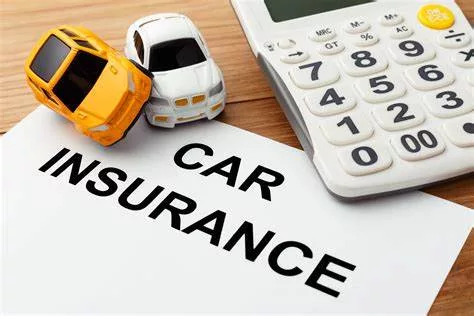
Car insurance is not only a legal necessity in India, but it’s an essential layer of financial security. Out of the many types available, third-party car insurance is the simplest yet necessary type. It covers costs for damage or injury your car causes to someone else, helping you meet legal requirements without significant expense.
This blog will discuss third-party car insurance, how it works, its benefits and limitations, and tips for choosing the best policy for your needs. Read ahead for more insight.
Understanding Third-Party Insurance
Third-party insurance is the legally mandated minimum coverage in many countries, including India, under the Motor Vehicles Act of 1988. It safeguards you from legal responsibilities if your insured vehicle causes loss or damage to others. Key elements include:
- Indemnifies a Third-party Person or Property Loss: It compensates the victim if your vehicle injures or damages their property.
- Mandatory Under Law: Driving a motor vehicle without at least third-party cover is legally an offence under the Motor Vehicles Act.
- Does Not Insure Your Vehicle: Third-party car insurance doesn’t cover damage to your vehicle.
According to the Insurance Regulatory and Development Authority of India (IRDAI), third-party insurance is compulsory for all motor vehicles irrespective of use or type.
Why Third-Party Car Insurance is Important?
Third-party insurance’s key purpose is to comply with the law, but it achieves much more than to meet compliance. This is why it’s necessary:
- Financial Protection
If you have caused an accident, this insurance protects you from paying enormous sums out of your pocket to the third-party victim. It pays for the damages to their car or property, which may be expensive depending on the circumstances.
Without such protection, a minor mishap could turn into a cause of financial pressure or surprise legal requests.
- Legal Coverage
Third-party insurance minimises your legal exposure to the injury or death of a third party. Serious accident lawsuits can be time-consuming and expensive. Third-party insurance keeps you free from the cost, with protection against claims.
- Peace of Mind
It provides confidence to focus on highway safety without the constant worry of the financial or legal consequences of an unexpected incident. Frequent commuters and long-distance drivers, who spend considerable time travelling, find it beneficial.
What Does Third-Party Insurance Cover?
If you cause an accident, your third-party insurance covers:
- Medical costs or compensation if someone gets injured.
- The repair or replacement of another person’s vehicle or property damaged in an accident involving your car.
- The expense of lawyers’ fees in case the matter goes to court.
How Does it Work?
- Occurrence of an Accident: An accident occurs, and the insured party injures someone else.
- Notify the Insurer: The policyholder has to notify the insurance company.
- Claim Assessment: The insurer considers the case and puts an estimate on the loss.
- Compensation: The insurer pays the third party following the policy liability.
This type of insurance adheres to the doctrine of faultless liability, primarily in instances of death or irreparable disablement of the third party, where compensation is unavoidable even if fault cannot be established.
What are the Features of Third-Party Car Insurance?
Standard features of a third-party car insurance policy include:
- Compensates for Third-party Injury or Death
It compensates third parties for physical injury, disability, or death caused by accidents involving the insured vehicle and provides legal and financial support to victims.
- Compensates for Third-party Property Damage
Compensates for the insured vehicle’s loss or destruction of a third party’s property, such as a building, vehicle, or wall. As per IRDAI guidelines, the sum assured tends to be limited up to ₹7.5 lakh.
- Unlimited Personal Injury Liability
Third-party death or bodily injury compensation is unlimited. Depending on the severity of the accident and loss.
- Low Premiums
Since own-damage is not included in this policy, the premium is significantly lower. Thus, it is an inexpensive choice, particularly for older vehicles or cars used less often.
- Long-term Insurance for New Cars
To comply with regulations, every new motorcar and motorbike in India must be purchased with long-term third-party insurance, three years for motorcars and five years for two-wheelers, providing seamless cover.
What are the Benefits of Third-Party Car Insurance?
Third-party insurance has a lot of benefits, including:
- Adherence to Law
Third-party insurance helps you stay compliant with legal road safety regulations. It is compulsorily required under the Motor Vehicles Act in India, and driving without it will likely cost you fines or even license cancellation.
- Financial Protection
It is the cheapest motor insurance class, so it is perfect for old cars or low-risk motorists. If you drive occasionally or have a car with little usage, the affordable plan also offers basic coverage without draining your finances.
- Liability Coverage
It protects you financially by covering third-party liabilities in the event of an accident. This includes bodily injuries, property damage, or even fatalities involving third parties, ensuring you’re not burdened with unexpected expenses.
- Simpler Documentation and Purchase
Renewing or buying third-party car insurance online involves minimal paperwork. Most insurers issue instant electronic policies, and policyholders can do so within minutes from their mobile or computer.
- Less Legal Involvement
Your insurance company takes care of legal procedures and compensation on your behalf in third-party cases. These include representation at legal hearings, settlement discussions, and claims settlements.
What are the Exclusions Under Third-Party Insurance?
Although it is beneficial, there are exceptions to third-party car insurance. The following are the things not covered:
- Damage to Your Vehicle
Any loss or damage to your vehicle due to accident, fire, or theft is not covered. Unless you have a comprehensive policy, you will have to bear the cost of repair and replacement.
- Personal Accident Cover for the Driver
Unless added specially, death or injury of the driver is not covered by the third-party policy. Death or injury of a third party can only be claimed for compensation.
- Loss Due to Natural Calamities or Robbery
Natural calamities such as floods, earthquakes, or vehicle robbery are not covered under the above policy. You need comprehensive insurance with riders to gain coverage for these factors.
- Driving Under the Influence
Accidents under the influence of alcohol or drugs render the claim invalid. The insurer also initiates a legal case related to the accident.
- Driving without a Valid License
Without a valid driver’s license, the insurer might deny your claim. The same applies to driving with an expired or suspended license during the accident.
Comparison: Third-Party Insurance vs. Comprehensive Insurance
Here is a detailed comparison between third-party insurance and comprehensive insurance discussed in the table below:
| Feature | Third Party Insurance | Comprehensive Insurance |
| Legal Mandate | Mandatory | Optional |
| Third Party Cover | Yes | Yes |
| Own Damage Cover | No | Yes |
| Personal Accident Cover | Optional Add-on | Included or Add-on |
| Premium Cost | Low | Higher than third-party |
| Add-on Options | Limited | Multiple customisable add-ons |
| Best Suited For | Old/low-value vehicles, budget-conscious drivers | New vehicles, high-value cars, and frequent drivers |
Who Should Opt for Third-Party Insurance?
While comprehensive cover is ideal, third-party cover is ideal for:
- Owners of Older Vehicles
Repairing old or obsolete cars might not be cost-effective, particularly if spare parts are not readily available or expensive. The best thing to do in such vehicles is to take the bare minimum and mandatory coverage, such as third-party cover.
- Drivers on a Budget
Third-party policies are much cheaper, which makes them perfect for first-time buyers, students, or anyone with a low income who wants to comply with the law.
- Infrequent Drivers
If you rarely drive, maybe just occasionally, for short, random journeys, full-on insurance may seem unnecessary. Third-party cover provides necessary protection without costing a fortune for occasional cars.
- Compliance-only Purposes
Some people only want to cover the bare minimum requirement for vehicle insurance. Third party is the best option in such scenarios, giving you the bare minimum necessary to keep you within the law.
What are the Legal and Financial Implications of Driving Without Third-Party Insurance?
Not possessing a valid third-party insurance policy can lead to the following consequences:
- Penalties of a maximum of ₹2,000 or 3 months’ imprisonment (according to Indian law), depending on the severity of the offence.
- Confiscation of the vehicle in the event of frequent offending, which can also lead to additional legal penalties and punishment.
- No financial assistance in the event of an accident, i.e., you must pay for all third-party losses and liabilities yourself, which can be economically disastrous.
- Renewing the car can be inconvenient, especially since insurance is legally required.
Third-party insurance is thus not just coverage; it is statutory protection against potential legal proceedings, financial loss, and regulatory breaches.
How to File a Third-Party Insurance Claim?
A third-party insurance claim has the following very important steps to be executed:
- Step 1
Inform the local police about the accident and ensure an FIR is registered. It is an official document for claim processing.
- Step 2
Inform the insurance company immediately about the accident, preferably within 24–48 hours, to enable them to act quickly.
- Step 3
File the following documents:
- Copy of FIR
- Policy details
- Registration certificate of the vehicle (RC)
- Valid driving license
- Filled claim form in duplicate
The insurance company sends a surveyor to evaluate the case and collect evidence of the accident. The analysis is conducted to determine the extent of liability.
The Motor Accident Claims Tribunal (MACT) settles the claims, particularly in cases of bodily injury, death, or property damage on a serious scale. The tribunal examines the case and determines the amount of money that may be awarded under the third-party insurance cover.
How to Select the Best Third-Party Auto Insurance?
Let’s look at some tips that will help you make an informed decision:
- Compare Several Insurers
Don’t settle for the initial offer you receive. Utilise legitimate comparison websites to compare premiums, customer ratings, service, and claims process. This way, you will get a policy that provides the best value for money without any compromise in cover and level of service.
- Ensure Digital Features are Accessible
Choose insurers that provide digital-first features like online policy purchase, renewal reminder, mobile app assistance, and real-time claim tracking. These features make it much more convenient to manage your insurance, particularly in case of emergencies or sudden road accidents.
- Verify Claim Settlement Ratio
A greater claim settlement ratio (CSR) indicates that the insurance firm will be more likely to settle claims promptly and fairly. It also reflects the insurer’s dependability and efficiency in paying third-party claims, which is critical in nervous exposures involving legal or medical exposures.
- Seek Add-On Options
Although limited in third-party policies, some insurers offer useful extras like personal accident protection for drivers, legal assistance, and breakdown cover. These can supplement your basic coverage and give additional peace of mind, especially for frequent travellers.
- Read the Policy Document
Preferably, before buying, check the policy’s terms and conditions to understand what’s in and out. Carefully read exclusions, claim settlement, and renewal terms. Familiarity with fine print can prevent future disputes and settle claims more smoothly when needed.
If you are on a tight budget or own an older vehicle, third-party insurance is the best and prudent choice. However, always compare your driving habits, the age of your vehicle, and exposure to risks before confirming the policy.
FAQs About Third-Party Insurance
Q. Is third-party car insurance mandatory in India?
Yes, under the Motor Vehicles Act, 1988, all vehicles are required to carry minimum third-party insurance to legally transport on Indian roads.
Q. Is it possible to switch to comprehensive from third-party insurance?
Yes. If permitted by your company, you can switch at renewal or midterm by paying a differential premium.
Q. How much compensation is provided under third-party insurance?
Compensation for property damage is limited (₹7.5 lakh), but in case of injury or death, there is no monetary limit, and it is determined by the court.
Q. Can I claim for my car’s damage under third-party insurance?
No. You will require comprehensive insurance or an independent own-damage policy to cover your vehicle damage.