The clutch may not grab your attention like a car’s design or engine specs, but without it, every gear change would be a struggle, whether you’re stuck in city traffic or speeding down the interstate. But have you ever thought about what the clutch mechanism really does? Or why is it so important to the driving experience?
We’ll break down the clutch’s job, show you how it works, and teach you how to tell when it’s wearing down, so you know when to pay attention to it in this blog.
What is a Clutch in a Car?
A clutch serves as the middleman between your car’s engine and its wheels, giving you full control over your drive. The clutch lets the driver manage how power moves from the engine to the gearbox. It helps you shift gears on the go, without harming the engine or putting stress on the gearbox.
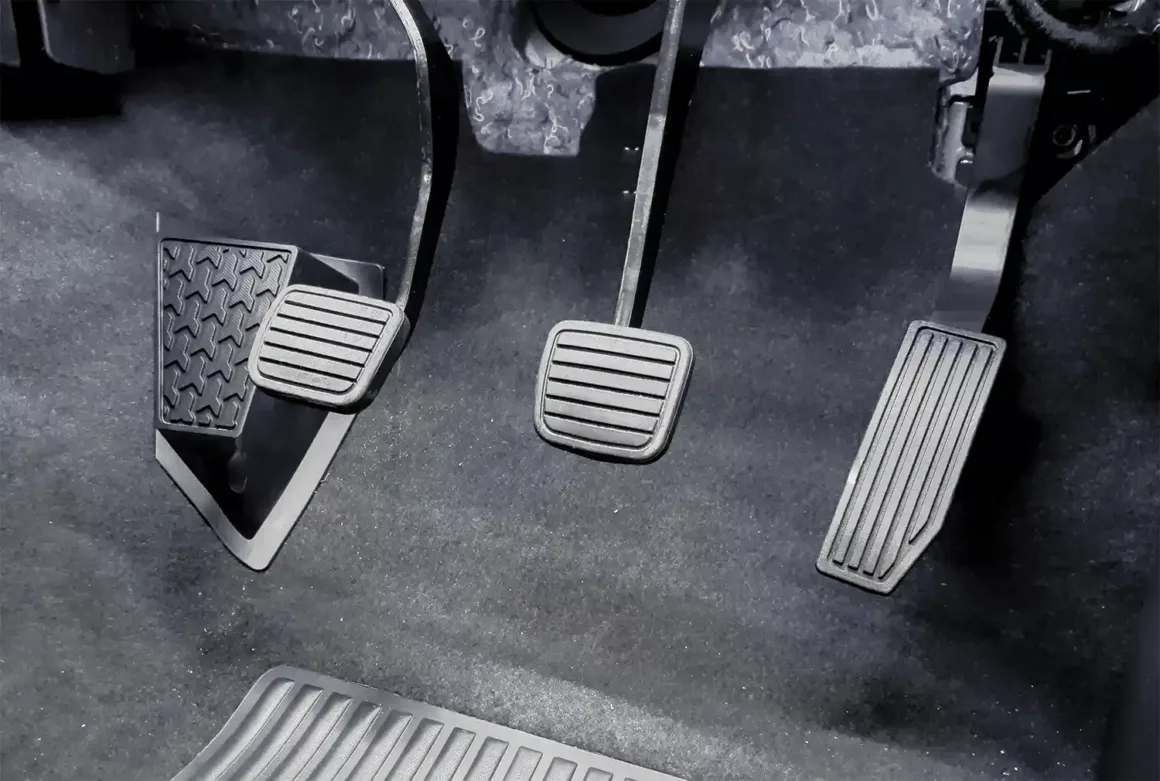
When you shift gears in a car with a manual transmission, you use the clutch every time you push the pedal. It may seem like a normal part of driving, but it’s a carefully timed mechanical action that is important for how a car works.
Why is the Clutch Important in a Car?
The clutch in the car is not easily visible, but it plays a very crucial role in the functioning of the car.
- Helps with Smooth Gear Changes: It disconnects the engine and gearbox during gear changes, preventing grinding or jerky movements.
- Manages Power Flow: During the starting, stopping, and acceleration of the vehicle clutch regulates the power sent towards the wheels.
- Averts Engine Stall: Stops the engine from stalling when you’re at a standstill by disconnecting it at just the right time.
- Protects the Transmission: It absorbs shock during gear changes, protecting vital transmission parts from damage.
If there were no gearbox in the car, every gear change would feel like a battle between a man and a machine.
How Does the Clutch Work?
Despite being a mechanical part, the clutch operates on a simple principle of friction. Here’s a step-by-step breakdown of how a clutch works:
1. Engaged Position (Clutch Pedal Released):
When you release the pedal, the pressure plate presses the clutch disc tightly against the flywheel, allowing power to pass through. This allows power to flow from the engine to the gearbox and then to the wheels.
2. Disengaged Position (Clutch Pedal Pressed):
Pushing the clutch pedal moves the pressure plate back, releasing the disc and pausing power transmission. Momentarily breaking the connection. This gives you the chance to change gears.
3. Re-engaging:
When you release the clutch slowly, the clutch disc re-establishes contact with the flywheel, and power resumes flowing to the wheels.
To understand how a car clutch works, here is a list of key components of the system. The functions of the components are as follows:
• The clutch pedal, which is the one actuated by the driver to disengage the clutch.
• A flywheel, which is the one that remains attached to the engine shaft and rotates with it.
• The friction surface that manages power transfer.
• Moves the clutch mechanism when the pedal is pressed.
Types of Clutch Systems in Cars
Different vehicles demand different clutch types, from city hatchbacks to performance bikes :
1. Single Plate Clutch
Common in most manual cars. It has only one clutch disc, which makes it the easiest, most reliable, and least expensive.
2. Multiplate Clutch
More clutch plates mean better torque handling and quicker gear shifts. People commonly use it in performance automobiles or bikes that need to change gears quickly.
3. Hydraulic Clutch
Instead of a cable, this clutch employs hydraulic fluid to engage and disengage. The clutch feels smooth because hydraulic actuation requires less pedal effort and offers smoother engagement.
4. Automatic Clutch (in AMT cars)
It does not require a clutch pedal. The mechanism electrically connects and disconnects the clutch, making it feel like an automatic.
Common Signs of Clutch Problems
Just like brakes or tyres, your car’s clutch also has a shelf life. Early diagnosis can help you avoid costly repairs. Watch out for these signs:
- The clutch pedal feels too soft or too stiff
- Trouble shifting gears
- RPMs go up, but your speed doesn’t
- Notice a sharp burnt smell under the hood? That’s often a sign your clutch is overheating.
- Vibration or jerking during acceleration
Ignoring these signs could lead to complete clutch failure and an immobilised vehicle.
How to Maintain a Car Clutch
Good driving habits and conditions can help in maintaining a car’s clutch life anywhere between 50,000 – 100,000 km:
- Avoid riding the clutch: Don’t use the clutch pedal as a footrest; keeping pressure on it even slightly can wear it out faster than expected.
- Shift to neutral if you’re stopping for long: When at a halt, put the car in neutral instead of pressing the clutch.
- Change gears when your engine speed is just right. This takes stress off the clutch and gives a smoother drive.
- Regular servicing: Always get your clutch inspected at regular intervals.
These good habits while driving will help you keep your clutch healthy.
Clutch in Manual vs Automatic Cars
In manual transmission cars, the clutch is manipulated by the driver and is necessary for driving. In fully automatic cars, traditional clutch pedals are absent. The system either automates the clutch function, in automatics with a torque converter or CVTs, it can remove the clutch completely, in an AMT, or clutch-less manual, and a DCT gearbox, it can automate clutch operation.
While automatic cars are on the rise, many traditional drivers prefer manuals due to their level of power and control, both of which are anchored in the clutch.
Summary
The clutch is the unsung hero of manual cars. It keeps your drive smooth, your gearbox safe, and your control intact between the engine and wheels, letting you shift gears smoothly. It mainly stops the engine from stalling, controls how much power is sent to the wheels, protects the gearbox from wear and tear, and makes it easier to change gears by cutting off power flow for a short time.
If your clutch is worn out, you might notice that the pedal feels spongy, that it’s hard to shift gears, that it smells like burning, that it vibrates when you speed up, or that your engine revs but doesn’t go faster. To keep your clutch in good shape, you shouldn’t “ride the clutch,” which means sitting with the clutch squeezed at traffic lights, changing at the appropriate RPMs, and getting the clutch serviced on a regular basis.
FAQs About Clutch Functions in a Car
Q. What is the main function of a clutch in a car?
Ans: To help with smoother gear changes by engaging and disengaging the transmission.
Q. How do I know if my clutch needs replacement?
Ans: If gear changes feel rough, or you notice slipping and a burnt smell, your clutch might be on its last legs.
Q. Is clutch replacement expensive?
Ans: The cost of a clutch can vary from vehicle to vehicle. For an entry-level car, it can cost around Rs 8000-10,000, whereas for a high-end car, it can cost around Rs 30,000.
Q. Can I drive with a worn-out clutch?
Ans: A worn-out clutch can be dangerous for your car’s transmission.
Q. How can I make my clutch last longer?
Ans: Regular servicing and not riding the clutch can help with better clutch life.