India is preparing for a full rollout of E20 fuel, 20% ethanol blended with petrol, by 2025. For car owners, this shift influences performance, fuel efficiency, warranty, and resale value. To comply with the mandate, Volkswagen has upgraded its petrol-powered lineup to be E20-ready, ensuring durability and safe operation with higher ethanol blends.
This blog explores E20 fuel, Volkswagen’s model-wise compatibility, warranty guidelines, and what the transition means for existing and new customers.
Table of Contents
What is E20 fuel?
E20 fuel is a blend of 20% ethanol and 80% petrol. Ethanol is a biofuel derived from crops like sugarcane and corn, making it renewable and more environmentally friendly than pure fossil fuels.
Ethanol has a higher octane rating, which helps reduce engine knocking, but it also carries a lower energy density, leading to a small drop in mileage. Because ethanol is more corrosive and absorbs moisture, vehicles need specially designed seals, gaskets, and fuel lines to handle it safely.
India has already transitioned from E5 to E10 nationwide, and the government’s goal is to achieve 100% E20 rollout by 2025. Automakers like Volkswagen have upgraded their petrol cars to meet these norms, ensuring that customers can use E20 fuel without impacting performance or warranty.
Volkswagen Cars Compatible with E20 Fuel
Volkswagen India has aligned its petrol-powered lineup with the BS6 Phase 2 norms (April 2023), ensuring E20 fuel compatibility across its models. This means all new Volkswagen petrol cars sold from April 2023 onwards are designed with ethanol-resistant components and engine calibrations suitable for E20.
For owners of pre-2023 vehicles, compatibility depends on model year, and customers are advised to confirm with dealerships before refueling with E20. Diesel models in Volkswagen’s portfolio are unaffected by ethanol mandates.
Overview Table: Volkswagen E20-Ready Cars
| Model | E20 Introduction Year |
| Polo (Petrol, final BS6 versions) | April 2023 |
| Virtus | April 2023 |
| Taigun | April 2023 |
| Tiguan | April 2023 |
Volkswagen Polo (Petrol, Final BS6 Versions)
The Volkswagen Polo, though discontinued in 2022, had its final BS6 petrol versions upgraded to meet emission and fuel standards. These models are compatible with E20 fuel from April 2023 onwards, ensuring safe use for existing owners.
- Engine: 1.0L TSI turbo-petrol
- Transmission: 6-speed manual / 6-speed automatic
- Mileage: ~16-18 kmpl (ARAI)
- Fuel type: Petrol, E20-ready from April 2023
- Variants: Trendline, Comfortline, Highline Plus, GT
Warranty Guidelines for Polo on E20 Fuel
| Model | Warranty Period |
| Polo Petrol (Apr 2023 onwards) | 4 years / 1,00,000 km (standard) + extended warranty up to 7 years |
Volkswagen Virtus
The Volkswagen Virtus is the brand’s premium mid-size sedan, introduced in 2022 as a replacement for the Vento. It offers a spacious cabin, modern features, and a choice of efficient petrol engines.
- Engine: 1.0L TSI turbo-petrol / 1.5L TSI EVO turbo-petrol
- Transmission: 6-speed manual, 6-speed torque converter automatic, 7-speed DSG (1.5L)
- Mileage: ~18-19 kmpl (1.0L) / ~18 kmpl (1.5L with ACT)
- Fuel type: Petrol, E20-ready from April 2023
- Variants: Comfortline, Highline, Topline, GT Plus
Warranty Guidelines for Virtus on E20 Fuel
| Model | Warranty Period |
| Virtus (Apr 2023 onwards) | 4 years / 1,00,000 km (standard) + extended warranty up to 7 years |
Volkswagen Taigun
The Volkswagen Taigun is a compact SUV built on the MQB-A0-IN platform, sharing its base with the Virtus. It’s designed for Indian roads with strong performance, premium interiors, and advanced safety.
- Engine: 1.0L TSI turbo-petrol / 1.5L TSI EVO turbo-petrol
- Transmission: 6-speed manual, 6-speed automatic, 7-speed DSG (1.5L)
- Mileage: ~18-19 kmpl (1.0L) / ~17-18 kmpl (1.5L with ACT)
- Fuel type: Petrol, E20-ready from April 2023
- Variants: Comfortline, Highline, Topline, GT, GT Plus
Warranty Guidelines for Taigun on E20 Fuel
| Model | Warranty Period |
| Taigun (Apr 2023 onwards) | 4 years / 1,00,000 km (standard) + extended warranty up to 7 years |
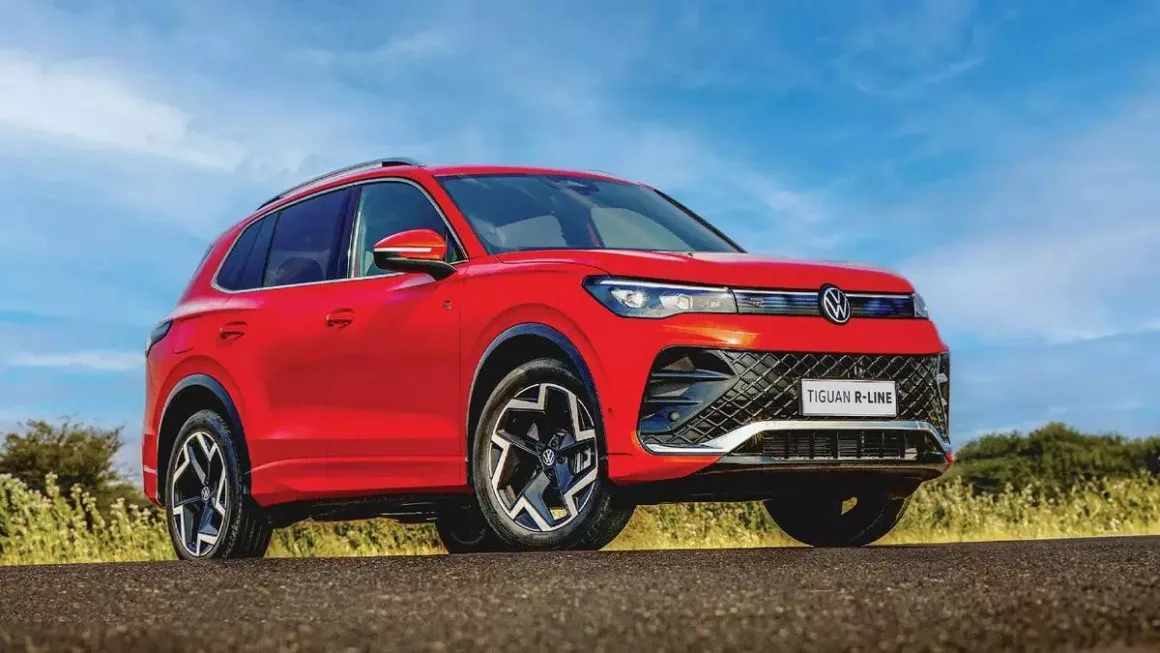
Volkswagen Tiguan
The Volkswagen Tiguan is the brand’s flagship SUV in India, offering premium comfort, strong performance, and advanced features. Its BS6 Phase 2 petrol variant is tuned for E20 fuel compliance.
- Engine: 2.0L TSI turbo-petrol
- Transmission: 7-speed DSG automatic with 4MOTION AWD
- Mileage: ~12-13 kmpl (ARAI)
- Fuel type: Petrol, E20-ready from April 2023
- Variants: Elegance
Warranty Guidelines for Tiguan on E20 Fuel
| Model | Warranty Period |
| Tiguan (Apr 2023 onwards) | 4 years / 1,00,000 km (standard) + extended warranty up to 7 years |
How to Check if Your Volkswagen Car is E20-Compatible
Although all Volkswagen petrol models manufactured from April 2023 onwards are E20-ready, owners of earlier cars should verify before using ethanol-blended petrol. Here are the most reliable ways to check:
- Owner’s Manual – The manual specifies recommended fuel type and clearly mentions E20 readiness for newer models.
- Fuel Lid Sticker – Most E20-compatible Volkswagens have “E20” marked on the inside of the fuel cap or lid area.
- Dealership Check – Volkswagen service centres can confirm compatibility using the VIN (Vehicle Identification Number) linked to your car.
- Official Announcements – Volkswagen India issues press releases and product brochures highlighting compliance with BS6 Phase 2 and E20 fuel standards.
Impact of E20 on Volkswagen Cars
Adopting E20 fuel affects cars differently depending on whether they are certified for it. For Volkswagen’s E20-ready models (Apr 2023 onwards), the impact has been accounted for in design and calibration.
- Mileage: Ethanol has lower energy density, so a slight reduction in fuel efficiency (≈2-4%) is expected compared to E10. Volkswagen engines have been tuned to minimise this effect.
- Performance: Thanks to ethanol’s higher octane rating, knocking is reduced, and power delivery remains smooth in compliant cars.
- Engine Wear: Ethanol attracts moisture and can corrode seals and gaskets in non-compatible engines. Volkswagen’s E20-certified cars use ethanol-resistant parts to ensure long-term reliability.
- Resale Value: As India transitions fully to E20 by 2025, owning an E20-ready Volkswagen will likely improve resale prospects compared to older, non-compliant models.
Summary
India’s move toward E20 fuel by 2025 is a key step in reducing emissions and oil imports. For Volkswagen owners, compatibility directly affects efficiency, durability, and warranty.
All Volkswagen petrol models manufactured from April 2023 onwards, including the Virtus, Taigun, Tiguan, and final BS6 Polo versions, are certified E20-ready. These cars feature ethanol-resistant parts and tuned engines to handle the blend without performance or warranty concerns. Owners of older petrol Volkswagens should continue with E10 until official upgrade guidance is provided.
With this readiness, Volkswagen drivers can adopt E20 confidently, knowing their cars are future-proof.
FAQs
1. What is E20 fuel and why is India adopting it?
E20 is petrol blended with 20% ethanol. India is introducing it nationwide by 2025 to reduce crude oil imports, support farmers, and cut carbon emissions.
2. Are all Volkswagen cars E20-compatible?
No. Only petrol Volkswagen models manufactured from April 2023 onwards (Virtus, Taigun, Tiguan, Polo BS6 Phase 2) are certified E20-ready. Older models remain E10-compatible.
3. Will E20 fuel reduce mileage in my Volkswagen?
Yes, a 2-4% drop in mileage is possible since ethanol has lower energy density than petrol. Volkswagen has optimised its engines to minimise this effect.
4. Does E20 fuel affect warranty on Volkswagen cars?
For certified models (Apr 2023 onwards), E20 use is fully covered under warranty. Using it in older, non-certified Volkswagens may affect warranty claims.
5. How can I confirm if my Volkswagen is E20-ready?
Check your owner’s manual, look for an E20 sticker on the fuel lid, or confirm with a Volkswagen dealer using your VIN. Official press releases and brochures also list E20 compliance.
1. What is E20 fuel and why is India adopting it?
E20 is petrol blended with 20% ethanol. India is introducing it nationwide by 2025 to reduce crude oil imports, support farmers, and cut carbon emissions.
2. Are all Volkswagen cars E20-compatible?
No. Only petrol Volkswagen models manufactured from April 2023 onwards (Virtus, Taigun, Tiguan, Polo BS6 Phase 2) are certified E20-ready. Older models remain E10-compatible.
3. Will E20 fuel reduce mileage in my Volkswagen?
Yes, a 2-4% drop in mileage is possible since ethanol has lower energy density than petrol. Volkswagen has optimised its engines to minimise this effect.
4. Does E20 fuel affect warranty on Volkswagen cars?
For certified models (Apr 2023 onwards), E20 use is fully covered under warranty. Using it in older, non-certified Volkswagens may affect warranty claims.
5. How can I confirm if my Volkswagen is E20-ready?
Check your owner’s manual, look for an E20 sticker on the fuel lid, or confirm with a Volkswagen dealer using your VIN. Official press releases and brochures also list E20 compliance.