These days, buying a used car has become an intelligent decision for car buyers in the country. Rising new-car model costs and taxes, as well as long waiting lists for popular models like the Hyundai Santa Fe and Hyundai Verna, have made used cars a better investment. But what comes with every used car?
The answer includes the car’s age and the driving pattern of the car’s last owner. Like a brand-new car needs your attention, a used car needs all the attention it can get, if not more. That’s where the role of used car maintenance tips comes into play. In this article, we’ll discuss what used car owners should do.
Table of Contents
Why Maintenance Matters More for Used Cars
Buying a second-hand car can be very satisfying, but it also comes with a lot of responsibility. Since important parts of the car have already covered thousands of kilometres, negligence on your part may lead to bigger problems. Maintaining your car properly may help prevent these problems. This helps you retain your car’s performance and value, given the nature of roads in India.
Here’s why staying on top of maintenance matters more than ever:
- Wear and Tear Is Already Present: Key components such as the engine, transmission, suspension, tyres, and brakes have been used regularly. Skipping maintenance shortens their remaining lifespan.
- Deferred Maintenance Costs More: Ignoring small issues, such as minor leaks or overdue oil changes, can escalate into major repairs, including seized engines, worn clutch plates, or failed brakes.
- Resale Value Depends on Care: A well-maintained service history increases your car’s resale value and buyer confidence when it’s time to upgrade.
- Indian Conditions Accelerate Wear: Hot weather, rough roads, and heavy traffic mean parts age faster; dust and humidity can corrode systems if not checked regularly.
- Fluids and Battery Need Regular Checks: For older vehicles, engine oil, coolant, and brake fluid must be replaced periodically, while batteries and tyres require closer inspection for performance and safety.
- Use Only Genuine Parts: Original parts and recommended fluids ensure compatibility and longevity, preventing unexpected failures that cheap alternatives often cause.
Routine attention to these areas may feel like an extra effort, but it’s what keeps your used car reliable, efficient, and enjoyable to drive for years to come.
Key Maintenance Areas & What to Focus On
Taking good care of the car helps you maintain it, extend its lifespan, and avoid unexpected expenses. More importantly, it helps you enjoy stress-free ownership and driving. Regardless of whether you purchased a compact car for commuting around the city or an SUV for road trips with your family, here are the things you should focus on.
Below are the key maintenance zones every used-car owner should monitor closely; each one plays a vital role in how well your car runs, feels, and lasts.
Engine & Oil System
The engine is the core of your car’s performance. It’s also one of the first areas to show signs of neglect, especially in older vehicles.
- Regular Oil and Filter Changes: Fresh oil reduces friction and keeps internal components cool. Dirty or old oil, on the other hand, can clog filters and increase wear. Always change both the oil and the filter at the recommended intervals.
- Use the Right Oil Grade: Older engines tend to benefit from slightly thicker oil, which can improve sealing, reduce oil burning, and ensure smoother operation.
- Watch for Warning Signs: Look out for unusual engine noise, knocking sounds, oil smoke, or dashboard warning lights; these may indicate lubrication or internal damage issues.
- Quick Check: Inspect oil level and colour monthly using the dipstick. Thick, dark oil means it’s due for a replacement.
Fluids & Consumables
Fluids are essential for cooling, braking, and smooth gear shifts. Over time, they degrade or become contaminated, even if the car isn’t driven often.
- Coolant & Brake Fluid Replacement: Coolant prevents overheating, while brake fluid ensures proper pressure in the braking system. Replace both every 2–3 years or as advised in your manual.
- Transmission & Power Steering Oil: Smooth gear changes and effortless steering depend on these fluids. Neglecting them can lead to jerky shifts or steering stiffness.
- Look Out for Leaks: Small puddles under your car or a sweet, burnt smell could indicate fluid leakage, an early sign that something needs immediate attention.
- Clutch & Hydraulic Lines: Check for cracks or leaks; air entering these systems can cause spongy brakes or a weak clutch response.
Tyres, Brakes & Suspension
These are your car’s safety anchors, directly influencing control, stability, and stopping power.
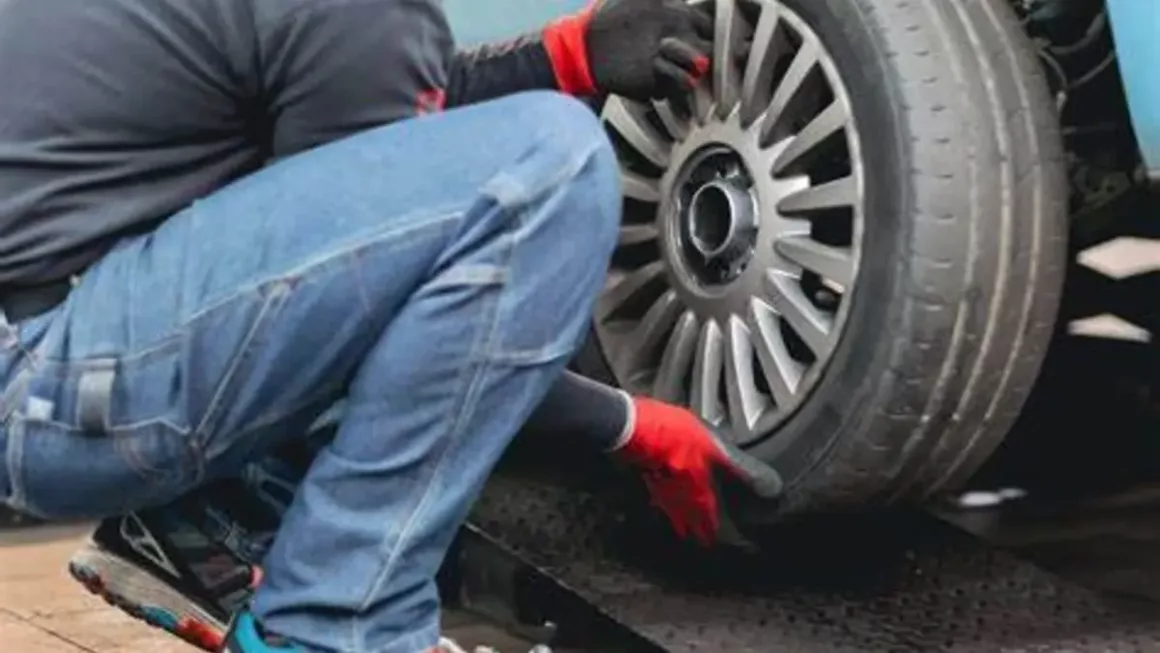
- Tyres: Inspect for tread depth, cracks, and bulges. Rubber hardens over time, reducing grip. Uneven tread wear usually points to alignment or suspension problems.
- Brakes: Worn brake pads or discs can reduce braking efficiency or increase stopping distance. Replace them as soon as you hear squealing or feel vibration while braking.
- Suspension: A rough or bouncy ride often indicates worn shocks or bushings. Ignoring this not only affects comfort but also accelerates tyre wear and steering issues.
Battery & Electrical System
A weak battery or faulty electrical system can leave you stranded without warning. Regular checks ensure reliable performance and smooth starts.
- Battery Health: If your car struggles to start or accessories like power windows slow down, it’s time to check your battery. Most last around 3–4 years.
- Clean Terminals: Corrosion at the terminals can block current flow. Cleaning them periodically keeps the system efficient.
- Wiring & Lights: Ensure that all bulbs, indicators, and interior lights function properly. Damaged wiring or loose connections can lead to costly electrical repairs later.
- Charging System: During every service, have the alternator and voltage output tested to ensure the battery is charging correctly.
Body, Paint & Interiors
A car that looks cared for feels better to drive, retains higher resale value beyond aesthetics, and protects against long-term damage through proper exterior and interior upkeep.
- Exterior Protection: Wash and wax regularly to prevent paint oxidation. Avoid harsh detergents or direct sunlight when cleaning your car.
- Rust Control: Keep an eye on the underbody, wheel arches, and door sills, especially during and after the monsoon. Treat any signs of rust early to prevent spreading.
- Interior Cleanliness: Clean the cabin frequently; dust buildup can damage switches and vents. Use mild cleaners to maintain the upholstery and dashboard condition.
- Comfort and Features: Regularly check AC vents, seat adjustments, window switches, and lights. Keeping them functional enhances the overall experience.
Service History & Documentation
Even if your car is mechanically sound, having a clear service record is equally important for long-term ownership.
- Check Past Records: Review old invoices to see what work has been done and which parts have been replaced. This helps avoid redundant repairs.
- Spot Missed Services: If the car’s last service was a long time ago, schedule a full inspection to get it back on track.
- Maintain Your Own Log: Record every oil change, tyre rotation, or repair going forward. This not only helps with timely maintenance but also improves resale credibility when it’s time to sell.
Your Used Car Maintenance Schedule
Having a used car is about staying ahead of the wear and tear that comes with it. Given that a used car has already undergone some wear and tear over the years of driving, the maintenance schedule for these vehicles is marginally tighter than for new cars.
For a used car, the service interval may vary depending on the car’s age and mileage. For cars that travel extensively through India’s stop-and-go traffic conditions, poor road conditions, and high temperatures, you should service them more often. In addition, once your car reaches five years of age or 60,000 kilometres, it’s always a good idea to compress those service cycles. The car service checklist that follows helps you organise your car service schedule.
Used Car Maintenance Timeline
| Interval | Key Tasks | Purpose |
| Every Fuel Fill / Weekly | Check oil level, tyre pressure, and lights | Ensures proper lubrication, grip, and visibility |
| Monthly | Inspect coolant and washer fluid, clean battery terminals | Prevents overheating, corrosion, and electrical issues |
| Every 6 Months / 5,000–10,000 km | Change oil & filter, rotate tyres, inspect brakes | Keeps the engine healthy and ensures even tyre wear |
| Every Year / 10,000–20,000 km | Replace air and cabin filters, top up fluids, check belts and hoses | Maintains efficiency and prevents leaks or cracks |
| Every 2–3 Years / 20,000–40,000 km | Change brake fluid and coolant, test the battery, and inspect the suspension | Refreshes critical systems and prevents sudden failures |
| Every 4–5 Years / 60,000–80,000 km | Replace transmission oil, fuel filter, and inspect timing belt | Extends drivetrain life and prevents costly breakdowns |
| Before Monsoon / After Monsoon | Check wipers, underbody, seals, tyre tread | Protects against rust, leaks, and water damage |
| Before Long Trips | Inspect fluids, spare tyre, brakes, and tool kit | Ensures reliability and safety on extended drives |
Why It Matters
Following a regular service schedule helps you identify problems early enough before they become costly. Tasks such as checking tyre pressure or topping up the cooling system may seem like minor jobs. These actions help keep your car in the best condition. In second-hand cars, even the smallest oversight can accelerate wear and tear on components such as the suspension and cooling systems.
To get the most out of your schedule:
- Start fresh after purchase. Do a comprehensive “baseline” service that includes oil and filter change, coolant and brake fluid replacement, wheel alignment, and battery testing.
- Track everything. Maintain a digital log of every service and part replacement to stay organised and preserve resale value.
- Listen to your car. Unusual noises, reduced power, or vibrations often mean it’s time for an early visit to the workshop.
- Adapt the schedule. City-driven cars face more stress than highway ones; adjust the frequency based on your usage and environment.
By following this structured timeline, you can extend the life of your used car, keep maintenance costs predictable, and enjoy worry-free drives for years to come.
Planning Your Maintenance Budget Wisely
One of the largest benefits of purchasing a used car is the lower upfront costs. That being said, just because you have lower initial costs doesn’t mean that you should overlook them altogether. All cars, whether new or used, need constant upkeep. The only thing that differs about used cars is that you’re essentially playing catch-up on several years of wear and tear. That said, it may be slightly pricier in your first year.
Consider maintenance as an outlay of money rather than an investment that benefits your car. Investing your money now may save you from costly services later. This is the way you may organise your expenditure on car maintenance:
Start With a Baseline Service
When you buy a car, it is always important to assume that everything in it may not be in pristine working order, despite sound servicing. Consider getting a full service at the initial purchase.
This should include:
- Engine oil and filter replacement
- Coolant and brake fluid flush
- Tyre rotation and wheel alignment
- Battery health test
- Comprehensive inspection for leaks, belts, and hoses
The baseline service helps you reset the car’s maintenance cycle and identify any pending repairs left by the previous owner.
Set Aside an Annual Maintenance Fund
For the average used car in India, the annual upkeep budget can range from ₹8,000 to ₹15,000, depending on the car model and age. For high-performance cars or diesel cars, it may be marginally higher due to higher component costs. For a simple, easy-to-calculate car upkeep fund allocation formula, it’s recommended that 1-1.5% of your car’s current value be set aside annually.
Anticipate Wear-and-Tear Costs
Certain parts wear out faster in used cars and should be budgeted for in advance.
- Tyres: Typically last 40,000–50,000 km. Replacement costs range from ₹12,000 to ₹30,000, depending on the size.
- Battery: Average life is 3–4 years. Replacement costs are between ₹ 4,000 and ₹ 8,000.
- Brake Pads: Need to be changed every 25,000–35,000 km. Expect ₹2,000–₹5,000 per set.
- Suspension Components: Bushings and shock absorbers can last 60,000–80,000 km, but replacements cost ₹8,000–₹20,000.
Knowing these approximate figures helps you plan rather than face sudden, large repair bills.
Choose the Right Service Centre
While accredited car workshops ensure quality and reliability, independent car garages can offer comparable service quality at affordable rates. The trick here lies in consulting an honest car professional who utilises genuine parts or those of equal quality. For classic cars, it may prove extremely helpful.
Before approving any major repair, always ask for:
- A written estimate with part names and labour charges
- The return of old parts after replacement
- The warranty details for new components
Transparency ensures you’re getting value for every rupee spent.
Track and Plan for Upcoming Expenses
Maintaining a simple log of upkeep work done on your car can work wonders. Mark down every service and component replacement performed, as well as the next service due. In addition to helping you organise your financial expectations, such records improve the long-term value of your car.
It’s always a good idea to review your car’s service records every six months to see what’s due in the next recommended cycle: Fluids? Filters? Tyres? Major overhauls?
Keep an Emergency Buffer
No matter how well you plan for your car expenses, there may be times when your car expenses surprise you. In addition to your initial emergency fund, set aside another ₹5,000 to ₹10,000 for an emergency fund that may include unexpected car troubles such as alternator blows, AC leakage, or electrical malfunctions.
Balance Quality and Cost
Cheap spares or an untrained mechanic may seem very attractive, but substandard spares can lead to repeated malfunctions. Quality always comes first. Investing a bit higher may translate to longer periods and fewer return visits to the workshop.
Common Mistakes to Avoid & Smart Ownership Tips
Despite proper maintenance, used cars may encounter problems stemming from overlooked details. These issues may not be attributed to defective components but may result from neglecting details that seem important. The good news here is that it’s easy to avoid such mistakes once you’re aware of them.
For used cars, certain things must remain consistent. For example, skipping an appointment at the service centre may seem like a small thing at first, but it can pose bigger problems in the future. Continue reading to learn some of the mistakes used car owners should avoid.
Ignoring Warning Lights and Sounds
The blinking lights on your dashboard represent your car’s form of communication. Many car owners often overlook the check engine or oil pressure light on the dashboard and assume it’s normal. This represents some of the most expensive mistakes that you can ever commit.
- Why it’s a problem: Ignoring these warnings can lead to severe engine damage, transmission failure, or brake system malfunction.
- Smart move: Address dashboard alerts immediately. A quick diagnostic scan can pinpoint the issue early and save you from expensive repairs.
Delaying Regular Servicing
The used car has tighter tolerances, which means it has wear. Hence, it needs immediate upkeep. Postponing an oil change, brake checks, or forgoing filter replacement Reduces The life of primary parts.
- Why it’s a problem: Delayed servicing leads to oil sludge, clogged filters, and accelerated wear on mechanical parts.
- Smart move: Stick to a time-based schedule rather than waiting for mileage milestones, especially if you drive short distances or in traffic-heavy cities.
Using Cheap or Non-Genuine Parts
Saving a few hundred rupees on spares might feel satisfying in the moment, but non-genuine parts rarely meet factory standards. They wear out faster and can cause further damage to connected systems.
- Why it’s a problem: Low-quality parts affect performance, fuel efficiency, and safety.
- Smart move: Always opt for OEM or high-quality aftermarket parts from trusted sources. This ensures better fit, durability, and warranty coverage.
Overlooking Tyres and Wheel Alignment
Tyres are often ignored until they puncture or lose grip, but they play a crucial role in braking, fuel efficiency, and ride comfort.
- Why it’s a problem: Uneven tyre wear or poor alignment can affect handling and strain the suspension.
- Smart move: Check tyre pressure weekly, rotate tyres every 10,000 km, and get wheel alignment done after every service or whenever the car feels unstable.
Neglecting Fluid Replacements
Fluids aren’t meant to last forever. Old brake fluid, coolant, or gearbox oil can lose its properties, putting key systems at risk.
- Why it’s a problem: Contaminated or old fluids lead to overheating, weak brakes, and mechanical wear.
- Smart move: Replace all major fluids—engine oil, coolant, brake, and transmission fluids—at the recommended intervals, even if the car hasn’t clocked high mileage.
Forgetting About the Battery
Car batteries degrade over time, not just from use. Many used-car owners experience sudden starting issues because they never checked the battery’s condition.
- Why it’s a problem: A weak battery strains the alternator and affects electronic systems.
- Smart move: Test your battery’s charge every six months and replace it every 3–4 years. Keep terminals clean and ensure the alternator is charging properly.
Ignoring Small Leaks or Minor Issues
A few drops of oil or coolant under the car might seem trivial, but they can signal bigger problems developing underneath.
- Why it’s a problem: Small leaks can quickly escalate into major repairs like gasket failures or overheating.
- Smart move: Get leaks inspected early. It’s cheaper to replace a small seal or hose than to repair a full system later.
Not Keeping Records
Maintenance history is the backbone of long-term car care. Without records, it’s hard to track when parts were replaced or what’s due next.
- Why it’s a problem: Missed schedules lead to redundant or delayed maintenance.
- Smart move: Maintain a logbook or digital tracker for every oil change, tyre rotation, and repair. It also boosts resale value when you decide to upgrade.
Driving Habits That Speed Up Wear
Your driving style directly affects your car’s longevity. Sudden acceleration, harsh braking, and riding the clutch all wear out components faster.
- Why it’s a problem: Aggressive driving increases stress on the engine, transmission, and brakes, leading to frequent repairs.
- Smart move: Drive smoothly, maintain steady speeds, and avoid unnecessary idling. A calm driving style keeps both fuel costs and wear levels low.
Skipping Pre-Monsoon and Post-Monsoon Checks
India’s climate can be unforgiving to vehicles. Water seepage, rust, and electrical short circuits are common after the rains.
- Why it’s a problem: Moisture and humidity damage underbody parts, seals, and wiring.
- Smart move: Before monsoon, get your underbody coated, check door seals, and replace wipers. After the rains, wash the underbody and inspect for rust or clogged drain channels.
By being mindful of these minor but expensive mistakes, you’ll be able to maintain your used car well for years to come. The wiser you become on preventive maintenance, the less you’ll have to spend on corrective work and the prouder you’ll be every time you get behind the wheel.
Summary
Taking care of a used car is quite easy. All it needs is consistency, vigilance, and preventive measures. Many routine jobs, such as oil changes, fluid changes, tyre rotations, and brake checks, help keep your car in the best condition even after several years of service. Just monitoring it very closely prevents hefty expenses.
Although it may seem like an easy aspect of car ownership to overlook, properly caring for your used car can ensure that it provides you with smooth rides, higher fuel efficiency, and fewer unexpected visits to the car workshop. More than that, by properly maintaining your used car, it can actually serve you for a much longer period of time and retain more value when it comes to replacing or upgrading your car.
FAQs: Best Maintenance Practices
Q: How often should I service my used car?
It’s best to service your used car every 6 months or 5,000–10,000 km, depending on your driving habits and local conditions.
Q: What should I check first after buying a used car?
Begin with a full service that includes an oil and filter change, brake and tyre inspection, battery test, and a general fluid top-up to reset your maintenance schedule.
Q: How can I make my used car last longer?
Follow regular maintenance schedules, drive smoothly, use genuine parts, and get small issues checked before they turn into expensive repairs.
Q: When should I replace fluids in a used car?
Replace engine oil every 6 months, brake and coolant fluids every 2–3 years, and transmission oil as per the manufacturer’s recommendation.
Q: How do I keep maintenance costs under control?
Set aside an annual maintenance budget, track service history, and choose a trusted local mechanic who uses quality parts at reasonable rates.