For Indian car buyers, brand reputation and trust are of paramount importance. Tata and Mahindra are two homegrown automakers that are often compared. Both brands have carved out strong identities, yet their approaches to design, performance, and value differ.
Tata is associated with its safety features, contemporary designs, value-for-money products, and electric mobility drive. Mahindra is, however, a household name for rugged SUVs, off-road prowess, and strong performance. Despite these differences, both brands appeal to Indian buyers seeking durable and reliable cars.
What’s interesting about this comparison is that both companies offer a broad range of petrol, diesel, and electric vehicles, but their emphasis differs somewhat. Tata is more inclined towards technology, efficiency, and family-oriented comfort, whereas Mahindra is more about power, practicality, and adventure-styled SUVs.
In this guide, we’ll compare Tata and Mahindra on model lineups, prices, performance, and fuel mileage. Keep reading for an in-depth analysis of the two.
Tata vs Mahindra: Model Line-up & Price
Both Tata and Mahindra target Indian buyers with a wide range of models, encompassing hatchbacks, sedans, SUVs, pickups, and electric cars. Tata offers a total of 16 models in India, comprising 4 hatchbacks, 2 sedans, 9 SUVs, and 1 pickup vehicle.
There are 15 models by Mahindra, of which 12 are SUVs, 2 pickups, and 1 MUV. Following is an overview of their existing models and ex-showroom prices:
| Tata Cars | Ex-Showroom Price | Mahindra Cars | Ex-Showroom Price |
| Tata Nexon | ₹7.32 – ₹14.05 Lakh | Mahindra Scorpio N | ₹13.20 – ₹24.17 Lakh |
| Tata Punch | ₹5.50 – ₹9.30 Lakh | Mahindra Thar ROXX | ₹12.25 – ₹22.06 Lakh |
| Tata Tiago | ₹4.57 – ₹7.82 Lakh | Mahindra Thar | ₹10.32 – ₹16.61 Lakh |
| Tata Altroz | ₹6.30 – ₹10.51 Lakh | Mahindra Scorpio | ₹12.98 – ₹16.70 Lakh |
| Tata Harrier | ₹14.00 – ₹25.25 Lakh | Mahindra XUV700 | ₹13.66 – ₹23.71 Lakh |
| Tata Curvv | ₹9.66 – ₹18.85 Lakh | Mahindra Bolero | ₹8.79 – ₹9.78 Lakh |
| Tata Safari | ₹14.66 – ₹25.96 Lakh | Mahindra XUV 3XO | ₹7.28 – ₹14.40 Lakh |
| Tata Punch EV | ₹9.99 – ₹14.44 Lakh | Mahindra BE 6 | ₹18.90 – ₹27.79 Lakh |
| Tata Harrier EV | ₹21.49 – ₹30.23 Lakh | Mahindra XEV 9e | ₹21.90 – ₹31.25 Lakh |
| Tata Nexon EV | ₹12.49 – ₹17.49 Lakh | Mahindra Bolero Neo | ₹8.92 – ₹10.90 Lakh |
| Tata Tiago EV | ₹7.99 – ₹11.14 Lakh | Mahindra Bolero Camper | ₹9.22 – ₹10 Lakh |
| Tata Tigor | ₹5.49 – ₹8.74 Lakh | Mahindra Marazzo | ₹14.06 – ₹16.38 Lakh |
| Tata Curvv EV | ₹17.49 – ₹22.24 Lakh | Mahindra XUV400 EV | ₹15.49 – ₹17.69 Lakh |
| Tata Tiago NRG | ₹6.68 – ₹8.10 Lakh | Mahindra Bolero Neo Plus | ₹10.77 – ₹11.80 Lakh |
| Tata Tigor EV | ₹12.49 – ₹13.75 Lakh | Mahindra Bolero Pik-Up | ₹9.05 – ₹9.86 Lakh |
| Tata Yodha Pickup | ₹6.95 – ₹7.50 Lakh | – | – |
Tata vs Mahindra: Performance & Mileage
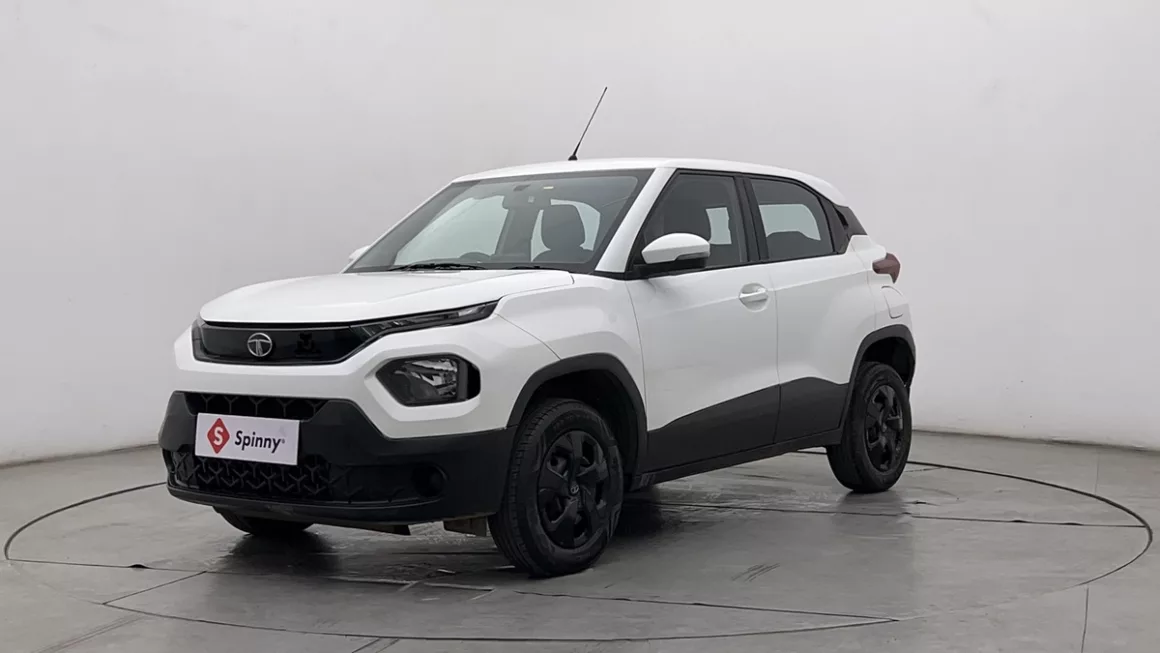
Tata and Mahindra provide petrol, diesel, and electric powertrains, but with varying tuning and efficiency focus. Tata focuses on a balance of performance and economy, with engines like the 1.2L Revotron petrol, 1.5L turbo petrol, and 2.0L Kryotec diesel being popular across hatchbacks, sedans, and SUVs.
Mahindra, on the other hand, tunes its engines for torque-biased performance and tough driving, best suited for SUVs and pickups. Its petrol and diesel engines, as well as electric models such as the BE 6 and XEV 9e, deliver good performance both on the highway and in off-road environments.
Both brands’ mileage figures are competitive, with Tata often leading in real-world efficiency and Mahindra excelling in power and utility. Following is a comparison of their top-selling engines and ARAI-tested mileage:
| Tata Powertrain | ARAI Mileage/Range | Mahindra Powertrain | ARAI Mileage/Range |
| 1.2L Petrol Manual (Tiago/Tigor) | 19–20 kmpl | 1.5L Diesel Manual (XUV 3XO) | 20–21 kmpl |
| 1.2L Petrol Automatic (Tiago/Tigor) | 19–20 kmpl | 2.0L Petrol Automatic (XUV700) | 15–17 kmpl |
| 1.5L Diesel Manual (Nexon) | 21.1 kmpl | 2.2L Diesel Automatic (Scorpio N) | 15–16 kmpl |
| 2.0L Diesel Automatic (Harrier/Safari) | 16–17 kmpl | 2.2L Diesel Automatic (Thar) | 9–15 kmpl |
| Nexon EV (Electric) | 489 km/charge | BE 6 EV (Electric) | 683 km/charge |
| Harrier EV (Electric) | 627 km/charge | XEV 9e EV (Electric) | 656 km/charge |
Tata vs Mahindra: Safety & Features
Safety is an essential factor for Indian car buyers, and both Tata and Mahindra prioritise passenger protection. The two brands have a good reputation when it comes to engineering, crash-tested platforms and advanced safety systems.
- Tata: Tata is customer-centred, and most of its models feature dual front, side, and curtain airbags, as well as ISOFIX child seat fixation. The ABS, EBD, and ESC safety systems provide stability in the event of an emergency.
Additional features, such as Blind View Monitoring, Hill Hold Control, and Overspeed Warning, also provide extra confidence in day-to-day driving. Popular models like the Nexon and Altroz have received official 5-star safety ratings from Bharat-NCAP, making them reliable for families.
- Mahindra: Mahindra cars offer rugged safety and feature seven airbags on higher models. ABS and EBD enhance braking, whereas ESP enhances stability even in challenging driving situations.
Some high-end models feature Advanced Driver-Assistance Systems (ADAS), Autonomous Emergency Braking (AEB), and lane-departure warnings to help drivers stay safe. The strong safety features complement Mahindra’s SUVs and pickups, making them ideal for off-road and adventure use.
Both brands continue to innovate, with Tata emphasising family-oriented safety and Mahindra focusing on advanced systems for adventure and performance. This variety enables buyers to select vehicles that suit their lifestyle and driving requirements.
Tata vs Mahindra: Service Network

The after-sales experience is just as vital as the vehicle itself, and both Tata and Mahindra have broad service coverage throughout India.
- Tata: Tata provides 24-hour support through its service network and Tata Alert roadside assistance. Customers can easily access help for sales, servicing, and product queries via the Customer Assistance Centre.
With a focus on transparency, convenience, and timely support, Tata makes ownership hassle-free. The brand also offers regular service reminders and extended warranty options, giving customers peace of mind for long-term ownership.
- Mahindra: Mahindra makes servicing easy with doorstep assistance, minor repairs, and vehicle washes. Extended warranties of up to 2 years or 100,000 km are provided at registration, while maintenance kits cover 2 years or 2,000 hours.
The brand focuses on reliable, rugged service solutions tailored for SUVs and pickups, along with digital service booking and clear cost structures for smooth, worry-free maintenance.
Both Tata and Mahindra have extensive after-sales networks with satisfactory availability, which inspires confidence and trust among customers.
Tata vs Mahindra: Market Perception & Resale Value
Both Tata and Mahindra hold strong positions in the Indian automobile market, with each brand commanding significant respect in its respective segment. Here’s a closer look at their market share, sales, and resale dynamics:
- For Tata
As of January 2024, Tata has a market share of 14.97%, up from 12.3% in September 2023, selling 86,125 units during that month alone. The brand leads the medium and heavy commercial vehicle market, with a staggering 48% market share in 2023.
Tata’s passenger car success is primarily based on the Nexon, Altroz, and Harrier models, while electric vehicles, such as the Nexon EV, are contributing to an increasing number of urban consumers.
Tata vehicles are highly valued for their reliability, fuel efficiency, and safety, which contribute to robust resale values. Models such as the Nexon, Punch, and Harrier have continued to enjoy steady demand in the second-hand market, making them excellent choices for long-term ownership.
- Mahindra
Mahindra held a market share of 10.9% in January 2024, selling 73,944 units during the same month. In the utility vehicle (UV) segment, Mahindra holds the largest market share of 18% as of FY23 and leads the SUV segment with a revenue of 19.1%.
The total retail sales of the Mahindra automobile industry exceeded 320,000 units during FY23. The brand equity of Mahindra lies in its rugged SUVs, pickups, and utility vehicles, which people appreciate most for their performance, strength, and off-road durability.
Resale prices are strongest for cars such as the Thar, Scorpio, and XUV700, but they do depend on usage and maintenance levels.
Both Tata and Mahindra have gained a loyal customer following based on quality, innovation, and dependability. Tata focuses on safety, technology, and urban lifestyle, whereas Mahindra prioritises ruggedness, usability, and performance.
As far as resale value is concerned, both retain a decent price, yet personal returns vary based on model, market demand, and maintenance history.
Tata vs Mahindra: Which Should You Choose?
Tata and Mahindra are India’s two most reliable home-grown automobile brands, both of which appeal to specific consumer tastes. Tata emphasises safety, contemporary styling, and family-friendly comfort, whereas Mahindra is all about rugged SUVs, off-road performance, and powerful dynamics.
Both make petrol, diesel, and electric cars, but their driving dynamics and brand imagery differ considerably. Tata is best suited for those seeking practical, safe, and well-equipped family cars. Cars such as the Nexon, Punch, and Harrier provide comfort, technology, and fuel economy.
Mahindra targets adventure seekers and SUV enthusiasts who value rugged performance and off-road capability. Models such as the Thar, Scorpio, and XUV700 offer powerful engines, torque-splendid performance, and sophisticated safety features for demanding terrain. Its pickup and utility vehicles are ideal for those looking for toughness and high payload capacity.
In a nutshell, when efficiency, urban utility, and family-friendly safety are the main factors to consider, then Tata is the right choice. If utility, power, and off-road capability are the considerations, Mahindra is the better option.
FAQs about Tata vs Mahindra
Which company is more fuel-efficient in India?
Tata cars are efficient in the real world, particularly on the petrol and electric models like the Tiago, Altroz, Nexon, and Nexon EV. On the other hand, Mahindra focuses on torque and strict performance, which tends to decrease fuel efficiency slightly in SUVs such as the Thar and Scorpio.
What are the differences in the safety features of Tata and Mahindra models?
Tata focuses on family-friendly safety, which includes dual front and side airbags, curtain airbags, ISOFIX, ABS, EBD, ESC, Blind Spot Monitoring, and Overspeed Warning. Mahindra highlights high-end driver assistance systems, including ADAS, up to 7 airbags, ESP, and Autonomous Emergency Braking, for enhanced off-road and performance-based safety.
Which has a better resale value, Tata or Mahindra?
Both brands have decent resale values. Tata cars, such as the Nexon, Punch, and Harrier, are well-received in urban markets, whereas Mahindra SUVs, like the Thar, Scorpio, and XUV700, are unique in that they are tough and desirable. The resale value is based on model, usage and history of maintenance.
What is the prevalence of the service network of Tata and Mahindra in India?
Tata offers 24-hour support through its service network, Tata Alert roadside support, and a Customer Assistance Centre that responds to sales, service, and enquiries. Mahindra offers doorstep service, a 2-year or 2000-hour warranty, and a maintenance kit. This makes both networks widely available and reliable.
Which brand focuses more on innovations and unique features?
Tata emphasises the technological aspects and family-oriented functions, including Blind View Monitoring, Overspeed Warning, and EV features. Mahindra, on the other hand, focuses on rugged utility/adventure features, including ADAS, lane-departure warning, and off-road performance technology. Both companies continue to evolve to meet their target consumers.