When people talk about modern car features, one thing that gets a lot of attention, especially among Indian buyers, is the sunroof. Or is it a moonroof?
Whether you’re buying a new car or exploring pre-owned options, chances are you’ve come across the terms “sunroof” and “moonroof” quite a few times. But while they may seem similar, they’re not the same thing.
Many buyers walk into a showroom, spot a fancy glass panel on the car roof, and assume it’s a sunroof. Some salespeople call it a moonroof. The truth is, most of us don’t stop to ask what separates the two.
But if you’re looking to buy a car, it’s worth knowing the difference. Because it’s not just about looks. It’s also about how it works, how often you’ll use it, and how practical it really is for Indian conditions.
In this blog, we will break it all down in plain, easy-to-read terms. So the next time someone asks you the difference between a sunroof and a moonroof, you can do better than just making a guess.
Table of Contents
What is a Sunroof?

A sunroof is a panel on the roof of a car that can be tilted or removed to allow light and air into the cabin. While most modern sunroofs are made of tinted glass, older versions were often made of metal. Sunroofs are usually either manually operated or electrically powered.
Types of Sunroofs:
- Pop-up Sunroof: A basic type that tilts upwards.
- Spoiler Sunroof: Tilts and slides partially outside.
- Inbuilt (Sliding) Sunroof: Slides inside the car roof.
- Panoramic Sunroof: Covers most of the roof, often with separate panels for front and rear passengers.
Sunroofs are known for their practicality. They offer better airflow and an open-air feel, ideal during a pleasant drive.
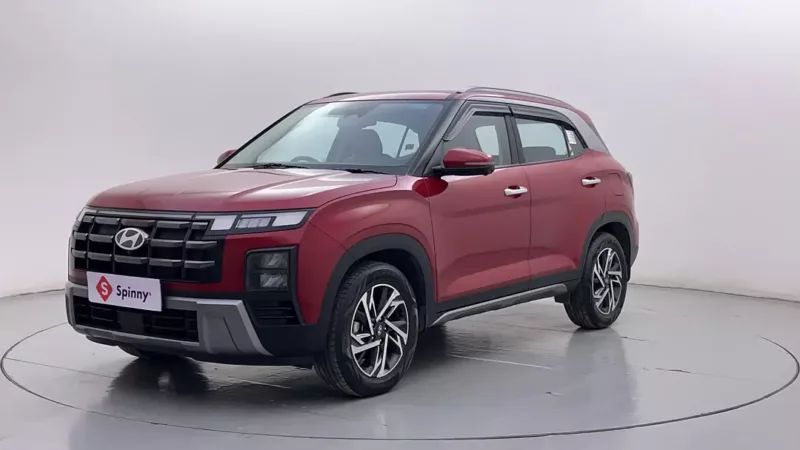
You’ll usually find sunroofs in compact SUVs, sedans, and hatchbacks, especially in the mid to upper trims. A few well-known sunroof-equipped cars in India include the Hyundai Creta, Tata Nexon, and Kia Sonet.
What is a Moonroof?
A moonroof is a type of sunroof that usually comes with a tinted glass panel that doesn’t completely open. It often slides between the roof and headliner and can be fixed or powered. In most modern vehicles, the term “moonroof” refers to any glass sunroof with a sliding shade.
Moonroofs can be commonly found in mid to high-end cars and are generally considered more premium. They allow you to control how much light comes in while reducing exposure to wind and dust.
Popular cars in India with moonroofs:
- Honda Elevate
- Toyota Hyryder
- Skoda Kushaq
- Hyundai Tucson
So, even though both are roof-mounted glass panels, their design and function can feel quite different when you’re sitting inside the car.
While all moonroofs are technically sunroofs, not all sunroofs are moonroofs. Still confused. Don’t worry, we’ll clear it all up.
Sunroof vs Moonroof: Key Differences
Here’s how they differ across various aspects:
| Feature | Sunroof | Moonroof |
| Material | Glass or metal | Usually tinted glass |
| Functionality | Opens completely | Mostly slides or tilts |
| Ventilation | Better air flow | Limited airflow |
| Appearance | Visible gap when open | Sleek and flush with the roof |
| Light Entry | Controlled | Constant, with shade |
| Maintenance | Slightly higher | Slightly lower |
In short, if you like driving with the wind in your hair, go for a sunroof. If you want better insulation with a view of the sky, a moonroof is a better choice.
Pros and Cons of Sunroofs
Pros:
- Offers fresh air and ventilation
- Adds a sporty and premium look
- Great for long drives in cool weather
Cons:
- Prone to leakage if not sealed properly
- In Indian summers, heat can build up fast
- Dust, pollution, and humidity can wear out mechanical parts over time
In Indian weather, sunroofs are great during winters or monsoons, but in summer, they might be less practical unless used with the shade.
Pros and Cons of Moonroofs
Pros:
- Let in natural light, making the cabin feel roomier without exposing you to dust or heat
- Tinted glass reduces glare
- Offers a more premium cabin feel, especially with ambient lighting at night
Cons:
- Doesn’t open fully in some models
- They often cost more
- If fixed, they’re basically just a tinted window on the roof
Moonroofs are better suited for buyers looking for comfort and luxury over a full open-air experience.
Which One is Better for Indian Conditions?
India’s climate is diverse. We face extreme summers, unpredictable rains, and dusty roads, especially in cities like Delhi, Ahmedabad, and Pune. In such conditions:
Sunroofs are better if:
- You live in cooler places like Bangalore, Pune, or parts of Himachal.
- You love road trips and open-air drives.
- You’re okay with a bit of upkeep
Moonroofs are better if:
- You live in hotter, dustier cities like Jaipur or Chennai.
- You only want light in the cabin, not wind in your hair.
- You don’t plan to open the roof often
Also, Indian roads are not always smooth. A moonroof, being flush with the roof and less mechanical, might rattle less over time.
If you’re someone who enjoys long drives or scenic views, a sunroof will suit you better. But if you’re more city-focused and want better insulation, a moonroof might be the smarter option.
Safety & Maintenance for Sunroofs & Moonroofs
Both sunroofs and moonroofs need regular care. Dust and dirt can damage the rubber seals, causing water leakage. Motors can fail over time, especially in older vehicles.
Safety Tips:
- Don’t stick your head or hands out of the sunroof. It’s unsafe and illegal.
- Always ensure the glass is closed properly during rain or when washing your car.
- Clean the edges and rubber seals monthly to avoid blockage and damage.
When buying a pre-owned car with these features, make sure to inspect them closely. Spinny, for example, includes a 200-point inspection to ensure such parts work properly.
Cost Comparison
New Cars:
- Adding a sunroof or moonroof to a car usually increases the price by Rs. 40,000 to Rs. 5 lakh, depending on the model.
- For example, the sunroof variant of the Tata Nexon starts around Rs. 11.10 lakh, while the non-sunroof variant is about Rs. 10.50 lakh.
Aftermarket Options:
- Sunroof installation kits can start at Rs. 20,000 but are not recommended unless done professionally.
- These may void warranty and aren’t as safe as their factory-fitted counterparts.
Repair Costs:
- Motor repair or seal replacement can cost Rs. 5,000 to Rs. 15,000 or sometimes more, depending on the car.
It’s always good to inspect this part carefully if you’re buying a used car. At Spinny, for example, every vehicle goes through 200+ checks, including roof mechanisms like these.
Sunroof vs Moonroof: Which One Should You Choose?
If you’re a buyer who loves to enjoy a cool breeze on a highway drive or often heads out to scenic places, a sunroof is more enjoyable. But if you want something more refined, with better protection from heat and dust, and don’t mind spending a bit extra, a moonroof fits better.
Also consider how often you’ll actually use it. Many buyers love the look but rarely open them. So, pick based on your lifestyle and usage.
Looking for a certified used car with a sunroof or moonroof? Explore Spinny’s wide range of carefully inspected vehicles that bring you premium features without the premium price tag.
FAQs About Sunroof vs Moonroof in cars
Does having a sunroof or moonroof increase a car’s resale value?
Yes, in many cases, especially in urban markets, cars with factory-fitted sunroofs or moonroofs tend to attract more buyers and can fetch a slightly higher resale value, typically Rs. 20,000 to Rs. 50,000 more.
Can children safely stand through the sunroof while the car is moving?
No, it’s extremely unsafe. While it might look fun in videos, allowing anyone, especially children, to stand through the sunroof while driving is dangerous and illegal under Indian traffic laws.
Do sunroofs or moonroofs reduce headroom inside the car?
Slightly, yes. Because of the sliding mechanism and additional layers in the roof lining, cars with sunroofs or moonroofs may offer 1–2 cm less headroom, which is not a dealbreaker, but it could matter for taller passengers.
Are there any long-term issues with sunroof or moonroof cars?
Over time, rubber seals can harden, drainage channels may clog, and the motor mechanism can wear out. Regular cleaning and occasional lubrication can prevent most of these issues.
Can you install a sunroof or moonroof aftermarket in India?
Technically, yes, but it’s risky. Aftermarket jobs can compromise the car’s structural integrity, void the warranty, and often lead to leakage or rattling if not done properly.
Do sunroofs or moonroofs affect fuel efficiency?
Not directly. But if you often drive with the sunroof open at high speeds, it can slightly increase drag, which might reduce mileage by a small margin, usually under 0.5 km/l.