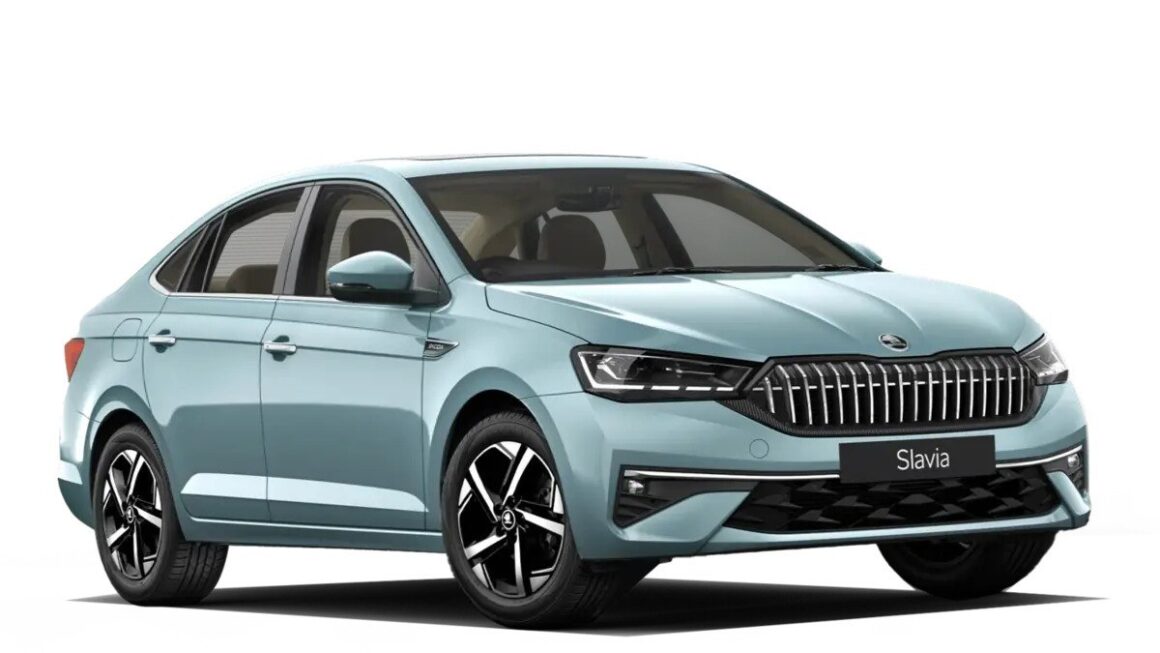
When it comes to the Skoda Slavia versus Honda City comparison, the excitement surges once you look beyond their marketing collateral. Both cars come with an automatic gearbox, but how much fuel would each car consume for commuting to work? Will the figures differ when you hit the highways?
In this comparison, we are comparing the Skoda Slavia with the 1.0 TSI with the 8-speed automatic against the Honda City with the 1.5 petrol engine and CVT gearbox.
Reports show Honda ahead in terms of practical fuel efficiency. However, making the right choice depends on analysing one’s driving habits, finances and the variant that appeals. Here’s what you need to know, especially now that expecting every trip to be packed with the exact figures is a folly.
Table of Contents
Skoda Slavia vs Honda City: Specifications
Before comparing mileage, make sure you’re comparing the right cars. This matters particularly when browsing used listings, where different model years can appear alongside one another.
The newer model of Slavia 1.0 TSI utilises the eight-speed torque-converter automatic gearbox; the previous version had a six-speed gearbox, while the Slavia 1.5 TSI version makes use of the seven-speed DSG. It is important to note that the five variants on the market should not be compared in terms of mileage. The company’s current database indicates that the eight-speed automatic is present in the latest version of the 1.0 TSI.
| Specification | Skoda Slavia 1.0 TSI AT | Honda City 1.5 Petrol VTC |
| Engine capacity | 999 cc | 1,498 cc |
| Engine type | Three-cylinder turbo-petrol | Four-cylinder naturally aspirated petrol |
| Maximum torque | 178 Nm | 145 Nm |
| Automatic transmission | Eight-speed torque converter | CVT |
| Fuel tank capacity | 45 litres | 40 litres |
Specifications relate to the powertrains discussed here; check the documentation for the particular car you shortlist.
The understanding of the gearbox variance still proves itself necessary. A conventional automatic system changes gears with pre-defined gear ratios. A CVT transmission changes its ratio constantly and therefore provides smooth acceleration. As for Honda’s references to seven steps, these refer to behaviour specific to its transmission system rather than indicating the presence of seven forward gears.
For your test drive, focus on how comfortably each car responds when pulling away, following slow traffic and accelerating into a gap. The transmission label alone won’t tell you which one you’ll prefer.

Claimed Mileage vs Real-World Mileage
The Slavia 1.0 TSI with an eight-speed automatic is reported to offer a fuel efficiency of 19.50 km/l. For the present Honda City petrol CVT, Honda has a figure of 17.97 km/l. The two figures apply to the relevant versions of the cars mentioned, but do consult older brochures for other figures.
Certified mileage is useful as a standardised reference. It is less useful as a promise of what your morning commute will deliver.
According to Honda’s service guidelines, the real fuel consumption is influenced by various factors such as traffic, driving patterns, tyre pressure, number of passengers, air conditioner usage, and the condition of the vehicle. The vehicle’s role on an open road is different from its function in traffic, where the vehicle frequently stops, starts, and cools itself.
That’s why it helps to separate three things when researching:
- Claimed mileage: A standardised certification figure.
- Road-test mileage: A measured result under the publication’s test conditions.
- Your mileage: The result of your routes, driving habits and car’s condition.
All three can be valid without being the same. The problem arises when a highway figure is interpreted as an ordinary expectation or when comparing the figures for the engine and gearbox from one vehicle with those for another one.
Skoda Slavia vs Honda City: Real-World Efficiency Results
A verified comparison reported the following figures:
| Mileage measure | Skoda Slavia 1.0 TSI 8AT | Honda City 1.5 Petrol CVT |
| Urban driving | 8.73 km/l | 10.10 km/l |
| Highway driving | 15.39 km/l | 16.49 km/l |
| Published average | 12.06 km/l | 13.30 km/l |
In both of the driving environments, the Honda was the leading car. This is based on the results gathered from verified standard tests. The process uses fixed routes in Navi Mumbai, prescribed tyre pressures and fuel measurements during refilling.
There is also useful context behind the individual tests. The Slavia was tested in temperatures exceeding 40°C, which the results said increased the air-conditioning load. The City’s separate test was conducted in ECON mode. The results are informative, but they should not be read as proof that every owner will see the same difference.
Also Read: Complete Buying Guide: Skoda Slavia
What Do These Numbers Mean for Your Daily Drive?
Start with your normal week rather than your occasional holiday.
If the majority of the trips involve heavy traffic, daily school transportation and congested intersections, allocate your budget based on urban driving. While driving on the highway during a weekend trip may bring up your monthly average fuel economy, it only complements the fuel economy affected by other driving conditions throughout the month.
If you regularly travel between cities, your priorities may be different. Alongside consumption, pay attention to seat comfort, visibility, overtaking response and how relaxed you feel after an extended drive. A small difference in fuel cost should be weighed against those everyday ownership considerations.
It also aids in precisely describing the route taken. Driving through a free-flowing ring is very different from taking the same distance through very congested streets. Both are called “city driving,” but this label does not open a window into the full complexity of the difference.
For buyers who work from home and drive relatively little, the purchase price may matter more than a modest efficiency difference. For someone covering substantial distances every month, a lower cost per kilometre deserves more weight.
Before making a comparison, figure out your average mileage per month. Even a rough separation of urban vs highway mileage will be more helpful than simply picking the brochure with the highest figure.
Also Read: Complete Guide to Buying a Honda City
How Much Could You Spend on Petrol?
Let’s turn the results into an illustrative fuel budget.
The following calculations are done based on the assumption that the vehicle travels 1,000 kilometres in one month, and petrol costs ₹100 for each litre. Please note that this is just an arbitrary assumption and not a statement about the present rate of petrol in your city.
We’ve calculated fuel used separately for urban and highway kilometres, using the respective test results.
| Monthly driving pattern | Slavia: estimated petrol cost | City: estimated petrol cost | Estimated saving with City |
| 1,000 km urban | ₹11,455 | ₹9,901 | ₹1,554 |
| 700 km urban + 300 km highway | ₹9,968 | ₹8,750 | ₹1,218 |
| 1,000 km highway | ₹6,498 | ₹6,064 | ₹433 |
Spinny calculations using individual test figures. Values are rounded and illustrate these assumptions only.
To adapt the calculation to your needs:
Fuel cost = Distance travelled ÷ Mileage × Petrol price
For mixed driving, calculate each part separately and add the costs.
Don’t just take the urban mileage figure and the highway mileage figure and add them together, then divide by two. The arithmetic average does not reflect fuel consumption over equal distances, because it is the less efficient portion that consumes a greater number of litres.
Your ownership budget should also include insurance, servicing, tyres, finance costs and the amount you pay for the car. Fuel is a recurring expense, but it is only one part of the total.
Also Read: Honda City Mileage Comparison: Automatic vs Manual
Why Can Your Mileage Differ From a Road Test?
A road test provides a reference point. It cannot reproduce every owner’s routine.
Traffic and acceleration
Accelerating rapidly and braking often leads to increased fuel consumption. Being aware of the road ahead, keeping a safe distance from the vehicle in front, and adapting your driving to the traffic flow can minimise speed changes. On highways, driving within the speed limit is also necessary as it allows for lower fuel consumption.
Air-conditioning use
Cooling a very hot cabin increases energy demand. The effect varies with temperature, humidity and the amount of cooling needed. Parking in shade and briefly letting trapped hot air escape before settling into your drive can reduce the initial cooling burden. You don’t need to make yourself uncomfortable to chase a mileage figure.
Short journeys
Some research indicates that frequent short trips burn more fuel than one longer trip of the same distance because once the engine is warm, it operates much more efficiently. Therefore, whenever possible, try to combine trips instead of taking several separate short ones.
Tyres and maintenance
Use the manufacturer’s recommended tyre pressures and follow the maintenance schedule. Don’t overinflate tyres in an attempt to improve the economy. The recommended pressure balances efficiency with handling, comfort and safety.
Our guide for enhancing the fuel efficiency of your vehicle delves into common practices that should be revised. You must follow the guidance provided in your vehicle’s owner’s manual while relating this advice to your automatic automobile.
What To Check When Buying A Used Car
When comparing a used Slavia with a used City, start with the actual listings rather than the model names.
Confirm the engine and gearbox
The evaluation of a previous Slavia 1.0 automatic must be conducted with the information concerning its six-speed gearbox. Similarly, the City petrol CVT must not be mixed up with the e-hybrid.
Review the maintenance record
Ask when the car was last serviced, what work was completed and whether any recommended work remains outstanding. A low asking price becomes less attractive if it comes with immediate expenses you haven’t budgeted for.
Take a representative test drive
Ensure that slow-moving traffic, with some interruptions, is included in the route. It is important to drive around in the car as well as checking the effectiveness of any air conditioning and adjusting the position in the car to see if it is suitable for driving at usual speeds.
Treat dashboard mileage as supporting information
Ask whether the displayed figure covers a long period or was recently reset. A short test drive isn’t enough to establish a dependable ownership average.
Compare the complete purchase
Evaluate age, distance travelled, condition, service history and price together. Two cars that bear the same badge may actually mean two completely different purchases.
At Spinny, we’d recommend shortlisting the specific cars that fit your budget, then comparing them on these practical points. Start with the right version; use mileage to refine your choice.
Also Read: Skoda Slavia Variants Guide: Choose the Best Variant
Which Sedan Should You Choose?
When it comes to your shortlist focused on efficiency factors, the Honda is efficient enough for this comparison to make you want to check into it earlier than other contenders. But don’t rely solely on the mileage figures to make your buy decision.
Set a purchase budget, estimate your monthly driving and test both cars on a useful route. Then ask which one you would be happier driving and paying for over several years.
If you go for the Slavia, you will need to find out if its probable fuel rate is within your budget or not. If you select the City, you will need to check the specific automobile’s condition and price and see if it is up to your expectations.
When buying a used sedan, it’s crucial to choose right. The ideal car is the one whose specifications, condition, comfort and overall cost suit your life.
Also Read: Honda City vs Skoda Slavia Real World Mileage Comparison
FAQs About Skoda Slavia vs Honda City Petrol Automatic Mileage
Q. Which is more fuel-efficient: the Skoda Slavia AT or Honda City CVT?
The Honda City petrol CVT performed better compared to the Slavia AT in both urban and highway driving. The finding applies to the tested City and Slavia 1.0 TSI eight-speed automatic; it should not be extended to every version carrying either name.
Q. What mileage did the Skoda Slavia 1.0 automatic deliver?
The eight-speed automatic returned 8.73 km/l in urban driving and 15.39 km/l on the highway in a verified test. The publication noted very hot weather during testing. Treat these figures as a reference, with your actual consumption dependent on your driving conditions.
Q. What is the Honda City petrol CVT’s real-world mileage?
It recorded 10.10 km/l in urban driving and 16.49 km/l on the highway, during a standard test, with the car operating in ECON mode. Its reported average was 13.30 km/l. Your own result may differ with traffic, load, climate-control use and driving style.
Q. Why is real-world mileage lower than the claimed figure?
Certified figures come from controlled testing. Everyday driving adds changing traffic, road conditions, passenger loads and cooling requirements. Honda’s ownership guidance specifically identifies these variables, along with tyre pressure and vehicle condition, as reasons actual consumption can differ from brochure figures.
Q. Does every automatic Skoda Slavia have the same gearbox?
Earlier Slavia 1.0 TSI automatics used a six-speed torque converter; the newer version uses an eight-speed unit. The Slavia 1.5 TSI automatic has a seven-speed DSG. Check the model year and powertrain before applying a mileage figure to a used listing.
Q. Is the Honda City CVT the same as the City hybrid?
No, the petrol CVT and City e are different powertrains. The hybrid combines a petrol engine with Honda’s electric-drive system and uses an e-CVT. Its efficiency figures should be considered separately from those of the conventional petrol automatic discussed here.
Q. How can I improve mileage in either automatic sedan?
Accelerate progressively, anticipate stops and avoid unnecessary idling. Maintain the recommended tyre pressures, use the specified engine oil and keep servicing up to date. These habits support efficient operation, though no single tip guarantees a particular mileage improvement on every route.
Q. Should mileage be the deciding factor when buying used?
It should be one factor among several. Compare purchase price, condition, service records, upcoming expenses and your expected monthly distance. A small fuel saving may matter less if the car costs considerably more upfront. Choose the individual car that offers the strongest overall fit for your budget.