
Buying a car in India isn’t just about picking the right model; it’s also about understanding the mandatory charges that come with it. Car road tax is one such important expense that many of us are unaware about. Road tax is very important in making sure your automobile is legally compliant on Indian roads, whether you are buying a brand-new car or moving across states with a used car.
There is a difference of around 10% between a car’s ex-showroom and on-road price, which consists of registration charges, vehicle insurance, and road tax. Staying updated with the latest road tax standards is more crucial than ever in 2025 as vehicle registrations, fuel types, and state-specific transportation policies continue to change. Keep reading as we go over road tax rules in India, regulations for cars, and everything else.
What is Road Tax in India?
Under the Motor Vehicles Act, 1988, state governments in India impose an obligatory levy known as road tax. It’s gathered to support the building, upkeep, and improvement of public roads and infrastructure, benefiting every car owner.
Whether your car is new or has moved from another state, registration calls for payment of this fee to the Regional Transport Office (RTO) in your state. From one state to another, the tax structure and amount vary greatly; some jurisdictions allow a one-time payment valid for 15 years for private automobiles, while others impose a recurring charge.
The amount of car road tax you pay depends on several factors:
- The cost of the vehicle (ex-showroom price)
- Engine capacity (CC)
- Fuel type (petrol, diesel, electric)
- Vehicle type (private or commercial)
- The state or union territory of registration
Most of the time, you have to pay road tax upon registration; nevertheless, if you relocate to another state or miss the deadline, you might have to pay once again.
Who levies car road tax in India?
From a broader perspective, road tax is levied by both the central and state governments. However, it is basically a state-level tax since the cost of maintenance of local roads is the responsibility of state governments. Here is how taxes are imposed:
State road tax
It consists of annual or lifetime motor vehicles tax, passenger and goods tax, state VAT, and toll tax. The exact amount of tax varies from state to state. Your road tax is payable to the government of the state in which you own a vehicle. If you relocate to another state, you have to pay the car road tax as per the new state government’s rules, within a month of moving.
Central road fund tax
This type of tax includes GST, central sales tax, customs duty, central excise, and additional cess, depending upon the model and class of vehicle. This tax is generally computed as a percentage of the vehicle’s ex-showroom price. It is utilised for the expansion and maintenance of highways.
Road Tax Rules for Cars: Key Regulations
Although at first glance they seem complicated, road tax rules in India follow a somewhat conventional logic. The ex-showroom price of your vehicle, engine capacity (CC), fuel type, and registration state determine the amount you pay.
While some states, like Delhi, entirely exempt EVs, others, such as Maharashtra and Karnataka, charge more for diesel vehicles. For instance, a petrol automobile under Rs. 10 lakh may draw 10% road tax in one state, whereas in another it could be taxed at 15%.
Rules for private and commercial automobiles also differ rather obviously. Typically, owners of private vehicles pay a one-time road tax that’s valid for 15 years. On the other hand, depending on their use and the state’s transportation rules, commercial vehicles may have to pay annual or quarterly taxes.
Every RTO may have minor differences in how they apply things like required smart card costs or varying tax rates depending on the age of the vehicle at re-registration. Furthermore, there are several exclusions for:
- Electric vehicles (EVs) in several states
- Armed forces personnel
- Vehicles for the differently-abled persons
Knowing these road tax rules guarantees your compliance and helps you avoid any fines, especially if you’re moving states or buying a used car.
State-Wise Car Road Tax Rates in India (2025)
Road tax rates across India vary significantly based on the vehicle’s price, fuel type, and registration location. Here’s an updated table showing approximate tax rates in major states for private cars registered in 2025:
| State | Car Price < Rs. 10L | Car Price > Rs. 10L | Electric Vehicle (EV) | Fuel Type Surcharge |
| Maharashtra | 11% | 13% | Exempted | +2% on diesel |
| Karnataka | 13% | 18% | 0% (Exempted) | +2% on diesel |
| Tamil Nadu | 10% | 15% | ~1% or Exempted | No major surcharge |
| Delhi | 10% | 12.5% | Fully Exempted | Diesel cars discouraged |
| Uttar Pradesh | 8% | 10% | 1% or lower | +2% diesel, -1% CNG |
| Gujarat | 6% | 12% | Exempted (till 2026) | Mild diesel surcharge |
| West Bengal | 10% | 13% | 1%-2% | +2.5% for diesel |
| Rajasthan | 10% | 12% | 0%-1% | +1% on diesel |
Note: These are approximate values and may vary by vehicle segment, fuel type, or location within the state (urban vs rural).
As observed, states like Gujarat and Delhi are extremely aggressive in providing tax incentives; EVs enjoy broad exemption as well. Diesel cars, however, usually draw additional fees because of their environmental impact. To get the precise car road tax in your state, check your local RTO portal or speak with the dealer at registration.
When and How is Car Road Tax Paid?
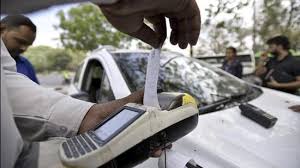
Usually paid at the time of vehicle registration, which happens upon new car purchase, car road tax is paid before the car has a permanent registration number. Road tax may be needed once again for used cars if you are re-registering in another state or transferring ownership.
Most states provide choices for online and offline payments. Road tax may be paid at your local RTO office or via official state transport department websites like Parivahan (for several states), or individual portals such as those for Delhi, Maharashtra, or Karnataka.
Here’s how it usually works:
- Online: Visit the official state transport site, enter vehicle details, calculate tax, and pay via net banking or UPI.
- Offline: Fill Form 20/21, submit documents at RTO, pay via cash or challan.
You will get a receipt once paid; make sure you have this ready, as it is proof of compliance and required for further transfers or re-registration.
What documents are required to pay the car road tax?
As per road tax rules, you will need the following documents:
- Vehicle registration certificate.
- Vehicle insurance papers.
- Age and address proof (Aadhar Card, Driving License, Voter ID, etc.)
- Vehicle purchase invoice.
Road Tax Rules for Used Cars
Road tax laws apply once again, whether you are purchasing a used car from another state or intend to relocate with your car to another state.
Your automobile has to be re-registered at the local RTO when you change its state of registration for longer than 12 months. This means paying road tax in the new state, depending on its rates and getting a No Objection Certificate (NOC) from the previous RTO.
If your new state has higher road taxes, you will have to pay the difference. If the tax was greater in your original state, you may be qualified for a refund, although the procedure differs between states and usually requires documentation and waiting.
Remember, failure to re-register and update road tax in a new state could cause legal problems and fines during inspections.
How to get a car road tax refund?
If you are discarding a car that isn’t more than 15 years old, you have to cancel the registration of that vehicle. It can be done at the RTO where the vehicle was registered. But if the vehicle has travelled from one state to another, the refund has to be claimed at the RTO of the vehicle’s original registration. Submit an imprint of the chassis or engine number, along with the necessary documents. You will require:
- A letter requesting the road tax refund.
- Vehicle insurance certificate.
- Pollution certificate.
- Chassis/engine number imprint.
- No Objection Certificate from the previous RTO.
- Original and new vehicle registration documents.
- Receipt of road tax paid in the previous state.
- Migration is proof of moving from one state to another.
Some states require additional documents, apart from the ones mentioned above, so find out which ones you need and keep them ready.
Summary:
You must understand the state-wise vehicle tax structure to ensure you have adhered to compliance standards. Road tax rules in every state differ, so if you relocate from one state to another, make sure you learn about the road tax regulations of the concerned state and clear the amount immediately at the local RTO. Notably, EV owners in many states enjoy tax exemptions, making eco-friendly choices even more attractive. Browse the Parivahan Sewa website to know more regarding vehicle tax rates, rules and regulations, and other relevant information.
FAQs
Q. What if you don’t pay the car road tax in India?
Generally, the state grants a grace period of 15 days, within which you have to pay the car road tax. If you miss the deadline, the tax authority levies a penalty that is in addition to the amount owed in arrears. However, the total sum can’t exceed the annual tax due on the particular vehicle.
Q. Can a road tax refund be claimed online?
As of now, there is no way to claim a car road tax refund online. It can only be done by visiting the local RTO and submitting proper documents. Moreover, if you have bought a car from another individual, you can’t claim a road tax refund for that vehicle. If the vehicle is being transferred from one state to another, the name of the owner should always be the same, or else the refund claim becomes invalid.
Q. What is the method for calculating the car road tax refund?
The refund depends upon the period for which the owner has paid the road tax, i.e. the number of years since the vehicle was first registered in the state till the time of the refund request. For example, if the owner has paid the road tax for 5 years, they will be eligible to receive around 66% of the total amount paid as tax.
Q. Which Indian state has the highest car road tax rate?
Karnataka has a road tax rate of almost 15%, which is the highest in the country.
Q. What is the difference between toll tax and car road tax?
Road tax is levied when a vehicle is registered in a particular state, as mandated by the state government. Toll tax is levied by the National Highway Authority of India when you travel via interstate highways and expressways that have specific toll charges.