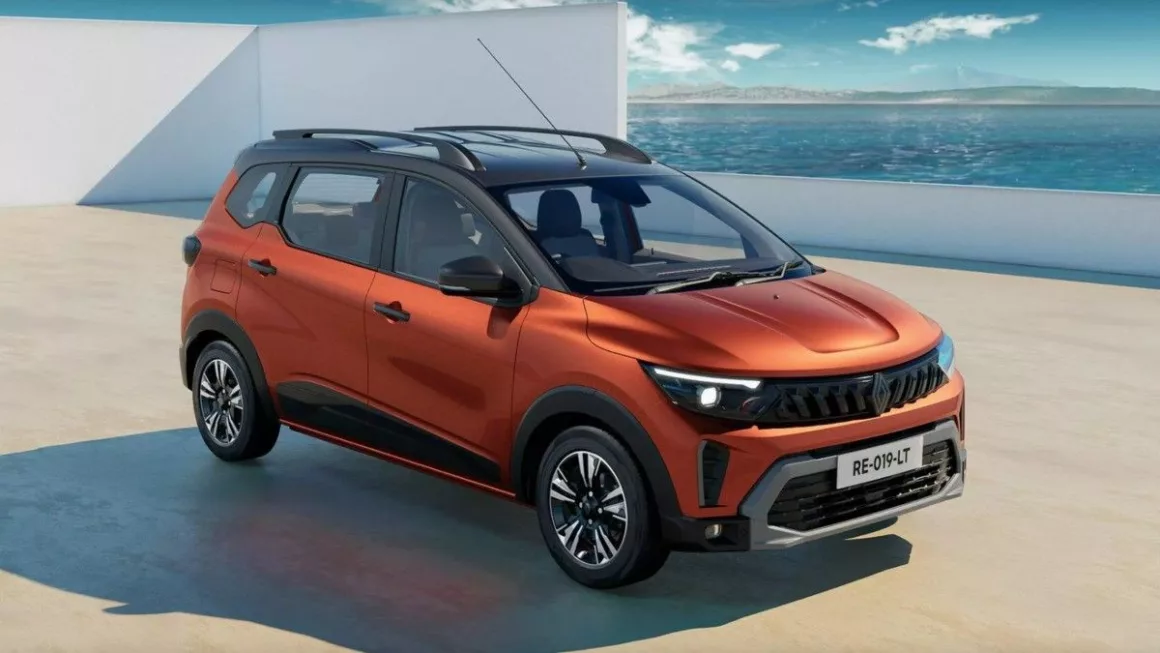
Renault recently unveiled its new plan for the Indian car market which involves fresh new models, full acquisition of its plant in Tamil Nadu and a new design centre which will churn out cars for the Indian market. However, will Renault’s restructuring be enough to turn around its fortunes? To find out the answer, let us first take a look at the history of the French car maker in the Indian car market.
Renault’s Initial Indian Attempt

Having first arrived on Indian shores in 2005, Renault’s India journey began with the Logan – a sedan it sold under its joint venture with Mahindra. While the sedan was promising, the Logan failed to make an impression in the Indian market. Renault then dissolved its JV with Mahindra and set about conquering the Indian market on its own. It started off with cars like the Fluence, Koleos and Pulse, all of which while interesting in their own right, still had their issues such as the high price tags. Then, in 2012, Renault hit gold with the Duster. The SUV instantly went onto become a crowd favourite, even winning the 2013 Indian Car of the Year Award (ICOTY). The French car maker even launched cars like the Scala, Lodgy and Captur. While they were all good cars, with the Lodgy being particularly impressive, the price conscious Indian market still didn’t take to them. The French carmaker understood the problem and started developing a car for the Indian market.
Renault Repositions Itself
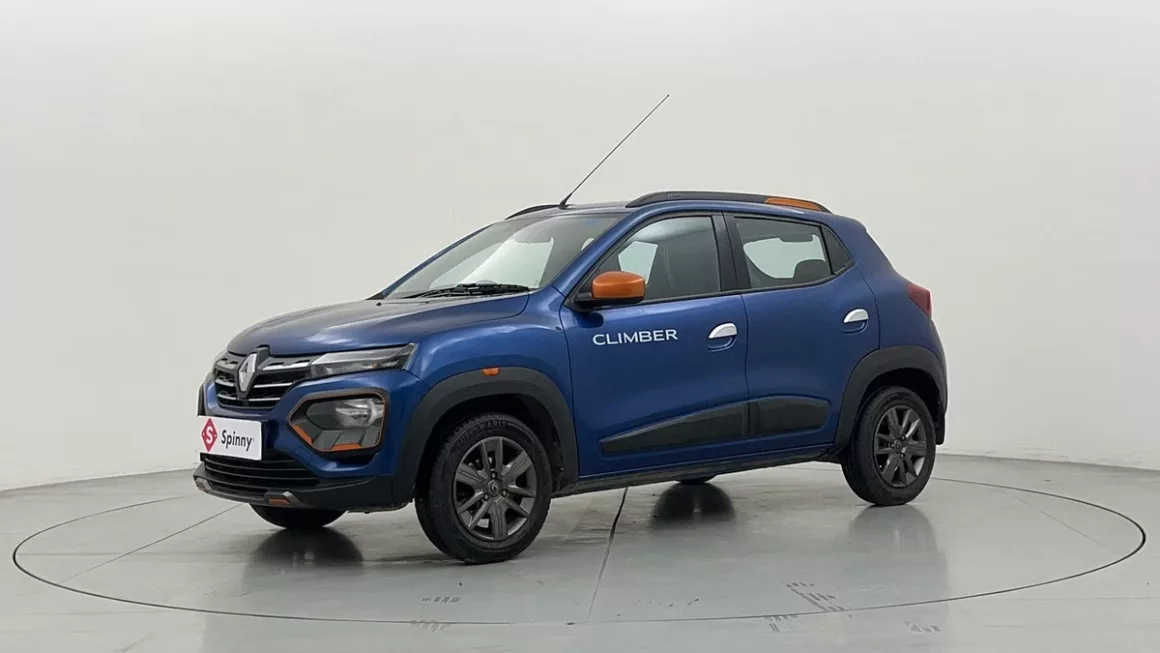
In 2015, the brand launched the Kwid to take on none other than the Maruti Suzuki Alto. The Kwid brought Indian consumers closer to the French car maker. Initial sales figures of the Kwid were impressive due to its quirky French design, comfortable ride quality and low cost. Having finally perfected the recipe, Renault got around to making the next car based on this mantra, the Triber. The Triber was launched in 2019 and could be considered a mini Lodgy of sorts. A small car that could double up as an MPV, and surprisingly, the Triber offered great space considering it was a sub 4 metre car. The Triber also appealed to Indian consumers due to its highly practical nature. However post 2020, the Indian car buyer slowly started aspiring for more. Just when Renault had cracked the low cost mantra that had dominated the Indian market till now, the Indian consumer finally began to change.
Changing Preferences of Indian Car Buyers
To keep up with the changing Indian consumer, Renault quickly repositioned itself by launching the Kiger in 2021, a sub 4 metre SUV. The Kiger was stylish, packed with features and continued to offer that comfortable ride quality that had become a hallmark of Renault cars by now. It was also priced lower than similar SUVs in the market to give it an edge. Most of Renault’s initial models for the Indian market had been discontinued by 2020, except for the Duster which hung around till 2022. However, the Duster’s glory days were far behind it by that time. Despite having launched a capable SUV in the Kiger, Renault found it hard to keep up with the quickly changing Indian market, which saw new SUVs being launched by the dozen, giving Indian consumers more choice. With only the Kwid, Triber and Kiger, Renault ultimately fell short of offering aspirational products for the Indian market.
Fast Forward to 2025
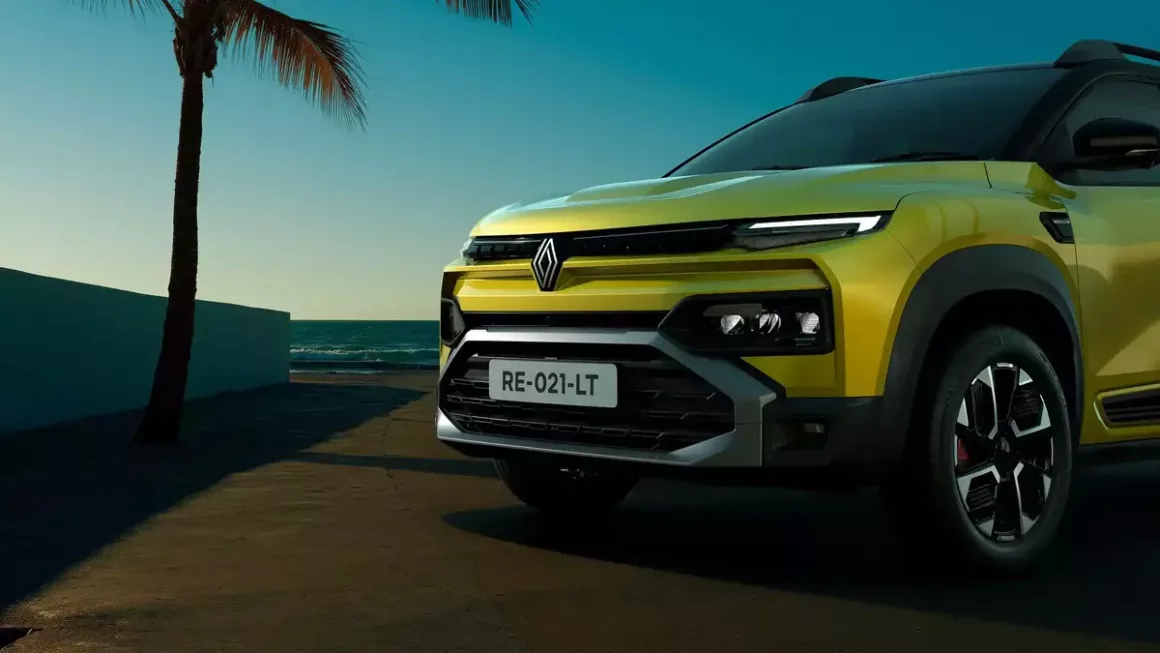
Since the launch of the Renault Kiger in 2021, Renault has not made any serious moves in the Indian market such as product updates. However, in 2025 alone, the brand has given the Triber and the Kiger a facelift with a facelift for the Kwid due in the coming months. The update models feature striking designs, a forte of Renault, giving them fresh teeth against their competition. The French car maker has also bought out Nissan’s share in its Chennai plant, gaining 100% control over the facility. That said, Nissan vehicles will continue to be manufactured at the plant, albeit via contract manufacturing. In 2025 itself, Renault has also inaugurated a new design studio in Tamil Nadu which will look to manufacture new models for the Indian demographic. Lastly, the car maker has also earmarked $600 million (roughly Rs. 5300 crore) for expanding its India business.
What Lies Ahead?
Renault plans to launch 5 new models in the Indian market in the next two years. While the plan seems ambitious, it is doable. These models are expected to be B and C segment SUVs and we even know that the Duster will be one of them. Another one will be the Bigster, a 7 seater version of the Duster. Renault will also introduce generation updates for the Triber and Kiger and the last of the five could be generational updates for the Triber or the introduction of an international model. If Renault pulls this off, the French carmaker will have a healthy lineup for the Indian car market, a must today for attracting Indian car buyers.
Can Renault Pull it Off?
The big question that then remains to be answered is that can Reanult step up from being a fringe player in the Indian car market? The short answer is yes. The brand has existed in India for two decades now and having survived for so long in this cutthroat market means that it has its hand on the pulse of the Indian market. However, to really be successful, it will have to learn from its mistakes.
Back when Renault had just arrived, it bombarded the Indian car market with cars that were quite good, but too highly priced to be affordable by the masses, and Renault is a mass market car maker. It learned from its mistakes at the time and shifted focus towards low cost and high volume models. While it was a good move, the brand truly alienated itself from more premium models. However, with such intent, more premium models like the Duster were sidelined. This was a big mistake as the Duster had a huge brand following in India and was the original compact SUV responsible for igniting the trend of small SUVs in the Indian market.
This time out, it will have to walk a thin rope between pricing its models aggressively while offering aspirational value at the same time. The resurrection of the Duster brand name is a good starting step and with full control over their plant in Tamil Nadu, a new design centre and a fresh investment, Renault is on the right path to capturing a bigger piece of the Indian market for itself.