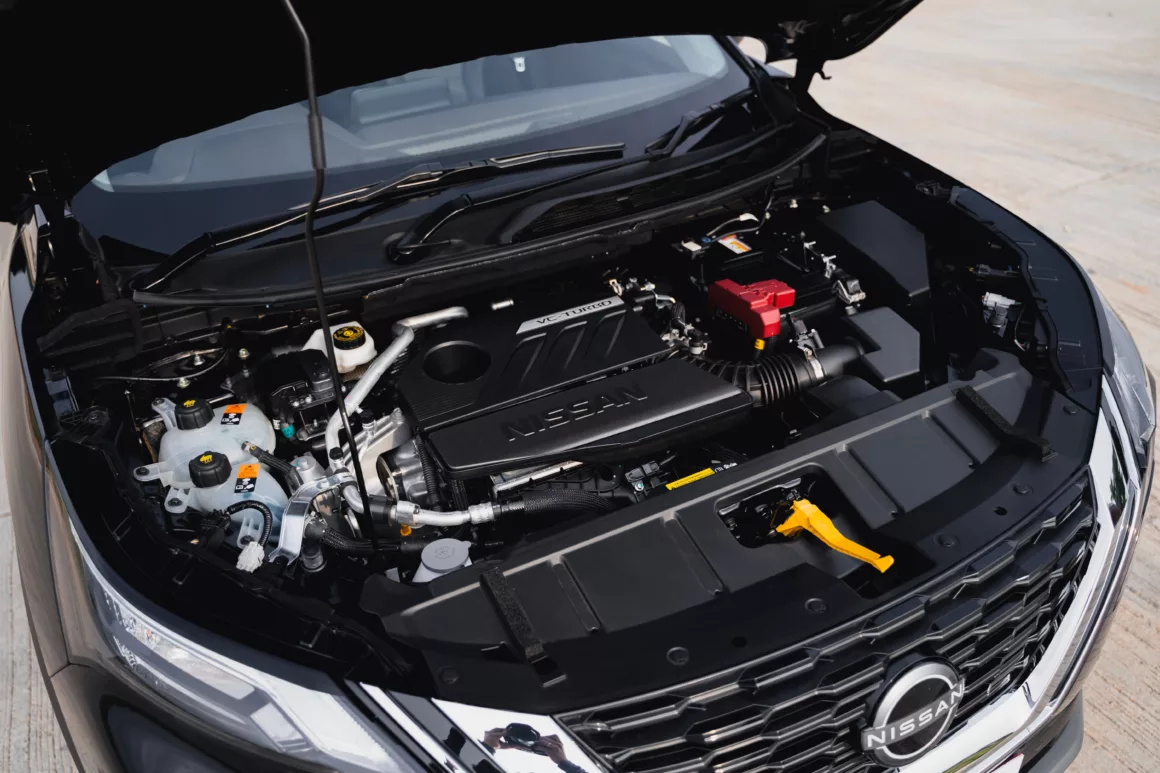
Modern car engines are computer-controlled units, as a wide range of functions are managed to ensure the car functions smoothly. This is where the PCM becomes the most crucial component in a car, managing the car’s critical engine and transmission functions.
The PCM might be responsible when the check engine light stays on or your automobile malfunctions. In this blog, we’ll explore what a PCM is, how it works, signs of failure, and tips to keep it running smoothly. Read ahead for a detailed insight.
What is a Powertrain Control Module (PCM)?
The PCM full form stands for Powertrain Control Module. The PCM is the central hub for engine and transmission operation in your vehicle. It combines two primary subsystems:
- Engine Control Unit (ECU)
- Transmission Control Unit (TCU)
Through monitoring and controlling these powertrain units, your vehicle operates smoothly, efficiently, and to emission and safety standards. It is a master computer that gets input from an array of sensors and gives output to actuators to keep performance at its optimum level.
How Does PCM Work?
The PCM works by getting inputs from various sensors placed all around the vehicle. They include:
- Oxygen sensors
- Throttle position sensors
- Crankshaft and camshaft position sensors
- Mass airflow sensors
- Coolant temperature sensors
- Knock sensors
- Speed sensors
As soon as the inputs are obtained, the PCM processes the inputs using the built-in software algorithms and then sends signals to the corresponding actuators, which are:
- Adjusting fuel injection
- Controlling ignition timing
- Shifting transmission gears
- Regulating emission systems
These actuators help achieve the best balance of performance, fuel economy, and emission control.
What are the Functions of PCM in a Car?
The Powertrain Control Module (PCM) is crucial for various aspects of a vehicle’s performance and running. It manages the engine and transmission systems and emits compliance, fuel efficiency, drivability, and even for diagnostic purposes.
As the powertrain’s central processing unit, the PCM constantly functions, accepting real-time sensor data, analysing it in milliseconds, and emitting corresponding commands to optimise vehicle performance.
Modern PCMs can process thousands of functions per second and communicate with other onboard systems. Thus, the PCM is one of modern vehicles’ most critical and complex modules.
Here are the primary functions discussed in detail:
Engine Performance Management
In effect, the PCM controls all engine operations by interpreting sensor information and commanding actuators to produce maximum performance. Key functions are:
- Fuel Injection Control: Calculates the exact amount of fuel to provide to each cylinder to optimise combustion.
- Ignition Timing Adjustment: Controls spark plug timing as a function of speed, load, and temperature conditions.
- Air-Fuel Mixture Control: Varies the air-fuel mixture to provide maximum power output with the lowest emissions.
- Idle Speed Control: Controls smooth engine idling under different loads and conditions.
- Variable Valve Timing (VVT): Adjusts the valve opening durations to optimise power and efficiency at different RPM levels.
Transmission Control
In many automatic transmission cars, the PCM also features the Transmission Control Module (TCM). It determines whether and when to change gears on the car. Transmission-related functions are:
- Gear Shift Timing: Chooses optimal gear using throttle input, road speed, and engine load.
- Torque Converter Lockup Control: Adds fuel economy through torque converter lockup when right.
- Shift Pressure Control: Modulates hydraulic pressure to ensure that shifting gears will be smooth.
- Downshift Management: Enhances responsiveness when accelerating by making effective downshifting when it is needed.
Emission Regulation and Compliance
One of the most important functions of the PCM is enabling the vehicle to meet strict emission regulations, which are of significant relevance in markets such as India with BS6 regulations. It manages emissions through:
- Oxygen Sensor Monitoring: Upstream and downstream sensors are used to control the air-fuel mixture for a clean burn.
- Catalytic Converter Efficiency Monitoring: Checks for efficient conversion of pollutants before they leave through the exhaust.
- EGR System Management: Controls the Exhaust Gas Recirculation system to reduce NOx emissions.
- Evaporative Emission Control (EVAP): Prevents fuel vapours from escaping into the atmosphere.
Fuel Efficiency Optimisation
Optimum fuel economy is the integral function of PCM operation, which controls powertrain components based on driving pattern and ground. It saves fuel by:
- Adjustment of throttle response to load conditions.
- Gear shift control for better fuel efficiency.
- Fuel shutting off during coasting (in some applications).
- Control of start-stop systems, avoiding idling losses.
Vehicle Diagnosis and Error Reporting
The PCM provides access to your car’s On-Board Diagnostics (OBD) system. It retains and reports fault codes, making it easier for mechanics to quickly identify problems. Diagnostic capabilities include:
- Detecting malfunctions with crank or cam sensors.
- Logging transmission faults, such as delayed shifts or clutch slipping.
- Flagging misfires, poor fuel pressure, or exhaust leaks.
- Triggering warning lights such as Check Engine or Transmission Overheat.
Safety and Drivability Enhancement
Although not a safety system technically, the PCM indirectly enhances driver safety and control by communicating with other vehicle modules. This comprises:
- Traction Control Coordination: Includes coordination with ABS and ESC modules to cut engine power during skidding.
- Throttle Control in Emergency: Retrimming power when the accelerator and brake pedals are simultaneously pressed together in certain automobiles.
- Adaptive Learning: Adjusts driving tendencies and road conditions to modify powertrain response.
Turbo and Boost Control (If Equipped)
For super or turbo cars, PCM also manages boost pressure setting and wastegate control. It provides:
- Smooth boost supply without delay.
- Overboost protection to prevent engine damage.
- Throttle, boost, and RPM coordination for improved performance.
What’s the Difference Among PCM, ECU, and TCU?
The differences among PCM, ECU, and TCU, along with their full forms, are as follows:
| Component | Full Form | Function |
| PCM | Powertrain Control Module | Controls both the engine and the transmission |
| ECU/ECM | Engine Control Unit / Module | Manages only engine functions |
| TCU/TCM | Transmission Control Unit / Module | Handles automatic transmission shifting |
What are the Common Signs of PCM Failure?
A damaged PCM leads to several noticeable problems. One ought to be aware of the preliminary signs before it costs money. Some of the critical symptoms of PCM failure are:
- Check Engine Stays Light On: A blinking or continuous light could signal PCM-related problems.
- Poor Fuel Efficiency: If you fill up more frequently without altering your driving, the PCM could be mismanaging fuel delivery.
- Engine Misfires: Engine misfires or abrupt stalling usually result from improper ignition or fuel timing caused by PCM failure.
- Transmission Problems: Rough shifting, slipping gears, or becoming stuck in a gear could indicate PCM failure.
- Engine Starting Issues: A defective PCM may stop the engine from starting or result in extended cranking.
- RPM Fluctuations: Erratic idling or wavering RPMs may be the result of PCM faults.
- Failed Emissions Test: PCM faults may interfere with emission controls, causing the test to fail.
- Strange Dashboard Warnings: Multicoloured flashing lights or unusual gauge activity may indicate that the PCM provides incorrect data.
When a combination of these signs is present, it’s advisable to perform a diagnostic scan and get the PCM scanned by a technician.
What are the Causes of PCM Failure?
Knowledge of the possible causes of PCM failure helps avoid premature failure and expensive repairs. Possible PCM failure reasons can be:
- Electrical Surges: Voltage spikes, usually through faulty wiring, a poor battery, or jump-starting, can ruin internal PCM circuits.
- Moisture or Water Damage: Water ingress due to leaks or sealing defects can corrode the PCM or its connectors.
- Extreme Heat: Too much heat, most often caused by engine problems or inadequate ventilation, may burn out the PCM’s internal electronics.
- Incorrect Sensors: Faulty sensors or wired sensors can provide false inputs, overloading the PCM or simulating PCM failure.
- Weak Grounding: A weak grounding may provide an intermittent power supply, causing malfunction or intermittent faults.
- Age and Wear: Electronic parts will deteriorate over time, particularly in very old vehicles exposed to extreme conditions.
What is the Process and Cost of Replacing a PCM?
If the PCM is irreparably damaged, it must be replaced with a new one. The procedure has to be done with care since the PCM manages fundamental engine and transmission operations.
PCM Replacement Process
- Diagnosis: A full OBD-II scan verifies that the PCM is damaged rather than a sensor or wiring problem.
- PCM Removal: The original PCM is removed from the harness and mounting bracket.
- Installation of New PCM: A compatible unit is fitted, usually involving syncing to your car’s VIN and specs.
- Programming or Reflashing: The new PCM must be programmed with special software to sync the car’s system.
- Testing: Test drive verifies that the new PCM interacts properly and fixes the problem.
PCM Replacement Cost
- Cost Range: ₹20,000 to ₹60,000 (or more), depending on vehicle make, model, and OEM vs. aftermarket unit.
- Labour Charges: Extra ₹2,000–₹5,000 for installation, diagnosis, and programming.
- Programming Tools: Some workshops may charge extra separately for PCM flashing or software updating.
How Does PCM Work in Hybrid and Electric Cars?
While typical PCMs manage internal combustion engines and automatic transmissions, their function in hybrid and electric vehicles reflects the greater complexity of these powertrains. Listed below are the PCM functions in EVs and Hybrids:
- Energy Flow Management: The PCM allows power splitting between the internal combustion engine (in hybrids) and electric motor, optimised for efficiency.
- Battery and Charging Coordination: It synchronises with the Battery Management System (BMS) to control charging, discharging, and battery status.
- Motor Control: In electric vehicles, the PCM (or equivalent power control unit) controls the operation of electric motors.
- System Synchronisation: The PCM synchronises smooth communication between various ECUs, like inverter controllers, and drive-by-wire systems.
- Safety Monitoring: Continuously checks high-voltage system faults and activates safety modes to prevent accidents.
What are the Maintenance Tips for PCM?
While PCM is designed to be durable, proper care and maintenance will keep it functional for a longer period and avoid expensive breakdowns. Consider the following tips to keep your PCM well-maintained:
- Regular Diagnostics: Perform regular OBD-II scans to catch problems early, before they become major issues.
- Protect Against Moisture: Seal the PCM and store the PCM dry, particularly in monsoon or wet climates.
- Maintain a Healthy Battery: Voltage spikes from a weak or dying battery can ruin sensitive PCM circuits. Regularly monitor your battery and alternator.
- Prevent Bad Jump-Starting: Poor jump-starting can lead to electrical surges. Use proper techniques to prevent PCM damage.
- Repair Faulty Wiring Immediately: Faulty or corroded wiring will send faulty signals or overload the PCM. Repair any obvious wiring faults immediately.
- Use Recommended Fuel and Fluids: Low-grade fuel will cause the sensors to fail and stress the PCM. Use recommended fuel grades, oil, and transmission fluid grades.
- Professional Installation: Keep PCM repair or replacement to trained professional technicians to prevent improper handling and programming.
Operating behind the scenes, the PCM enables smooth driving, fuel economy, and adherence to emission standards. Learning how the PCM functions and what to look for in a failure will save you from repairing it and improve your driving experience.
FAQs About PCM in a Car
Q. Is driving feasible with a damaged PCM?
Yes, but it is not recommended. A damaged PCM can make the engine perform poorly and, if left uncured, can lead to further damage.
Q. Is PCM failure common in Indian vehicles?
PCM failure in Indian vehicles is uncommon but may occur due to voltage spikes, water intrusion, or age.
Q. Can I reprogram a PCM myself?
You can reprogram the PCM only if you possess dealer-level tools and training. If not, it’s best to get professional assistance.
Q. Does PCM impact the AC or infotainment system?
No, PCM operates primarily on the engine and transmission. Stand-alone modules address HVAC and infotainment.
Q. How long will a PCM last?
A PCM will last the vehicle’s life, for approximately 10–15 years, unless subjected to extreme temperatures or electrical damage.