India is moving towards nationwide adoption of E20 fuel, a blend of 20% ethanol and 80% petrol, by 2025. For car owners, this transition impacts performance, mileage, warranty, and resale value. To meet these new fuel standards, Nissan has aligned its petrol-powered models with E20 readiness under BS6 Phase 2 regulations.
In this blog, we’ll explore what E20 fuel is, Nissan’s model-wise compatibility, warranty guidelines, and how this shift affects customers.
Table of Contents
What is E20 fuel?
E20 fuel is a petrol blend containing 20% ethanol and 80% petrol. Ethanol is an alcohol derived from renewable sources, such as sugarcane, corn, and crop residues, making it a cleaner and more sustainable alternative to pure fossil fuels.
The key benefits of ethanol blending include lower greenhouse gas emissions, reduced dependence on crude oil imports, and a boost to India’s agricultural sector. However, ethanol has a lower energy density than petrol, which can cause a small drop in mileage. It also absorbs more moisture and is corrosive to certain metals and rubber components, meaning cars must use ethanol-resistant materials in their fuel systems.
India has gradually progressed from E5 to E10, and the government aims to make E20 widely available by 2025. Automakers like Nissan are upgrading their petrol cars to ensure smooth operation with this new fuel blend.
Nissan Cars Compatible with E20 Fuel
Nissan has upgraded its petrol-powered lineup in India to meet BS6 Phase 2 norms from April 2023, ensuring full E20 fuel compatibility. This means new petrol Nissans now feature ethanol-resistant materials and engine calibrations optimised for the blend.
Currently, Nissan’s India range is limited but includes some of the most recognised models in the compact and SUV space. Older pre-2023 cars may not be officially certified for E20 and should continue using E10 unless Nissan offers retrofit options.
Overview Table: Nissan E20-Ready Cars
| Model | E20 Introduction Year |
| Nissan Magnite | April 2023 |
| Nissan Kicks (Petrol, BS6 Phase 2) | April 2023 |
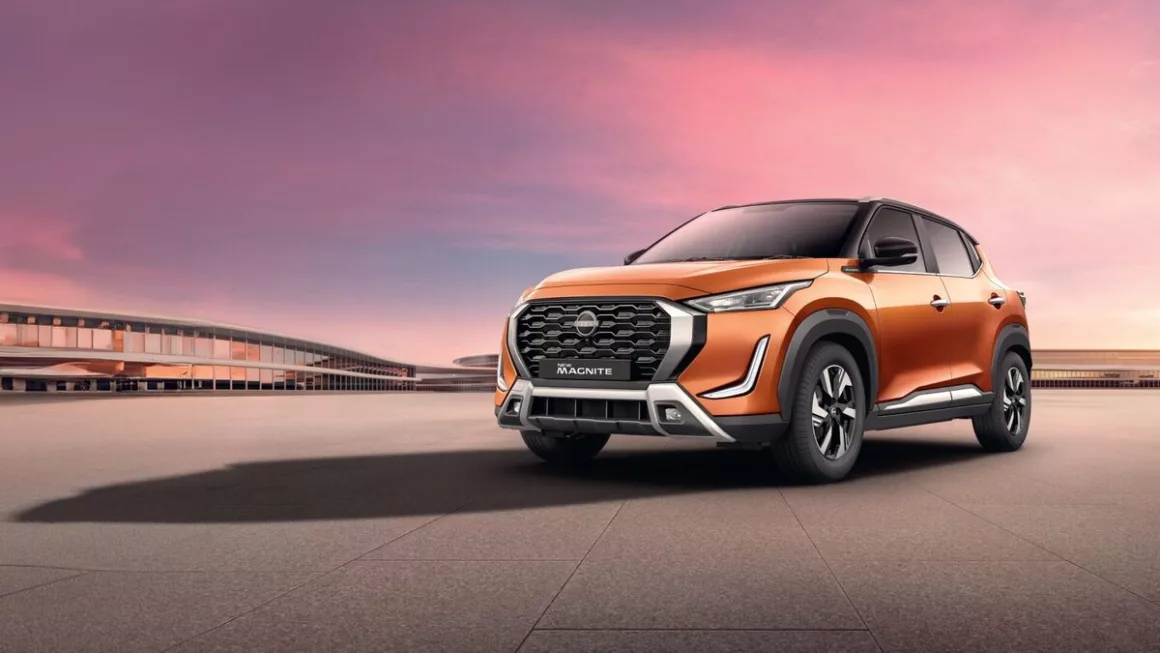
Nissan Magnite
The Magnite is Nissan’s subcompact SUV, designed to offer affordability, bold styling, and strong feature value in its segment. It has become the brand’s bestseller in India.
- Engine: 1.0L naturally aspirated petrol / 1.0L turbo-petrol
- Transmission: 5-speed manual, 5-speed AMT (NA), CVT (turbo)
- Mileage: ~17.5-20 kmpl (ARAI)
- Fuel type: Petrol, E20-ready from April 2023
- Variants: XE, XL, XV, XV Premium
Warranty Guidelines for Magnite on E20 Fuel
| Model | Warranty Period |
| Magnite (Apr 2023 onwards) | 2 years / 50,000 km (standard) + extended warranty up to 5 years / 1,00,000 km |
Nissan Kicks (Petrol)
The Nissan Kicks was a premium compact SUV positioned above the Magnite, offering more space and stronger performance. While it has been discontinued recently, its last BS6 petrol variants were updated to be E20-compatible from April 2023.
- Engine: 1.5L naturally aspirated petrol / 1.3L turbo-petrol
- Transmission: 5-speed manual (1.5L), 6-speed manual & CVT (1.3L turbo)
- Mileage: ~14-16 kmpl (ARAI, depending on engine)
- Fuel type: Petrol, E20-ready from April 2023
- Variants: XL, XV, XV Premium
Warranty Guidelines for Kicks on E20 Fuel
| Model | Warranty Period |
| Kicks (Apr 2023 onwards) | 2 years / 50,000 km (standard) + extended warranty up to 5 years / 1,00,000 km |
How to Check if Your Nissan Car is E20-Compatible
While all Nissan petrol cars manufactured from April 2023 onwards are E20-ready, owners of older models should verify before filling with higher ethanol blends. Here are simple ways to check:
- Owner’s Manual – The manual specifies the recommended fuel. For BS6 Phase 2 models, it clearly mentions E20 compatibility.
- Fuel Lid Sticker – Many E20-certified Nissans carry an “E20” marking inside the fuel cap area.
- Dealership Support – Nissan service centres can confirm E20 readiness using your VIN (Vehicle Identification Number).
- Official Sources – Nissan’s brochures, website, and press releases highlight fuel compatibility for each model year.
For cars built before April 2023, it’s best to stick with E10 petrol until Nissan introduces an official retrofit or upgrade kit.
Impact of E20 on Nissan Cars
E20 fuel brings both benefits and considerations for Nissan owners.
- Mileage: Ethanol has a lower energy density than petrol, so E20 may cause a 2-4% drop in fuel efficiency. Nissan’s BS6 Phase 2 petrol engines are tuned to minimise this effect.
- Performance: With a higher octane rating, E20 helps reduce knocking. In Nissan’s compliant engines, performance differences are negligible for everyday driving.
- Engine Durability: Ethanol can corrode non-resistant rubber and metal parts. However, E20-ready Nissans use ethanol-resistant materials in their fuel systems, ensuring reliability.
- Resale Value: As India transitions fully to E20 by 2025, owning an E20-compliant Nissan (like the Magnite or BS6 Kicks) will likely boost resale demand compared to older, non-certified cars.
For cars manufactured before April 2023, using E20 without certification could risk warranty claims and premature component wear.
Summary
India’s transition to E20 fuel by 2025 is a major step toward greener mobility and reduced oil dependence. For Nissan owners, compatibility is crucial to maintain performance, efficiency, and warranty coverage.
All Nissan petrol models manufactured from April 2023 onwards, including the Magnite and the last BS6 versions of the Kicks, are certified E20-ready. These vehicles use ethanol-resistant components and optimised calibrations to handle the blend safely. Older Nissan models should continue with E10 until official retrofit options are announced.
With this readiness, Nissan customers can confidently adopt E20, knowing their cars are built for the future of India’s fuel ecosystem.
FAQs
Q. What is E20 fuel, and when will it be available in India?
E20 is a petrol blend containing 20% ethanol. The Indian government aims to make it available nationwide by 2025, with phased rollouts already underway.
Q. Are all Nissan cars E20-compatible?
No. Only petrol Nissan models manufactured from April 2023 onwards, like the Magnite and final BS6 Kicks, are E20-ready. Older cars remain E10-compatible unless Nissan offers upgrades.
Q. Will E20 fuel affect my Nissan’s mileage?
Yes, mileage may drop slightly (≈2-4%) due to ethanol’s lower energy density. Nissan has tuned its E20-ready engines to minimise this effect.
Q. Does using E20 void my Nissan warranty?
No, for certified models (April 2023 onwards), E20 use is covered under warranty. For non-certified older models, using E20 may affect warranty claims.
Q. How can I check if my Nissan car is E20-ready?
You can confirm via your owner’s manual, fuel lid sticker, or by contacting a Nissan dealer with your VIN. Nissan’s brochures and press releases also list compatibility details.