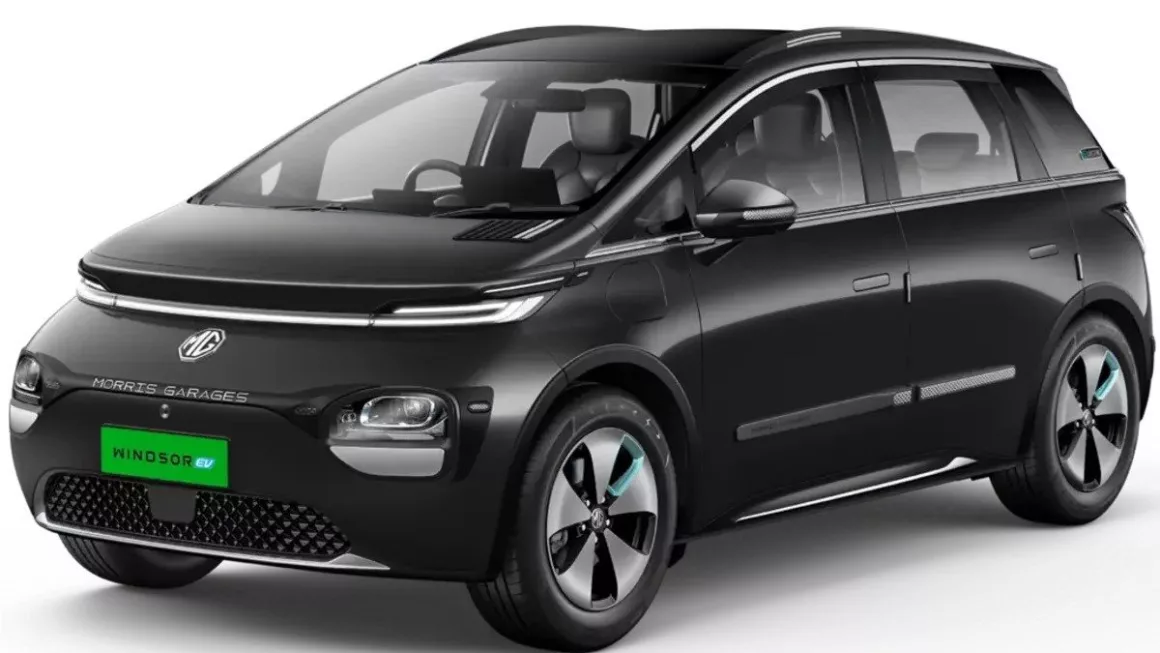
Buying an EV changes the warranty conversation. In a petrol or diesel car, the most expensive risk typically sits around the engine and transmission. In an EV, the costliest components are the high-voltage battery pack, the traction motor, and the power electronics that control charging and drive.
This guide explains MG Motor EV warranty in India in a simple, owner-friendly way: what the standard warranty usually covers, how battery and motor coverage typically works, what is commonly excluded, how extended warranty fits in, and what to do if you need to raise a claim. Warranty terms can vary by model, variant, and purchase date, so treat this as a practical framework and confirm the exact wording in the MG warranty booklet for your vehicle.
Overview of MG Motor EV Warranty in India
Most MG electric cars come with two broad layers of warranty:
- Standard vehicle warranty: MG Motor covers the non-wear components of the car against manufacturing defects for a defined time and kilometre limit. It applies to the vehicle overall, including factory-fitted parts and systems covered under the policy.
- High-voltage EV system warranty: This is a separate, longer warranty that focuses on core EV hardware, typically the high-voltage battery pack and traction motor, plus certain related EV systems as defined by MG.
Before the table, keep one important point in mind: the car warranty and the EV system warranty can run on different timelines. You could still be inside battery warranty even if the standard vehicle warranty period is over.
| Warranty layer | What it usually covers | What you should check in your booklet |
| Standard vehicle warranty | Defects in materials or workmanship for covered vehicle parts and factory-fitted systems | Duration, km limit, scheduled service requirements, and exclusions for wear items |
| EV system warranty | Core high-voltage components such as the battery pack and traction motor, as defined by MG | Exact list of EV components included, coverage conditions, and what is treated as normal ageing |
| Corrosion / paint / battery related sub-terms (if applicable) | Some brands list separate terms for paint, body corrosion, and specific EV sub-systems | Separate validity, conditions, and inspection requirements |
A good way to use this structure is to ask your dealer a simple question at delivery: “Which warranty covers what, and which warranty ends first for my exact variant?” It prevents most misunderstandings later.
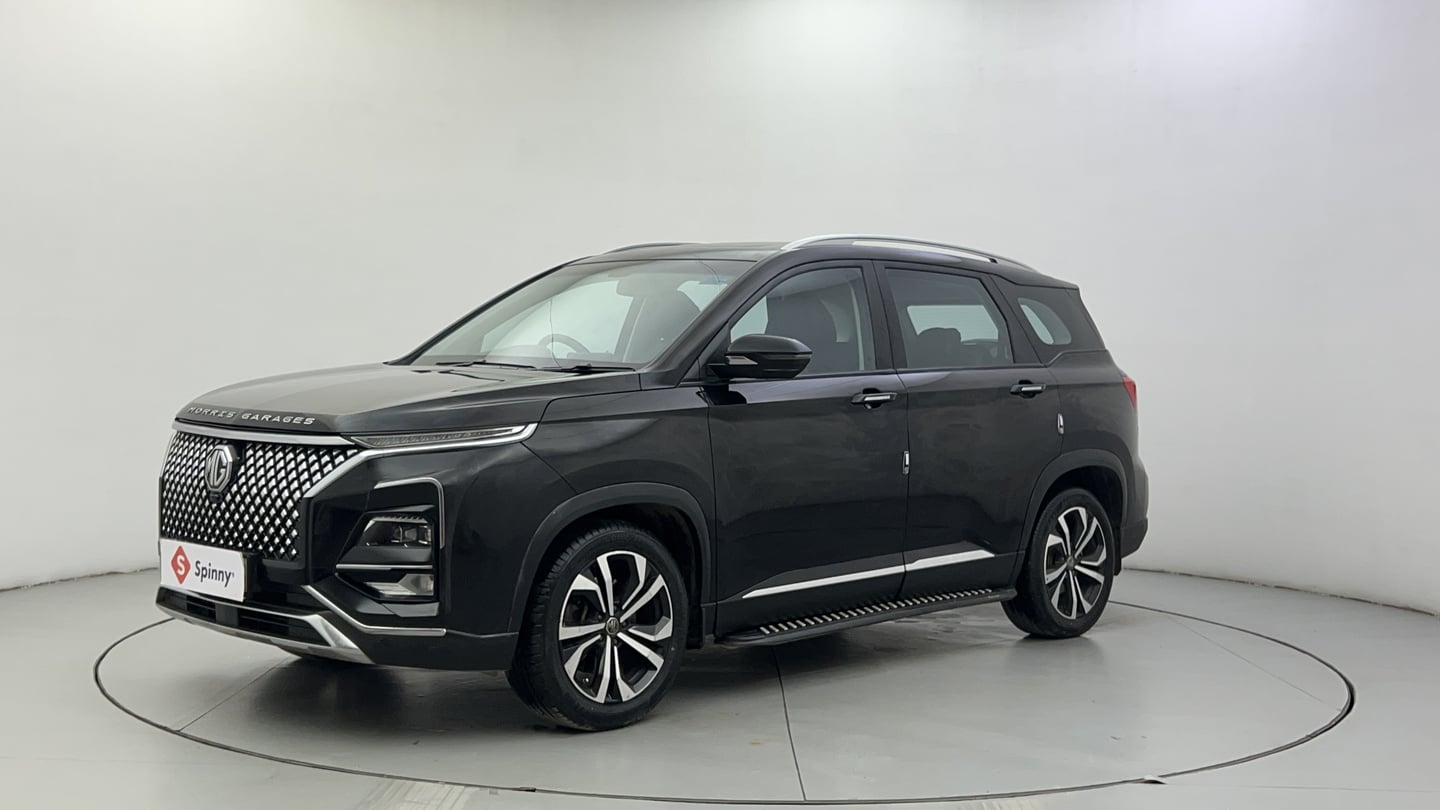
MG EV Warranty Coverage Details
MG’s EV warranty is designed to cover manufacturing defects and premature failures under normal use. It is not meant to cover damage from accidents, misuse, or skipped maintenance. For EVs, this distinction matters more than people expect because a battery pack sits inside the floor structure and can be affected by impacts, flood exposure, and improper repairs. Two practical rules that usually decide how smooth your warranty experience will be:
- Service and inspection compliance matters: Even EVs need periodic checks, software updates, and inspections. Missed service intervals and incomplete records can create friction during a claim.
- “External cause” versus “manufacturing defect” matters: A defect-related failure is typically covered. Damage from impact, water exposure beyond intended use, tampering, or improper charging setups is usually not.
Components Covered under MG EV Warranty
Coverage varies by model and policy, but MG EV warranty coverage typically centres on systems that should not “wear out” in normal ownership.
High-voltage battery pack (as per policy definition): This generally covers defects in the battery pack and its integrated systems as defined in the warranty booklet. The battery pack is not just cells. It is a complete system that can include modules, sensors, thermal management components, and a battery management system.
Traction motor and EV drivetrain components (as per policy definition): The traction motor is the EV equivalent of the engine, and it usually includes related drivetrain hardware and control elements specified by MG.
Power electronics and charging-related vehicle hardware (as per policy definition): EVs rely on key electronic components that manage energy flow, charging and conversion. Coverage depends on what MG explicitly includes under standard warranty or EV system warranty.
Factory-fitted electrical and electronic systems: Standard vehicle warranty typically covers manufacturing defects in factory-fitted systems such as switches, sensors, displays, wiring harnesses, and control modules, subject to exclusions and conditions.
Software and diagnostics support (case dependent): Many EV issues are resolved through diagnostics and software updates. Coverage here is usually about defect resolution rather than “free upgrades,” but authorised service support is a real advantage in EV ownership.
Components not covered under MG EV Warranty
This is where most owners get surprised, especially first-time electric car buyers. These exclusions are common across brands in India, not unique to MG.
- Wear-and-tear parts and consumables: Tyres, brake pads, brake discs, wiper blades, bulbs, trims, interior wear, and similar consumables are typically excluded unless there is a clear manufacturing defect.
- Accident and impact damage: If the car has suffered an impact, underbody scrape, or crash, damage to the battery casing, wiring, suspension, steering, or electronics is generally handled under insurance, not warranty.
- Water ingress and flood-related damage: EVs are engineered with protection, but damage arising from avoidable water exposure or flood conditions can be excluded depending on circumstances and policy assessment.
- Unauthorised modifications, tampering, and aftermarket wiring: Aftermarket electrical accessories, non-approved wiring changes, performance modifications, or any tampering with EV systems can void warranty for affected components and sometimes broader areas if it is linked to the failure.
- Improper charging practices or unsafe equipment: Using damaged charging equipment, unsafe electrical connections, non-compliant installations, or repeated charging behaviours that breach policy guidance can lead to claim disputes if they contribute to component damage.
- Skipped services or missing documentation: Even if the issue is genuine, missing service records and delayed inspections can become grounds for rejection or partial support depending on the case.
The simplest way to avoid warranty trouble is to treat EV charging equipment and electrical accessories with the same seriousness you treat engine oil quality in an ICE car.
MG Extended Warranty Plans
Extended warranty is a paid add-on that extends protection for the vehicle beyond the standard warranty period. It can be valuable if you plan to keep your MG EV for several years and want more predictable repair costs for covered components.
Before you consider a plan, keep two points clear:
- Extended warranty often applies to the standard vehicle coverage window: Battery and motor coverage is often governed by a separate EV system warranty. Extended warranty may not extend high-voltage battery coverage unless the plan explicitly says so.
- Terms vary by model and purchase timing: Extended warranty availability, kilometre caps, and pricing often depend on the model, the variant, and whether you buy the plan at delivery or later.
Most extended warranty plans are structured as additional years of coverage (for example, adding one or two extra years beyond the standard warranty). Some plans can also be bundled with service packages. The best time to buy is typically at the time of purchase or within the brand’s allowed early-ownership window, because eligibility can tighten once the car ages or crosses certain kilometre thresholds.
How to choose the right extended warranty plan:
- If you plan to sell within the standard warranty period, extended warranty may not deliver full value.
- If you plan to keep the EV long-term, extended warranty can be worth it for electronics, AC components, and other systems that can be expensive outside warranty.
- Ask specifically whether the plan adds any coverage for EV-specific components beyond the base HV warranty, and get the answer documented on the plan terms.
MG EV Warranty Claim Process
A warranty claim is essentially a diagnosis, evidence, and approval flow. You do not “claim” the warranty directly. The authorised service centre diagnoses the issue and processes it under warranty if it fits the coverage rules. Here’s a step-by-step process:
- Book a visit at an authorised MG service centre: EV systems need specialised tools and trained technicians. Warranty assessment is typically done only at authorised workshops.
- Explain the symptom clearly: Share when the issue started, any warning messages, whether it happens consistently, and what driving or charging conditions were involved. This reduces diagnosis time.
- Carry important documents: Keep your service history, warranty details, and vehicle documents handy. If you have past job cards related to the same issue, carry those too.
- Let the service team run diagnostics: EV faults often require scan tools and system logs. The workshop will identify the cause and whether it appears defect-related or external-cause related.
- Warranty eligibility check and approval: If the issue is covered, the service centre processes it as a warranty job. If some parts are excluded, you’ll typically receive an estimate for the non-covered work.
- Repair or replacement: High-voltage repairs follow safety procedures, and part availability can influence timelines. Ask for expected timelines and whether a temporary solution exists.
- Collect the car and keep the job card: Even if your bill is zero, keep the paperwork. It helps with future claims and resale transparency.
If a claim is rejected and you disagree, ask for the diagnosis notes and the written reason. Many disputes are resolved once the exclusion clause and the actual cause are clarified.
FAQs about MG EV Warranty
Q. What does MG EV warranty usually include?
It typically includes a standard vehicle warranty for the car and a separate EV system warranty for key high-voltage components like the battery pack and traction motor, as defined by MG’s warranty terms.
Q. Does EV warranty cover normal range reduction over time?
Usually not. Gradual range reduction can occur with battery ageing and usage. Warranty typically focuses on defects or abnormal failures as defined in the policy, not normal ageing.
Q. Is the MG EV battery warranty transferable when selling the car?
Transfer rules depend on the specific model and policy. Many manufacturer warranties are transferable with conditions, but you should confirm the transfer process and any limits in the warranty booklet.
Q. Does extended warranty cover the high-voltage battery?
Not always. Extended warranty often extends the standard vehicle coverage. Battery coverage is typically under the separate high-voltage warranty unless the extended plan explicitly includes it.
Q. What are common reasons an EV warranty claim gets rejected?
Typical reasons include accident or impact damage, flood-related issues, unauthorised modifications or aftermarket wiring, improper charging setups, and missing service or inspection records.