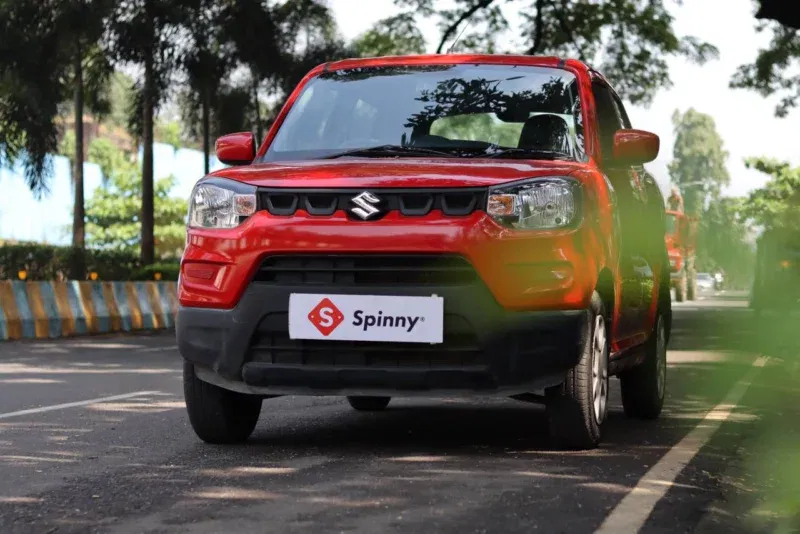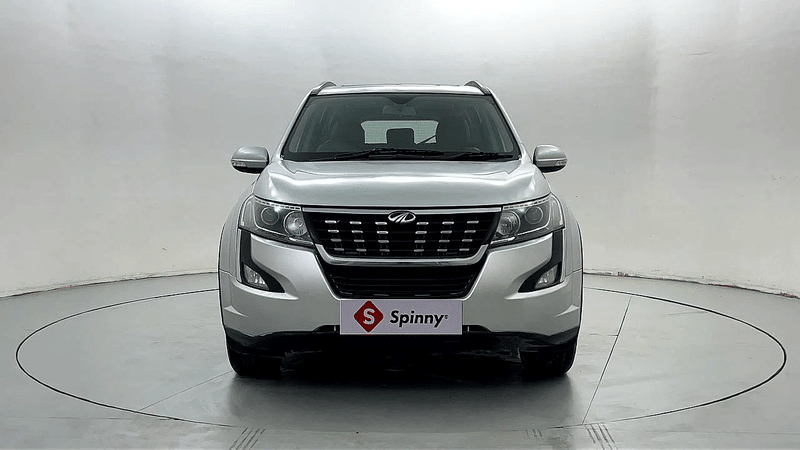
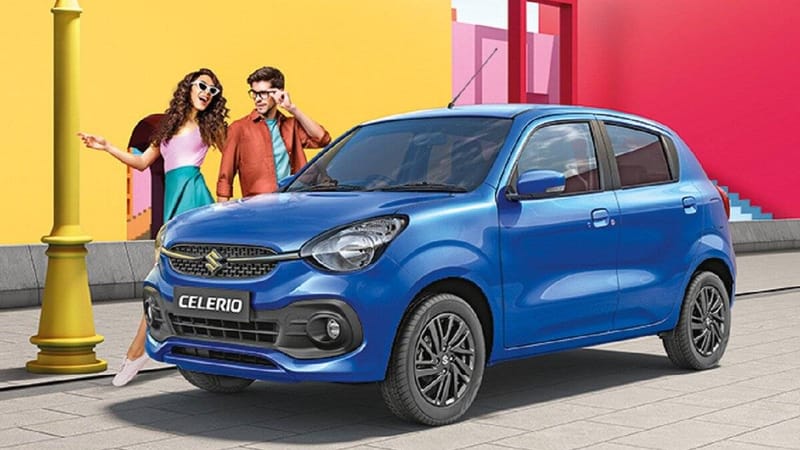
The Tata Tiago, Hyundai Grand i10 Nios, and Maruti Suzuki WagonR are considered to be among the nearest rivals of the Maruti Suzuki Celerio in the Indian hatchback market. The biggest selling point of the Celerio is its practicality as a city car, and it is ideal for buyers who are looking for a hatchback with compact dimensions, low running costs, petrol and CNG fuel options, and AMT automatic transmission. The key strength of the Celerio remains its efficiency in terms of the claimed figures provided by the AMT petrol and CNG versions.
The WagonR is the closest Maruti alternative and offers more cabin space, a larger boot and a stronger 1.2-litre petrol option. The Tata Tiago is a more substantial hatchback with a more powerful engine, richer feature set and CNG-AMT availability, while the Hyundai Grand i10 Nios focuses on refinement, comfort and a more premium cabin. Here is how all three compare with the Celerio on price, mileage, performance, features and everyday practicality.
Table of Contents
Quick Summary
- The Maruti Suzuki Celerio is currently priced from approximately ₹4.70 lakh to ₹6.75 lakh ex-showroom.
- It uses a 998cc three-cylinder petrol engine producing around 68.5 PS and 91.1 Nm.
- Buyers can choose a 5-speed manual, 5-speed AGS/AMT or factory-fitted CNG configuration.
- Claimed efficiency reaches around 26.00 km/l with the petrol AMT and 34.43 km/kg with CNG.
- The current Celerio gets six airbags as standard, along with ABS with EBD, ESP and rear parking sensors.
- The Maruti Suzuki WagonR offers a roomier cabin, a bigger boot and a more powerful 1.2-litre petrol engine.
- The Tata Tiago offers stronger performance, CNG-AMT convenience, a larger infotainment system and more premium technology.
- The Hyundai Grand i10 Nios offers a smoother 1.2-litre four-cylinder engine, rear AC vents and a richer cabin.
- The Celerio remains the strongest option for buyers who place fuel efficiency and low running costs above outright performance or premium features.
- Buyers should choose between these cars based on whether they prioritise mileage, space, performance or cabin comfort.
Price and Mileage Comparison with Maruti Suzuki Celerio
The prices of the Celerio are among the lowest in its segment, with the WagonR being a bit higher but close enough to overlap with the Celerio in terms of entry prices, while the Tata Tiago stretches much beyond the Celerio in terms of features and its various CNG-AMT variants. The Grand i10 Nios also commands higher prices and is positioned as a premium hatchback.
Fuel efficiency is where the Celerio has a clear advantage. Its CNG figure of 34.43 km/kg leads this comparison, while the petrol AMT also returns up to 26.00 km/l. The WagonR comes close, but the Tiago and Grand i10 Nios focus more on performance, equipment and refinement.
| Car | Ex-showroom Price Range | Fuel Options | Best Claimed Efficiency |
| Maruti Suzuki Celerio | ₹4.70–6.75 lakh | Petrol, CNG | 34.43 km/kg CNG |
| Maruti Suzuki WagonR | ₹4.99–7.24 lakh* | Petrol, CNG, Flex Fuel | 33.47 km/kg CNG |
| Tata Tiago | ₹4.77–8.62 lakh | Petrol, CNG | Not officially published for 2026 facelift |
| Hyundai Grand i10 Nios | ₹5.60–8.04 lakh | Petrol, CNG | 26.9 km/kg CNG |
The WagonR’s ₹7.24 lakh upper figure applies to the Bioflex version; the regular petrol and CNG range tops out lower.

Also Read: Why India Loves The Maruti Suzuki Celerio
Top Alternatives of Maruti Suzuki Celerio in India
Maruti Suzuki WagonR

The closest rival to the Celerio is the WagonR, as both of these vehicles belong to the same manufacturer and are catering to the customers who are interested in low running costs, easy handling in the city areas, and ample service options. Nevertheless, the WagonR and Celerio differ in terms of the space they offer in their cabin and the different types of engines they use.
The WagonR is available with a 1.0-litre petrol engine producing around 68 hp and 91 Nm, as well as a 1.2-litre petrol engine producing around 91 hp and 114 Nm. Manual and AMT gearboxes are available, while selected 1.0-litre variants also offer factory-fitted CNG. This gives the WagonR more performance flexibility than the Celerio, which uses only the 1.0-litre K10C engine.
Why it is better than Maruti Suzuki Celerio
The major advantage of the WagonR over the Celerio is concerning interior space. The height of the body gives more headroom and also makes ingress/egress easier. The driving position is also upright, which benefits those who are either older or prefer a high driving position in urban areas.
Boot space is another strong point. The WagonR offers around 335–341 litres, compared with approximately 292 litres in the Celerio.
The 1.2-litre engine gives the WagonR another strong reason to prefer it over the Celerio, which produces a marked power rating of about 91 hp and 114 Nm vis-à-vis 68.5 PS and 91.1 Nm of the Celerio.
Safety equipment is competitive too. The current WagonR offers six airbags and ESP, bringing it broadly in line with the updated Celerio on basic safety equipment.
The WagonR retains many of the advantageous aspects of the ownership of Celerio. The options of manual transmission, AMT and the factory-fitted CNG are still open, so customers do not have to sacrifice convenience and low fuel expenditure in order to enjoy more space.
The Celerio still has an important advantage in efficiency. Its petrol AMT can return around 26.00 km/l, while the CNG version claims 34.43 km/kg. The WagonR comes close, but does not quite match those headline figures.
While the Celerio is lower and thus a more conventional car, customers may prefer the relatively higher body of the WagonR for the practicalities that it provides. Overall, the WagonR is a better choice than the Celerio for someone who values space and performance despite lower fuel economy ratings of the car.
Price Comparison: Maruti Suzuki WagonR vs Maruti Suzuki Celerio
The WagonR starts only slightly above the Celerio, while its stronger 1.2-litre and higher-spec versions extend further.
| Variant | Maruti Suzuki WagonR Price Range | Maruti Suzuki Celerio Price Range |
| Base-variant | LXi 1.0 MT: ₹4.99 lakh | LXi MT: ₹4.70 lakh |
| Mid-variant | VXi / ZXi: Approx. ₹5.54–6.43 lakh | VXi / ZXi: Approx. ₹5.10–6.20 lakh |
| Top-variant | ZXi+ AGS: Approx. ₹6.97 lakh | ZXi+ AGS: ₹6.75 lakh |
Also Read: Complete Guide on Buying: Maruti Suzuki Wagon R
Tata Tiago
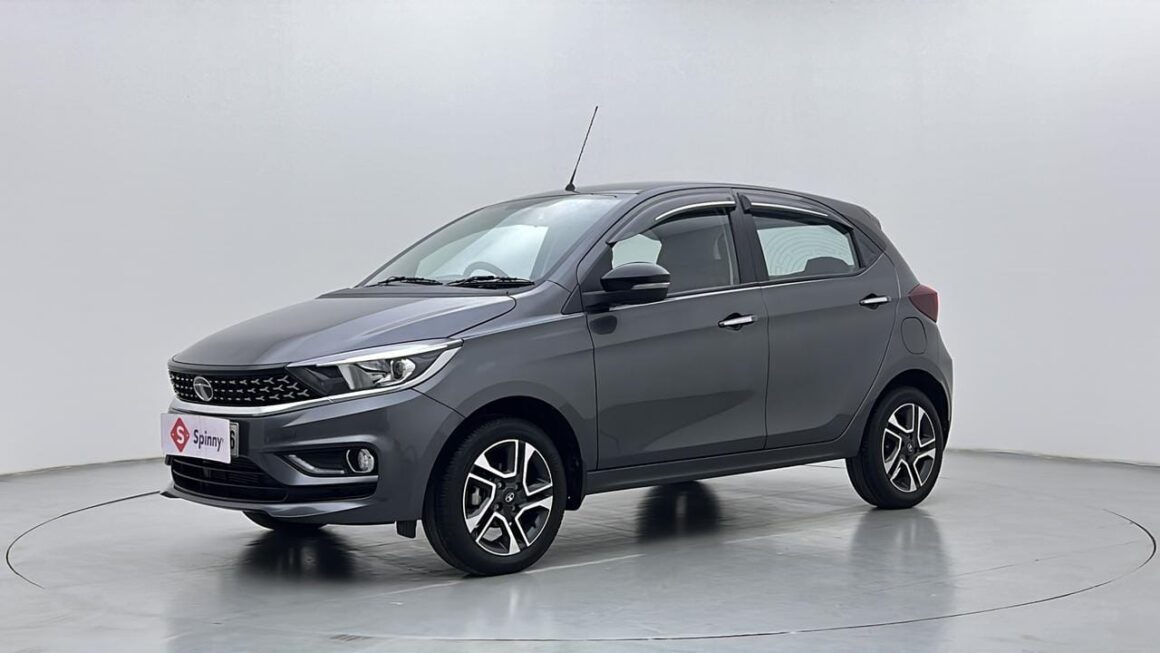
The Tata Tiago is among the best alternatives for buyers looking for more performance and a better hatch experience. It is a lot heavier, wider and has substantially more power compared to the Celerio. Further, the 2026 update has made it even more modern in terms of its interior.
The Tiago uses a 1.2-litre three-cylinder petrol engine producing around 86 hp and 113 Nm, paired with either a 5-speed manual or 5-speed AMT. Its CNG version produces lower output, but an important advantage is that Tata offers CNG with an AMT, something the Celerio does not provide.
Why it is better than Maruti Suzuki Celerio
The biggest edge is that it comes with better performance. The Tiago’s engine is 1.2 litres in size, which generates much more power and torque when compared to the 1.0-litre engine of the Celerio, making it much better for highway driving and carrying a full passenger load.
The CNG-AMT is another major benefit. Celerio buyers who want CNG must choose a manual gearbox, while the Tiago allows buyers to combine lower CNG running costs with two-pedal convenience. For buyers dealing with daily urban traffic, that can be a significant advantage.
Along with this, the 2026 Tiago offers much better technology as well. Depending on the variant, there can be features like a 10.25-inch touchscreen, a digital instrument cluster, wireless smartphone connectivity and chargers, a 360-degree camera, a blind-spot monitor, rear AC vents and cruise control.
This makes the Tiago feel considerably more modern than the Celerio, especially in its upper variants.
Moreover, the presence of the Tiago is very prominent at highway speeds. It has a heavier body and better suspension tuning, which gives it a sense of more weight on the road that appeals to people who drive long distances.
Safety and convenience features are also strong, with up to six airbags, ESP, hill-hold control, ABS with EBD and ISOFIX available depending on the variant.
The foremost compromise is efficiency. As of now, Tata has yet to provide a clean certified efficiency rating for the revamped 2026 Tiago, whereas the Celerio is very well known to offer up to 26.00 km/l in petrol AMT and 34.43 km/kg in CNG. Therefore, those who are only interested in savings on fuel will prefer the Maruti.
The Tiago also becomes much more expensive at the top end. It makes sense for buyers who are willing to spend more for performance, technology and CNG-AMT convenience.
Price Comparison: Tata Tiago vs Maruti Suzuki Celerio
The Tiago begins at a similar price point as the Celerio but goes on to cover far higher CNG-AMT models and feature-loaded variants as well.
| Variant | Tata Tiago Price Range | Maruti Suzuki Celerio Price Range |
| Base-variant | Smart Petrol MT: ₹4.77 lakh | LXi MT: ₹4.70 lakh |
| Mid-variant | Pure / Pure+: Approx. ₹5.50–7.70 lakh | VXi / ZXi: Approx. ₹5.10–6.20 lakh |
| Top-variant | Creative CNG AMT: ₹8.62 lakh | ZXi+ AGS: ₹6.75 lakh |
Also Read: Complete Buying Guide: Tata Tiago
Hyundai Grand i10 Nios
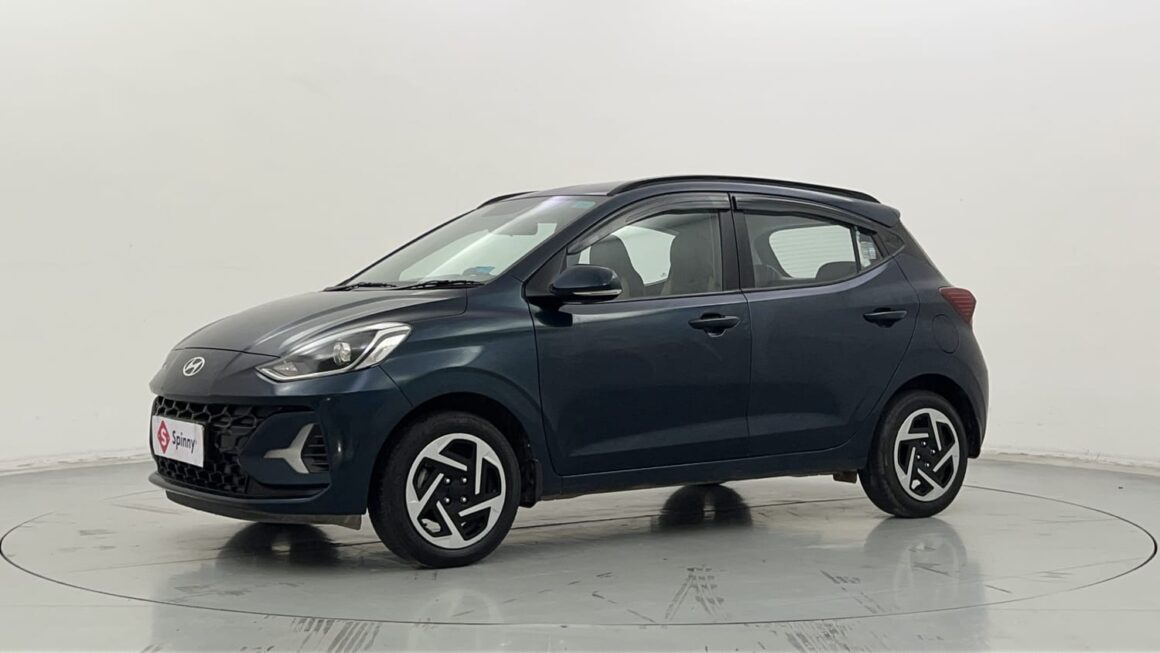
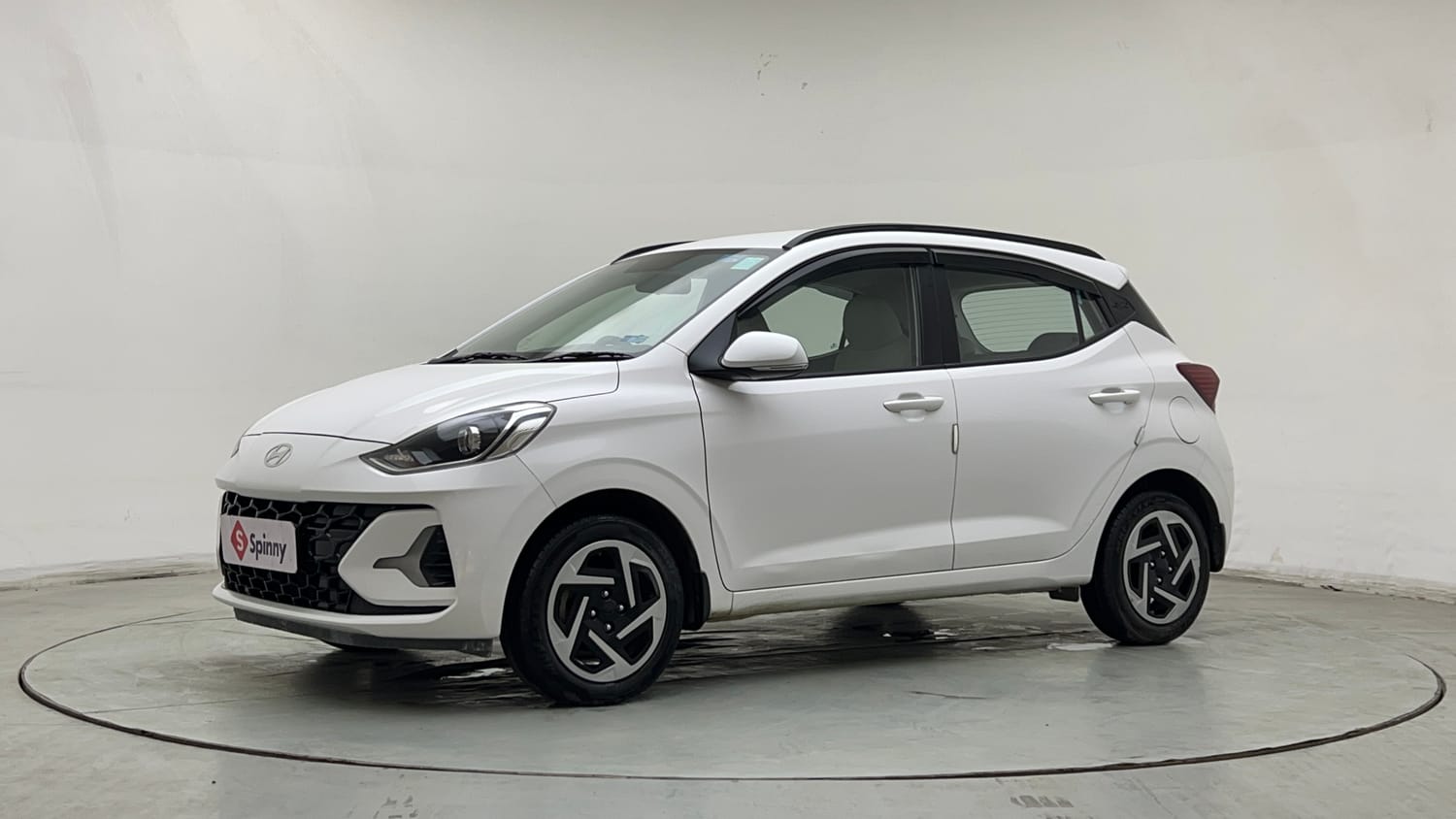
When compared to other vehicles in the same category, Hyundai Grand i10 Nios ranks the highest. It comes with a higher price tag compared to the Celerio but comes with a bigger engine, better engine refinements, and a better set of comfort features.
The Grand i10 Nios uses a 1.2-litre four-cylinder petrol engine producing around 83 PS and 113.8 Nm, paired with a 5-speed manual or 5-speed AMT. Factory-CNG variants are also available with a manual gearbox.
The importance of the four-cylinder engine is that it provides a smoother and quieter experience compared to the Celerio’s three-cylinder 1.0-litre engine, particularly when idling and when accelerating at lower speeds.
Why it is better than Maruti Suzuki Celerio
Refinement is the biggest advantage. The Grand i10 Nios feels more polished in everyday driving, with smoother engine operation, better sound insulation and a more premium cabin.
In terms of passenger room, it also performs better. The Hyundai is about 1,680mm wide compared to the Celerio’s 1,655mm, which increases shoulder room. In addition, its bigger body size and slightly bigger wheelbase provide it with more of a small family car presence.
Comfort equipment is another major reason to choose it. Depending on the variant, the Grand i10 Nios can offer an 8-inch touchscreen, wireless Android Auto and Apple CarPlay, cruise control, rear AC vents, automatic climate control, wireless charging, push-button start and a rear-view camera.
Six airbags are standard across the current range, keeping its safety equipment competitive with the Celerio.
The better engine also means better performance. With 83 PS and 113.8 Nm behind it, the Hyundai has an advantage over the Celerio in overtaking and carrying multiple passengers while not being categorised as a sporty hatchback.
The Celerio’s biggest counterargument is fuel efficiency. The Hyundai’s petrol and CNG figures are considerably lower, so buyers with very high monthly usage may spend more on fuel.
The Celerio also has an entry cost of about ₹90,000 less than that of competitors and maintains that advantage at the higher end as well. If you want low upfront cost as well as running expenses, there is no better value option.
The Grand i10 Nios is better for buyers willing to pay more for refinement, cabin comfort and a larger-engine experience.
Price Comparison: Hyundai Grand i10 Nios vs Maruti Suzuki Celerio
The Hyundai is more expensive at every comparable level, reflecting its larger engine and richer feature package.
| Variant | Hyundai Grand i10 Nios Price Range | Maruti Suzuki Celerio Price Range |
| Base-variant | Era MT: ₹5.60 lakh | LXi MT: ₹4.70 lakh |
| Mid-variant | Magna / Corporate / Sportz: Approx. ₹6.30–7.40 lakh | VXi / ZXi: Approx. ₹5.10–6.20 lakh |
| Top-variant | Asta AMT: ₹8.04 lakh | ZXi+ AGS: ₹6.75 lakh |
Also Read: Complete Buying Guide: Hyundai Grand i10 NIOS
Summary
One of the finest hatchbacks for buyers who value mileage and low running cost is the Maruti Suzuki Celerio. Its petrol AMT variant gives as much as 26.00 km/l while the CNG version claims a mileage of 34.43 km/kg. With manual, AMT and CNG variants, it is quite versatile for city driving requirements.
The Maruti Suzuki WagonR is the closest alternative and is the better choice for buyers who want more headroom, a bigger boot and the option of a stronger 1.2-litre engine.
For buyers who desire more technology and stronger performance, Tata Tiago is a better option. Especially, Tiago’s CNG-AMT setup works well for buyers who wish to enjoy the benefit of automatic technology and reduce their fuel expenses.
The Hyundai Grand i10 Nios is the strongest choice for refinement and comfort. Its smoother four-cylinder engine, rear AC vents and richer cabin make it feel more premium, although it costs more and is less fuel-efficient.
For outright efficiency, the Celerio remains difficult to beat. The WagonR wins on space, the Tiago on features and CNG-AMT convenience, and the Grand i10 Nios on refinement.
Also Read: Comparison: New Maruti Suzuki Celerio vs Used Maruti Suzuki Celerio
FAQs About Maruti Suzuki Celerio Alternatives
Q. What are the best alternatives to the Maruti Suzuki Celerio?
The Maruti Suzuki WagonR, Tata Tiago and Hyundai Grand i10 Nios are among the strongest alternatives. The WagonR offers more space, the Tiago more performance and features, and the Grand i10 Nios better refinement.
Q. Is WagonR better than Celerio?
The WagonR is better for buyers who want a taller cabin, larger boot and a more powerful 1.2-litre engine. The Celerio is better for buyers who prioritise fuel efficiency and a slightly lower purchase price.
Q. Which Celerio alternative gives the best mileage?
Among the alternatives, the WagonR comes closest to the Celerio, with CNG efficiency of around 33.47 km/kg. The Celerio itself remains ahead at approximately 34.43 km/kg.
Q. Is Tata Tiago better than Celerio?
The Tiago is better for buyers who want stronger performance, CNG-AMT availability and more advanced features. The Celerio remains more attractive for buyers focused on proven fuel efficiency and lower running costs.
Q. Does Maruti Suzuki Celerio come with an automatic transmission?
Yes. Selected petrol variants are available with Maruti Suzuki’s 5-speed AGS/AMT. The factory-CNG version is manual-only.
Q. Is Grand i10 Nios better than Celerio?
The Grand i10 Nios is better for buyers who want a smoother four-cylinder engine, a more premium cabin and stronger comfort features. The Celerio is cheaper and considerably more fuel-efficient.