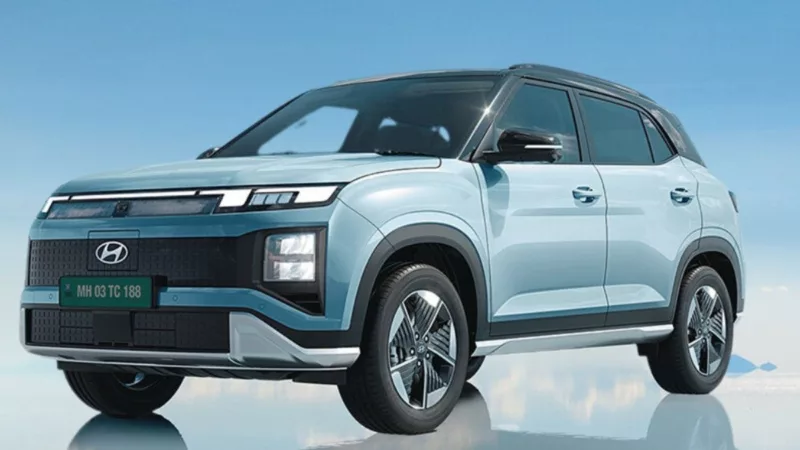
In recent news, flex-fuel has been gaining traction as an alternate, environment-friendly fuel for our vehicles. Union Minister for Road Transport and Highways Nitin Gadkari has been emphasizing car manufacturers to develop flex-fuel compliant engines for their upcoming models. Flex-fuel appears to be a viable alternate fuel to combat rising fuel prices while introducing a more eco-friendly fuel to bridge the gap to the switch to full electrification in the future. Here is everything you need to know about flex-fuels and what you can expect when the engines are introduced in the future.
What is Flex-Fuel?
Flex-fuel is an alternate fuel that combines regular petrol with either methanol or ethanol. This fuel combination is stored in the same tank of fuel and is used by the engine as a blended fuel. This is in contrast to CNG fuel systems which store petrol and CNG in separate tanks and are used separately by the engine. The ratio of ethanol to petrol can be adjusted to be any combination from full petrol to full ethanol to everything in between. The most commonly used flex-fuels use 85% ethanol and 15% petrol but this ratio can be adjusted to feature more petrol to avoid cold starting problems in cold areas.
How does Flex-Fuel work?

Unlike CNG cars, flex-fuel requires minimal modifications to the fuel system and engine to effectively use the fuel. This means flex-fuel compatibility has to be factory-engineered and cannot be fitted in the after-market. The changes to the fuel system and engine are meant to make the engines resistant to ethanol, which can be corrosive to engines. For consumers, this means very little change in the way they drive, which can help mass adoption of the fuel at a rapid rate.
Advantages of Flex-Fuel
Driving a flex-fuel car can have several benefits for you and the environment. These include:
Cleaner Fuel
As flex-fuel features a blend of ethanol and petrol, it a cleaner burning fuel than pure petrol or diesel. This is due to ethanol being a cleaner fuel that produces fewer toxic fumes and particles when burned. This helps flex-fuel be a more eco-friendly fuel that will help reduce emissions in many of India’s polluted cities.
Flexible Usage
Flex-fuel engines are designed to be used with any blend of ethanol and petrol. This means that you are not restricted to using a specific fuel like CNG and can use any available fuel, including pure petrol. Flex-fuel provides the flexibility to use pure petrol when in rural areas or on highway drives while using a high blend in the city. The sensors in the car are designed to sense the blend of the fuel and adjust how it uses the fuel accordingly.
Sustainable Source
Ethanol and methanol are more sustainable fuels that are sourced from food crops like corn and sugar cane. This helps reduce the overall cost of the fuel while at the same time reducing the carbon footprint from processing the fuel.
Similar Performance
CNG-fueled cars are known to produce less power than their petrol counterparts. This is not the case with flex-fuel cars as they still use some petrol in the fuel, which provides similar, and sometimes better, performance than pure petrol cars.
Disadvantages of Flex-Fuel
As with any new technology, there are a few drawbacks to using flex-fuel. These include:
Nationwide Adoption
The greatest barrier to flex-fuel adoption is the infrastructure investment required to make the switch. Current engines will not be fully compatible with flex-fuels, which means fuel stations will need to cater to both pure petrol and flex-fuel cars by adding the appropriate infrastructure. Current car owners will also be slow to adopt the fuel as they will only buy a flex-fuel car after they either scrap or sell their pure petrol car. This slows down the rate of adoption for this technology.
Increased Engine Wear
While the engines will be designed to adjust to the blend of fuel used, the ethanol component in the flex-fuel will cause greater wear and stress on the engines. This might translate to higher maintenance costs during the time the technology matures and improves reliability.
Lower Mileage
While ethanol burns cleaner, it also contains less energy than pure petrol. Thus, a flex-fuel car will use more fuel as compared to a conventional petrol car. However, the lower fuel prices of flex-fuel can help offset the costs of a lower mileage. At present, lower fuel prices alone could lead to many adopting flex-fuel in India despite the low mileage.
When can I expect to drive a flex-fuel car?
While the introduction of flex-fuel might be new to India, it has been used in other countries since the 1990s. Brazil, the USA, Canada, and Sweden are some countries that have a significant flex-fuel user base. Car manufacturers that produce cars for this market could be in a position to offer flex-fuel cars by next year to comply with proposed government regulation.
Renault, Honda, Hyundai, Volvo, Volkswagen are some car manufacturers that offer flex-fuel car models in Brazil and Sweden. From Renault, the Renault Duster is a car that features a flex-fuel engine in the Swedish market. Similarly, Volvo cars like the XC60 also features a flex-fuel engine for this market. Interestingly, Honda offers the Honda City with a flex-fuel engine in the Brazilian market, and it can be expected that Honda will offer the same in India when the regulation is introduced.
The introduction of flex-fuel is a step in the right direction to shift the Indian car population towards a more sustainable fuel source. While introduction of EVs in India is still not affordable enough for mass adoption, flex-fuel presents a cost-effective way to be more environmentally conscious. With a car maker like Maruti Suzuki conducting studies into flex-fuel technology for its engines, it won’t be long before you are driving a flex-fuel car for your eco-friendly Car Joy.