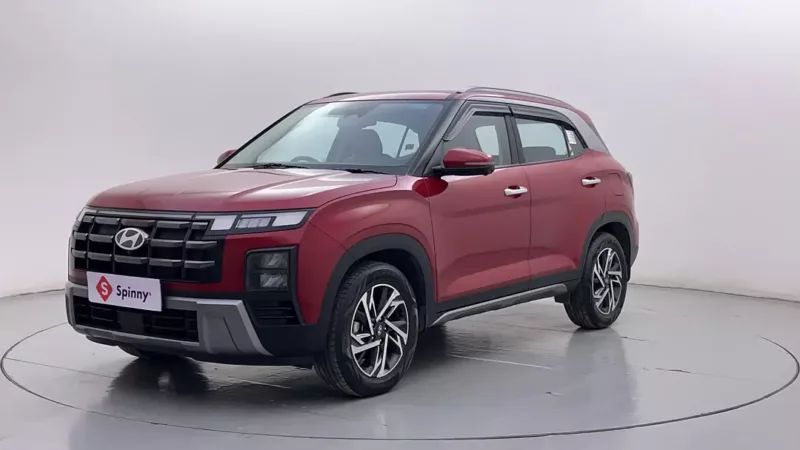
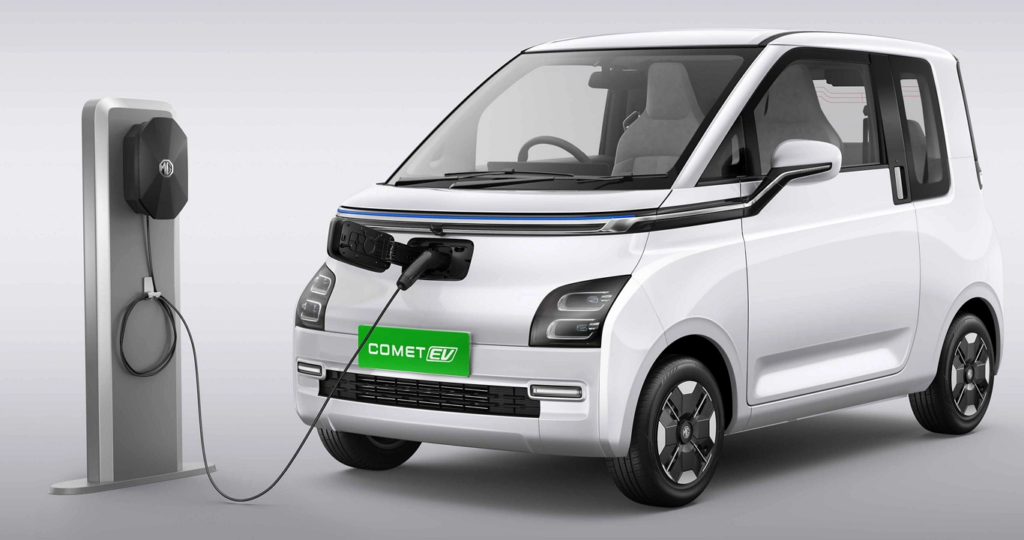
In the last couple of years, electric cars have been the preferred choice of wise and eco-friendly customers. More than 99,068 EV cars were sold in India in 2024 alone, representing a whopping 27% growth year-over-year. That isn’t a mere number—it’s a sign indicating electric cars are moving from being a niche phenomenon to a mass-market phenomenon.
With growing concerns over climate change, increased fuel prices, and high government subsidies, EVs are now not only good for the planet but also seen as affordable and great fun to drive. You’re in luck if you’re particularly interested in EV cars under ₹30 lakh. The segment is exploding with noteworthy models offering a great blend of range, features, and affordability.
In this post, we have shortlisted the best EV cars under 30 lakh in India 2025, highlighting practical, high-level features and straight talk to help you make the best decision.
Best EV Cars Under ₹30 Lakh in India (2025): Full List
Here’s a look at the top electric cars under ₹30 lakh in India this year, taking into account their range, performance, and features.
| Car | Battery Size (kWh) | Claimed Range (km) | Real-World Range (km) | Status |
| Tata Nexon EV LR | 40.5 | 465 | 340–370 | Available |
| Mahindra XUV400 EL Pro | 39.4 | 456 | 330–350 | Available |
| Tata Curvv EV | 55 (expected) | 500+ (expected) | 380–420 (est.) | Launching Soon |
| Mahindra BE.05 | 60–80 (expected) | 500+ (expected) | 400–450 (est.) | Launching Soon |
| MG ZS EV | 50.3 | 461 | 340–380 | Available |
| BYD Atto 3 | 60.48 | 521 | 420–460 | Available |
| Hyundai Kona Electric | 39.2 | 452 | 300–330 | Available |
| Citroen eC3 | 29.2 | 320 | 220–250 | Available |
| Tata Punch EV | 35 | 421 | 280–320 | Available |
| Hyundai Creta EV | 45–50 (expected) | 450–500 (expected) | 340–390 (est.) | Launching Soon |
| Maruti Suzuki eVX | 48–60 (expected) | 500+ (expected) | 380–420 (est.) | Launching Soon |
| Mahindra BE.07 (or BE.06) | ~80 (expected) | 500–550 (expected) | 420–470 (est.) | Launching Soon |
| Renault Dacia Spring EV | ~26.8 (expected) | ~230 | 160–180 (est.) | Launching Soon |
| Toyota Urban SUV Concept | ~45–50 (expected) | 400+ (expected) | 300–350 (est.) | Launching Soon |
| Kia EV5 (or EV4) | 58–64 (expected) | 450–520 (expected) | 380–430 (est.) | Launching Soon |
1. Tata Nexon EV Long Range
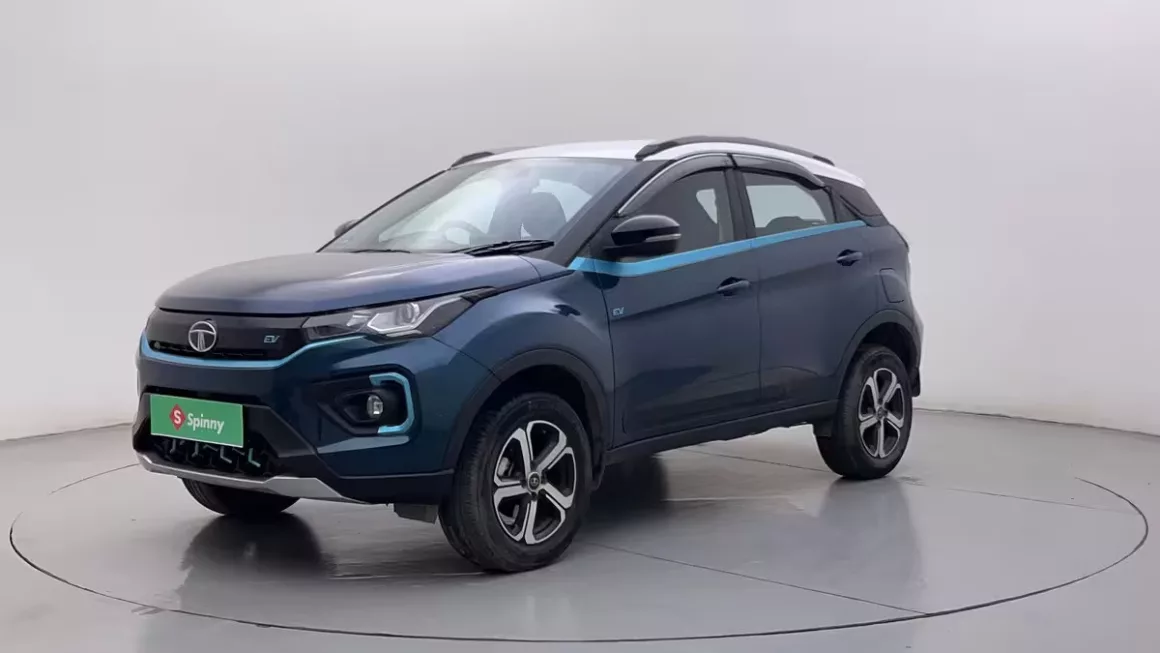
Tata Nexon EV remains the most trusted EV car in India under ₹20 lakh. The new 2025 facelift brings significant improvements, not in terms of looks alone, but also in terms of technology.
Real-World Experience:
While in normal motoring conditions, the Tata Nexon EV Long Range handles with ease and feels snappy and responsive in traffic. The smoothness of the regenerative braking has improved this year, and with paddle-shifters and several levels of regen modes, the driver has greater control over the amount of energy captured while coasting down. The real-world range to expect is between 340 and 370 km, with the variation determined by driving conditions, traffic conditions, and the use of AC.
What’s particularly noteworthy here is the cabin experience—it’s more premium than any previous Nexon. The bigger 12.3-inch infotainment screen is responsive and crisp and has Tata’s new Arcade.ev interface where one can play Netflix or YouTube while stationary. The new 10.25-inch digital driver display lends the instrument cluster a crisp, modern look.
Key Features:
- Multi-mode regen with paddle shifters
- Vehicle-to-vehicle (V2V) charging
- 5-star GNCAP safety rating
- Touch-based HVAC controls
- OTA updates and connected tech
2. Mahindra XUV400 EL Pro

Based on the tried and tested XUV300 foundation, the XUV400 EL Pro builds on what’s good and adds an electric kick. The familiar look of the vehicle belies the new cabin and technology, bringing it into 2025 in style.
Real-World Experience:
The 39.4 kWh battery provides 330-350 km of real-world range for daily commutes and short intercity trips. You also have the advantage of instant torque for inner-city overtakes and noiseless acceleration, without fuel consumption.
The new infotainment screen and digital cluster also look contemporary. Ride quality is still confident and planted on highways and B-roads in India.
Key Features:
- Fast charging: 0–80% in 50 mins
- Drive modes with adjustable regen
- 7-inch infotainment screen with Mahindra BlueSense+
- Largest boot in its segment (378L)
- Wireless Android Auto / Apple CarPlay
3. Tata Curvv EV
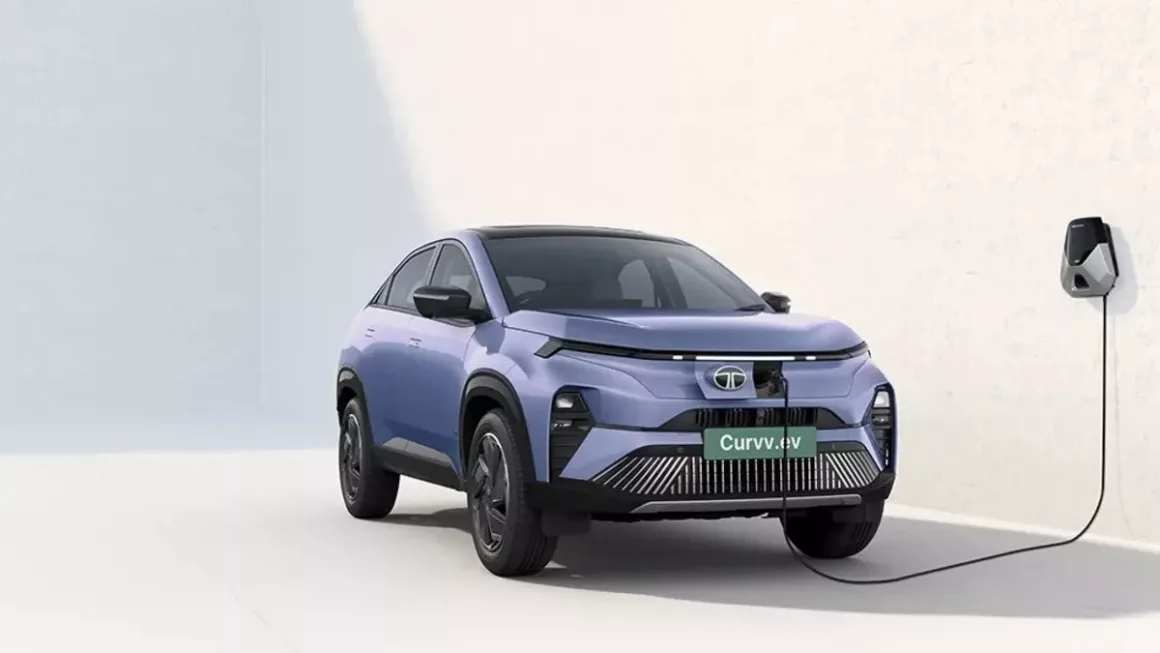
One of the hottest launches of 2025, Tata Curvv EV combines coupe looks, high-end features and a fearless design change for Indian EVs without going over the ₹30 lakh mark.
Real-World Experience:
With Tata’s Gen 2 Acti.ev platform at its core, the Curvv EV achieves an estimated real-world mileage of 380-420 km with ease, combining city drives and high-speed cruises. 55 kWh battery and around 165 PS output provide smooth and instant acceleration. The aerodynamic coupe SUV design also provides improved high-speed stability relative to most other EVs in its segment.
The interior quality eclipses the Nexon EV with the addition of a panoramic sunroof, touch-sensitive HVAC buttons and soft-touch interior. The seats in the back provide ample room, and the boot is nicely shaped for family getaways or airport trips.
Key Features:
- 12.3-inch infotainment + 10.25-inch digital cluster
- 360° camera + Blind View Monitor
- Panoramic sunroof, ventilated front seats
- Arcade.ev entertainment suite
- Level 2 ADAS
- Premium LED DRLs and coupe silhouette
4. Mahindra BE.05 (Expected Launch: Late 2025)
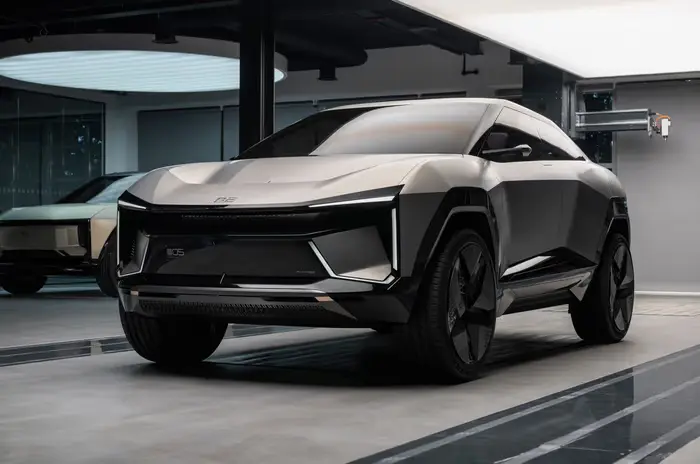
The BE.05 is a part of Mahindra’s new “Born Electric” series and its first all-electric SUV. With concept styling and serious performance aspirations, it’s designed to compete with international EVs while being priced below ₹30 lakh for its lowest variants.
Real-World Experience:
Although yet to be launched, early indications are that the INGLO platform will be developed in partnership with Volkswagen with great dynamics, battery safety, and charging times. Look for a 500+ km certified range with real-world estimates of 400-450 km based on battery specification.
Insider previews suggest a sporty cabin with few buttons, a fighter-plane-like yoke steering and two 12-inch screens. Mahindra’s aim is to bring a performance-oriented EV without any compromises on design or range, suitable for early adopters who desire something unique from Tata or MG.
Key Features:
- 60–80 kWh battery expected
- Likely AWD options on higher trims
- Futuristic dual-screen layout
- 0–100 km/h expected under 8 seconds
- ADAS, connected car tech, OTA updates
- Expected price: ₹25–30 lakh
5. MG ZS EV
The MG ZS EV is among the most sophisticated electric SUVs in the sub-₹30 lakh segment with premium quality, excellent range, and seamless urban commuting. Perfect for someone who desires his or her first EV to be a real step-up in terms of cabin comfort and design.
Real-World Experience:
The 50.3 kWh battery delivers a rated 461 km, but in mixed use—city and highway—340-380 km. The 176 PS output of the motor delivers smooth power in the mid-range. It’s one of the comfiest EVs to drive long distances, though it’s not particularly sporty. The cabin insulation is excellent and one of the quietest EVs in its class.
The ride is soft and smooth and very suitable for family use or long journeys. The 10.1-inch screen operates with MG’s i-SMART technology and has connected vehicle features, plus remote diagnostics and OTA updates.
Key Features:
- Panoramic sunroof
- 360° camera
- ADAS Level 2
- Digital key with smartphone unlock
- 5-star Euro NCAP safety rating
- Wireless Android Auto and Apple CarPlay
- Premium leatherette interiors
6. BYD Atto 3
The BYD Atto 3 has made a niche for itself with its unique styling, superior interiors and great range. While priced near ₹30 lakh, its international reputation and battery technology place it as a serious challenger in this segment.
Real-World Experience:
In real-world conditions, the 60.48 kWh battery delivers a real-world range of 420–460 km, which outshines many competitors in this segment. The 204 PS motor provides the Atto 3 with serious highway performance—it cruises quietly and steadily at triple-digit speeds.
It truly excels in cabin design and build quality. The eccentric interior design layout (the guitar-string patterned door panels and rotary touchscreen) isn’t an affectation—it’s practical and designed to impress. The suspension is comfort-tuned and swallows potholes with ease, with the steering staying light and predictable.
Key Features:
- Rotating 12.8-inch touchscreen
- 7 airbags
- PM 2.5 air filter
- ADAS with adaptive cruise, lane keep assist
- NFC card key
- Wireless charging
- V2L (Vehicle-to-load) support
7. Hyundai Kona Electric
The Hyundai Kona Electric was among the very first premium EVs in India and remains a capable performer even today. With international origins, polished handling qualities and a frugal powertrain, it’s perfect for someone who values dependability and city-to-highway usability below ₹30 lakh.
Real-World Experience:
Its 39.2 kWh battery has a claimed range of 452 km, but in real-world conditions delivers 300-330 km with ease. Where the Kona really sets itself apart is in how stable and planted it is in any situation, be it dodging potholed city streets or hugging 100+ km/h expressway speeds. The 136 PS motor provides strong acceleration in Sport mode, and the low-slung nature of the vehicle gives extra confidence when taking a bend.
The ride quality feels a touch firmer, but this is made up by its nimble handling and general driver confidence. The interior has a premium feel, although it’s a shade older than in some of the newer EVs. The cabin insulation is very good, resulting in a hushed, nearly luxury-like ride.
Key Features:
- Ventilated front seats
- 10-way powered driver seat
- Electric sunroof
- Wireless phone charging
- 7-inch digital cluster + touchscreen infotainment
- 6 airbags
- Tyre Pressure Monitoring System (TPMS)
8. Citroen eC3
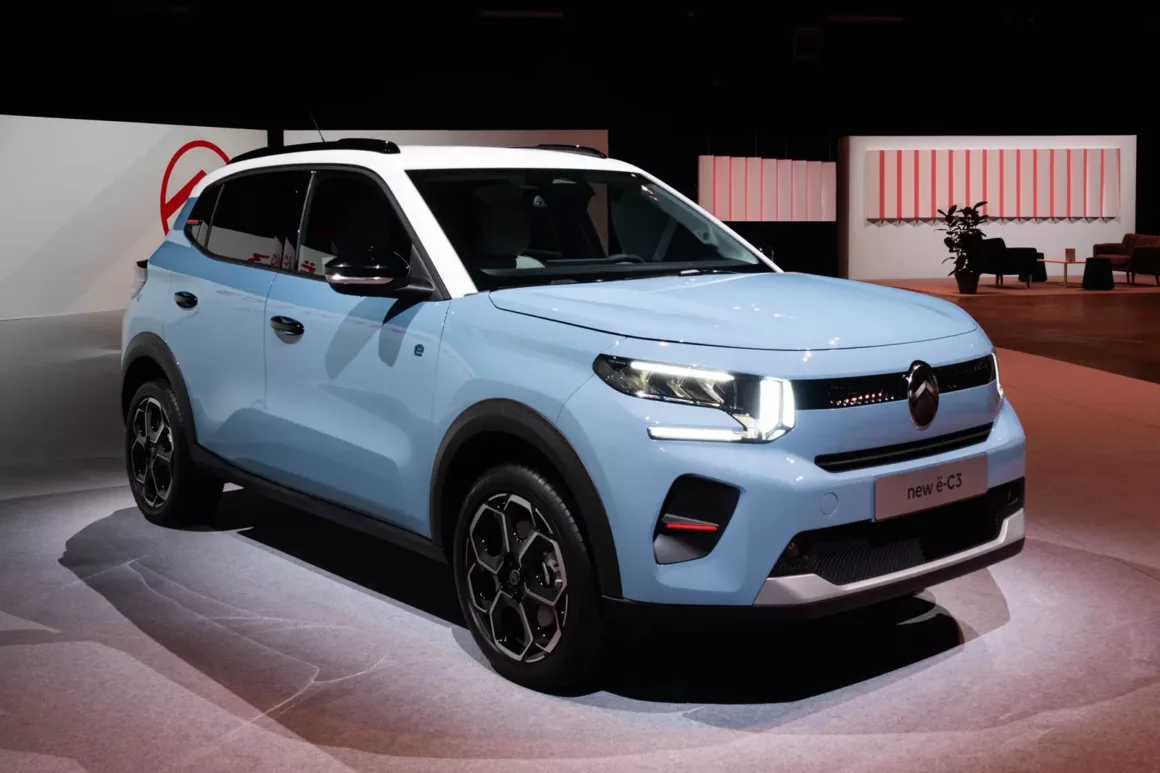
The Citroen eC3 provides affordable EV customers with an eccentric design, French comfort signatures, and a refreshingly practical EV package. It’s the sole EV in India that remains true to an entry-level hatchback formula but delivers practicality in return.
Real-World Experience:
Its 29.2 kWh battery pack gives the eC3 a real-world range of 220-250 km—sufficient for intra-city usage and even weekend drives. Where the vehicle truly outshines lies in ride quality—it cruises over potholes and bad road patches with ease because Citroen’s legendary suspension system works its magic.
The engine generates 57 PS—no sprinter by any means, but great in-city manners off the starting line and suitable for daily commuting. The interior insulation in the cabin is adequate, but road noise becomes noticeable as speeds increase. The interior design is functional and spartan, but it gets the job done with a broad touchscreen and logical controls. There’s no fast charging in the base model, and hence, the top model makes sense in terms of convenience.
Key Features:
- 10.2-inch touchscreen infotainment
- Wireless Android Auto & Apple CarPlay
- Connected car tech via MyCitroën app
- Dual airbags and ABS
- Best-in-class suspension comfort
- 3.3 kW and 7.2 kW onboard charging options
9. Tata Punch EV
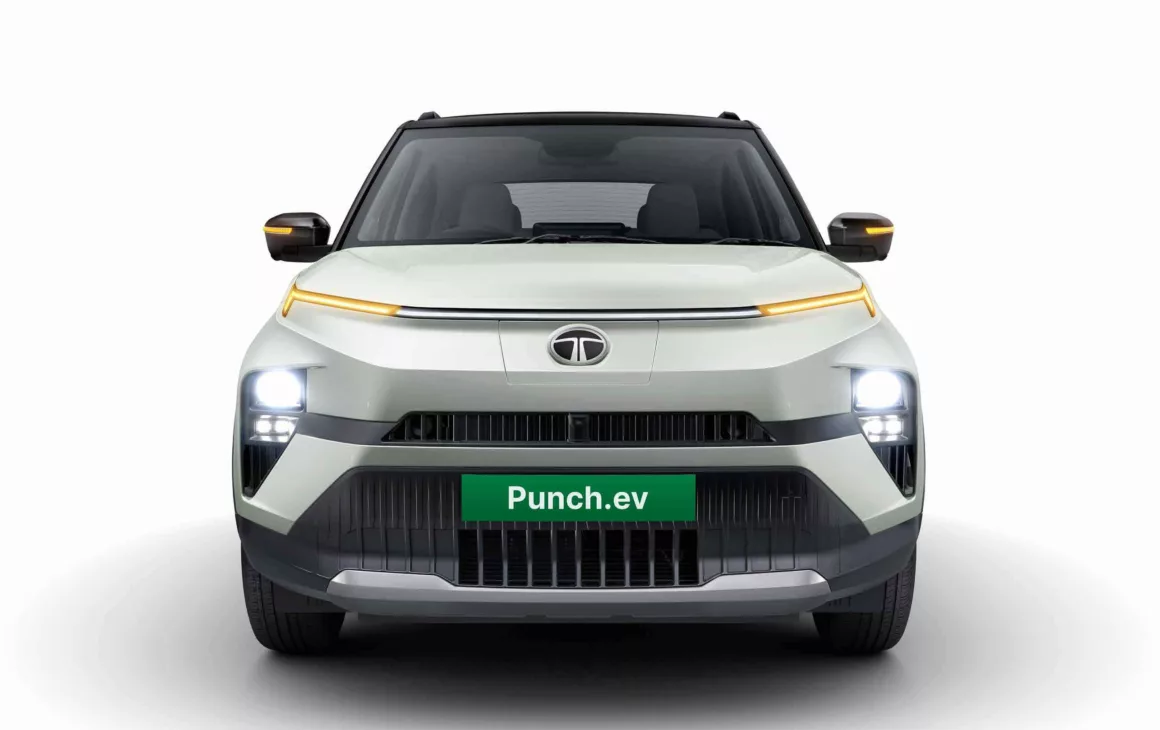
Compact and built to last with a plethora of features, Tata Punch EV introduces serious electric performance in the micro-SUV segment. The most affordable model on Tata’s Acti.ev platform and one of the very few EVs below ₹15 lakh offering vehicle-to-load and ADAS capabilities.
Real-World Experience:
It’s available in two versions: Standard (25 kWh) and Long Range (35 kWh). We’re dealing with the LR model in this review, which promises an estimated real-world range of 280–320 km, varying with road and regen settings. That’s quite good for an urban-oriented vehicle.
Handling is smooth with a low centre of gravity, providing great confidence and poise. The Punch EV never feels underpowered, even when there’s a full quartet of passengers. The levels of regen are adjustable, too. You also get the same digital instrument and infotainment layout as in the Nexon EV. The cabin roominess is generous for a small car, and the boot space is adequate enough for short errands and grocery trips.
Key Features:
- Vehicle-to-load (V2L) + Vehicle-to-vehicle charging
- All-digital 10.25-inch driver display
- Arcade.ev infotainment suite
- 6 airbags (top variants)
- 5-star GNCAP expected
- Level 2 ADAS (top variant)
10. Hyundai Creta EV (Expected Launch: Early 2025)
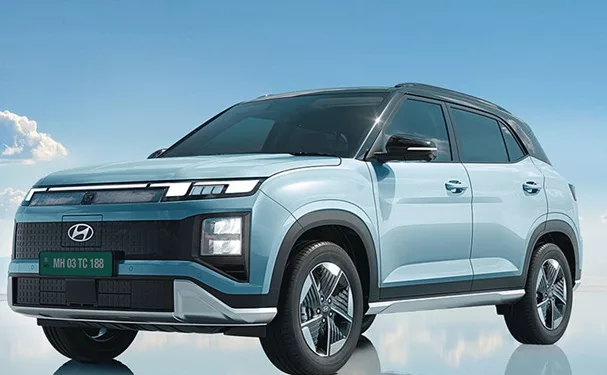
The Hyundai Creta EV brings the nation’s most popular midsize SUV into the electric vehicle segment. Built on the new 2024 Creta platform, it marries familiar comfort with Hyundai’s EV expertise to provide a premium, city-centric electric vehicle under ₹30 lakh.
Real-World Experience:
Until the final specs come out, early mule tests and insiders indicate that the Creta EV will take powertrain components from the Kona Electric. The battery pack is between 45–50 kWh ballpark with a real-world range of around 340–390 km.
The major selling factor will be comfort and familiarity; it will carry over the soft suspension, ample back seats and boot area from the petrol Creta. The twin-screen design of the dashboard will come from Hyundai, like in global EVs such as the Ioniq 5. It will also get fast charging and ADAS support and will be one of the most comprehensive family EVs priced below ₹30 lakh.
Key Features (Expected):
- 10.25-inch dual digital displays
- Level 2 ADAS suite
- Ventilated front seats & wireless charging
- Panoramic sunroof
- Fast charging support
- Hyundai Bluelink connected car tech
- Expected price: ₹23–28 lakh
11. Maruti Suzuki eVX (Expected Launch: Late 2025)
The Maruti Suzuki eVX will be the company’s first international EV and will be jointly designed and developed with Toyota. It represents a big change for India’s biggest car maker, bringing a competitive high-range EV into the marketplace at last.
Real-World Experience:
The eVX will be offered in two battery sizes of 48 kWh and 60 kWh with an estimated range exceeding 500+ km. Based on real-world usage, 380-420 km will be achieved depending on usage pattern, road conditions, and model. The eVX built on an exclusive EV architecture, promises a superior ride quality and handling as well as increased passenger space compared to ICE-converted EVs.
Maruti also has a major localisation push going on, which must facilitate the eVX being priced in the ₹22–27 lakh bracket. The interior will be feature-packed—look out for a huge infotainment screen, digital instrument cluster, EV-drive modes and high-level safety features.
Key Features (Expected):
- Dedicated EV platform (co-developed with Toyota)
- 12.3-inch infotainment with digital cockpit
- 360° camera, ventilated seats, wireless Android Auto/CarPlay
- ADAS safety features
- Fast-charging (0–80% in ~45 mins)
- Expected price: ₹22–27 lakh
12. Mahindra BE.07 (Expected Launch: Late 2025)

Subsequent to the BE.05, the next in the company’s “Born Electric” offerings is the Mahindra BE.07. The model is built as a larger, family-oriented SUV with a blend of premium and long-distance capabilities at an affordable under-₨30-lakh pricing for the basic models.
Real-World Experience:
From the INGLO system developed in partnership with Volkswagen, the BE.07 should have a battery capacity of ~80 kWh and a certified range exceeding 500–550 km. Estimates in real-world conditions indicate 420-470 km with full passengers and AC.
The BE.07 will be marginally wider and longer than the be.05, conveying increased boot volume and rear seat comfort. Sporty interiors, as in the be.05, will be expected with a steering wheel design as a yoke type, a minimalist dashboard, and a three-screen configuration (driver information, infotainment and passenger). Design, though futuristic in nature, is tuned to be about practicality and techno-savvy families.
Key Features (Expected):
- ~80 kWh battery pack
- AWD option for higher variants
- 0–100 km/h in under 7 seconds (est.)
- Panoramic glass roof
- Multi-screen cockpit setup
- Level 2+ ADAS
- Vehicle-to-load (V2L) functionality
- Expected price: ₹28–30 lakh
13. Renault Dacia Spring EV (Expected Launch: Mid-2025)
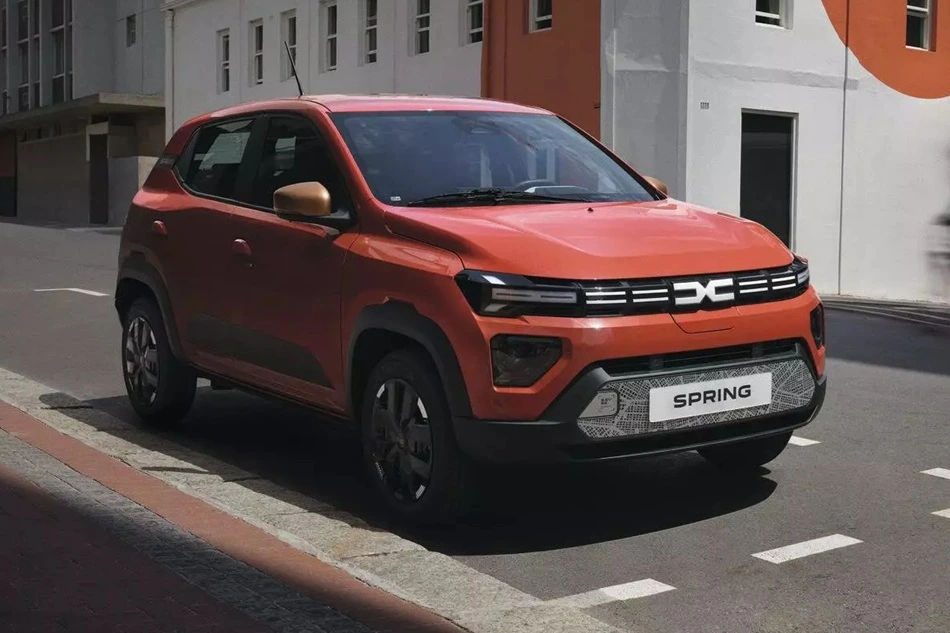
The Renault Dacia Spring EV will be India’s most inexpensive electric vehicle once released. Conceptualised with a genuine city EV in mind, with a successful run in Europe already under its belt, it offers a plug-and-play electric solution with an emphasis on cost-effectiveness and minimalism.
Real-World Experience:
Internationally, the Spring EV has a 26.8 kWh battery pack with a real-world range of around 160-180 km. While small in size, it’s perfect for daily commutes and short trips. The lightness and small size of the vehicle make the Spring EV a perfect vehicle for congested Indian cities with narrow parking spaces and stop-and-go traffic conditions.
14. Toyota Urban SUV Concept (Expected Launch: Early 2026, Previews Start in Late 2025)
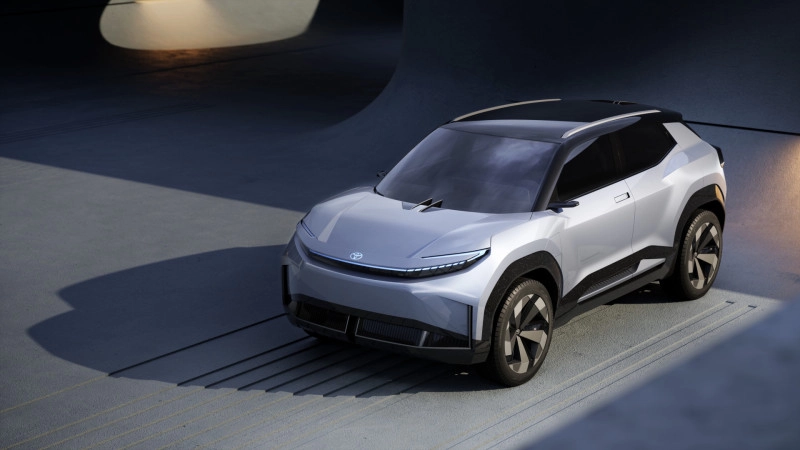
Revealed as the Urban SUV Concept worldwide, Toyota’s mass-market electric SUV in India will be developed over this platform. Jointly developed with Maruti (the twin of eVX), this vehicle will find takers in customers seeking Toyota’s dependability coupled with EV effectiveness, with a starting value of around ₹30 lakh.
Real-World Experience:
Although a concept as yet, it will probably feature the 48-60 kWh battery options pack of the eVX and a real-world range of 300–350 km. Toyota’s emphasis will be on a combination of fuel efficiency and affordability, and in-city friendly size with plenty of ground clearance. The vehicle will be more design-led with a more pointed nose and wraparound lights.
Inside will be a minimalist, high-tech design with its trademark emphasis on safety. The Urban SUV Concept can introduce ADAS features, connected-car capabilities, and rapid charging as standard. The attraction will be in presenting an electric Toyota without venturing into premium levels.
Key Features (Expected):
- Dual battery options (48–60 kWh est.)
- 300–350 km real-world range
- Fast charging (DC)
- Toyota Safety Sense (ADAS suite)
- Full-digital instrument cluster
- Toyota i-Connect suite
- Expected price: ₹25–29 lakh
15. Kia EV5 / EV4 (Expected Variant) (Expected Launch: Late 2025 or Early 2026)
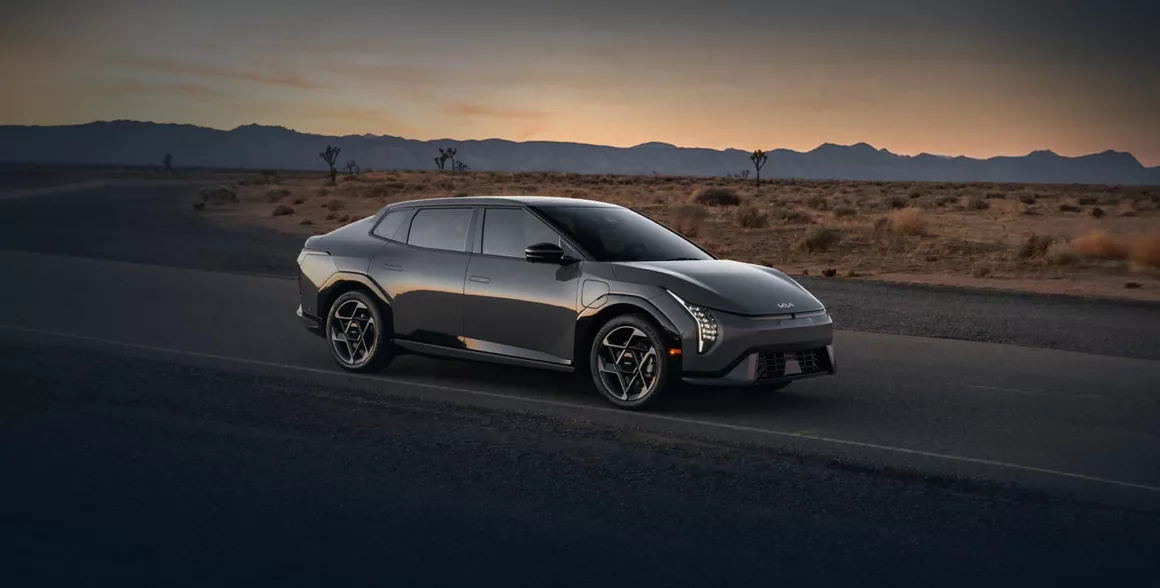
One of its international electric vehicles—the EV4 sedan or the EV5 compact SUV—is expected to be launched by Kia in India in 2025. Both lie below the premium EV6 and will possibly rival in the under-₹30 lakh segment. Aggressive localisation will make the EV5 a probable flagship of Kia’s mass-market EV offerings in India.
Real-World Experience:
Globally, the Kia EV5 rides on a repurposed version of the E-GMP architecture and features a 58-64 kWh battery with a real-world range of 380–430 km. The SUV prioritises practicality, backseat roominess, and feature-packed interiors. Look for sustainable materials, twin-screen design, and sparsely minimalistic Korean design.
The vehicle will reportedly feature ultra-fast charging support as well as vehicle-to-load (V2L) functionality and the newest iteration of Kia’s advanced driver assistance system (ADAS) suite. With pricing in check, it may be one of the most sought-after family EVs in India.
Key Features (Expected):
- 58–64 kWh battery pack
- 380–430 km real-world range
- V2L capability
- Dual-screen panoramic cockpit
- Level 2+ ADAS
- Sustainable and eco-conscious interiors
- Expected price: ₹28–30 lakh
So, Which EV Should You Choose?
- For first-time EV buyers under ₹10 lakh: Renault Dacia Spring EV (upcoming) or Citroen eC3
- For best city-to-highway balance: Tata Nexon EV LR, Hyundai Kona Electric, or Tata Curvv EV
- For futuristic design & long-term value: Mahindra BE.05, Maruti eVX, or Kia EV5
- For budget-conscious families: Tata Punch EV LR or Mahindra XUV400 EL Pro
- For a premium, connected experience: BYD Atto 3 or MG ZS EV
Always consider your average daily usage, charging access, and long-term maintenance availability before finalising a model.
FAQs about Best EV Cars Under ₹30 Lakh in India
Q1. Which is the best EV under ₹30 lakh in India in 2025?
A. It varies based on your requirements. Tata Curvv EV, Kia EV5, and Mahindra BE.05 seem excellent in terms of range and features. Tata Nexon EV LR and MG ZS EV are good if you value proven reliability.
Q2. Which EV gives the highest real-world range under ₹30 lakh?
A. Future cars such as the Mahindra BE.05 and the Kia EV5 will be capable of giving 400–450 km in actual conditions.
Q3. Are EVs under ₹30 lakh good for highway use?
A. Yes, models such as the Nexon EV LR, Curvv EV, and the Kona Electric can facilitate comfortable long-distance drives. Choose cars with 35–50 kWh batteries and fast charging facilities.
Q4. Which is the most affordable electric car in India right now?
A. Currently, the Citroën eC3 is available at an affordable price. The Renault Dacia Spring EV will be priced below it upon launch.
Q5. Do EVs under ₹30 lakh have fast charging?
A. Yes. All EVs priced over ₹15 lakh come with fast charging. Some basic variants, like the starting Citroen eC3 models, might not have it.
Q6. What are the maintenance costs of EVs under ₹30 lakh?
A. EVs will generally have lower maintenance costs because there will be fewer moving parts. Warranties for battery performance will cover 8 years or 1.6 lakh km.