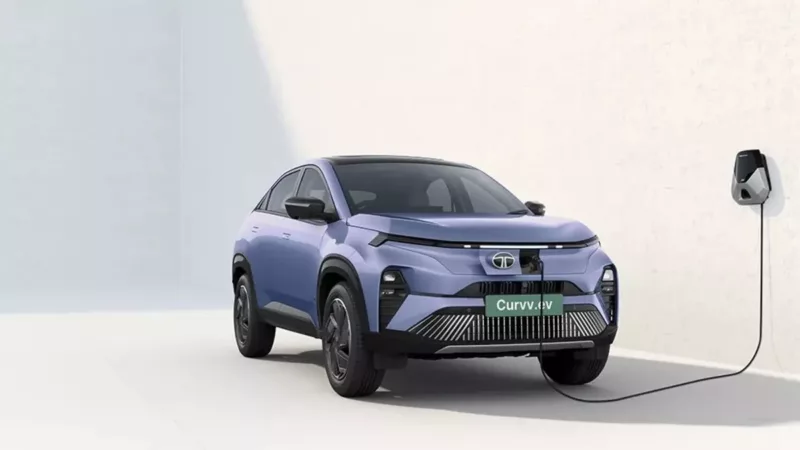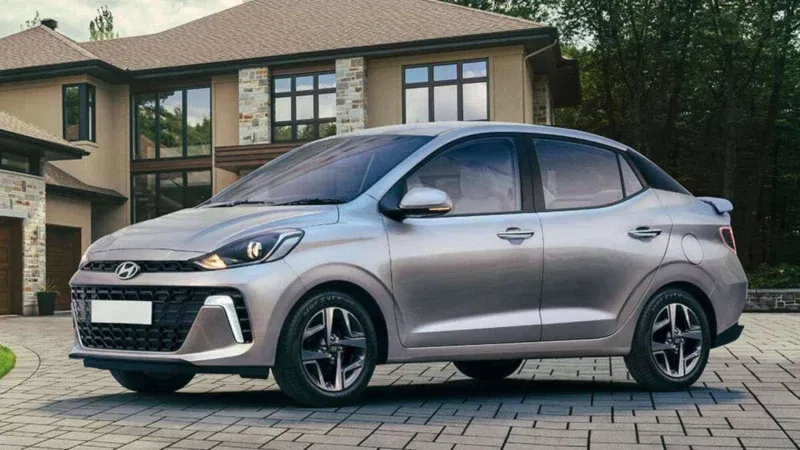
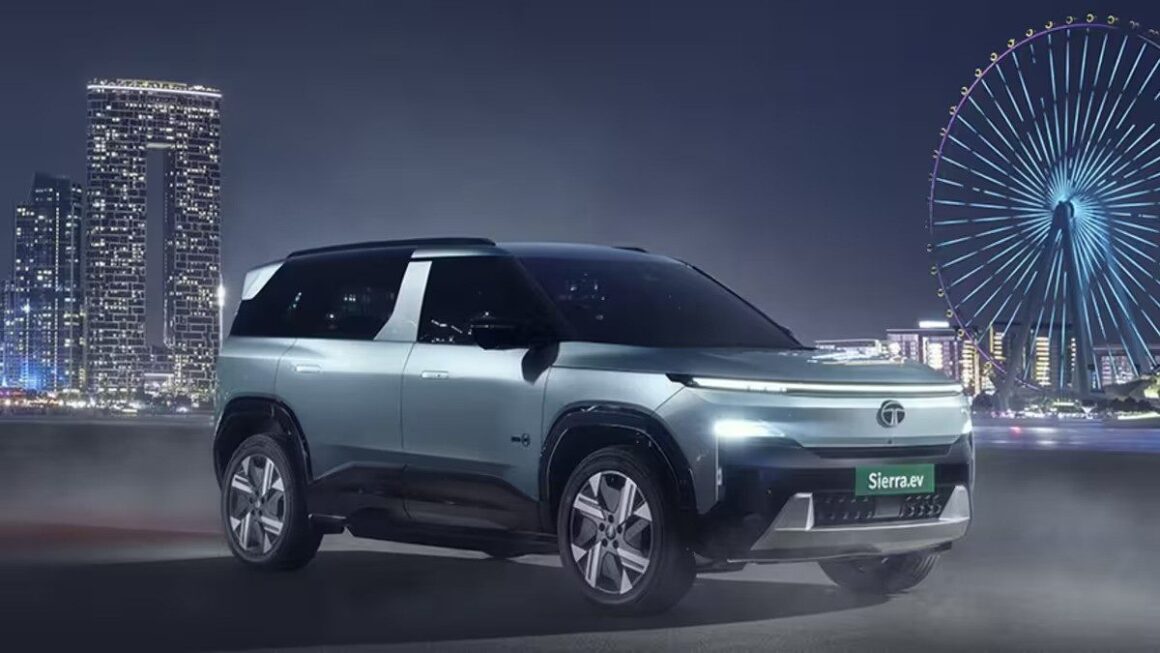
When weighing the options between the Hyundai Bayon and the Tata Sierra, it is important to go beyond the screens and the sunroofs. The Bayon has a lower starting price and a single petrol engine. The Sierra has a larger body, offers more engine options and has a published five-star Bharat NCAP rating. Their prices overlap enough to make this a meaningful comparison. A well-equipped Bayon can cost about the same as a mid-range Sierra, so spending more does not automatically mean getting the better car for your needs. Here is how the Indian version of the Bayon compares with the petrol and diesel Sierra, and where one model is better than the other.
Table of Contents
Hyundai Bayon vs Tata Sierra: At a Glance
| Detail | Hyundai Bayon | Tata Sierra |
| Starting ex-showroom price | ₹9,99,900 | ₹11,49,000 |
| Seating | Five | Five |
| Engine choices | 1.5-litre petrol | 1.5-litre petrol, turbo-petrol and diesel |
| Manual transmission | Six-speed | Six-speed with petrol and diesel |
| Automatic transmission | iVT | Seven-speed DCA or six-speed automatic, depending on engine |
| Main buying appeal | Lower entry cost and compact dimensions | Engine variety and larger dimensions |
The Sierra we are comparing here is the internal combustion engine version. The electric Sierra needs a separate analysis because of differences in price, charging requirements and running costs.
Hyundai Bayon vs Tata Sierra: Price Comparison
The Hyundai Bayon starts ₹1,49,100 below the Tata Sierra. However, that gap narrows when you compare their least expensive petrol automatics. These selected variants show where the two overlap:
| Variant | Ex-showroom price |
| Hyundai Bayon HX2 manual | ₹9,99,900 |
| Tata Sierra Smart+ petrol manual | ₹11,49,000 |
| Hyundai Bayon HX5 iVT | ₹13,84,800 |
| Tata Sierra Pure petrol DCA | ₹14,49,000 |
| Tata Sierra Pure+ L petrol manual | ₹14,99,000 |
| Hyundai Bayon HX8 manual | ₹15,09,900 |
| Tata Sierra Pure+ L petrol DCA | ₹16,29,000 |
| Hyundai Bayon HX8 iVT | ₹16,53,900 |
| Hyundai Bayon HX10 iVT | ₹17,99,900 |
| Tata Sierra Adventure+ turbo-petrol automatic | ₹18,14,000 |
Prices checked in November 2026. These are selected variants, not the complete range. Bayon prices are introductory. Registration, insurance, optional paint and accessories can change the final amount.
The Bayon HX5 iVT is priced ₹64,200 lower than the Sierra Pure DCA, so automatic buyers on a budget should weigh this gap carefully. Another useful comparison is the Bayon HX8 against the Sierra Pure+ L. Their petrol manuals are only ₹10,900 apart, with the Sierra costing less. The Sierra Pure+ L DCA also undercuts the Bayon HX8 iVT by ₹24,900. Make sure to get detailed quotations for the exact versions. Comparing one car’s quote with an accessory package against a basic quote for the other can distort the comparison.
Bayon vs Sierra Dimensions, Rear Seats and Boot Space
| Dimension | Hyundai Bayon | Tata Sierra |
| Length | 4,245 mm | 4,340 mm |
| Width | 1,810 mm | 1,841 mm |
| Height | 1,605 mm, including roof rails | 1,715 mm |
| Wheelbase | 2,600 mm | 2,730 mm |
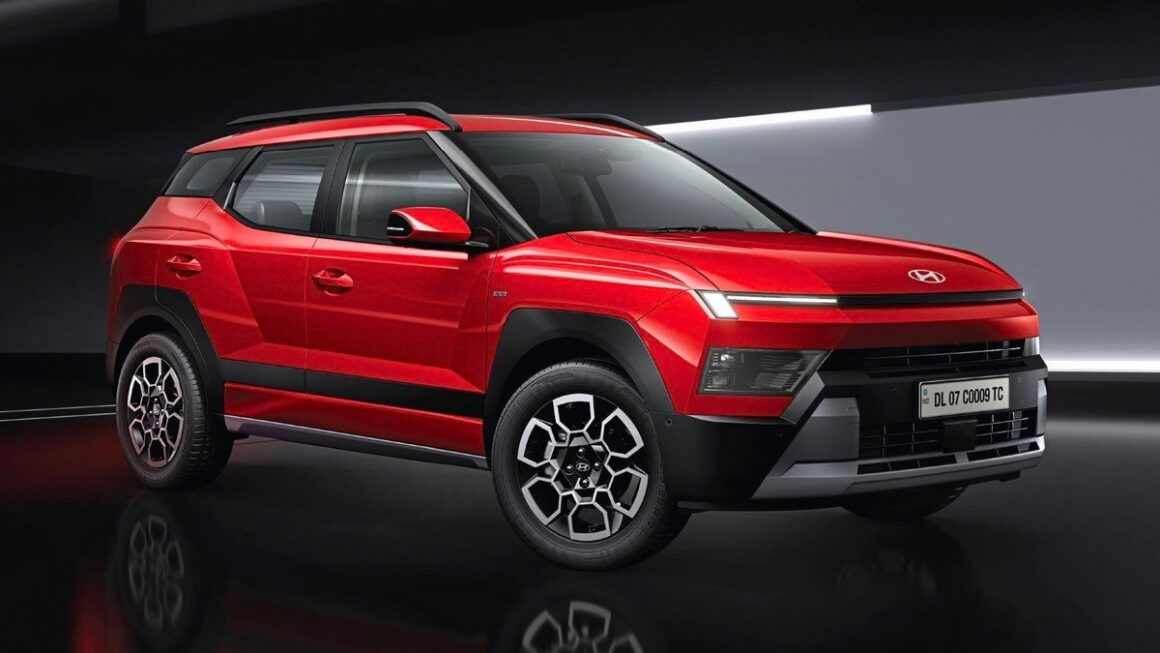
The Sierra is 95 mm longer, 31 mm wider and 110 mm taller than the Bayon, with a 130 mm longer wheelbase. This makes the Sierra a strong option for buyers who want more space for family, but exterior measurements alone do not tell you how comfortably three people will sit together in the back.
Take your regular passengers along for a showroom visit. Set the driver’s seat first, then check rear knee room, thigh support, and how easily an older family member can enter and exit. The Bayon’s smaller dimensions come in especially handy when parking space is limited. Measure your parking space with the doors open instead of simply checking whether the car fits between two walls.
Boot figures need care. Hyundai advertises 505 litres using the VDA 215 method with a tyre mobility kit. The Sierra’s headline 622-litre figure measures space up to the roof; its quoted capacity below the parcel shelf is 450 litres. These figures should not be treated as directly comparable. You could try your suitcases or stroller in both models. The loading height, the shape of the floor and the space below the parcel shelf matter more than a single headline number.
Bayon vs Sierra Engine and Gearbox: The Biggest Difference
| Engine | Power | Torque | Transmission |
| Bayon 1.5 petrol | 115 PS | 143.8 Nm | Six-speed manual or iVT |
| Sierra 1.5 naturally aspirated petrol | 106 PS | 145 Nm | Six-speed manual or seven-speed DCA |
| Sierra 1.5 turbo-petrol | 160 PS | 255 Nm | Six-speed automatic |
| Sierra 1.5 diesel | 118 PS | 260 Nm manual; 280 Nm automatic | Six-speed manual or automatic |
The Bayon is powered by a single engine across its entire model lineup. Moving from the HX5 to the HX10 means an upgrade in equipment, not power. The automatic versions use Hyundai’s iVT (Intelligent Variable Transmission), a CVT-type gearbox.
The Sierra’s regular petrol engine is the closest match. It has slightly less power and almost identical peak torque, but those figures alone cannot establish which car accelerates better. Vehicle weight, gearing and engine response also matter.
For daily commuting, test drive both the Bayon iVT and the Sierra petrol DCA on the same route. Consider situations such as stop-start traffic, reversing up an incline and pulling away after a speed bump. You will learn more this way than from a short drive on empty roads.
The Sierra turbo-petrol provides substantially more power and torque than either naturally aspirated petrol engine. It deserves a place on your shortlist if overtaking performance is a priority. The diesel option gives Sierra buyers another choice for regular long-distance driving. In contrast, the Bayon currently has no diesel or turbo-petrol versions in India.
Also Read: Complete Buying Guide: Hyundai Bayon
Bayon vs Sierra Mileage and Running Costs
There is no fair real-world mileage winner without comparable testing. Figures recorded on different routes, in different traffic and with different loads should not be presented as a direct comparison. Start with your own usage. A car used for short weekday commutes and occasional holiday trips has very different running costs from one used mainly for long-distance driving.
To estimate fuel spending, divide your monthly kilometres by a realistic mileage figure, then multiply by the local fuel price. For example, at an assumed 1,000 km per month and ₹100 per litre, a petrol car returning 12 km/l costs roughly ₹8,333 to fuel. At 15 km/l, that becomes about ₹6,667. These are only sample numbers for clarity, not Bayon or Sierra test results. They show why a realistic mileage estimate matters.
For the Sierra diesel, compare the additional purchase cost with the likely fuel savings over your intended ownership period. Include insurance and servicing quotations before deciding whether the higher initial spend makes sense.
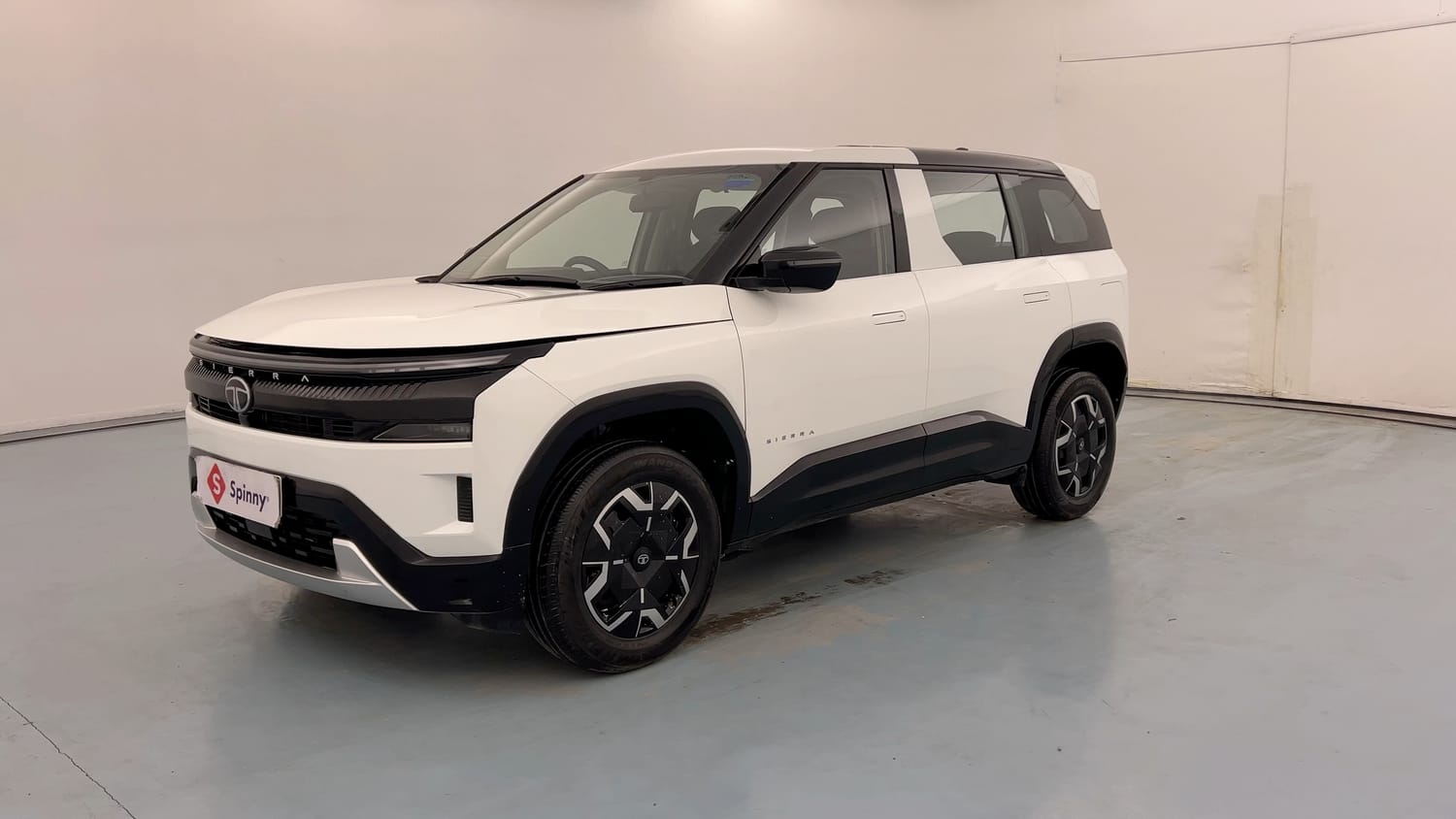
Bayon vs Sierra Features: Compare the Right Variants
The Sierra’s newer “L” trims, such as the Pure+ L, have brought more comfort features to lower price points, so compare against these rather than the original launch trims.
| Feature | Bayon HX8 | Sierra Pure+ L |
| Panoramic sunroof | Yes | Yes |
| Ventilated front seats | Yes | Yes |
| Powered driver’s seat | Eight-way adjustment | Six-way adjustment |
| Infotainment touchscreen | 10.25-inch | 10.25-inch |
| Wireless smartphone connectivity | Yes | Yes |
| Automatic climate control | Yes | Dual-zone |
The Sierra Pure+ L is an attractive choice for those who value seat comfort. It features ventilated front seats as well as a power-adjustable driver’s seat and dual-zone climate control, which make it a strong competitor to the similarly priced Bayon HX8. Budget-conscious automatic buyers should also look below these trims. The Bayon HX5 iVT includes automatic climate control, cruise control, a reversing camera and wireless charging. Decide whether those cover your daily requirements before paying for more equipment.
At the top end, the Bayon HX10 gets twin 12.3-inch screens, Bose speakers, a 360-degree camera and Level 2 Pro ADAS. Higher Sierra variants offer triple screens, JBL audio and ADAS. Screens are easy to compare on paper. During a test drive, also check camera visibility at night, phone connection speed, and how easily you can adjust frequently used controls.
Bayon vs Sierra Safety: Equipment and Crash-Test Evidence
Both vehicles have six airbags and electronic stability control as standard. However, the Sierra has disc brakes on all four wheels across its lineup, while the Bayon gets rear disc brakes only on the HX8 and HX10. The Sierra has a published five-star Bharat NCAP result for adult and child occupant protection. It scored 31.14 out of 32 for adults and 44.73 out of 49 for children. The rating applies to the variants listed in Bharat NCAP’s official annexure. According to Hyundai, the Bayon has been designed to meet five-star Indian safety standards, based on the company’s own assessment. This claim is separate from independent crash-test results.
For buyers prioritising documented crash performance, the Sierra has the clearer evidence at present. This does not establish how the Bayon would score in the same tests. ADAS availability depends on the variant and gearbox. These systems assist the driver but do not replace careful driving, keeping a safe distance or using a proper child seat.
Ownership, Warranty and Resale
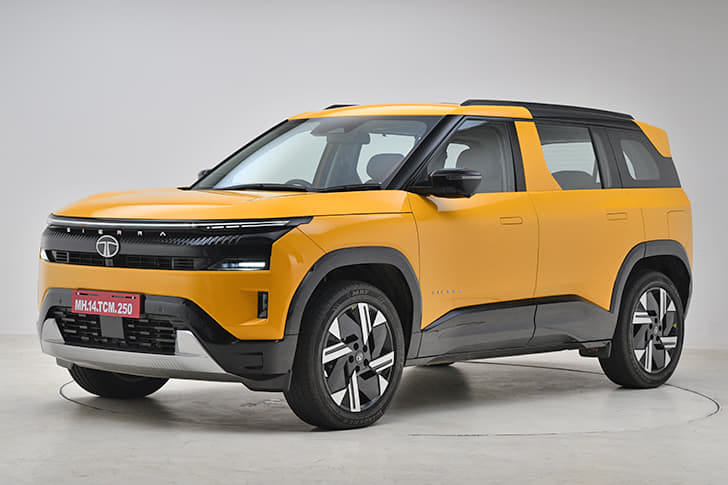
Hyundai lists a three-year, unlimited-kilometre standard warranty for the Bayon, subject to its terms. Before booking either car, request the warranty document and check what any optional extended cover actually includes. Ask both dealerships for maintenance estimates over your expected ownership period. Include consumables, tyre replacement and the service requirements of the gearbox you have picked. Written estimates are more useful than a general claim that one brand is cheaper to run.
Resale is harder to judge. The India-spec Bayon is newly launched, while the current Sierra is also relatively new. There is not enough long-term evidence to promise that either will retain a particular percentage of its purchase price. Focus on the purchase price, service history and ownership costs you can verify. These matter more than any resale expectation.
Hyundai Bayon vs Tata Sierra: Which Offers More Value?
The Bayon is the stronger starting point for buyers who want a lower-priced petrol SUV, especially when the HX5 iVT already covers their equipment needs. Its smaller dimensions also deserve consideration if parking space is tight.
The Sierra makes a stronger case for buyers who want more engine choices, a bigger body and published crash-test results. The Pure+ L looks particularly attractive against the Bayon HX8, as they are similarly priced and share several comfort features. Around ₹18 lakh ex-showroom, the choice changes again: a Bayon HX10 iVT prioritises equipment, while a Sierra Adventure+ turbo automatic puts more money towards engine performance.
Choose the one that best fits your budget, passengers and driving pattern. If new prices feel too high, explore used SUVs on Spinny, where every car goes through a 200-point inspection and comes with Fixed Price Assurance, and book a test drive before you decide.
Related Blogs:
Tata Sierra Variants Guide: Choose the Best Variant
Hyundai Bayon vs Creta: Which Hyundai SUV Offers More Value?
FAQs about Hyundai Bayon vs Tata Sierra
Q. Which is cheaper, the Hyundai Bayon or Tata Sierra?
The Bayon starts at ₹9,99,900, while the Sierra starts at ₹11,49,000, ex-showroom. The Bayon’s entry price is therefore ₹1,49,100 lower, although the difference varies considerably between higher variants.
Q. Which car offers the more affordable automatic?
The Bayon HX5 iVT starts at ₹13,84,800. The Sierra Pure petrol DCA costs ₹14,49,000. That makes the Bayon’s least expensive automatic ₹64,200 cheaper before registration and insurance.
Q. Is the Tata Sierra bigger than the Hyundai Bayon?
The Sierra is longer, wider and taller, with a 130 mm longer wheelbase. However, check seating comfort with your passengers because exterior dimensions do not fully describe usable cabin space.
Q. Does the Hyundai Bayon have a diesel engine?
The current India-spec Bayon uses a 1.5-litre naturally aspirated petrol engine. The Sierra offers petrol, turbo-petrol and diesel options, with gearbox availability depending on the engine and variant.
Q. Which is the more powerful petrol SUV?
The Sierra turbo-petrol produces 160 PS, compared with the Bayon’s 115 PS. However, the Sierra’s regular naturally aspirated petrol produces 106 PS, so the answer depends on which Sierra engine you choose.
Q. Which has a verified five-star safety rating?
The Sierra has five-star Bharat NCAP ratings for adult and child protection, covering the listed variants. Hyundai’s statement that the Bayon is engineered for five-star standards should not be presented as a published test rating.
Q. Is the Sierra Pure+ L worth comparing with the Bayon HX8?
Their prices are close, and both offer a panoramic sunroof, ventilated front seats and a powered driver’s seat. Compare the matching manual or automatic versions and test rear-seat comfort before choosing.
Q. Which should a family choose?
Start with your passengers, budget and driving pattern. The Bayon offers a lower-cost petrol entry point. The Sierra deserves closer consideration if you value its larger dimensions, diesel option or independently assessed crash protection.