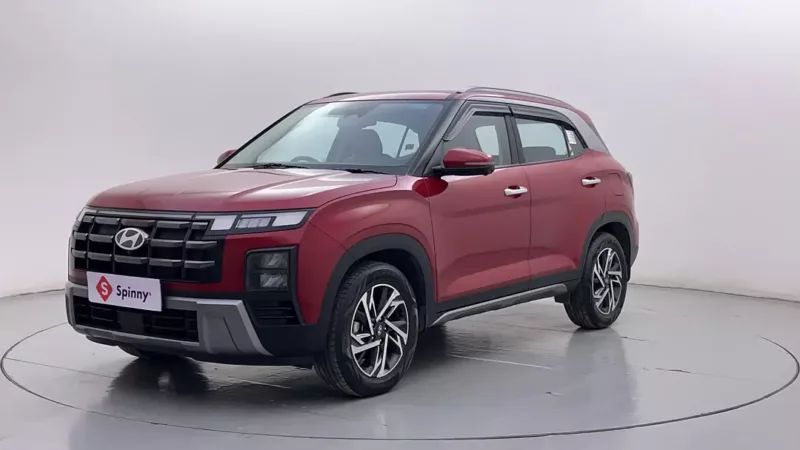
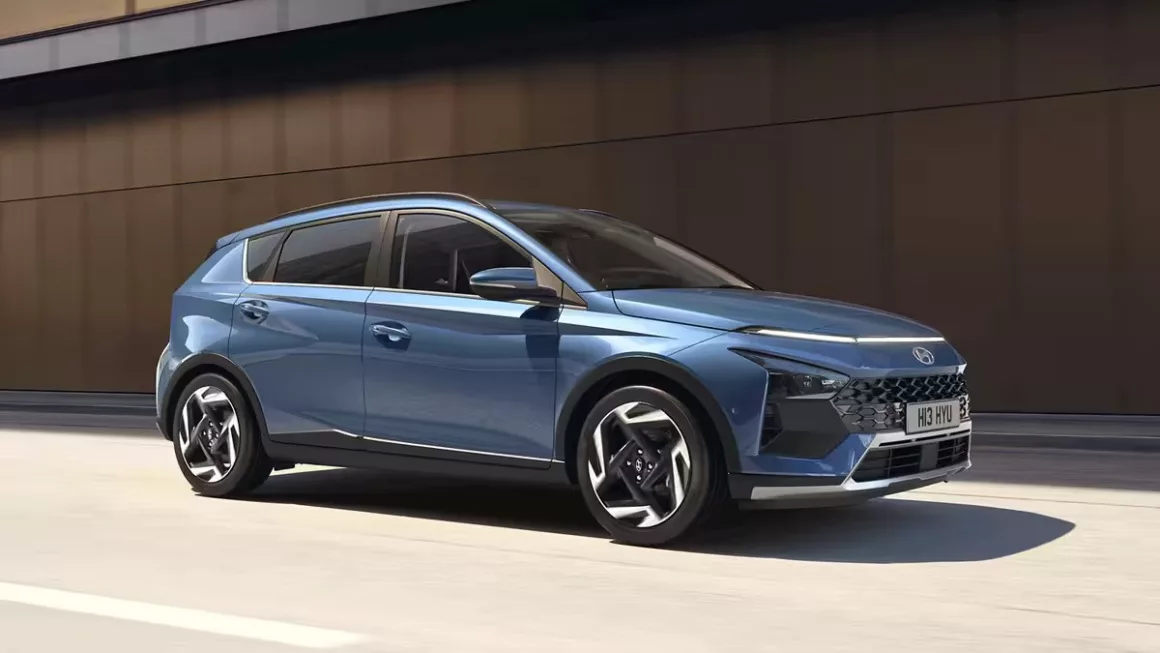
Hyundai has 26 new models planned to launch in India by 2030, and one of them will be the Hyundai Bayon compact SUV, which will be launched in 2026. Overseas, the Hyundai Bayon competes with the Kia Stonic and Volkswagen T-Cross. In India, the Bayon will rival the Maruti Suzuki Fronx and Tata Punch. Built on the same platform as the Hyundai i20, the Bayon will be Hyundai’s first car to come with an all-new locally developed 1.2L TGDi petrol engine compatible with hybridisation. From design to powertrains, here is everything you need to know about the Hyundai Bayon.
Hyundai Bayon: Design
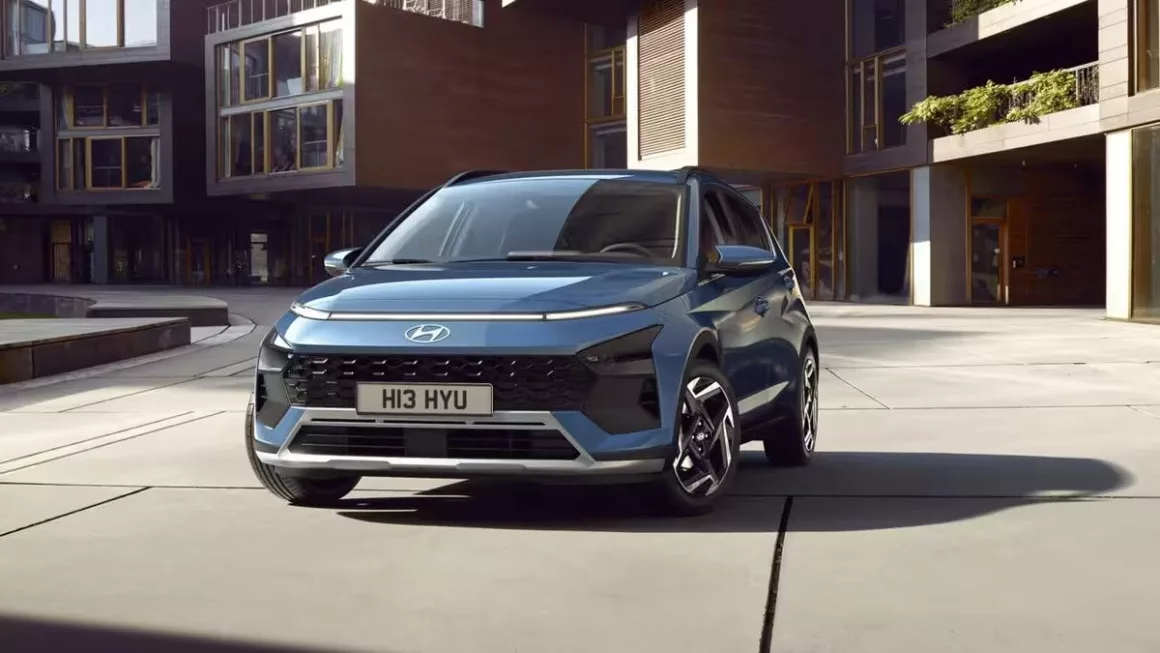
At the front, the Hyundai Bayon bears a close resemblance to the Hyundai Verna, with a full-width LED DRL strip and split headlamp setup. Moreover, there is a wide honeycomb-designed hexagonal air dam, with silver trim and angularly designed black plastic cladding, to give the front sharp aesthetics.
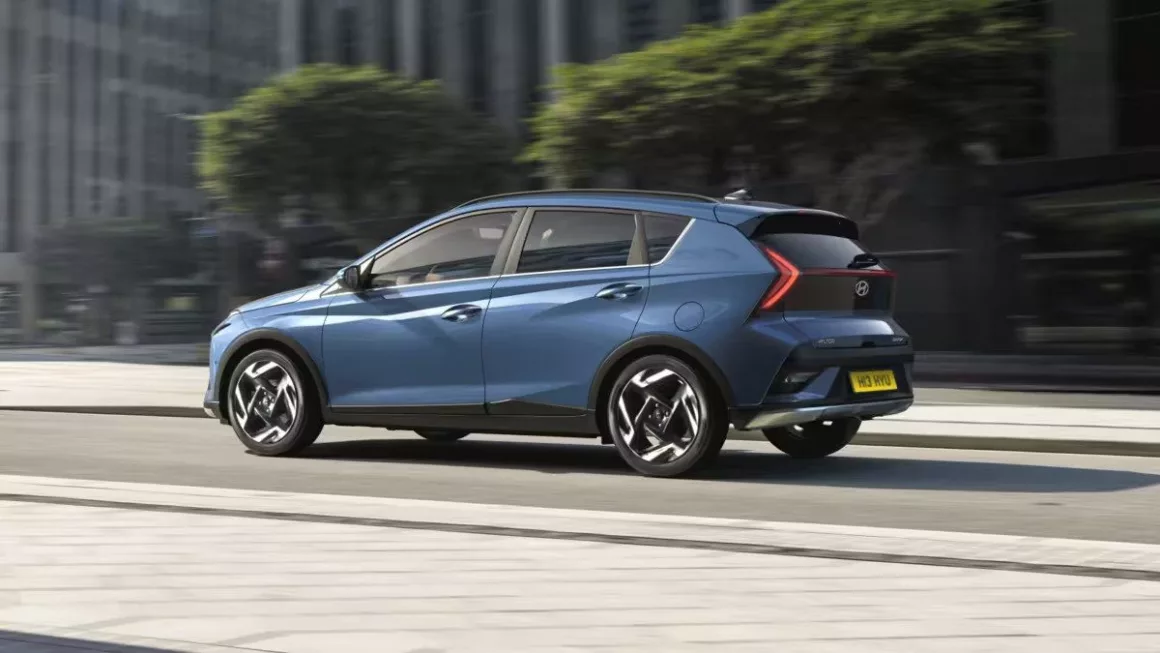
Over to the side, the Bayon highlights a sloping roofline, 17-inch diamond-cut alloy wheels, and several cuts and creases that look much like those on the Hyundai Tucson. There is a prominent shoulder line running from the front fender to the tail lamps. The rear profile features a blacked-out section housing rakish boomerang-shaped tail lights linked by an LED strip, while the indicators are placed lower down with silver trim on the bumper.
Hyundai Bayon: Interior and Features
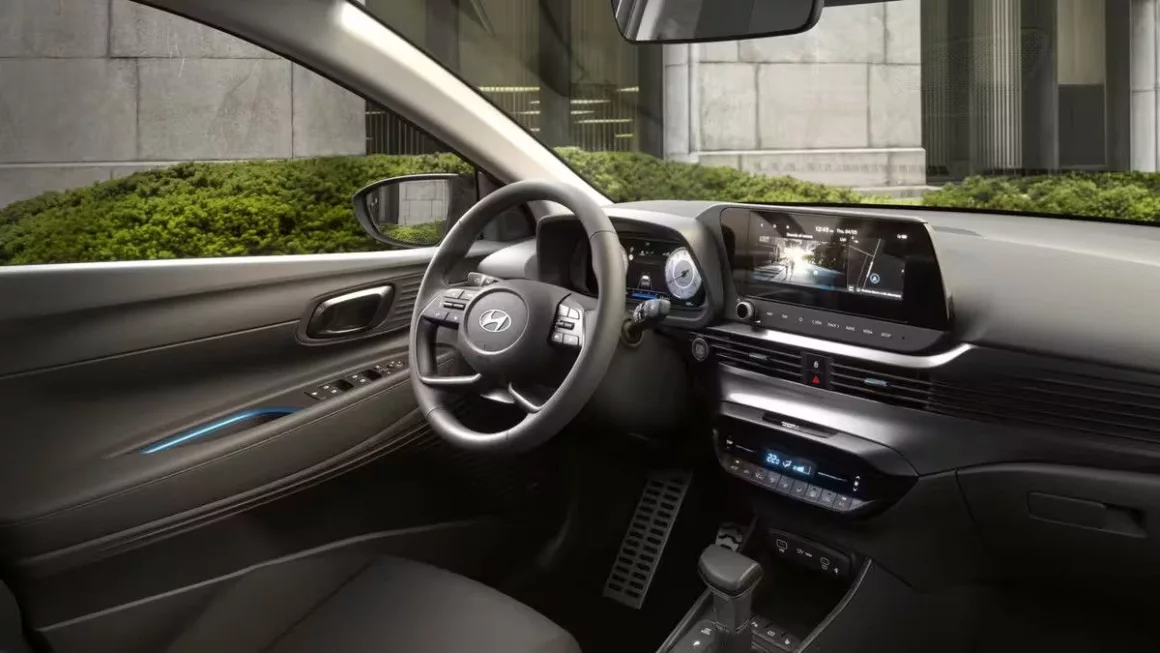
On the inside, the Bayon gets an all-black colour theme and shares most of the interior with the Hyundai i20. Among the similarities with the i20 are the same dashboard design, the 10.25-inch touchscreen infotainment, the 10.25-inch digital instrument cluster, HVAC controls, the four-spoke steering wheel, and even the gear knob design. The seats are also nearly similar to those of the i20, but the upholstery is different. In terms of features, the Bayon packs wireless charging, connected car tech, ambient lighting, an 8-speaker BOSE sound system, and more. For the safety equipment, the Bayon offers multiple airbags and some ADAS features.
Hyundai Bayon: Engine and Transmission
The Hyundai Bayon will be equipped with Hyundai’s all-new locally developed 1.2-litre turbo petrol engine. For Hyundai, this new engine will slot in between its 1.0-litre turbo petrol engine, which powers the Hyundai Venue, and the 1.5-litre turbo petrol engine, which powers the Hyundai Creta, Kia Seltos, and some other Korean cars. The new 1.2-litre turbo petrol engine will offer greater torque and drivability than Hyundai’s 1.0-litre turbo petrol engine (120 HP, 172 Nm), and be more compact and fuel-efficient than Hyundai’s 1.5-litre turbo petrol engine (160 HP, 253 Nm). This engine is also ready for hybridisation and will be important for Hyundai’s upcoming hybrid powertrains. For the Hyundai Bayon, this engine could be paired with either an e-CVT or a dual-clutch automatic transmission.
At the same time, in the overseas markets, the Hyundai Bayon is available with a 1.0-litre turbo petrol engine mated to either a 6-speed manual or a 7-speed DCT automatic. The same powertrain can be expected for the Indian-spec Hyundai Bayon as well.
Hyundai Bayon: Launch and Rivals
The Hyundai Bayon will launch in mid-2026 and rival the Maruti Suzuki Fronx, Tata Punch, Hyundai Exter, and Toyota Taisor.