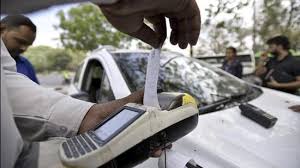
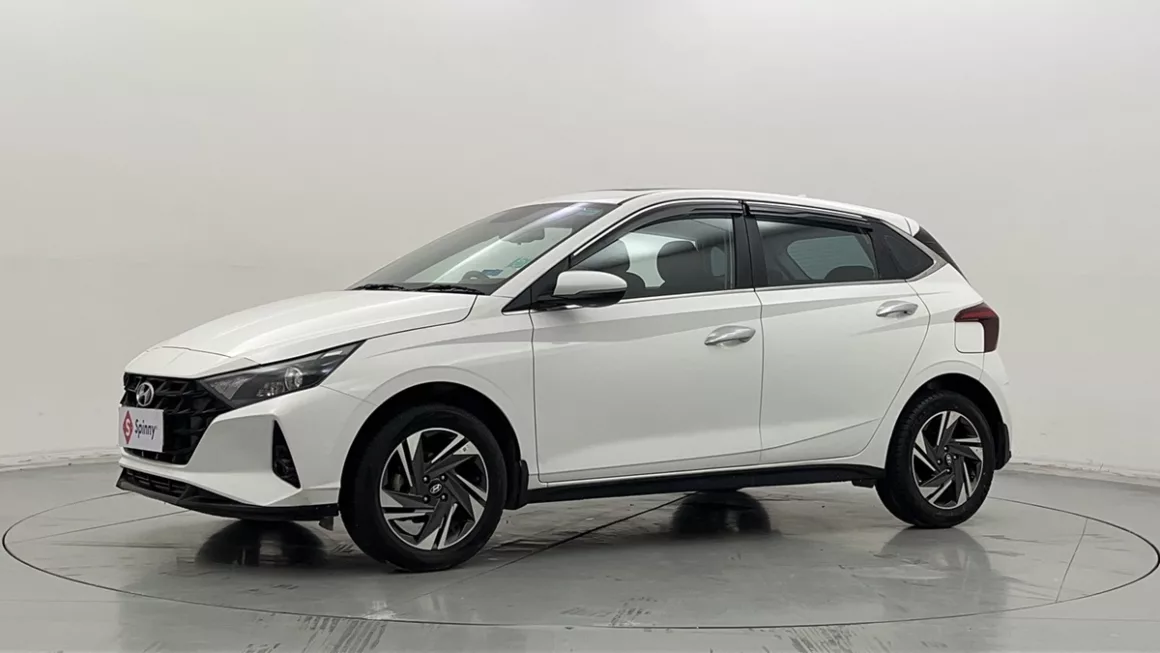
The Hyundai i20 is a popular premium hatchback known for its design, comfort, and engine options. While ARAI claims high mileage, real-world figures often drop in city traffic due to short trips and varying driving styles. This blog compares official and actual mileage and shares simple tips to help you boost fuel efficiency, whether in city drives or highway runs.
Hyundai i20 ARAI Mileage
The Hyundai i20 offers different ARAI mileage figures based on engine and transmission, tested under ideal conditions. These should be seen as best-case numbers, not typical real-world results.
Here are the ARAI-certified i20 mileage figures for the BS6-compliant models:
- 1.2L Petrol (Manual): 21.0 km/l
- 1.2L Petrol (CVT): 19.6 km/l
- 1.0L Turbo Petrol (iMT): 20.0 km/l
- 1.0L Turbo Petrol (DCT): 20.25 km/l
(Note: Diesel variants were discontinued in the latest generation but offered up to 25.2 km/l in previous models.)
While these numbers appear promising on paper, actual efficiency is influenced by a range of factors, including city traffic, terrain, and driving behaviour. Let’s explore how the i20 performs in city conditions next.
Hyundai i20 City Mileage
In real-world city driving, the Hyundai i20’s fuel efficiency tends to vary based on variant, road conditions, and individual driving style. City mileage is typically lower than ARAI figures due to stop-and-go traffic, short commutes, and AC usage.
Based on owner reviews, automotive tests, and community feedback, here’s the average i20 mileage observed in city conditions:
- 1.2L Petrol (Manual): 13-14 km/l
- 1.2L Petrol (CVT): 11-13 km/l
- 1.0L Turbo Petrol (iMT): 12-13 km/l
- 1.0L Turbo Petrol (DCT): 11-12 km/l
Among these, the 1.2L manual variant is generally considered the most fuel-efficient in city use when driven conservatively. On the other hand, DCT variants, while convenient and quick, tend to consume more fuel in urban stop-start traffic.
Factors that Impact Hyundai i20 City Mileage
Several elements can contribute to a drop in i20 mileage during city driving. Understanding these can help drivers make informed adjustments:
- Stop-and-go traffic: Frequent acceleration and braking lower fuel efficiency.
- Prolonged idling: Waiting at signals or traffic jams leads to fuel consumption without movement.
- Aggressive driving style: Sudden throttle inputs and hard braking waste fuel, especially in turbo variants.
- Short-distance trips: The engine doesn’t reach optimal operating temperature, reducing efficiency.
- AC usage in peak hours: High blower settings and cooling demand more power from the engine.
- Driving in lower gears for too long: Increases RPM and fuel consumption.
- Tyre pressure issues: Under-inflated tyres increase rolling resistance.
- Extra weight in the car: Unnecessary load makes the engine work harder.
- Delayed servicing: Worn spark plugs, clogged filters, and old engine oil can reduce mileage noticeably.
How to Improve Hyundai i20 City Mileage
Improving i20 mileage in city conditions is largely about driving discipline and timely maintenance. Here are some proven ways to enhance fuel efficiency:
- Shift early and smoothly: In manual or iMT variants, upshift between 2,000-2,500 RPM to avoid engine strain.
- Use Eco mode (if equipped): This adjusts engine response and gear shifts to prioritize efficiency.
- Avoid harsh acceleration and braking: Maintain a smooth and consistent driving style.
- Turn off engine during long stops: If idle time exceeds 30 seconds, it’s fuel-efficient to shut off the engine.
- Maintain optimal tyre pressure: Check pressure weekly and inflate as per Hyundai’s recommendations.
- Limit AC usage: Use the fan or set AC to a moderate temperature when conditions allow.
- Declutter your car: Remove unnecessary items from the cabin and boot to reduce load.
- Stick to the service schedule: Regular oil changes, filter replacements, and system checks ensure the engine runs efficiently.
- Plan routes to avoid traffic: Use navigation apps to pick less congested roads, saving both fuel and time.
Hyundai i20 Highway Mileage
On highways, the Hyundai i20 typically delivers better fuel efficiency compared to city driving, thanks to consistent speeds, fewer gear changes, and less braking. However, actual mileage can still vary depending on driving behavior, vehicle load, and road conditions.
Based on real-world user feedback and test drives, here’s the average i20 mileage on highways:
- 1.2L Petrol (Manual): 17-19 km/l
- 1.2L Petrol (CVT): 16-18 km/l
- 1.0L Turbo Petrol (iMT): 17-18 km/l
- 1.0L Turbo Petrol (DCT): 16-17 km/l
The 1.2L petrol manual variant is the most efficient overall, while the DCT performs well when driven steadily under 100 km/h. For all variants, driving style plays a major role in reaching the higher end of these figures.
Factors that Impact Hyundai i20 Highway Mileage
While highways allow for more efficient driving, certain habits and conditions can still affect i20 mileage negatively. Here are the key factors to watch out for:
- High cruising speeds: Driving consistently above 100 km/h increases aerodynamic drag and reduces fuel economy.
- Frequent overtaking: Aggressive throttle use during overtakes leads to fuel wastage.
- Heavy boot or passenger load: Extra weight demands more power and fuel, especially on inclines.
- Poor road conditions: Rough or uneven surfaces affect tyre rolling and engine efficiency.
- Roof-mounted carriers or racks: These increase wind resistance and lower mileage.
- Incorrect tyre pressure: Both over- and under-inflation can reduce fuel efficiency.
- AC at full blast: Constant use of air conditioning, especially at high speeds, increases engine load.
- Abrupt braking and acceleration: Inconsistent speed control disrupts fuel efficiency, particularly in automatic variants.
How to Improve Hyundai i20 Highway Mileage

Improving i20 mileage on highways is mainly about maintaining steady driving and preparing your car for long-distance runs. Here are practical tips to get better fuel economy on open roads:
- Cruise between 80-90 km/h: This is the ideal range for optimal fuel efficiency in most petrol engines.
- Use cruise control (if available): Helps maintain consistent speed and reduces fuel spikes.
- Accelerate gradually: Avoid sudden overtaking unless necessary; build speed smoothly.
- Travel light: Carry only essentials in the boot to reduce engine strain.
- Check tyre pressure before every trip: Ensure it’s at recommended levels for both load and speed.
- Keep windows closed at high speeds: Open windows increase drag, which lowers mileage.
- Avoid roof carriers: Unless needed, remove external accessories that compromise aerodynamics.
- Limit full AC usage: Use moderate settings or cabin ventilation when conditions allow.
- Get a service check-up before long drives: Clean filters, fresh oil, and tuned components help ensure peak efficiency.
Summary
The Hyundai i20 combines style, comfort, and practicality, but real-world mileage often falls short of the 21 km/l ARAI claim. In cities, it averages 12-14 km/l, while highways can deliver 18-19 km/l with smooth driving. Good fuel efficiency depends on proper gear use, regular maintenance, and avoiding excess load, helping you save fuel and drive smarter.
FAQs about Hyundai i20 Mileage
What is the real-world mileage of the Hyundai i20 petrol?
In actual usage, the 1.2L petrol manual variant delivers around 13-14 km/l in the city and 17-19 km/l on highways, depending on driving style and conditions.
Does the DCT variant of the i20 offer good mileage?
The 1.0L turbo petrol DCT variant offers decent performance but returns slightly lower i20 mileage, typically 11-12 km/l in city traffic and 16-17 km/l on highways.
How can I increase my Hyundai i20 mileage during daily commutes?
To improve mileage, maintain steady speeds, shift gears early, avoid unnecessary idling, and ensure tyres are properly inflated. Regular maintenance is also crucial.
Which i20 variant has the best mileage?
The discontinued diesel manual variant had the highest efficiency at around 23-25 km/l (ARAI). Among petrol options, the 1.2L manual remains the most fuel-efficient in real-world conditions.
How much does AC usage affect i20 mileage?
Running the air conditioner continuously can reduce i20 mileage by 1-2 km/l, especially in traffic or during slow-speed driving.