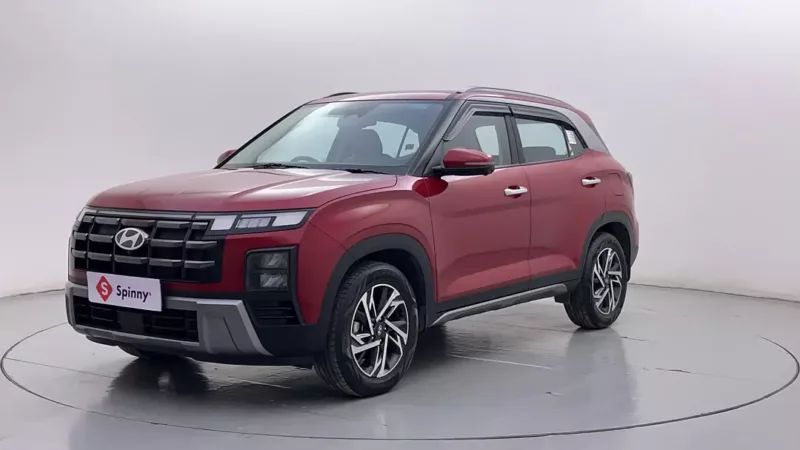
The Tata Sierra is an iconic vehicle that has left a deep imprint on India’s automotive industry. It was, after all, one of India’s first lifestyle SUVs that made its debut in the 1990s, and the Sierra stood for ruggedness, innovation, and comfort far ahead of its era. With Tata Motors announcing Sierra’s trendy comeback, enthusiasts and practical buyers have again become interested in Sierra’s reliability.
The reliability of a car is not just that it starts every morning, but it depicts long-term ownership happiness and defines maintenance costs, resale value, and overall peace of mind. In the case of a vehicle like the Sierra, which is expected to combine the latest technology with the robustness of an SUV, reliability is even more critical, particularly given Indian roads and climate.
This comprehensive guide is the answer to how owners can enhance Tata Sierra reliability by making the right choices and following regular maintenance. So, keep reading for a detailed insight!
Understanding Tata Sierra Reliability
Tata Sierra’s reliability is based on both heritage and evolution. The first Tata Sierra was known for being mechanically robust; however, it was not very refined and lacked the usual service sophistication of that time. Now, the modern-day Sierra, a comeback model, has been benefiting from Tata Motors’ progress in engineering, quality control, and after-sales service for more than a decade.
Real-World Perception of Tata Sierra Reliability
Generally, the Sierra label, according to the first-hand owners of the brand and long-time users of the Tata SUVs, means:
- Safe cabin due to strong body structure and crash safety.
- Suspension that can withstand Indian roads with prolonged durability.
- Engines that are long-lasting rather than high-performance ones.
The reliability of modern Tata cars like the Harrier, Safari, and Nexon has been considerably enhanced, and the Sierra is going to be the next one to take over these improvements.
Tata Sierra Known Reliability Concerns (Expected)
While the official long-term data for the new Sierra is still a work in progress, the potential reliability issues that may arise in the new Sierra are generally the same as those that have been observed in modern Tata SUVs and include:
- Gadgets and infotainment systems glitch during early ownership.
- Sensor-related warnings that require software updates.
- Suspension parts that might be worn out due to extremely bad road surfaces.
These worries are not among the factors that might cause one to give up on the new Sierra, but they point out the reasons that preventive maintenance and proper use are necessities if one wants to have a reliable Sierra for several years of ownership.
Fuel Type and Tata Sierra Reliability
The Tata Sierra is likely to be available with several powertrain options, and each fuel type will have different impacts on the vehicle’s reliability over time. In this case, choosing the right variant is a crucial factor in the cost-effectiveness of ownership, the amount of maintenance, and the overall trustworthiness of the vehicle.
Tata Sierra Petrol Variant Reliability
The petrol-powered Tata Sierra variants are expected to be the first choices of the urban and semi-urban users who prioritise a smooth performance, quiet operation, and a refined driving experience, particularly during daily commutes and short-distance trips.
Some clear advantages of this variant are:
- Engine operation is more efficient, and vibration levels are significantly lower.
- Less mechanical wear and tear of the internal parts due to the lower stresses of the petrol cycle than in diesel engines.
- Maintenance is carried out with fewer difficulties, and less service complexity is involved.
However, there are a few limitations to keep in mind:
- Fuel consumption is higher in situations of heavy load, or if the vehicle is driven aggressively for quick acceleration.
- The sensitivity to poor-quality or adulterated fuel can considerably worsen the performance.
- Owners of turbocharged petrol engines must keep to their oil change schedule without fail.
Tata Sierra Diesel Variant Reliability
The diesel variant of the Tata Sierra is likely to benefit from Tata’s mature diesel powertrain technology, making the unit a powerful option for users who frequently go long distances or operate in mixed urban-highway conditions.
This option offers several notable advantages:
- Engines designed for high torque delivery and long-term mechanical durability.
- Better suited for long and fast road trips while the vehicle is fully loaded.
- Proven capability to maintain performance at long mileage with the proper upkeep.
Despite its advantages, there are certain drawbacks:
- The diesel particulate filter (DPF) might become clogged due to frequent short trips.
- A higher cost of maintenance and service compared to petrol variants.
- If service intervals are neglected, there will be a higher risk of injector and turbocharger wear.
Transmission Type and Tata Sierra Reliability
Selecting the right transmission is a very important factor for the long-term Tata Sierra reliability, especially in India, where the density of traffic, the climate, and the quality of roads make the drivetrain components wear out faster.
Tata Sierra Manual Transmission Reliability
Manual gearboxes remain the most reliable ones that can be suggested to a buyer who is focused on long-term reliability and mechanical simplicity, particularly in extreme usage conditions.
Manual transmissions bring about reliability improvements because:
- They have a simple mechanical design, which drastically reduces the number of parts that can cause failure
- In case of breakdown, the costs for repair and replacement are lower than in the case of automatic systems
- They are more resilient to rough use, such as stop-and-go traffic, uneven roads, etc.
Owners should adhere to the following measures if they want their transmissions to remain reliable over time:
- Changing the clutch fluid regularly is necessary if the clutch operation is to remain smooth
- Not placing the foot on the clutch pedal is very important because it helps to slow down the wear
- If your clutch is slipping, you should get it fixed immediately to stop the damage to the pressure plate and flywheel
If performance with minimal surprises is what the owner is looking for, then the manual Sierra will be the right option.
Tata Sierra Automatic Transmission Reliability
Automatic transmissions provide ease of operation, but their extended durability will still be very much a function of the particular automatic gearbox and its maintenance.
Torque Converter Automatics are typically regarded as the most reliable automatic choice for Indian conditions:
- Smooth power delivery with less drivetrain wear
- Better heat management, especially in a traffic-heavy environment
- Longer service life, thus, can be a good choice for extended ownership
Dual-Clutch Automatics (DCT) are more geared towards performance and quickness of response:
- Faster gear changes, thus, better driving dynamics
- Higher ‘traffic’ sensitivity, i.e., frequent stop-and-start usage
- More attention is needed for maintenance, with reliability directly connected to servicing discipline
Torque converter automatics are predicted to be more reliable overall and hence a better choice for the Sierra model in Indian conditions of road and climate than DCT units.
Preventive Maintenance Tips for Tata Sierra
Preventive care is the main factor that helps the Sierra system to be more dependable, and at the same time, it allows the user to avoid unexpected breakdowns of the system. The following is a detailed overview:
- Engine and Powertrain Care: Adhering to oil change intervals as recommended by the manufacturer, using the correct oil grade, and allowing the engine to warm up properly will help keep the engine less worn and provide stable powertrain performance.
- Cooling System Maintenance: By always checking the coolant levels, flushing the system according to the schedule, and inspecting the radiator hoses, one can stay away from overheating, and at the same time, the critical engine parts will be protected.
- Suspension and Steering: It is possible to maintain the features of the car that relate to the comfort of the ride, handling, and the health of the chassis if, every year, one checks the condition of the bushings and ball joints, performs timely wheel alignment, and replaces worn dampers at an early stage.
- Electrical and Software Updates: System stability can be maintained to the highest degree if service software updates are installed without delay, warning lights are given immediate attention, and aftermarket electrical changes are avoided.
- Battery Care: If one limits frequent full charges, prefers slow charging, and parks the car in the shade, the battery will be less stressed and can last for a longer duration.
Regular preventive checkups can greatly improve Tata Sierra reliability. The vehicle will have fewer problems and perform smoothly without costing you much in the long run.
Early Warning Signs of Reliability Issues in the Tata Sierra
Recognising the early warning signs in the Tata Sierra is advantageous for owners because they can fix the problem before it escalates into a mechanical or electrical failure. Here’s what you should look out for:
- Engine-Related Signs: Knocking sounds, uneven idling, and increased oil consumption are most often combustion issues, which can be caused by sensor faults or early engine wear and can eventually affect the engine’s long-term reliability.
- Transmission Warning Signs: Delayed engagement, jerky shifts, or a burning smell are the most common signs that indicate fluid degradation, software issues, or internal transmission stress.
- Suspension and Chassis Alerts: Clunking noises, steering vibration, and uneven tyre wear are the most common indications of worn-out suspension components or alignment issues that affect the ride quality and stability.
- Electrical Red Flags: Flickering screens, random warning lights, and infotainment freezes are some of the most common signs that point to electrical inconsistencies, weak battery output, or software glitches.
- EV-Specific Alerts: Range drops, charging interruptions, and battery temperature warnings are some of the signs that may indicate battery health or thermal management issues that need prompt intervention.
Early intervention with these warning signs is a key factor in Sierra’s reliability protection, which can lead to consistent performance, reduced downtime, and lower long-term ownership costs.
Summary
Tata Sierra’s reliability saga is a mixture of heritage strength and modern engineering. With proper fuel selection, a reliable transmission, and regular preventive maintenance, a Sierra can remain very reliable for a long time.
Regardless of whether it’s ICE or EV, the Sierra is a good investment for owners who are careful drivers, keep up with servicing, and check warning lights early. As a result, it provides durability, safety, and reliable performance true to the Sierra heritage.
FAQs about Tata Sierra Reliability and Maintenance
Q. How reliable is the Tata Sierra for long-term ownership?
If kept in good condition with regular maintenance and timely servicing, the Tata Sierra should be able to provide reliable long-term performance. This is especially true considering the improved build quality and engineering standards from Tata Motors.
Q. Which fuel type offers the best Sierra reliability?
Diesel variants are the best choice for those who drive the car for long distances while petrol is more suitable for city drivers.
Q. Is an automatic Sierra less reliable than a manual?
Not necessarily. Torque converter automatics can be almost as reliable as manuals when they are serviced regularly, while DCTs should be used more carefully.
Q. How often should the Tata Sierra be serviced?
It is necessary to service the car annually or every 10,000-15,000 km (depending on the fuel type) to keep the Sierra in optimal working condition.
Q. What is the biggest threat to Sierra’s reliability?
Ignoring the early warning signs, delaying software updates, and skipping preventive maintenance are the greatest threats to Sierra’s reliability.