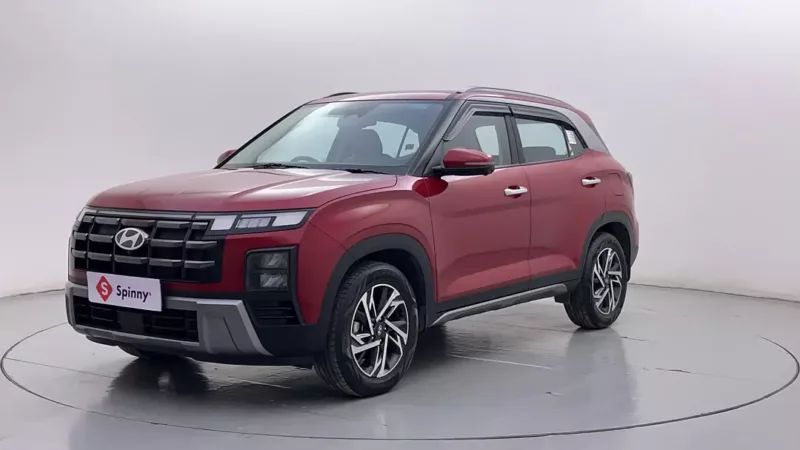

The “Morris Garages” MG Hector is a statement of style, space, and smart technology. Equipped with a large 14-inch display screen, connectivity options, and high-quality interiors, the vehicle provides a luxurious driving experience with robust road presence.
However, as with any technologically advanced car, the reliability of the MG Hector relies heavily on timely servicing and smart driving habits. Let’s explore how to enhance Hector’s long-term reliability with fuel selection and preventive service.
Table of Contents
Understanding MG Hector Reliability
The MG Hector has received differing opinions regarding its long-term reliability. The 5-year comprehensive warranty provides confidence to first-time buyers, and the vehicle tends to stand up well to greater mileage with diligent maintenance.
However, some owners report problems, particularly on diesel models, such as clutch wear and infotainment malfunctions. Interior rattles on uneven roads, and inconsistencies in electronic features have also been reported. Although these issues do not affect every vehicle, they indicate owners need to remain vigilant in maintenance.
Regular maintenance, timely software updates, and cautious driving can sustain Hector’s performance. In spite of certain demerits, its powerful engine choices, security features, and capacious interior design make it a practical and comfortable SUV.
Fuel Type and Reliability of MG Hector
MG Hector comes with 2 engine options—a 1.5-litre turbo-petrol (1451 cc) and a 2.0-litre diesel (1956 cc)—both with manual and automatic transmission options, depending on the trim. The petrol model generates 141 bhp and 250 Nm of torque, while the diesel model generates higher torque, which is better for highway cruising.
ARAI-tested mileage varies from 12.34 kmpl (petrol auto) to 15.58 kmpl (diesel manual), with the petrol manual returning a middle ground of 13.79 kmpl. For reliability, the Hector holds up well when serviced regularly.
Owners compliment the ride quality, noting its comfort due to the soft suspension, especially on uneven terrain, and the controlled body roll for a vehicle of this size. Timely servicing, particularly for electronics, keeps the Hector reliable in the long term.
Transmission Type and MG Hector Reliability
The MG Hector is available with both manual and automatic transmission choices, based on the engine variant.
The diesel version is available only with a 6-speed manual gearbox, while the petrol variants can be equipped with a 6-speed manual, a CVT (Continuously Variable Transmission), or a DCT (Dual-Clutch Transmission) in previous models.
Both transmission choices offer different experiences and long-term ownership plans:
1. 6-Speed Manual Transmission (MT)
- User Reviews: Owners in Tier-2 and Tier-3 cities prefer manuals due to their low purchase price and long-term operating cost. However, some users of diesel variants have complained about clutch wear in stop-and-go traffic, requiring more frequent servicing in city conditions.
2. CVT (Continuously Variable Transmission)
- User Feedback: Overall, most drivers like the comfort and drivability. Some complain about lower mileage and a delayed response in Sport mode when driven aggressively.
3. DCT (Dual-Clutch Transmission)
- User Feedback: Driving enthusiasts appreciate the driving dynamics but point out shortcomings in shift lag and increased service costs for older models.
Preventive Maintenance Tips for MG Hector
MG Hector is a feature-loaded SUV that provides a premium driving experience, yet periodic maintenance is necessary to keep it at its best. The following are crucial tips for new and current MG Hector owners:
Know Your Vehicle Inside-Out
Study the owner’s manual to know about your MG Hector’s features, service intervals, fluid capacity, and dashboard warning lights. This assists in determining basic faults at an early stage and preventing unnecessary failures.
Clean and Maintain the Engine
A tidy engine bay prevents long-term harm from dust, sludge, and oil leakages. Make sure to regularly use clean fuel and change the engine oil to provide smooth operation and lower repair bills.
Maintain Tyre Health
Monitor tyre pressure every 10 days to prevent premature tyre wear, low mileage, and handling problems. MG Hector’s Tyre Pressure Monitoring System (TPMS) is an excellent feature to monitor pressure levels in real-time for a secure drive.
Find out the meaning of each warning sign on your dashboard—be it tyre pressure, engine check, or battery warnings. The i-Smart system also provides in-app alerts, which make it simpler to take prompt action if something goes wrong.
Develop Safe Driving Habits
Be gentle with the accelerator and brake pedals to avoid excessive stress on the engine and suspension. Check your driving habits on Hector’s i-Smart app using Smart Drive analytics to optimise both mileage and safety.
Beware of Infotainment Freezing
A few owners have complained of the 10.4-inch screen freezing or stuttering, particularly with Apple CarPlay or Android Auto. Get the system software updated, and verify infotainment performance on your test drive.
Monitor Oil and Lubricants
Check engine oil and transmission fluid levels as a matter of routine. Replace engine oil and oil filters to prevent friction wear.
Exercise Caution with DCT Variants in City Traffic
The petrol DCT variant (particularly pre-2021 units) tends to overheat in stop-and-go traffic. If you’re mainly driving in short-distance urban congestion, consider other variants to prevent long-term wear and overheating problems.
Keep a Track of Battery Health
The previous models reportedly suffered from battery drain as a result of excessive power consumption from smart features. Make certain all infotainment and electrical items are powered off when not in use, and have the battery serviced during each service.
Check Sunroof and Cabin Panels
Some owners hear squeaky sunroofs and rattling cabin panels at 2–3 years. Although not a performance issue, it makes sense to check its interiors from time to time to keep such issues at bay.
Be Aware of Suspension Thuds and Creaks
MG Hector suspension is tuned for comfort, but roughness and bumps on Indian roads can wear out the parts. Be aware of thuds and creaks, and have the suspension checked from time to time, particularly in older and high-mileage vehicles.
Early Warning Signs of Reliability Issues
Even though the MG Hector SUV provides great value and premium amenities, it’s vital, as with any vehicle, to remain watchful for early warning signs that can affect its long-term performance.
Knowing them can help protect your MG Hector’s reliability in the years to come. These include:
Infotainment System Malfunctions
Numerous MG Hector owners have complained about stuttering or freezing of the massive 10.4-inch touchscreen, particularly with Apple CarPlay/Android Auto usage. If the system crashes or becomes slow during your test drive, it may reflect software instability.
Transmission Overheating in DCT Variants
Previous petrol DCT models have also developed transmission overheating in heavy traffic. If you are experiencing gear shifts getting jerky or delayed while driving in the city, it’s a possible red flag—particularly if you reside in heavily urbanised places.
Low Battery Life in Early Models
Some of the first MG Hectors have questionable battery life management, and this results in rapid battery depletion. Symptoms range from slow boot time, dimming lights, or infotainment reboots. Check battery health, especially if the car frequently uses connected features.
Suspension and Cabin Noises
Be aware of suspension thudding noises on poor roads, as well as sunroof and cabin panel rattles. Though not always a problem, repeated noises can be vexing and indicate wear on parts that could impact the reliability in the long term.
Oil Leaks and Warning Lights
Look for oil leaks beneath the vehicle or check warning lights, such as those for the engine, ABS, or oil pressure gauges, that remain on. These may indicate more serious mechanical problems or faulty sealing—especially if the car hasn’t been serviced at normal intervals.
ABS Warning Light Malfunction
One of the most common problems in the MG Hector is that the ABS light remains on, even though the system itself is functioning properly.
This tends to be associated with malfunctioning wheel speed sensors and should be checked at the earliest. Overlooking this issue can undermine safety during emergency brakes.
Premature Rust in Wet Climates
If the MG Hector is from a wet or high-rainfall area, check for premature rusting—particularly at the underbody and door sills. While premature rusting is uncommon, some MG models have been known to exhibit it and should be addressed promptly.
Summary
The MG Hector delivers a feature-packed, spacious, and trendy SUV experience supported by cutting-edge technology and security features. When it comes to MG Hector reliability, it relies upon fuel type, transmission maintenance, and regular servicing.
Regardless of whether you have a CVT, DCT, or manual, sticking to service intervals, software updates, and monitoring early warning signs will lead to long-term performance and resale value. In addition, consistent care, periodic servicing, and other maintenance are key to maximising the MG Hector’s reliability and driving experience.
FAQs about MG Hector Reliability Maintenance Tips
Q. What are the frequent issues that MG Hector owners have raised?
Several MG Hector owners have promptly complained about battery drain, particularly when more than one feature is plugged in or running. This has been attributed to early software updates that failed to control the power draw efficiently. There have also been sporadic complaints of infotainment freezes and sensor failure.
Q. Is the MG Hector high maintenance?
The MG Hector’s maintenance requirements can differ. Its average maintenance cost is around ₹585 monthly, which is reasonable for an SUV of this size. These figures represent estimates for the base petrol and diesel variants, and actual costs may vary depending on factors such as usage, fuel type, location, and service upgrade choices.
Q. How do I keep my MG Hector’s warranty intact?
To ensure your MG Hector’s warranty remains valid, it should be serviced every 12 months, as per MG’s recommended schedule. Competitive or off-road use is excluded from cover. Consumables such as tyres are also not covered under warranty claims, so refer to your service manual for information.
Q. What are the drawbacks or issues with the MG Hector?
Though popular MG vehicles like the MG Hector come with impressive features, some owners have suffered from electrical issues—such as sensor malfunctions or infotainment glitches—and periodic mechanical issues. These are model- and year-dependent, so regular maintenance and software revisions are important to ensure reliability.
Q. Is the MG Hector powerful enough and reliable for daily driving?
The MG Hector provides responsive and competent engine choices that are well-suited for city driving and highway cruising. Although it is not designed for extreme off-roading, it navigates light terrain with confidence. With proper maintenance and upkeep, it is a dependable SUV in most usage conditions.