The GST 2.0 reforms by the Indian government, which came into effect on September 22, 2025, have recast the car pricing rulebook. Luxury cars and SUVs have had some of the highest tax slabs in the nation for years, and in many cases, this has pushed up ex-showroom costs by close to half. With the new GST framework, that’s no longer the case and nowhere is the contrast more stark than in the BMW product portfolio.
BMW India made across-the-board price cuts in all its ICE and hybrid models, ranging from a low of ₹1.6 lakh in the 2 Series Gran Coupe to a high of ₹13.6 lakh in the top-spec BMW M8. The top-selling variants of the automaker, such as the 3 Series LWB, X1, and 5, now cost less and are therefore a reason for customers across the board to check out showrooms.
It’s not a question of numbers at all. Lower ex-showroom prices, lower insurance payments, registration costs, and loan EMIs too. For customers, this means luxury is becoming significantly more affordable. And for BMW, a timely boost in a segment in which competition in the form of Mercedes-Benz, Audi, and Volvo was fierce.
In a nutshell, GST 2.0 gave BMW a timely chance to consolidate leadership in India’s luxury space just before the festive season when sales are at a high.
GST Impact on BMW Cars up to 1200cc and up to 4000mm
BMW currently has no Indian models that are eligible for the lower 18% GST slab (small cars ≤ 1200cc petrol, ≤ 1500cc diesel, ≤ 4000mm length). Therefore, none of its cars fit into that lower GST slab.
All BMWs remain within the higher category; therefore, the real impact of GST 2.0 is evident only among higher-engine, longer-bodied automobiles.
GST Impact on BMW Cars with more than 1200cc and more than 4000mm
Since every BMW car in India exceeds 1200cc and 4000mm in length, the entire portfolio has shifted into the 40% GST slab (down from ~45–50% earlier). This has translated into sizeable price cuts across sedans, SUVs, and the M Performance range. Some of the most prominent changes include:
- Entry-level models like the 2 Series Gran Coupe see modest reductions of around ₹1.6 lakh.
- Mid-segment best-sellers such as the 3 Series, 5 Series, and X3/X5 SUVs record savings of ₹3.5–₹6.8 lakh.
- Flagship vehicles like the 7 Series, X7, and M Performance lineup receive the steepest drops, with the M8 Competition Coupe saving buyers as much as ₹13.6 lakh.
- Highest difference: BMW M8 Competition Coupe (~₹13.6 lakh)
- Lowest difference: BMW 2 Series Gran Coupe (~₹1.6 lakh)
| Car | Price Before GST Update | Price After GST Update | Difference |
| 2 Series Gran Coupe | ₹46,20,000 – ₹46,80,000 | ₹44,70,000 – ₹45,10,000 | ₹1,50,000 – ₹1,70,000 |
| 3 Series / Gran Limousine | ₹61,50,000 – ₹62,50,000 | ₹58,00,000 – ₹59,00,000 | ₹3,30,000 – ₹3,70,000 |
| 5 Series | ₹77,50,000 – ₹78,50,000 | ₹73,30,000 – ₹74,30,000 | ₹3,90,000 – ₹4,40,000 |
| 7 Series | ₹1,79,00,000 – ₹1,81,00,000 | ₹1,69,00,000 – ₹1,71,00,000 | ₹9,50,000 – ₹10,50,000 |
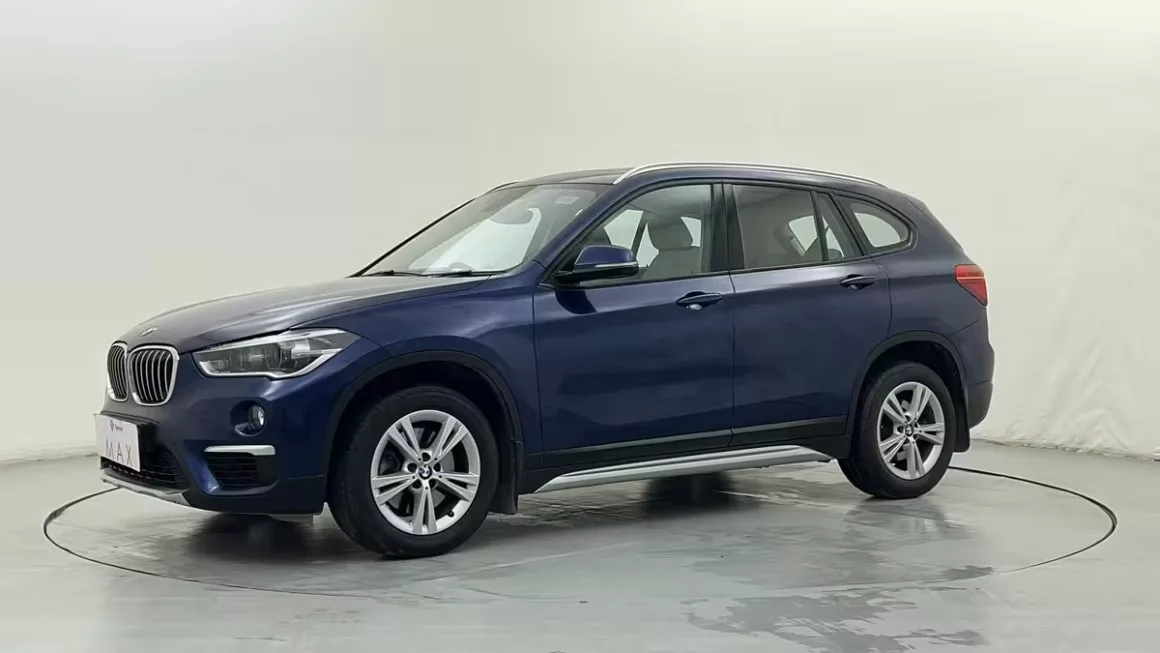
| X1 | ₹49,00,000 – ₹50,00,000 | ₹46,60,000 – ₹47,30,000 | ₹2,30,000 – ₹2,70,000 |
| X3 | ₹72,50,000 – ₹73,50,000 | ₹67,20,000 – ₹68,30,000 | ₹4,90,000 – ₹5,40,000 |
| X5 | ₹94,00,000 – ₹96,00,000 | ₹87,30,000 – ₹89,10,000 | ₹6,50,000 – ₹7,10,000 |
| X7 | ₹1,49,00,000 – ₹1,51,00,000 | ₹1,40,00,000 – ₹1,42,00,000 | ₹8,50,000 – ₹9,50,000 |
| M340i | ₹71,50,000 – ₹72,50,000 | ₹67,20,000 – ₹68,20,000 | ₹4,00,000 – ₹4,50,000 |
| M4 Competition | ₹1,59,00,000 – ₹1,61,00,000 | ₹1,50,00,000 – ₹1,52,50,000 | ₹8,30,000 – ₹9,00,000 |
| M8 Competition Coupe | ₹2,48,00,000 – ₹2,52,00,000 | ₹2,35,00,000 – ₹2,37,80,000 | ₹13,00,000 – ₹14,20,000 |
With GST 2.0, BMW cars across the lineup have become significantly more affordable, particularly in the mid-size and performance segments, where savings range from ₹5 lakh to ₹ 10 lakh.
Summary
GST 2.0 has rewritten the luxury car-buying equation in India. For BMW, the changes translate to cuts of up to ₹1.6 lakh in entry-level sedans and around ₹13.6 lakh in high-end performance variants. It’s not about numbers, it’s about making cars more affordable. A lower ex-showroom price translates to lower insurance, registration, and EMIs for customers, making BMW ownership less expensive and more attainable for a wider range of customers.
Strategically, BMW gains by being fast and clear in passing the full value benefit across to customers. Whether the newcomer X1, the family vehicle X5, or the adrenaline-pumping M8, the portfolio now better competes relative to Mercedes, Audi, and Volvo. Supply challenges, margins, and competition challenges remain, but the net effect is obvious: GST 2.0 has swung the luxury car argument in BMW’s favour. It’s not very often a better time for customers to walk into a BMW dealership.
FAQs on GST 2.0 Impact for BMW Cars
Q. How much cheaper are BMW cars after GST 2.0?
Savings range from ₹1.6 lakh on the 2 Series Gran Coupe to ₹13.6 lakh on the M8 Competition Coupe.
Q. Which BMW model gets the highest price cut?
The flagship BMW M8 Competition enjoys the biggest cut up to ₹13.6 lakh.
Q. Are these reductions applicable across all BMW variants?
Yes. All BMW sedans, SUVs, hybrids, and M performance models above 1200cc and 4m in length now attract the 40% GST rate.
Q. Do the price cuts lower on-road costs too?
Absolutely. Since registration fees and insurance premiums are tied to ex-showroom prices, buyers save beyond the headline cuts.
Q. When do the new GST rates take effect?
The revised GST structure came into effect on September 22, 2025, and BMW has already updated prices accordingly.
Q. How does BMW compare to competitors under GST 2.0?
Mercedes, Audi, and others also benefit, but BMW’s wide portfolio and quick decision to pass on the full benefit make its cuts more impactful.
Q. Will used BMW prices fall as well?
Yes, resale values are likely to adjust downward, as lower new car prices affect second-hand valuations.