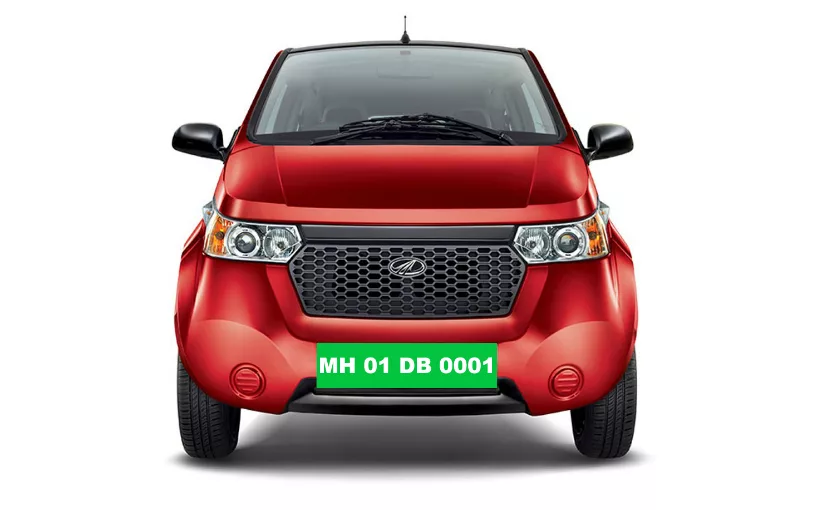
Under the Indian Motor Vehicle Act, 1988, a green license plate was introduced to distinguish electric vehicles (EVs). These plates indicate that the vehicle relies on electricity for power and does not cause pollution. Depending on whether they are personal or commercial, these cars can either have white letters or yellow letters on green plates.
Not only are green number plates used to identify EVs, but they also help them get special benefits like toll discounts, parking advantages, and smoother access in certain areas. By law, only 100% battery-electric vehicles are eligible for green plates. Hybrid cars that use both battery and fuel for power are not covered by this scheme and must use the normal colour.
Continue reading to understand how green number plates operate, who can use them and why they are significant for India’s quest to have cleaner vehicles on the roads.
What is a Green Number Plate in India?
The Indian government started introducing green number plates to encourage people to use electric vehicles (EVs). These plates help people identify EVs on the road. Private EVs have white letters and numbers on a green background, while commercial EVs have yellow letters on the same green background.
Green number plates are a step towards a cleaner and greener future. These plates help identify EVs and offer benefits like lower tolls, parking privileges, and access to special lanes in traffic-heavy areas. For commercial use, companies may also need to add a certain number of electric vehicles to their fleets in the future.
Green number plates were launched in India in December 2020. Since then, both new and existing EV owners have been allowed to get green plates.
Who Needs a Green Number Plate?
Green number plates are meant for all types of electric vehicles (EVs) and are required by law. Listed below are the people who need a green number plate in India:
- Anyone who owns an electric vehicle must have a green number plate. It shows that the vehicle runs on electricity and produces no emissions.
- Private electric vehicle owners will have green plates with white letters and numbers.
- Commercial electric vehicle owners will have green plates with yellow letters.
- Fleet operators and transport companies using electric vehicles for ride-sharing or delivery services must also use green number plates for their EVs.
- Government departments using electric vehicles are also required to register them with green number plates.
How to Apply for a Green Number Plate in India?
To obtain a green number plate for your electric vehicle in India, you can go offline or online. Both of them are discussed below in detail:
- Offline Application Process
If you prefer the offline approach, visit your nearest RTO office to apply in person. Here’s how it works:
- Step 1: Submit Forms & Documents
At the RTO counter, provide all required documents, indicating the vehicle’s electric status.
- Step 2: Pay the Fees
Pay the prescribed registration fee and any applicable Green Tax.
- Step 3: Vehicle Inspection
An RTO officer will inspect the vehicle’s chassis/frame and dimensions and verify details.
- Step 4: Number Allotment
The RTO assigns a permanent registration number once approved.
- Online Application Process
The most convenient way to apply online is through the VAHAN portal or your state-specific RTO website. Here are the steps to follow:
- Step 1: Visit the Official Vahan Portal.
- Step 2: On the homepage, choose your State and Regional Transport Office (RTO).
- Step 3: From the menu, click on ‘Online Services’.
- Step 4: Then click on ‘Vehicle Related Services’.
- Step 5: Choose your RTO location and click ‘Apply for New Registration’.
- Step 6: Fill in the details of your new electric vehicle.
- Step 7: Upload the scanned copies of the required documents.
- Step 8: Pay the applicable fees online.
- Step 9: Apply after reviewing all details.
- Step 10: Download and save the application receipt for future reference.
Your RTO might schedule a date for a physical inspection of your vehicle. Once your registration is approved, a Registration Certificate (RC) will be issued. You’ll be assigned a vehicle registration number.
Documents Required for a Green Number Plate in India
To register your electric vehicle in India and obtain a green number plate, you’ll need the following documents:
- Identification Proof: Voter ID, Aadhaar Card, PAN Card, Driving Licence, etc.
- Address Proof: Aadhaar Card, Indian Passport, Utility Bills, etc.
- Vehicle Registration Application: Complete Form CMV20.
- Electric Car Sales Certificate: Issued by the vehicle dealer.
- Vehicle Insurance: Provide a valid and active insurance policy.
- Temporary Registration: Obtained from the vehicle dealer.
- PAN Card Copy: A copy of your PAN Card.
Make sure all copies are legible and readable, especially when posting online. For offline applicants, present original documents and photocopies for verification purposes.
Fees for Green Number Plate in India
The cost of a green number plate for electric vehicles in India is not the same everywhere. It depends on the type of vehicle (like a two-wheeler or four-wheeler), the vehicle brand, and where the number plate is made or registered.
Sometimes, there can be extra charges like:
- Form charges (around ₹100 to ₹200)
- Dealer handling fees if the dealer applies for you
- Fast-track processing fees, especially in city RTOs
If your application gets rejected because of missing documents or mistakes, the fee is usually not refunded. To avoid any confusion, always check the fee details with your local RTO.
Difference Between Green and Other Number Plates
India uses different number plate colours to show what a vehicle is used for. Each colour has a meaning. Here’s a simple chart to help you understand:
| Plate Colour | Purpose | Font Colour | Examples |
| White | Private vehicles | Black | Personal cars or bikes |
| Yellow | Commercial vehicles | Black | Taxis, delivery vans, trucks |
| Black | Rental/luxury use | Yellow | Self-drive rentals, luxury rentals |
| Red | Temporary registration | White | Just delivered new cars |
| Green | Electric vehicles | White (Private)/Yellow (Commercial) | EV cars, electric scooters |
| Blue | Government/diplomatic use | White | Embassy cars, UN vehicles |
Penalties for Misuse of Green Number Plate in India
Misusing a green number plate is a serious offence under the Motor Vehicles Act, 1988. The offender can face a fine of up to ₹5,000, jail time for up to 3 months, and even have their vehicle registration suspended or cancelled.
Misuse of a green number plate may include:
- Putting a green plate on a vehicle that is not electric
- Changing or tampering with the green plate
- Using a fake or copied green plate
- Using a green plate for business without the proper commercial permit
These strict rules are meant to stop misuse and protect the purpose of green plates, which is to support electric vehicles and clean, eco-friendly transport.
Green Number Plates for Interstate Vehicle Purchase
Green number plates in India are meant only for electric vehicles (EVs). They show that the vehicle is eco-friendly. These plates are not linked to interstate vehicle registration or the BH series, which is used for vehicles that move across states more easily.
The main purpose of the green number plate is to encourage people to use EVs and support clean and green transport in the country.
Tips for a Smooth Green Number Plate Process
Here’s a quick guide with essential tips to help you navigate the green number plate process smoothly:
- Prepare your documents, and scan everything in advance to make uploading quick and easy.
- Avoid agents or middlemen to save money and avoid scams.
- If an RTO visit is needed, go on time and take both the original and photocopies of your documents.
- Keep your online receipt with you as proof when visiting the RTO.
- Ask your dealer if they assist with green plate registration. Some may also include it in the vehicle cost.
- Do not drive your EV until the green plate is installed; otherwise, it can lead to fines.
- Check with your state RTO for any extra rules, as green plate procedures can vary by state.
A green number plate is not just about showing your support for eco-friendly transport; it is a legal requirement that proves your electric vehicle (EV) is officially registered and fit for road use. Whether you’re using the EV for personal or commercial purposes, the green plate confirms that you’re following the rules while contributing to a cleaner environment.
If you delay the application, submit incorrect or incomplete documents, or choose the wrong type of plate, you may end up paying fines or facing legal trouble. To avoid this, it’s important to stay updated about the process. This ensures your EV ownership journey is stress-free.
FAQs About Green Number Plate in India
Q. Can I get a green number plate for my hybrid vehicle?
No. Hybrid cars, which use both fuel and electricity, are not allowed to use green number plates. These plates are only for fully electric vehicles
Q. Are there any extra charges for getting a green number plate?
Not usually. You just have to pay the normal registration fees and taxes like you would for any new vehicle.
Q. Can I use my green number plate on another EV?
No. Green plates are linked to one specific vehicle. If you sell your EV and buy another, you must apply for a new green plate.
Q. What if my green number plate is lost or broken?
Go to your local RTO and report it. You’ll need to apply for a replacement plate and pay a small fee.
Q. What happens if I drive my EV without a green number plate?
It’s against the law to drive an EV without a green number plate. You may be fined or face other penalties under the Motor Vehicles Act.