
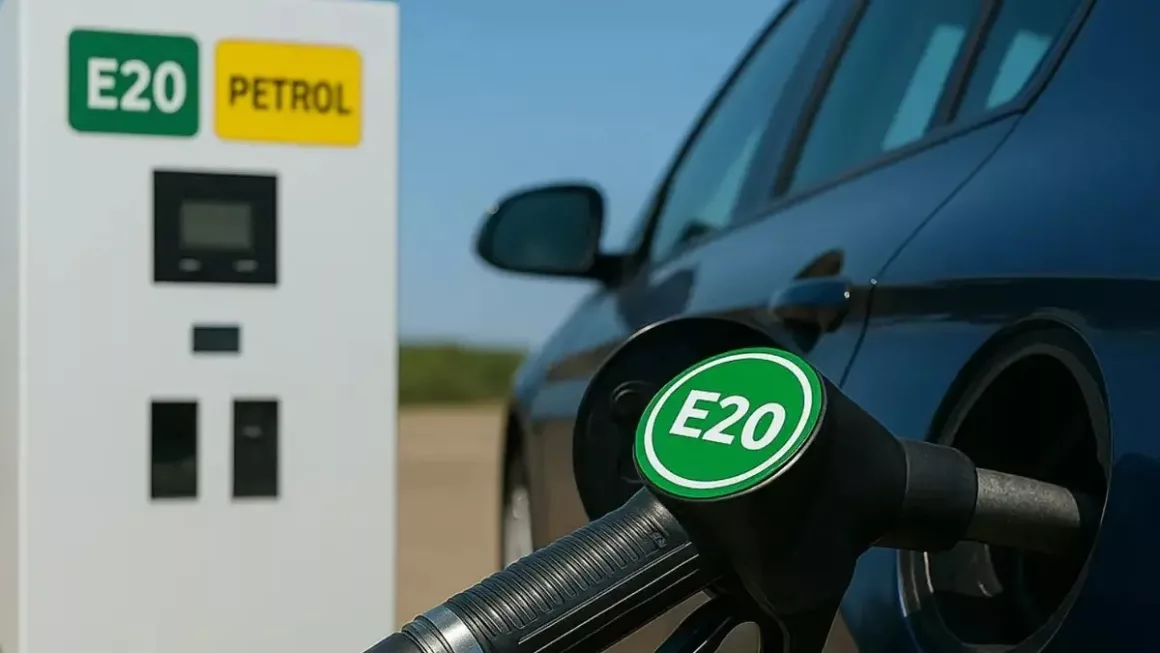
India’s push towards sustainable mobility has led to the gradual rollout of E20 petrol, a blend of 20% ethanol with 80% petrol. This initiative reduces reliance on fossil fuels, helps curb carbon emissions, and supports the domestic ethanol economy. However, for vehicle owners, this transition comes with fresh responsibilities. Ethanol behaves differently from traditional petrol, so cars and bikes require a little extra care to ensure reliable performance.
If you’ve been wondering what E20 petrol is and how it affects your vehicle, this guide covers all the crucial maintenance precautions to help you drive worry-free.
Table of Contents
What is E20 Petrol?
E20 petrol refers to a fuel mixture containing 20% ethanol and 80% petrol. Ethanol is a renewable biofuel derived mainly from sugarcane, maize, and other crops. The government’s plan to introduce E20 is aimed at reducing crude oil imports, cutting greenhouse gas emissions, and offering a cleaner alternative.
But ethanol is more corrosive and hygroscopic (absorbs water) than regular petrol. This means cars running on E20 need special attention to fuel system health, oil quality, and storage practices. While most new vehicles from 2023 onward are E20-ready, older models may face challenges unless maintained properly.
E20 Petrol Price in India
One common question for drivers is about the E20 petrol price compared to regular petrol. Currently, E20 is being priced on par with conventional fuel in most states to encourage adoption. However, mileage may drop slightly due to ethanol’s lower energy density, which can influence overall running costs. While upfront fueling costs won’t change much, owners must consider potential increases in maintenance if their vehicles aren’t E20 compliant.
Key Maintenance Precautions for E20 Petrol
Ensure Vehicle Compatibility
Before refueling with E20, always check whether your car or bike is E20 compatible. Using this blend in a vehicle designed for E10 (10% ethanol) could lead to faster wear of rubber hoses, seals, and certain metal components. Vehicle manufacturers now provide clear compliance labels in owner manuals or near the fuel cap.
If your vehicle isn’t E20-certified, stick to E10 until you upgrade to a compliant model.
Inspect Fuel System Regularly
Ethanol can corrode metallic components and degrade rubber faster. That’s why frequent checks are crucial for:
- Fuel lines: Look for cracks, leaks, or brittleness.
- Gaskets and seals: Replace them if hardened or worn out.
- Fuel injectors: Ensure spray patterns remain smooth and unclogged.
Staying ahead of wear and tear helps prevent costly repairs down the road.
Prioritize Engine Oil and Lubrication
Ethanol can mix with engine oil, diluting it over time. This can reduce lubrication efficiency and cause premature engine wear. To avoid this:
- Stick to manufacturer-recommended oil change intervals—do not delay.
- Use synthetic or semi-synthetic oils when suggested for extra protection.
- Monitor oil levels more frequently than before.
Healthy lubrication ensures smooth power delivery and long-term reliability.
Keep an Eye on Mileage and Performance
Since ethanol has a lower calorific value, E20 petrol can reduce mileage by 5–10% compared to regular petrol. While this isn’t drastic, drivers should keep a log of their average fuel efficiency.
If you notice signs like engine knocking, sluggish acceleration, or hesitation, get your vehicle checked. Sometimes ECU recalibration may be required to optimize the fuel-air mix for E20 use.
Protect Against Moisture and Long-Term Storage Issues
Ethanol absorbs moisture from the air, which can separate from petrol over time if the vehicle isn’t used. This water-ethanol mix can harm the fuel system and engine. To prevent such issues:
- Avoid leaving your car with a full tank of E20 petrol for months.
- Use fuel stabilizers if you expect prolonged inactivity.
- Run the engine occasionally to keep fuel circulating.
Motorcycles and seasonal-use vehicles like scooters need special attention here.
Watch Out for Spark Plug Wear
Ethanol-blended fuels burn cleaner, but they may alter combustion dynamics. Spark plugs may show signs of early wear, fouling, or unusual deposits. Regular inspection and timely replacement help maintain strong ignition, smooth starts, and optimal mileage.
ECU Updates and Professional Servicing
Modern vehicles rely on Engine Control Units (ECUs) to balance air-fuel ratios. E20-compatible vehicles may already have ECU maps designed for ethanol blends, but older models could require updates. Always get servicing done at authorized workshops familiar with E20 handling.
Professional technicians can also spot early signs of ethanol-related wear in fuel systems, gaskets, or sensors saving you from bigger bills later.
Long-Term Perspective on E20 Petrol
India’s ethanol-blending program is aimed at long-term benefits: reducing pollution, boosting the farming sector, and cutting dependence on oil imports. For consumers, though, the shift is gradual. By following maintenance precautions, vehicle owners can ensure smooth performance while supporting a cleaner future.
It’s worth noting that while E20 petrol adoption is growing, complete nationwide availability will take time. Until then, many fuel stations will stock both E10 and E20 blends. Drivers should refuel wisely, always confirming what’s being dispensed at the pump.
Conclusion
E20 petrol represents progress towards greener transportation, but it requires informed vehicle care. By ensuring compatibility, inspecting the fuel system, maintaining timely oil changes, and keeping an eye on mileage, drivers can enjoy the benefits of cleaner fuel without compromising on performance.
Adopting these simple maintenance habits will not only extend your vehicle’s life but also help India transition smoothly to a sustainable mobility future.
FAQ
Q. Is my vehicle compatible with E20 petrol?
Most vehicles manufactured after April 2023 are E20-ready. You can check compatibility in your owner’s manual or near the fuel cap. Older models may only support E10 and could face issues if fueled with E20.
Q. Does E20 petrol affect mileage?
Yes, E20 petrol generally reduces fuel efficiency by around 5–10% compared to regular petrol because ethanol has lower energy content.
Q. What precautions should I take when using E20 petrol?
Regularly check fuel lines, gaskets, and engine oil. Avoid long-term storage of a full tank, and ensure spark plugs and injectors are serviced on time.
Q. Can E20 petrol damage my vehicle?
If your vehicle isn’t E20 compliant, it may cause corrosion in fuel lines, gasket wear, or reduced engine performance. For E20-ready vehicles, proper maintenance will prevent damage.
Q. Why is India moving towards E20 petrol?
The shift to E20 helps lower greenhouse gas emissions, supports local farmers through ethanol production, and reduces the country’s dependence on fossil fuels.