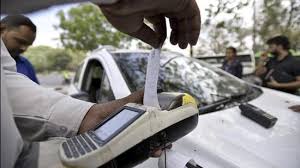
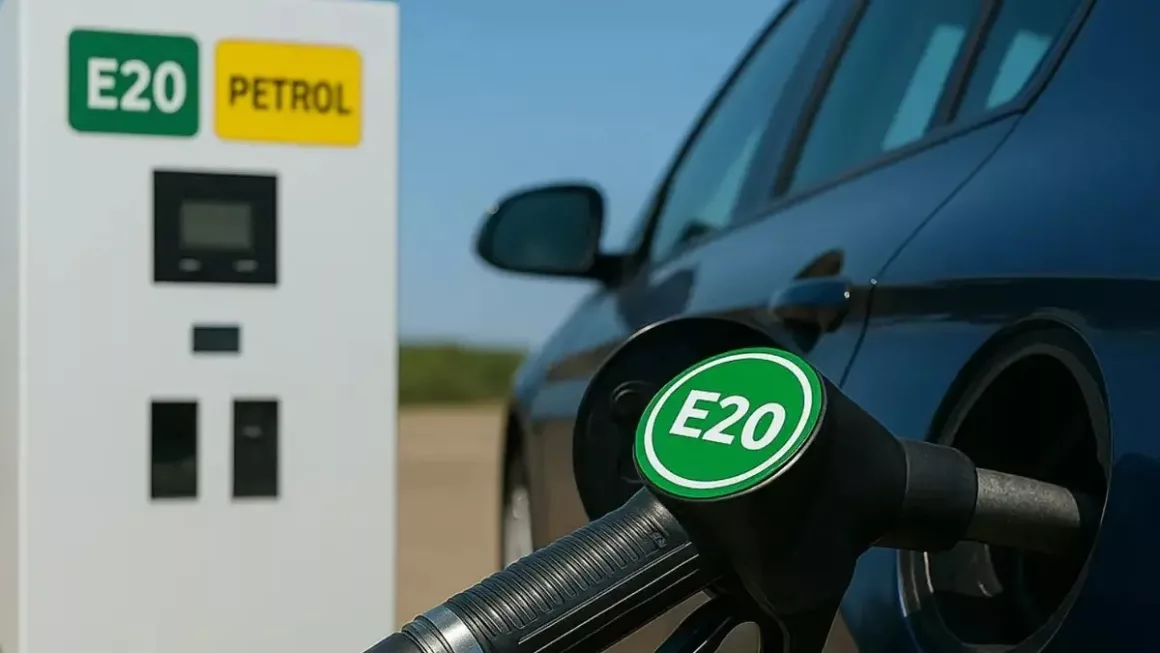
The Indian government has mandated E20 fuel nationwide, and now, E20 petrol is sold at all fuel stations in India. E20 fuel refers to a solution of 80 percent petrol and 20 percent ethanol. Previously, E10 fuel or E10 petrol was sold at Indian fuel stations. The government states that the reason for the shift to E20 is to reduce crude oil imports and tailpipe carbon dioxide (CO2) emissions. Simultaneously, since ethanol is produced by the fermentation of crops like corn, sugarcane, barley, wheat, and sorghum, increasing the ethanol content in petrol will boost the farmers’ revenue. With that being said, it is important to know whether your vehicle is compatible with the E20 fuel, how the E20 fuel will affect your vehicle, and what precautions you can take if your vehicle is not compatible with E20 fuel. Further in this article, we address all these questions.
What is E20 Fuel?
As mentioned, E20 fuel or E20 petrol means the solution of 20 percent ethanol and 80 percent petrol. Ethanol is composed of carbon, hydrogen, and oxygen atoms and is a type of alcohol, which is commonly used for making industrial solvents, beverages, and antiseptics. An important application of ethanol is to serve as a biofuel that is blended with petrol/gasoline because it burns cleaner than other hydrocarbon-based fuels.
Ethanol is produced by fermentation – the process used to produce beer as well. Primary ingredients of ethanol are plant-based sugars and starches. Therefore, to produce ethanol, crops rich in sugars or starches such as corn, sugarcane, barley, wheat, and sorghum are used.
Challenges with the E20 Fuel
While E20 fuel is helpful for the environment and reduces the government’s expenditure, it can be harmful for vehicles, which are not compatible with it.
The problem with Ethanol is its tendency to attract moisture. Because Ethanol easily attracts moisture, it corrodes the engine’s metal parts and deteriorates the plastic and rubber components it comes in contact with. This means hoses and gaskets will degrade sooner than usual.
Ethanol is hygroscopic in nature. If left idle for longer durations, ethanol releases water. The released water forms a separate layer in the tank, and since water is denser, it always settles at the bottom of the fuel tank. Then it can get sucked into the combustion chamber of the vehicle instead of petrol, which can cause engine misfire and lead to rusting in the fuel tank.
Since ethanol has a lower energy density, the engine must work more and burn more fuel to produce the desired output. This leads to a reduction in fuel efficiency, which many car owners are observing in their cars. While modern vehicles are susceptible to a 5 to 7 percent reduction in mileage, older vehicles are seeing about a 20 percent drop in their mileage.
At the same time, using E20 petrol or any other fuel, which is not recommended in the owner’s manual, can void a warranty. Recently, Toyota also confirmed that it is not advisable to use E20 petrol in cars that are not compatible with this fuel.
How to Check if Your Vehicle is E20 Compatible?
Most vehicles manufactured after April 2023 are compatible with the E20 petrol; however, it is important to be certain if your vehicle is E20-compatible or not. Here are a few ways to know if your vehicle is compatible with the E20 fuel.
Vehicle’s User Manual: Every vehicle’s user manual contains information about ethanol-blend compatibility. You can check your vehicle’s user manual to check the same.
Manufacturer Websites or Service Centres: Many vehicle manufacturers have released the details of the ethanol-blend compatibility of their vehicles. You can check the official website of your vehicle’s manufacturer or contact service centres.
Sticker on the Fuel Tank Cap: Many cars, especially new models, have their ethanol compatibility, e.g., E10, E20, mentioned on their fuel tank cap. Open the fuel tank cap of your vehicle and see if it is mentioned there.
Consult a Mechanic: If you are unsure about the ethanol compatibility of your vehicle, you can as a trusted mechanic for a professional opinion.
Precautions for Vehicles Not Compatible with E20 Fuel
Regularly inspect your vehicle’s fuel system
Using E20 fuel does not suddenly break down a vehicle, but gradual degradation of the fuel system’s parts and corrosion of metal parts can happen. You should inspect your vehicle’s fuel system and its parts, such as the fuel pump, fuel lines, filters, gaskets, etc., as frequently as you can. Even on the small signs of wear, replace the components. As of now, manufacturers are working to make new maintenance schedules that could reduce the service life of certain components.
Fuel additives
High-quality fuels from certain renowned brands come mixed with some fuel additives to inhibit corrosion. These fuel additives slow down oxidation and inhibit phase separation of blended fuels. Using manufacturers’ recommended additives can protect metallic parts from corrosion. Mind you, rubber hoses and seals do not benefit much from any additives; over time, these need to be replaced.
Keep the vehicle’s tank full and do not leave the vehicle idle for longer durations
If left idle for a longer duration, ethanol releases water, which forms a separate layer. This can cause serious harm to the fuel system. Therefore, it is recommended not to leave the E20 fuel idle for longer periods and keep your vehicle’s fuel tank topped up as much as possible because it minimises the air volume inside the fuel tank, minimising the potential condensation.
Conclusion
The E20 rollout is aimed at reducing carbon emissions and crude oil imports. While E20 fuel is helpful to the environment, it can be harmful for vehicles which are not engineered to run on E20 fuel. Therefore, it is important to learn if your vehicle is compatible with E20 petrol. You can do so by checking your vehicle’s user manual, your vehicle’s fuel tank cap, your vehicle’s manufacturer’s website, contacting an authorised service centre, or consulting a trusted mechanic. Moreover, if your vehicle is not compatible with the E20 fuel, you should take certain precautions to mitigate the potential harm to your vehicle that the E20 fuel can cause. These precautions include regularly inspecting your vehicle’s fuel system, using fuel additives, keeping the fuel tank topped, and not leaving your vehicle idle for longer periods.