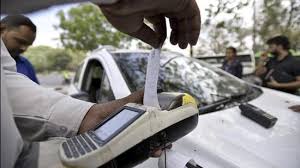

Driving an unregistered motor vehicle is an offense that can come with harsh punishment in the form of imprisonment, penalty, or seizure of the vehicle. Registration of a vehicle is not mere paperwork; it is evidence that the vehicle is legally authorized to use on public roads, and the registration number on the number plate is its official identification.
In India, driving without registration is absolutely illegal under Motor Vehicles Act, 1988, with penalty fine for first time offence, and harsher punishment for repeated offence. Adhering to registration norms not only saves you from legal problems but also fosters safe driving habits.
In this article, we will learn about recent laws, penalties, and implications of driving an unregistered vehicle in India.
What is Vehicle Registration?
Vehicle registration is the formal linking of a vehicle with an owner in government records for identification, accountability, and highway safety. It provides tracking of vehicles for taxation, law enforcement, and environmental control, and hence it is a mandatory requirement for all Indian road-operating vehicles.
It is carried out once, at the time of the first purchase of a vehicle. Registration checks the vehicle’s insurance, pollution levels, and overall safety standards to ensure compliance with local laws. A registration certificate (RC) and a unique vehicle number plate are only issued upon completion of these checks.
Unlike a driver’s license, a vehicle registration certificate might not be valid across all states because road tax, registration charges, and formalities vary from state to state. An RC records only one owner and one official address. Re-registration or alteration in the original registration is therefore required in certain circumstances, including:
- Transfer of a vehicle registered in one state to another state.
- Whenever the ownership changes, for example, if the vehicle is sold second-hand or the owner passes away.
- Whenever a change of address is required to be recorded in the registration certificate.
Why is Vehicle Registration Mandatory?
Vehicle registration is not merely a formality; it plays a crucial role in road safety, accountability, and ownership. Here’s why it is essential:
- Legal Requirement: Registration of your vehicle is necessary to use public roads in most countries. The police officers can request your registration certificate at any moment to check whether your vehicle is legal or not.
- Tax Collection: Registration serves to ensure that governments receive the road charges and taxes accrued from car usage and ownership.
- Accountability: Each vehicle is given a unique registration number. This can easily be traced in cases of accidents, car theft, or offences.
- Safety and Environment: Vehicles can be inspected during the registration process. This guarantees that they comply with road safety requirements and emission standards.
- Ownership and Trade: A registration certificate is an ownership document. It legitimises and makes it possible to buy, sell, or transfer vehicles.
Where to Register a Vehicle in India?
In India, vehicles are registered in accordance with the Regional Transport Office (RTO) Act which is a governmental organization that undertakes the role of monitoring cars, issuing driving licenses and enforcement of the transportation law.
The RTO is also involved in collecting road tax, traffic and pollution monitoring, and ensuring compliance with traffic and transport legislation. There are RTO offices located in every state, operating under the Motor Vehicles Act, 1988.
There are 2 types of vehicle registration: permanent registration and temporary registration. A registration number, if once granted for permanent registration, cannot be altered. Temporary registration, however, is effective for a short duration, usually not more than one month, and cannot be renewed, according to the Motor Vehicles Act, 1988.
What is the Driving Motor Vehicles Without Registration Act in India?
Any person who drives a vehicle or causes it to be used in violation of the provisions of Section 39 of the Motor Vehicles Act is punishable. The punishment under Section 192 of the MV Act is as follows:
A) First Offence: The guilty person can be punished with a fine of ₹2,000 to ₹5,000 and/or imprisonment for three months.
B) Second and Subsequent Offences: The offender can be required to pay a fine of ₹10,000 and/or imprisonment for a maximum period of one year.
According to the Motor Vehicle Act 192, the fine is not imposed on vehicles for use during emergencies, i.e., taking sick or injured persons, or for taking food, drugs, or relief materials. However, users of the vehicle in emergencies are required to report its use within seven days to the Regional Transport Authority.
What are the Consequences of Not Registering a Vehicle?
Driving an unregistered vehicle is not only dangerous; it will get you into legal trouble. Some of the most common consequences are:
- Legal Penalties: You can be fined heavily, your driving license can be revoked, or, in worst-case scenarios, even jail imprisonment can be given.
- Vehicle Impoundment: The police may seize or impound any vehicle that is operating without proper registration.
- Insurance Issues: Unregistered vehicles are not covered by the majority of insurance providers. This makes you personally liable for accidental damage or claims by third parties.
- Resale Issues: An unregistered vehicle is difficult to resell or transfer legally, based on the fact that the documents of registration serve as evidence of ownership.
State-Wise Fines for Driving Without Vehicle Registration
The following are the driving without vehicle registration penalties for two different Indian states:
| State | Frequency of Offence | Fine Amount (₹) |
| Delhi | First offence | ₹2,000 – ₹5,000 |
| Any subsequent offence | ₹5,000 – ₹10,000 | |
| Karnataka | Two/Three-Wheeler | ₹2,000 |
| Light Motor Vehicle | ₹3,000 | |
| Medium/Heavy Vehicle and Others | ₹5,000 |
How to Pay Unregistered Vehicle Fines in India?
To pay your fine online via the Parivahan portal, you need to follow these steps:
- Step 1: Visit the official website of Parivahan.
- Step 2: Select the “E-Challan” option and enter your vehicle number, driving license number, or challan number.
- Step 3: Perform an e-challan check by vehicle number in your state to pick the specific fine you are required to pay.
- Step 4: Select your payment option: Net Banking, Credit/Debit Card, or Digital Wallets.
- Step 5: Make the payment and retain the confirmation receipt for future use.
How to Avoid the Driving a Vehicle without Registration Penalty?
The easiest way to avoid penalties is to follow the rules carefully and stay updated about your vehicle’s registration. Here’s a handy checklist:
- Complete Registration on Time
Never drive a brand-new vehicle without proper registration. Make sure you receive the permanent registration number and the High-Security Registration Plate (HSRP) before taking full delivery. A temporary number plate should only be used for going to the RTO for registration, not for daily driving.
- Ensure Correct HSRP Installation
HSRPs are tamper-proof plates with unique identification numbers. They help track vehicles and prevent misuse. The dealer is responsible for installing them, so double-check that they are fixed properly before driving your car.
- Keep Documents Handy
Always carry your vehicle documents while travelling. With online options like DigiLocker, you don’t have to worry about misplacing papers. The must-have documents are:
- Registration Certificate (RC)
- Driving License (DL)
- Vehicle Insurance Certificate
- Pollution Under Control (PUC) Certificate
- Renew Before Expiry
Your RC also has a validity period. Note down the expiry date and renew it well in advance. Driving with an expired RC can invite fines and unnecessary trouble.
By staying mindful of these steps, you’ll not only avoid penalties but also drive with peace of mind.
Summary
In India, it is mandatory to register every vehicle in accordance with the Motor Vehicles Act, 1988, and it is illegal to drive an unregistered vehicle. The registration of motor vehicles not only make it easier for the government to keep track of every vehicle on the road but also to ensure the safety and pollution control.
As Indian nationals, it is our duty to travel in registered and well-maintained vehicles. Apart from that, timely registration of our vehicles and abiding by traffic rules not only keeps us away from entering into legal trouble and paying fines, but also makes our roads cleaner, safer, and better regulated for all of us to use.
FAQs about Driving a Vehicle Without Registration
- What if your vehicle is not registered?
Driving an unregistered car is illegal and may result in extremely severe penalties. Further, the car can be confiscated by the authorities until it is legally registered and up to standard as far as roadworthiness is concerned.
- Is it possible to drive a car without registration?
No, driving any motor vehicle without legal registration in accordance with motor vehicle legislation is illegal.
- Can I drive around without registration?
If any person is found driving an unregistered vehicle, the traffic police can impose challans or fines on them. Regular offenders can face harsher punishment and stern legal action.
- Can we drive a temporarily registered vehicle?
A temporary registration vehicle can be legally driven for a specific amount of time. However, it must be converted to permanent registration within the prescribed timeframe so that it is not subject to a penalty or fine.
- What are the disadvantages of temporary registration?
Temporary registration is intended for a limited time, typically not exceeding one month, with renewals available in special cases. It is not a substitute for permanent registration and needs to be renewed before it expires.