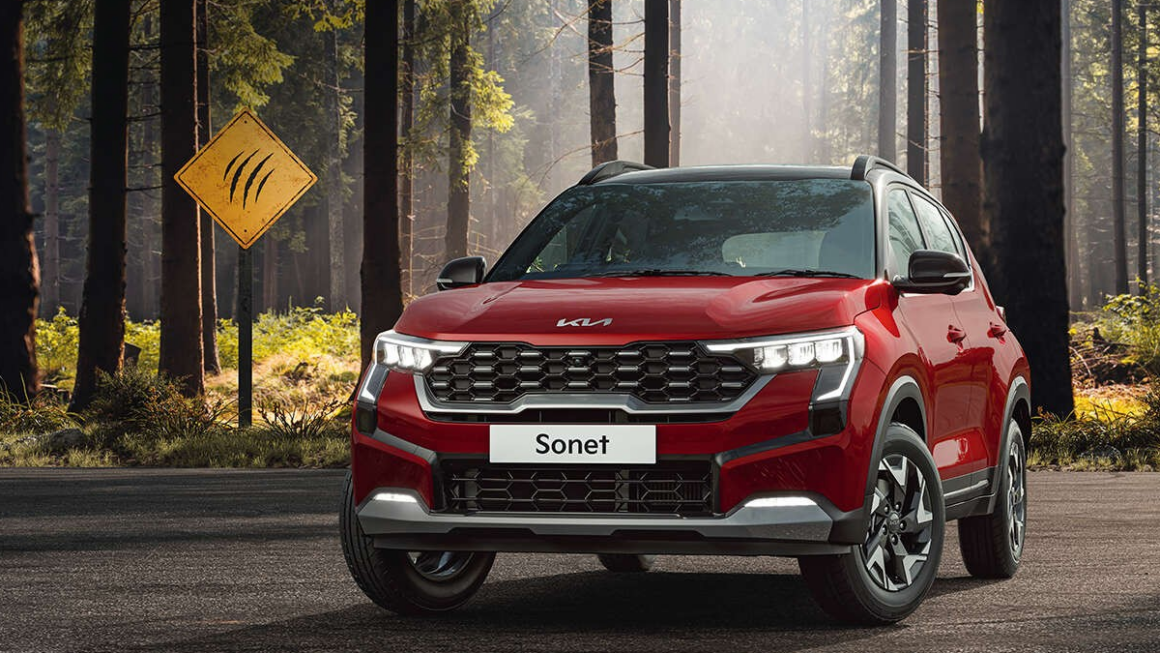
Kia Sonet was introduced on the Indian coast back in 2020 and has since been a hit among compact SUV buyers. Though its British-rivaling rugged stance, variant-abundant lineup, and diverse engine and gear options make buying one an attractive proposition, the Sonet has become synonymous with practicality without compromise on looks or ride comfort. Its cumulative sales surpassed 450,000 units by the end of 2024, demonstrating that, apart from being a good car, it’s also a loved one.
The existence of a healthy second-hand market means there is plenty to choose from. The question, however, remains: how do you separate the good buy from the bad? This guide walks you through every aspect—choosing the right model year and variant, matching fuel types, determining ownership costs, and finding valuable upgrades.
Best Age of Used Kia Sonet to Buy
Let’s start with depreciation. Like most new cars, the Kia Sonet depreciates the most in the first few years. Here’s how that usually plays out:
- Year 1–2: 15–20% depreciation
- Year 3–4: Additional 10–15%
- Year 5+: Slower depreciation, around 7–10% per year
Assume you’re looking for a Kia Sonet HTX 1.5 Diesel in 2021, it’ll cost approximately ₹11.2 lakh, ex-showroom. Fast forward to buying the used Kia Sonet in 2025, and you’d find prices between ₹7.5–8.5 lakh, depending on condition, mileage, and ownership information. That’s 25–30%
Buying a 2–3-year-old car offers the best value proposition: most of the initial depreciation has been absorbed, yet the car is up to date, fully loaded, and hopefully still under an extended warranty or in very good mechanical condition.
What to watch out for:
- 2020 models: These were early production units. While they’re cheaper, check for any manufacturer recalls or minor issues that may have been addressed since their release.
- Post-facelift 2023 models: These command a premium but come with refreshed styling and additional technology, such as updated ADAS features in some variants.
- Fleet or commercial use cars: These may have higher mileage and more wear. Always check insurance history and service logs.
Verdict: Go for a 2021 or 2022 model. These strike the perfect balance of value, reliability, and modern features.
Best Used Kia Sonet Variant to Buy
The Sonet was launched with a wide variant lineup: HTE, HTK, HTK+, HTX, HTX+, GTX+, and later the X-Line. Choosing to buy the right variant comes down to what features you value, how much you’re willing to pay, and your driving habits.
Let’s break down the top three VFM (Value for Money) picks:
1. HTX / HTX+
The HTX and HTX+ are well-equipped with features like:
- 8-inch or 10.25-inch touchscreen infotainment system
- Wireless Android Auto/Apple CarPlay (older models)
- Rear parking camera
- Automatic climate control
- Alloy wheels
- Cruise control
- LED DRLs
It’s the ideal pick for most buyers. HTX+ adds connected car features and a few niceties like an air purifier and sunroof.
2. GTX+
The top-spec trim includes:
- Ventilated front seats
- Bose premium audio
- Smart key with push-button start
- Sunroof
- UVO connected features
- Auto-dimming IRVM
If you’re someone who values premium comfort and tech—and the price difference isn’t huge—the GTX+ is worth it.
3. X-Line (facelift)
The facelift introduced aesthetic upgrades, including a new front grille, updated LED lighting, and dual-tone alloy wheels. Mechanically, it’s similar to the HTX+/GTX+, but it does stand out visually.
Verdict: The HTX+ Petrol IMT offers the best balance of price and features. The GTX+ is ideal if you prefer a more premium experience and are willing to pay a bit more.
Used Kia Sonet Petrol vs Diesel

Kia offers the Sonet with:
- 1.2L Naturally Aspirated Petrol (MT only)
- 1.0L Turbo Petrol (IMT/DCT)
- 1.5L Diesel (MT/IMT/AT)
Let’s compare how they stack up.
1. Performance & Mileage
| Fuel Type | Power Output | Transmission | Mileage (Claimed) | Driving Feel |
| 1.2L Petrol | 83 PS | 5-speed MT | ~18.4 kmpl | Decent for daily city use; underpowered with full load |
| 1.0L Turbo Petrol | 120 PS | iMT/DCT | ~18–20 kmpl | Punchy and quick, especially with DCT |
| 1.5L Diesel | 100–115 PS | MT/AT | ~19–21 kmpl | Great torque, excellent highway cruiser |
2. Running Cost & Maintenance
- Petrol (1.2L): Cheaper upfront, low maintenance, great for short-distance users
- Turbo Petrol (1.0L): Fun to drive, higher maintenance; DCT gearboxes can be costly to repair
- Diesel (1.5L): High torque, better mileage for long trips; higher annual service costs
3. Who Should Buy What
- City commutes (<10,000 km/year): 1.2L Petrol
- Fun urban drives: 1.0L Turbo Petrol DCT
- Frequent long trips or 15,000+ km/year: Diesel
Verdict: Go for the 1.5L Diesel if your usage justifies it. Otherwise, the 1.0L Turbo Petrol with IMT offers a more exciting and low-maintenance option.
Used Kia Sonet Ownership Calculator
Here’s a realistic breakdown of what it’ll cost to keep your used Kia Sonet running each year:
| Cost Head | Petrol (₹/year) | Diesel (₹/year) |
| Scheduled Service | 10,000–12,000 | 12,000–14,000 |
| Tyre Replacement (40–50k km) | 5,000–6,000 | 5,000–6,000 |
| Battery (every 3–4 yrs) | 1,500–2,000 | 1,500–2,000 |
| Insurance | 15,000–18,000 | 16,000–20,000 |
| Brake Pads (every 30k–40k km) | 1,200 | 1,500 |
| Fluids, bulbs, wipers, etc. | 2,500 | 3,000 |
Estimated Annual Total:
- Petrol: ₹35,000–40,000
- Diesel: ₹40,000–45,000
Also factor in:
Fuel Cost (avg usage 12,000 km/year)
- Petrol (~₹106/litre, 17 kmpl avg): ₹74,800
- Diesel (~₹92/litre, 19 kmpl avg): ₹58,000
Overall Running Cost (including fuel):
- Petrol: ₹1.1L–1.15L/year
- Diesel: ₹98k–1.05L/year
Upgrades for Used Kia Sonet
You’ve got the car. Now, here are a few ways to improve the driving and ownership experience.
1. Tyres & Alloy Wheels
- Upgrade to premium tyres (Michelin Primacy, Yokohama Blue Earth) for improved grip and reduced road noise.
- Aftermarket alloys can give a style refresh without affecting ride quality.
2. Infotainment & Connectivity
- Older Sonet variants (HTK, HTK+) can upgrade to Android Auto/Apple CarPlay-capable head units.
- Consider a reverse camera if you’re missing one—good ones start at ₹3,000.
3. Cabin Comfort
- Premium seat covers: Leatherette or ventilated types (~₹7,000–₹10,000)
- Ambient lighting kits (~₹2,000–₹3,000)
- Dash cams for safety documentation (₹4,000+)
4. Exterior Protection
- Ceramic coating or PPF for long-term paint care
- Mudflaps, window visors, and underbody anti-rust coating
5. Functional Upgrades
- Tyre pressure monitoring systems (TPMS)
- Auto-folding mirrors
- Wireless phone charging pad (available on GTX+ but can be retrofitted)
Conclusion
Consider buying a second-hand compact SUV, and the Kia Sonet should be a top consideration. It’s functional, equipped, and has stood the test of time since its 2020 arrival. Get yourself a 2021 or 2022 variant, ideally HTX+ or GTX+, and you’ll find excellent value without skimping on new-age tech.
Opt for petrol if you’ll spend most of your time in the urban center, or diesel for longer highway journeys. Add annual ownership costs of roughly ₹1 lakh and budget for moderate upgrades to enhance the experience.
Smart research + tough inspection = a pre-owned Sonet that’s new to you, at a fraction of the cost.
FAQs
How reliable is the Kia Sonet over the long term?
Yes, the Sonet has proven to be mechanically reliable. Most owners report smooth functioning beyond 60,000 km with regular service.
Is it better to buy a facelifted Sonet?
Facelifted Sonets (2023 onward) have cosmetic improvements and more features, but come at a premium. If you want value, a pre-facelift HTX+ is your best bet.
What documents should I check when buying a used Sonet?
Begin by checking the car’s overall body condition—look for signs of repainting, dents, or misaligned panels. Ask for a complete service history to ensure regular maintenance. Check the tyres, brakes, battery health, and interior wear. Take a test drive to listen for unusual sounds, test all electronics, and check clutch/gear performance. Lastly, verify all paperwork, including the RC, insurance, pollution certificate, and, if the car was under loan, a No Objection Certificate (NOC) from the lender.
Can I retrofit a sunroof into a non-sunroof variant?
Technically yes, but it’s not advisable. Aftermarket sunroofs may void the warranty and create sealing issues. Better to buy a variant that comes with it.
What resale value can I expect after 3–4 years of ownership?
If you maintain it well, expect to recover 55–60% of your purchase price. Sonet holds its value fairly well due to high demand in the compact SUV segment.