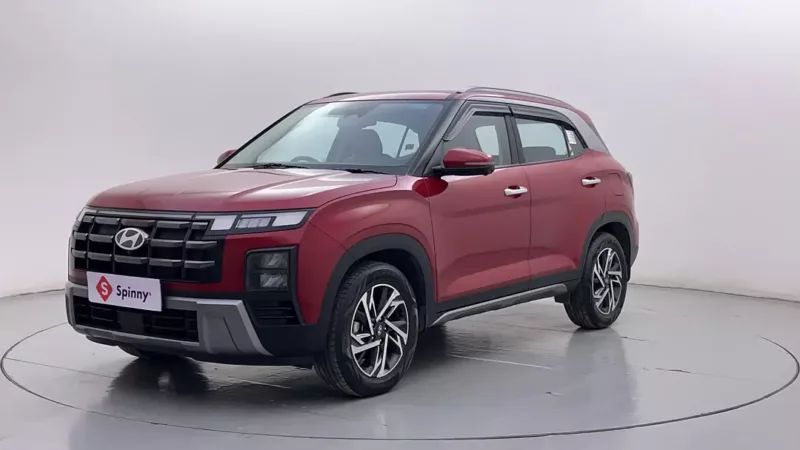

Hatchbacks are a popular choice among many motorists due to their compact size, practicality, and fuel efficiency. They are often more affordable to purchase and maintain, making them a smart option for professionals, city dwellers, and everyday commuters. With easy handling and excellent mileage, hatchbacks serve as reliable daily vehicles for a wide range of users.
However, like other automobiles, hatchbacks can experience certain mechanical issues. Whether you drive a used or new hatchback, having a thorough understanding of typical hatchback reliability issues can save you time, frustration, and money.
Let’s explore the most common problems hatchback owners experience and what you can do to avoid them before they turn into major headaches.
Table of Contents
Major Reliability Issues in Hatchbacks and Tips to Prevent Them
People owning hatchbacks tend to enjoy their efficiency and versatility, but as with any car, they are not immune to wear and tear. Understanding how to identify and avoid common hatchback reliability issues can save you time and money in the long run.
Below is a summary of the most prevalent reliability issues of hatchbacks and how to avoid them:
Engine Misfiring
Engine misfires are typically caused by dirty or worn spark plugs, and you might hear a popping noise or experience a sudden loss of power. This disrupts the combustion process, reducing engine efficiency.
Tips:
- Check your spark plugs every now and then and replace them in case they are worn or blackened.
- If the problem persists, it is best to take your car to a mechanic to have the cylinder or piston head inspected more thoroughly.
Dead Battery
Dead batteries are among the most prevalent hatchback reliability problems, particularly in cold weather or prolonged periods of storage. Indications are a weak crank or failure to start.
Tips:
- Avoid leaving lights or any other electrical components turned on, clean corrosion from terminals, and replace batteries every 3–5 years.
- If you need to jump-start the car battery repeatedly, check the battery fluid or consider a new unit.
- In case the battery fails to charge, the alternator or charging system needs to be checked.
Stiff Clutch Pedal
A clutch pedal that feels stiff and uncomfortable to press can make driving unpleasant. It is often the result of a worn clutch disc or frayed clutch cable, typical in high-mileage hatchbacks.
Tips:
- Get the clutch cable checked and replaced if needed.
- Replacing the clutch disc or adjusting the pedal usually restores smooth operation.
Squeaky or Worn Brakes
After a drive in the rain or through a waterlogged street, hearing a squeaking sound from your car’s brakes is normal. However, if it persists, it may indicate worn-out pads or shoes, a serious hatchback reliability issue that compromises safety.
Tips:
Consider changing brake pads and having your brake system checked minutely.
Screeching Drive Belt
A loud screech when starting the car may be due to a failing drive belt, which powers essential components like the alternator and water pump.
Tips:
- Replace the drive belt at regular intervals before it wears out completely.
- This also keeps vital systems like battery charging and climate control functioning properly.
Engine Overheating
Hatchbacks, especially older ones, can face overheating due to limited engine bay space and aged cooling components.
Tips:
- Maintain coolant levels at the recommended level and replace coolant every 48,000 kilometres or at an interval of 3 years.
- Consider checking for faulty radiator fans, malfunctioning thermostats, or broken hoses.
- All leaks and pump failures must be addressed promptly to prevent engine damage.
Flat or Underperforming Tyres
Potholes, road conditions, and tyre neglect are the frequent culprits of flat tyres in hatchbacks. Uneven tyre wear also impacts ride quality and fuel efficiency.
Tips:
- Keep proper tyre pressure and rotate tyres every 8,000 kilometres.
- Check for punctures or worn treads. Tyre pressure sensors are not common on most hatchbacks, so visual checks are essential.
Rattling Suspension
Rattling or clunking noises coming from beneath the car are usually caused by loose nuts, bushings, or rusty suspension components, particularly on older hatchbacks or those used in humid climates.
Tips:
- Get the suspension system inspected at the first indication of excessive noise.
- Replace corroded and worn-out components to maintain safe and smooth operation.
Unresponsive Steering
Power steering eases driving, but low fluid in the steering or a dead electric motor can render the wheel heavy or unresponsive.
Tips:
- Monitor the steering fluid periodically and top it up as needed.
- In case of lingering issues, have the power steering system checked by a professional.
Electrical Malfunctions
Dead alternators, faulty wiring, and malfunctioning sensors are electrical faults that commonly affect older hatchback models. The problems range from dim lights, warning lights, or erratic starts.
Tips:
- Do not overload the electrical system with aftermarket accessories.
- Get the battery and alternator serviced periodically to provide a healthy flow of power.
Fuel System Problems
Dirty fuel injectors or clogged filters can contribute to dull performance on the road and poor mileage, even in hatchbacks known for their efficiency.
Tips:
- Use quality fuel and consider periodic fuel additives.
- Adhere to your car’s maintenance schedule for fuel filter replacement to ensure optimal engine efficiency.
Ignition System Failure
If your vehicle is not starting at all, it might be due to defective spark plugs or a failing ignition coil. These are common hatchback reliability problems with older models.
Tips:
Change spark plugs at the recommended time and ensure that the ignition system is clean and well-maintained for consistent starting.
Check Engine Light
The dreaded check engine light, or malfunction indicator lamp, can signal a wide range of potential hatchback reliability issues, from minor to severe.
Tips:
- Make sure to take your car for scheduled maintenance and address any problems promptly.
- Regularly checking your engine oil and other fluids can also help keep your engine running smoothly.
Summary
Hatchbacks are small cars, but their potential for issues is not. By staying aware of hatchback reliability issues and addressing them promptly, you can prolong your vehicle’s lifespan, ensure safety, and prevent costly repairs.
Regular maintenance and prompt repairs are your best way to keep your hatchback in like-new condition. Above all, a vehicle, whether a hatchback or another type of car, requires proper maintenance to ensure longevity and reliable performance on the road in the long run.
FAQs about Hatchback Reliability Issues and Maintenance Tips
Q. What is the lifespan of a hatchback?
Most modern hatchbacks, with proper upkeep, can be counted on to cover over 2,00,000 km reliably. Regular servicing can help minimise common hatchback reliability issues, such as engine wear or clutch problems, ensuring a hassle-free driving experience.
Q. What are the common reliability drawbacks of hatchbacks?
Hatchbacks offer minimal cargo flexibility and have a slightly noisier cabin (which may cause rattling over time if the underlying issues are not fixed). These are not major hatchback reliability issues, but they may reduce overall comfort.
Q. Why do hatchbacks perform so well in handling?
Hatchbacks have a low centre of gravity and a compact design, which makes them easier to navigate on the road. This also puts less stress on the suspension and steering systems, reducing the chances of common hatchback reliability issues over time.
Q. Which are the best hatchbacks in India for reliability?
Some popular hatchbacks in India with minimal reliability issues are the Maruti Suzuki Swift, Maruti Suzuki Baleno, Maruti Suzuki Wagon R, Maruti Suzuki Alto K10 and Tata Tiago. These models feature efficient designs, robust engines, and seamless maintenance.
Q. Why are hatchbacks a reliable and practical choice in India?
Hatchbacks offer great versatility with foldable seats and a compact size, making them easy to manoeuvre in crowded Indian cities. Their fuel efficiency, reasonable price, and uncomplicated design result in reduced maintenance costs, making them the best option for regular Indian driving conditions.