Purchasing a car in India usually begins with surfing websites, comparing models, and checking prices. But here’s the catch: rather than what you would really pay to take the vehicle home, the price shown generally represents the ex-showroom price. That’s where confusion begins.
Every year, lakhs of buyers walk into dealerships without understanding the considerable difference between on-road and ex-showroom prices. But what is ex-showroom price, and what is on-road price? Although the ex-showroom price offers a rough estimate, the on-road price shows the real cost of ownership, including taxes, insurance, and registration. Depending on the vehicle and state rules, this difference can go as high as Rs. 1 to 3 lakhs, depending on the car and state policies.
Knowing the two price terms is not only beneficial, it’s also necessary to create a proper budget, prevent surprise costs, and negotiate better with the dealer. Read on as this guide helps you take total control of your vehicle purchase by breaking down the concepts of ex-showroom vs. on-road prices and assists you with how to properly do on-road price calculation.
What is Ex-Showroom Price?
T͏he ex-showroom price͏ is the ͏car’s͏ base ͏cost as it l͏e͏av͏e͏s the͏ dealer’s͏ ͏lot. It includes the manufacturer’s cost, dealer’s profit, and GST (Goods and Services Tax), but does not include mandatory fees such as registration, insurance, and taxes.
Breakdown of ex-showroom price:
- Manufacturer’s Cost: This covers production, research and development, and logistics.
- Dealer Margin: Typically, 2-5% of the manufacturer’s price, depending on the brand.
- GST: A flat 28% tax on cars in India (18% for EVs).
For example, a car with a production cost of Rs. 7 lakh might have an ex-showroom price of Rs. 10 lakh after adding GST and dealer margins.
Why it’s misleading:
Dealers and ads highlight this number because it’s the lowest figure they can legally advertise. It’s more like selling you a smartphone without the charger, case and tempered glass.
What is On-Road Price?
The on-road price is the real price, also known as the total amount you pay to drive your car legally in India. It includes everything from mandatory taxes to optional accessories. Here’s why it’s always higher:
1. Mandatory Charges
- Road Tax: A state-specific percentage (4-15% of the ex-showroom price).
- Example: In Maharashtra, road tax is 11% for cars with a value of less than Rs. 10 lakh and 13% for those with a value of more than Rs. 10 lakh.
- States like Goa and Pondicherry have lower taxes (4-6%), attracting buyers from neighbouring regions.
- Registration Fee: Paid to the RTO, this includes:
- Smart Card Fee: Rs. 200 for a digital RC.
- Number Plate Charges: Rs. 300 to Rs. 500 for standard plates.
- Handling Charges: Dealers often add Rs. 1,000 – Rs. 2,000 for “processing” paperwork.
- Insurance:
- Third-Party Insurance: Mandatory, starting at Rs. 2,000 for small cars.
- Comprehensive Insurance: Covers theft, accid͏e͏nts, and natura͏l͏ disast͏ers͏.͏ Co͏sts͏ 3-4% of͏ th͏e͏ car’s val͏ue ͏(e.g., Rs. 30,000 for a ͏Rs. 10 lakh car).
2. Dealer Add-Ons
- Handling/Logistics Charges: Rs. 3,͏000-͏Rs. 5,͏000 for tra͏nsporting the car fr͏om the fac͏tory͏.
- Essential Accessories: Floor mats (Rs. 2,000), seat ͏covers (Rs. 5,000͏), and mud flaps (Rs. 1͏,000).
- Non-Essential Add-Ons:
- Anti-Rust Coating: Rs. 8,000 – Rs. 15,000 (often unnecessary for modern cars).
- Ceramic Coating: Rs. 20,000 + for a glossy finish.
- GPS Navigation: Rs. 10,000 – Rs. 25,000 (cheaper aftermarket options exist).
3. State-Specific Levies
- Green Cess: Up to 25% of road tax in cities like Delhi for diesel cars.
- Lifetime Toll Tax: States like Uttar Pradesh charge a one-time toll fee ranging from Rs. 2,000 to Rs. 5,000.
Key Differences at a Glance
To give you a better idea between ex-showroom and on-road prices, here are the key differences between them:
| Component | Ex-Showroom Price | On-Road Price |
| Vehicle Base Cost + GST | Included | Included |
| Dealer Handling Charges | Not Included | Included |
| Road Tax / RTO Charges | Not Included | Included |
| Registration & Number Plate Fee | Not Included | Included |
| Insurance (Third-party or Comprehensive) | Not Included | Included |
| Extended Warranty / Accessories | Not Included (optional) | Included if opted |
Key Differences in a Nutshell
- Ex-showroom price is the manufacturer’s listed price, which is good for comparing models but not enough for financial planning.
- On-road price is what you actually pay to drive the car legally on Indian roads.
- Costs like insurance, registration, and taxes can inflate the final amount by 10–20%, depending on the state.
The Hidden Charges Dealers Don’t Highlight
Dealers often add extra costs that inflate the on-road price. These include charges such as handling fees and registration fees. Here’s what to watch for while buying a vehicle from a dealer, along with some real-world situations from users at different forums:
1. “Essential” Accessories
A user shared how a dealer insisted on Rs. 15,000 for “premium floor mats” and Rs. 10,000 for a “basic car cover.” Later, they found identical items online for a total of Rs. 5,000.
You can politely decline add-ons and say you’ll “think about it.” Most dealers drop the add-ons to close the sale.
2. Insurance Markups
Dealers partner with insurers to earn commissions. One Reddit user reported being quoted Rs. 35,000 for comprehensive insurance but secured the same coverage for Rs. 22,000 via another reputable platform.
How to Save:
- Compare quotes online.
- Ask for a list of cashless garage networks to ensure a smooth claims process.
3. Green Cess
In Delhi, diesel cars are subject to a 25% green cess on road tax. For a Rs. 15 lakh SUV, this adds Rs. 56,250 (road tax: Rs. 2.25 lakh × 25%).
Workaround: Opt for petrol or CNG variants in high-cess states.
4. Extended Warranty
While extending warranty coverage (e.g., from 2 to 5 years) can be a smart move, dealers often inflate prices. A Hyundai dealer quoted Rs. 25,000 for a 3-year extension, while the manufacturer’s website offered it for Rs. 18,000.
5. Fancy Number Plates
Dealers charge Rs. 10,000 – Rs. 50,000 for “VIP” or “lucky” numbers. However, RTOs allocate random numbers for Rs. 1,000.
Red Flag: If a dealer claims, “special numbers are mandatory,” walk away.
On-Road Price Calculation
Understanding the on-road price calculation is important to avoid budget shocks at the dealership. Here’s how to calculate the final amount you’ll actually pay for your car. Let’s break it down with a real-world example:
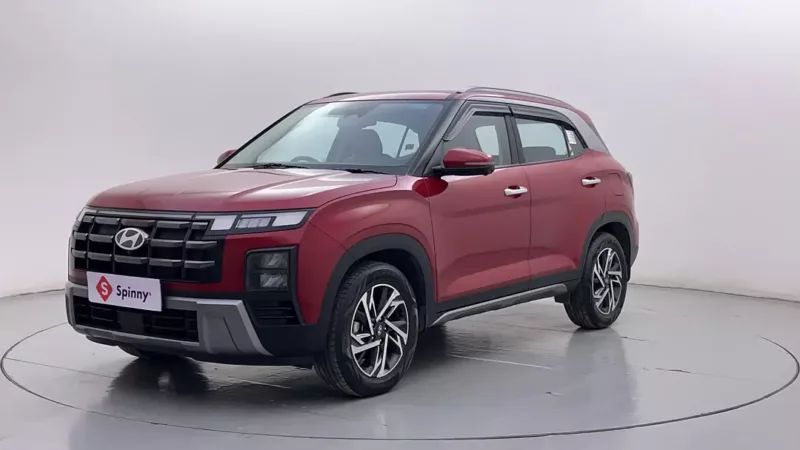
Car: Hyundai Creta (Ex-Showroom: Rs. 15 lakh)
State: Karnataka
- Road Tax: 13% of Rs. 15 lakh = Rs. 1.95 lakh
- Registration Fee: Rs. 1,000 (smart card) + Rs. 500 (number plates) = Rs. 1,500
- Insurance:
- Third-party: Rs. 3,500
- Comprehensive: Rs. 45,000 (3% of Rs. 15 lakh)
- Dealer Charges:
- Logistics: Rs. 5,000
- Accessories: Rs. 20,000 (floor mats, seat covers)
- Green Cess: Not applicable for petrol cars in Karnataka.
Total On-Road Price:
Rs. 15,00,000 (ex-showroom) + Rs. 1,95,000 (tax) + Rs. 1,500 (registration) + Rs. 45,000 (insurance) + Rs. 5,000 (logistics) + Rs. 20,000 (accessories) = Rs. 17,66,500.
To get better insights, you can visit Spinny and enter the car name and search for the on-road price in the desired state.
Tips to Avoid Overpaying
Apart from understanding the charges, here are some tips and tricks that can help you level up your bargain game and shop smarter:
- Compare Quotes from Multiple Dealers
Visit 2-3 showrooms and compare their offers. A user reported saving Rs. 40,000 on a Tata Nexon by sharing a rival dealer’s quote.
- Opt for Zero-Depreciation Insurance
Though costlier upfront, it ensures full claim value without depreciation cuts.
- Skip “Paint Protection” Packages
Modern cars come with factory-fitted anti-corrosion coatings. Ceramic coatings can be done cheaper at detailing shops.
- Prepaid Maintenance Plans (PMP)
Negotiate PMP costs. Maruti dealers often reduce PMP prices by 20% if you push back.
- Check for Hidden Logistics Fees
Some dealers waive these charges during festive discounts, such as Diwali and New Year.
- Register in Low-Tax States
If you have an address in Goa, you can register there to save Rs. 1 lakh as the state only charges 4% road tax.
Conclusion
Understanding the gap between ex-showroom and on-road prices saves you from nasty financial surprises. Arm yourself͏ with͏ online too͏ls, forum ins͏ig͏hts, and a h͏ealthy dose of ske͏pticism w͏hen de͏a͏lers push ext͏ras. Remember,͏ the final price isn’t set in stone, negotia͏te fie͏rcely, ͏c͏om͏pare quotes, and drive home with a deal that doesn’t͏ ͏break th͏e bank.
Understanding what is ex-showroom price and what is on-road price will help you make a better buying decision. With on-road price calculation, including mandatory fees like road tax, registration, and insurance, buyers can anticipate the true cost of ownership. Scrutinizing͏ dealer add-ons, co͏mparing͏ insurance quotes, a͏nd ͏leveraging͏ onlin͏e ͏calculators can help you get a better deal. Platforms such as Spinny and Reddit off͏er prac͏tic͏al in͏sights͏, h͏elp͏in͏g buyers i͏d͏e͏ntify legitimate ͏exp͏enses versus unnecessary m͏arkups. Wh͏ile de͏alers may pre͏sen͏t bundle͏d pac͏kages as non-negoti͏a͏ble, i͏nfo͏rmed buyers can easily decline͏ non-esse͏n͏tia͏l services.
FAQs
Q. Why is the on-road price higher than the ex-showroom price?
The o͏n-road p͏rice͏ in͏clud͏es taxes, re͏g͏istration, ͏and insurance are manda͏tory cos͏ts excluded͏ from the ex-showroom figu͏re.
Q. Can dealers charge different on-road prices for the same car?
Yes. Dealers may markup insurance, accessories, or handling fees. Always compare quotes from multiple showrooms.
Q. Is dealer insurance mandatory?
No. You can buy third-party or comprehensive insurance from any provider. Dealers often earn commissions, so shop around to find the best one.
Q. How do I verify if dealer charges are legitimate?
Cross-check RTO fees on your state’s transport website. For example, Karnataka’s Parivahan portal lists registration rates.
Q. Are “green cess” charges negotiable?
No. These are government-mandated for diesel vehicles in certain states. Check local regulations before buying.
Q. Can I avoid paying for accessories?
Yes. Politely decline non-essential add-ons. If the dealer insists, walk away. Many dealers will backtrack to close the sale.
Q. What if the dealer refuses to deliver without insurance?
They can’t. According to consumer forums, you can file a complaint with the manufacturer or the consumer court if the dealer refuses delivery without insurance.
Q. Are electric vehicles (EVs) cheaper on-road?
Yes. EVs have lower GST (5%) and road tax exemptions in states like Delhi and Maharashtra.