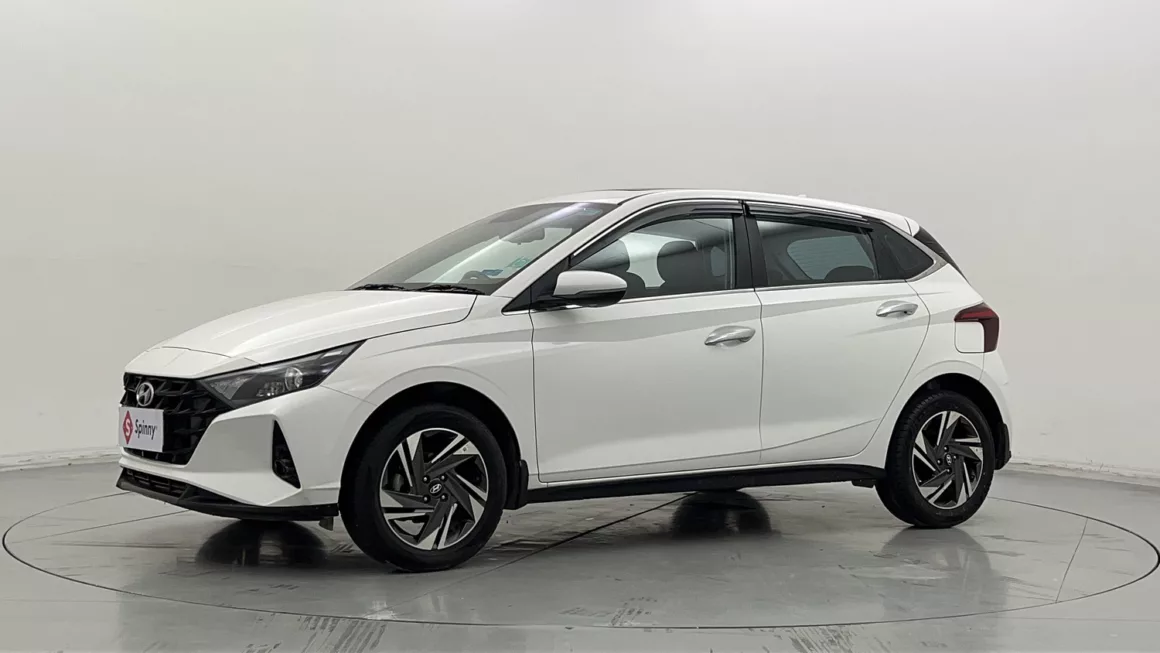
The Hyundai i20 is one of the most successful premium hatchbacks in the Indian market. It has gained a lot of reputation, earning more than 20 international accolades. However, beyond design, performance, and features, vehicle safety has become one of the most critical factors influencing car-buying decisions.
Indian consumers are increasingly aware of crash test ratings and active and passive safety features, especially with initiatives like Global NCAP and Bharat NCAP. In this article, we will take a detailed look at the Hyundai i20 safety rating, its NCAP crash tests, and the safety features offered across variants. Keep reading to know more.
Hyundai i20 NCAP Safety Rating
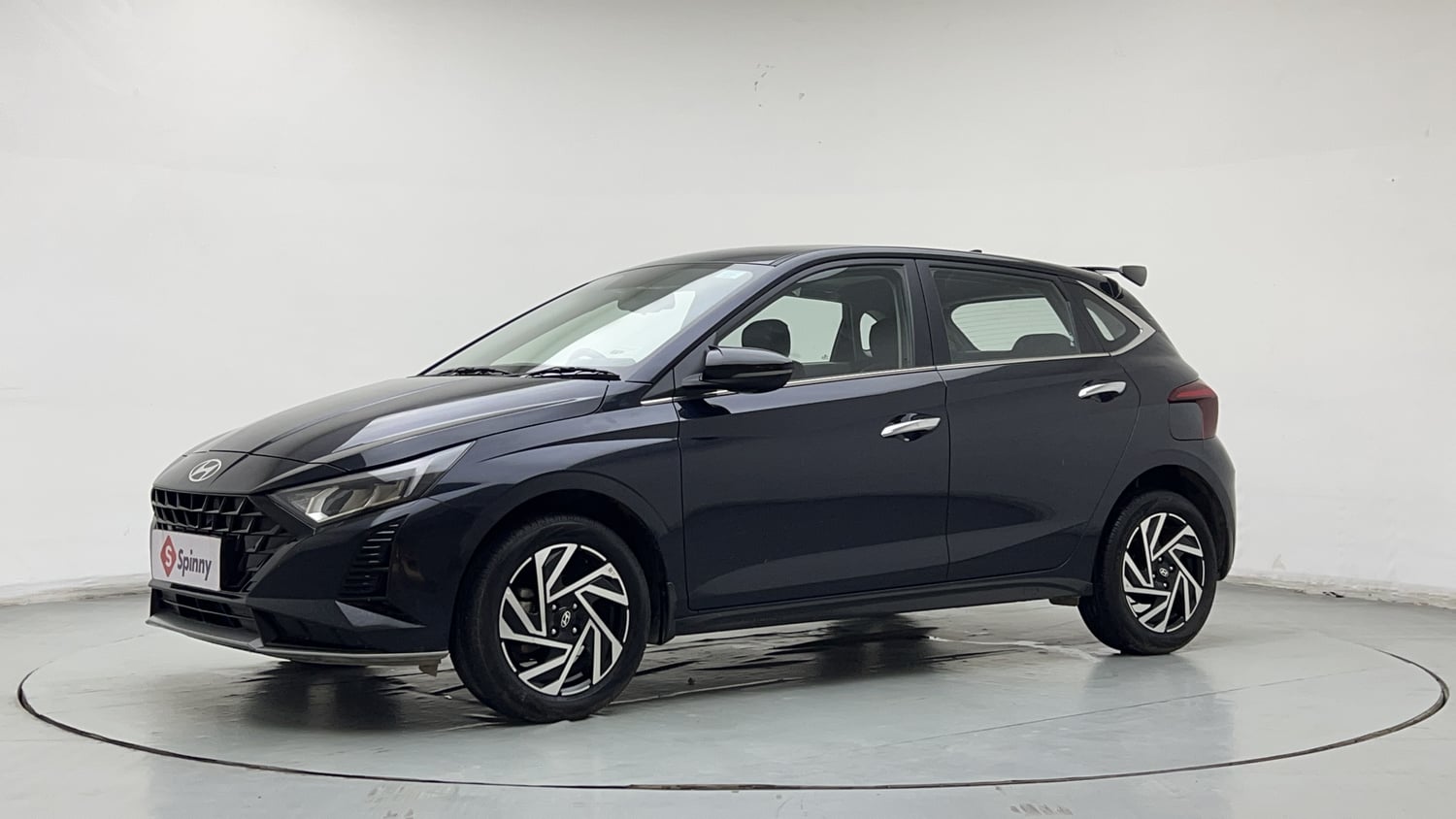
The Hyundai i20 sold in India was tested as part of the Global NCAP “Safer Cars For India” initiative. It is important to note that the vehicle was crash-tested in its base safety configuration, which included dual front airbags and ABS as standard equipment.
One of the major issues raised in the crash test is the unstable body shell structure. It means the car’s body may not withstand greater crash loads in even more severe crashes. The lack of side airbags and Electronic Stability Control (ESC) in the test version undermined its overall safety performance.
Despite these shortcomings, the Hyundai i20 still provides adequate protection at urban driving speeds, making it an acceptable option for city use, provided it is driven responsibly.
Hyundai i20 Adult Occupant Protection Rating
In Global NCAP crash tests, the Hyundai i20 demonstrated stable passenger cell integrity during the frontal offset impact. Protection for the driver’s and front passenger’s heads and necks was rated as good, supported by dual front airbags and a seatbelt.
However, chest protection was rated from adequate to marginal, and knee protection varied depending on the occupant’s position. The absence of standard side and curtain airbags across all variants limited its scoring potential under stricter NCAP norms.
Global NCAP Result
- Adult Occupant Protection: 8.84 out of 17.00
The rating reflects a reasonably strong structure but highlights the need for additional airbags and advanced restraint systems for higher safety performance.
Hyundai i20 Child Occupant Protection Rating
The hatchback is equipped with ISOFIX child-seat anchor points on the rear seats, allowing proper installation of compatible child restraint systems. Dynamic tests with child dummies showed acceptable protection, but the lack of three-point seat belts and advanced restraint features in all seating positions reduced the final score.
Global NCAP Result
- Child Occupant Protection: 36.89 out of 49.00
Key Findings
ISOFIX Child Seat Anchors
- The Hyundai i20 comes with standard ISOFIX child seat anchorages, making it easier and safer to install compatible child seats.
- This is a major plus point for families with young children.
Dynamic Performance
- 3-year-old dummy: Head movement was well controlled. Chest protection was rated good. However, high neck deceleration forces were recorded, leading to a Poor neck protection rating.
- 18-month-old dummy: The rear-facing CRS provided good protection to the head and chest.
Seatbelt Limitations
- The rear centre seat has a lap belt rather than a 3-point seatbelt, which makes the vehicle less safe when a child or an adult is in that seat.
The Hyundai i20 offers good child safety at low speeds, but the low neck protection for the 3-year-old dummy is an issue. Parents are advised to use high-quality, well-installed child seats and to prefer rear seats with superior restraint systems.
Hyundai i20 Safety Features
Safety features play a crucial role in real-world accident prevention and occupant protection. Hyundai has equipped the i20 with a mix of standard and advanced safety features, depending on the variant:
- Dual Front Airbags: Provided for the driver and front passenger, these airbags help reduce the risk of serious head and chest injuries in a frontal collision.
- ABS with EBD: The Anti-lock braking system stops the wheels of the vehicle in case of sudden or urgent braking of the vehicle, and Electronic Brakeforce Distribution is used to balance the braking system between the front and the rear wheels in such a way that the vehicle keeps its steering and stability.
- ISOFIX Child Seat Anchors: These anchors enable child seats to be firmly secured, enhancing the safety of young passengers and ensuring they are fitted properly as required by safety standards.
- Rear Parking Sensors: These sensors assist the driver when reversing and help avoid low-speed crashes when parking in crowded or narrow spaces by detecting obstacles behind the car.
- Seatbelt Reminder: The system alerts the driver and front passenger if seatbelts are not fastened, encouraging safer driving behaviour.
Advanced Safety Features (Higher Variants)
Higher models of the Hyundai i20 will have much better safety equipment, addressing some of the shortcomings of the NCAP crash test:
- Six Airbags (Standard: Best in Segment)
The Hyundai i20 will have six airbags as standard across the board, making it one of the safest cars on the market. There are dual front airbags, side airbags and full-length curtain airbags.
- Emergency Stop Signal (First in Segment)
The i20 is equipped with a segment-first Emergency Stop Signal. During sudden or hard braking, the system automatically activates hazard lights to warn vehicles behind.
This feature reduces the likelihood of rear-end collisions, especially in high-speed traffic or emergency braking situations, improving overall road safety.
- ISOFIX Child-Seat Anchors (Standard)
This feature enhances child occupant protection and aligns with global child-safety standards, giving parents greater confidence while travelling with young passengers.
- Tyre Pressure Monitoring System (Highline Variants)
Highline variants of the Hyundai i20 are equipped with a Tyre Pressure Monitoring System (TPMS) that displays real-time tyre pressure on the Multi-Information Display (MID).
The system alerts the driver to under-inflation or pressure irregularities, helping to prevent tyre blowouts, improve braking efficiency, and enhance fuel economy.
- Hill-Start Assist Control (HAC)
Hill-Start Assist Control (HAC) prevents the vehicle from rolling backwards when starting on a slope. HAC permits gradual, controlled acceleration on hilly slopes, making driving up and down hills less risky and less stressful.
Opting for higher variants significantly improves the overall safety quotient of the Hyundai i20, compensating for some of the limitations observed in the NCAP crash test.
Summary
The Hyundai i20 remains an excellent and comfortable premium hatchback, yet its 3-star NCAP safety rating points to areas that require further improvement. More safety-conscious consumers ought to choose higher options that feature six airbags and ESC, or consider other options with higher crash test ratings.
FAQs about Hyundai i20 Safety Rating
Q. What is the Global NCAP rating of the Hyundai i20?
The Hyundai i20 is rated 3-star by Global NCAP in both adult and child occupant protection, indicating fair crash safety performance with minimal occupant protection in standard frontal impact tests.
Q. Does the Hyundai i20 have ISOFIX child seat mounts?
Yes, every version of the Hyundai i20 is equipped with standard ISOFIX child seat anchorages and can be fitted securely and correctly with appropriate child restraint systems, offering better safety to young passengers.
Q. What are the main safety specifications offered on the Hyundai i20?
Standard safety features include dual airbags, ABS with EBD, ISOFIX mounts, rear parking sensors, and seatbelt reminders. Higher variants add six airbags, ESC, Hill-Start Assist, TPMS, and Vehicle Stability Management.
Q. What were the Hyundai i20’s results in child occupant protection tests?
The Hyundai i20 scored 36.89 out of 49 points, earning a 3-star child occupant protection rating. While ISOFIX mounts were standard, neck protection for the 3-year-old dummy was rated poor, limiting the overall score.
Q. Is the Hyundai i20 bodyshell stable?
No, the bodyshell of the Hyundai i20 was rated unstable (in terms of safety) by Global NCAP and therefore cannot provide adequate support under increased impact loads in a serious crash, which harmed its overall safety rating.