
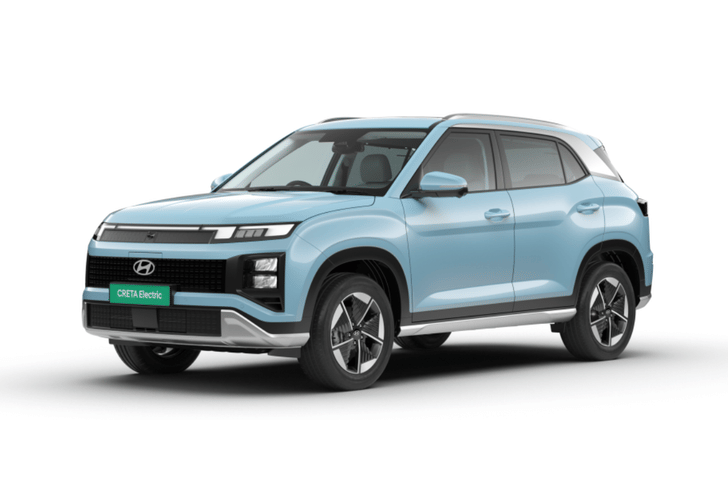

With an EV, the warranty conversation shifts. You still care about the usual car parts like AC, infotainment, suspension and electronics, but the expensive EV-specific hardware is what really changes the risk: the high-voltage battery pack, the traction motor, and the power electronics that manage charging and drive.
This guide explains Mahindra EV warranty in India in a practical, owner-first way: what the warranty is designed to cover, how battery and motor coverage typically works in principle, what is commonly excluded, how extended warranty fits in, and what to do when you need to raise a claim. Warranty terms can vary by model, variant, and purchase date, so always confirm the exact wording for your vehicle in the warranty booklet and the delivery documents.
Overview of Mahindra EV Warranty in India
Mahindra electric car warranty is typically organised in two layers:
- Standard vehicle warranty
This covers the vehicle for manufacturing defects in materials or workmanship for the coverage period mentioned in your booklet. It applies to factory-fitted parts and systems that are included under the standard warranty scope. - EV system warranty (high-voltage components)
This is the separate coverage that focuses on core EV hardware, primarily the high-voltage battery and the electric drive system. This warranty is usually longer than the standard vehicle warranty, and it may have its own rules and exclusions.
Before you look at the table, keep one important point in mind: the standard vehicle warranty and the high-voltage warranty can have different durations and conditions. It’s possible for the vehicle warranty to expire while the battery warranty is still active.
| Warranty layer | What it usually covers | What you should verify for your specific Mahindra EV |
| Standard vehicle warranty | Defects in covered vehicle parts and factory-fitted systems | Time and kilometre limit, service schedule requirements, exclusions for wear items |
| EV system warranty | High-voltage battery and electric drivetrain components as defined in the policy | Exact list of EV components covered, exclusions related to impact/water/tampering, performance-related terms if any |
| Separate sub-warranties (if applicable) | Items like paint/corrosion or specific components with separate terms | Validity, inspection requirements, and conditions |
A simple delivery-day checklist that prevents future confusion: ask the dealer to point out which document covers the high-voltage battery terms, what is required to keep that warranty valid, and what happens if the car is sold to a second owner.
Mahindra EV Warranty Coverage Details
At its core, Mahindra EV warranty is meant to cover manufacturing defects, not damage or neglect. That sounds obvious, but EV ownership creates new grey areas because the battery pack is integrated into the vehicle structure and charging behaviour becomes part of daily use.
A few factors typically matter a lot for EV warranty eligibility:
- Service and inspection compliance: Even EVs need periodic inspections, software checks, and updates. Skipping scheduled visits or ignoring warning lights can create claim friction later.
- Authorised repairs for high-voltage work: High-voltage systems require trained technicians and specific procedures. Work done outside the authorised network can complicate warranty support, especially if it involves wiring, connectors, or the battery area.
- Charging hygiene: Most owners do everything right, but repeated charging through unsafe wiring, damaged connectors, or questionable setups can cause issues that look like “component failure” but get treated as external-cause damage during inspection.
Components Covered under Mahindra EV Warranty
Coverage varies by model and policy wording, but Mahindra EV warranty typically focuses on components that should not fail under normal use when maintained correctly.
- High-voltage battery pack (as defined in the warranty booklet): The battery pack is not just “cells”. It is a complete system that can include modules, sensors, contactors, thermal management elements and a battery management system. Coverage generally targets manufacturing defects and abnormal failures of the covered battery system as defined by Mahindra.
- Traction motor and electric drive unit (as defined in the policy): This includes the motor responsible for moving the car and, depending on the model, associated drivetrain hardware that forms the electric drive unit. Warranty coverage typically applies to defect-related failures of covered parts.
- Power electronics and charging-related vehicle hardware (policy-defined): EVs rely on power electronics that control energy flow during driving and charging. Items like controllers and onboard charging hardware may be covered under the EV system warranty or standard warranty depending on the policy scope for your vehicle.
- Factory-fitted electrical and electronic systems (standard warranty): Standard warranty usually covers manufacturing defects in factory-fitted systems such as switches, sensors, displays, wiring harnesses and control modules, subject to exclusions.
One important expectation-setting point: battery performance can change gradually with time, temperature exposure, charging patterns and usage. Warranty is designed to address defects and abnormal failures as defined in the policy, not normal ageing.
Components not covered under Mahindra EV Warranty
Most warranty disagreements come from assuming warranty works like insurance. Typically, these categories are excluded unless the issue is clearly a manufacturing defect.
- Wear-and-tear items and consumables: Tyres, brake pads, wipers, bulbs, trims, interior wear, and routine service items are generally not covered.
- Accident, impact, or underbody damage: Damage caused by collisions or heavy underbody hits is usually handled under insurance. This is especially relevant for EVs because underbody impacts can affect battery housing and connectors.
- Water ingress and flood-related damage (case dependent): EVs are engineered with protection, but avoidable water exposure or flood damage can be excluded depending on inspection findings and circumstances.
- Unauthorised modifications or electrical tampering: Aftermarket wiring changes, non-approved accessories that alter the electrical load, performance modifications, or any tampering with high-voltage systems can void warranty for affected parts and may complicate related claims.
- Improper charging setups or unsafe equipment: If damage is traced to unsafe electrical connections, damaged charging gear, or non-compliant installations, warranty claims can be denied for the affected systems.
- Skipped services or missing documentation: Even if the failure is real, missing service records or ignored warnings can weaken the warranty case.
A practical way to think about it: warranty is your protection from defects, insurance is your protection from damage.
Mahindra Extended Warranty Plans
Extended warranty is a paid add-on that extends coverage beyond the standard vehicle warranty period. For EV owners, this can be valuable because modern cars have many expensive electronics and comfort systems that can cost significantly once the standard warranty ends.
Two important clarifications before you buy:
- Extended warranty often applies to standard vehicle warranty coverage: High-voltage battery and motor coverage usually follows a separate EV system warranty. An extended warranty plan may not extend battery coverage unless it explicitly says so in the plan document.
- Plans, eligibility windows, and prices vary: Availability can depend on model, variant, purchase date, and whether you buy it at delivery or later. The cleanest time to purchase is usually at delivery or within the early ownership window mentioned by the brand.
How to choose the right plan for an EV:
- If you plan to keep the car long-term, extended warranty can add peace of mind for electronics, AC components, and other covered systems.
- If you plan to sell within the standard warranty period, an extended warranty may not deliver full value unless it improves resale for your timeline.
Mahindra EV Warranty Claim Process
A warranty claim is usually a diagnosis-led process, not a negotiation. The authorised service centre identifies the root cause, checks eligibility, and then processes the repair as warranty if it fits the policy conditions. Here’s the step-by-step approach that typically works best:
- Visit an authorised Mahindra service centre: High-voltage systems require specialised tools and trained technicians, so warranty assessment is typically done only at authorised workshops.
- Describe the symptom clearly: Share what happened, when it started, whether any warning lights appeared, and whether the issue is repeatable. Mention if it occurred during driving or charging.
- Carry the right documents: Keep your RC, warranty details, service records, and any previous job cards related to the issue.
- Allow full diagnostics: EV issues often involve system logs and scan-tool checks. The service team will determine whether it looks defect-related or linked to an external cause like impact or water exposure.
- Warranty eligibility check and internal approval: If the issue is covered, the service centre raises it as a warranty job. If anything is excluded, you will typically receive an estimate for the non-covered portion.
- Repair or replacement as per procedure: High-voltage repairs follow strict safety steps. For certain EV parts, replacement may be preferred over repair depending on policy and safety guidelines.
- Collect the vehicle and keep paperwork: Even if your invoice total is zero, keep the job card and invoice. It helps with future warranty support and improves resale transparency.
If a claim is rejected and you disagree, ask for a written reason and the diagnostic notes. Many disputes become clear once the exclusion clause and root cause are compared side by side.
FAQ about Mahindra EV Warranty
Q. What does Mahindra EV warranty usually include?
It typically includes a standard vehicle warranty for the car and a separate EV system warranty for high-voltage components like the battery pack and electric drivetrain, as defined in Mahindra’s policy documents.
Q. Does Mahindra EV warranty cover normal range reduction over time?
Usually not. Gradual range reduction can occur due to battery ageing and usage patterns. Warranty generally focuses on defects and abnormal failures as defined by the policy.
Q. Is the high-voltage battery warranty transferable if I sell the car?
Transfer rules depend on the specific model and program terms. Many manufacturer warranties can be transferable with conditions, but you should confirm the transfer process and documentation requirements for your Mahindra EV.
Q. Does extended warranty cover the EV battery and motor?
Not automatically. Extended warranty typically extends standard vehicle warranty coverage. Battery and motor coverage usually follows a separate EV system warranty unless the extended plan explicitly includes those components.
Q. What are common reasons an EV warranty claim gets rejected?
Common reasons include accident or impact damage, flood or water-related damage, unauthorised modifications or aftermarket wiring, unsafe charging setups, and missing service or inspection records.


