
In Uttarakhand, all motor vehicles are subject to road tax, a mandatory state tax imposed to manage and maintain public roads. The money raised from this tax enables the government to construct new highways, improve existing roads, enhance traffic management, and upgrade the entire state’s transport infrastructure.
As road tax is governed at the state level, the rules, rates and exemptions of Uttarakhand road tax are different from those of other states of India. It is therefore important that vehicle owners understand how road tax is computed, the rates that apply for different types of vehicles, as well as how to make the payments.
In this guide, we will explain everything you need to know about road tax in Uttarakhand, from how it is calculated to current rates, payment options, and relevant regulations.
What is Road Tax and Why is it Important?
Road tax or motor vehicle tax is an obligatory payment imposed by the state governments on the owners of a motor vehicle for using the public roads. In India, road tax is to be paid during the time of registration of the vehicle in accordance with the provisions given in the Motor Vehicles Act.
The revenue generated from road taxes is essential for maintaining and improving the road network. For instance, the transport authority of Uttarakhand uses these funds for the construction of new highways, the repair of damaged roads and improving the connectivity in the hilly terrain.
Importance of Road Tax
Road tax is an important aspect in maintaining the road and transport system:
- Infrastructure Development: The funds coming from the road taxes are used for the construction and improvement of highways, bridges, and flyovers. In Uttarakhand, this means funding projects that connect remote hill districts and support regional trade and tourism.
- Safety & Facilities: The revenue from taxes contributes to street lights, traffic signs, road signs, emergency services, and other public infrastructure. Better-maintained roads and appropriately placed signs help reduce accidents and enhance safety for drivers and pedestrians.
- Public Transport Support: Road tax contributes to public transport systems like state-run buses. This revenue can subsidise bus networks and other mass transit projects, enhancing mobility for daily commuters.
- Legal Compliance: Paying road tax is mandatory under the Motor Vehicles Act, 1988. Complying with tax rules avoids legal penalties. In Uttarakhand, failure to pay can result in fines and even vehicle detention.
- Environmental Incentives: By offering lower tax rates or exemptions for eco-friendly vehicles, road tax policies encourage greener transportation. For example, Uttarakhand exempts battery-electric vehicles from road tax, promoting sustainable transport choices.
Together, these factors show that road tax is not just a fee, but a key resource that keeps Uttarakhand’s roads functional, safe, and responsive to future needs.
Road Tax Rules in Uttarakhand
In Uttarakhand, road tax is governed by the Uttarakhand Motor Vehicles Taxation Act, 2003 (amended). The State Transport Department enforces these rules and collects the tax from vehicle owners. Every vehicle registered in Uttarakhand – whether for private or commercial use – must pay road tax according to the Act.
The specific tax amount depends on factors like vehicle type, cost, weight, and purpose.
Applicability of Road Tax in Uttarakhand
The rates and calculation of road tax in Uttarakhand vary by vehicle category:
- Two-Wheelers: New private bikes and scooters in Uttarakhand are charged a one-time road tax of 6% of their ex-showroom price (8% for models above ₹10 lakh). Additionally, all two-wheelers pay an annual tax of ₹200. Depreciation applies, reducing the one-time tax by 5% each year, up to 75% for older vehicles.
- Four-Wheelers (Private Use): Private cars pay 6% of their cost if priced up to ₹10 lakh and 8% if above ₹10 lakh. An annual tax is also levied based on unladen weight: ₹1,000 for cars up to 1,000 kg, ₹2,000 for 1,000–5,000 kg, and ₹4,000 for heavier vehicles.
- Commercial Vehicles: Taxis, buses, and goods carriers are taxed by seating capacity or weight. Passenger vehicles pay ₹730 per seat annually (₹1,700 for more than 3 to 7 seats), while goods trucks under 3,000 kg pay ₹1,000 per year plus a one-time ₹10,000 tax.
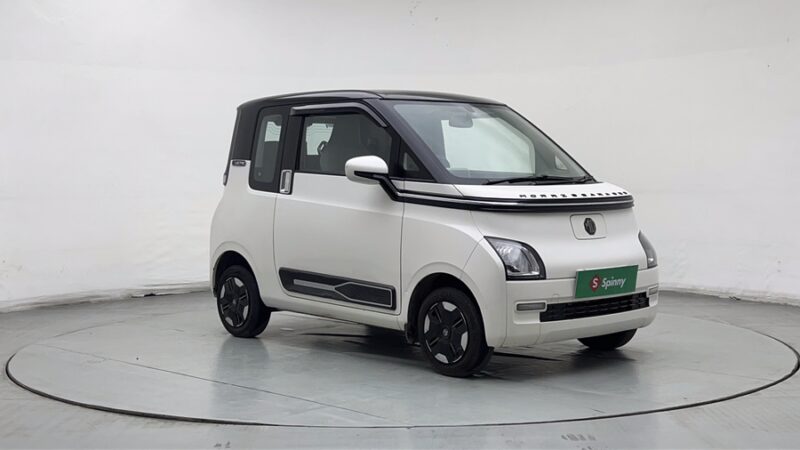
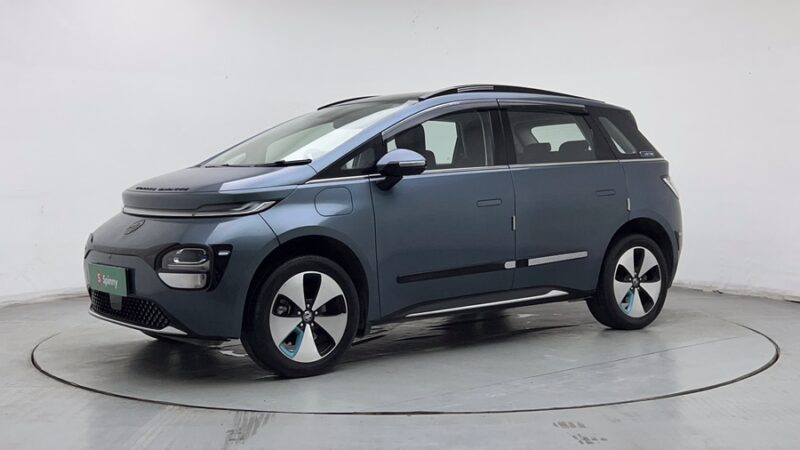
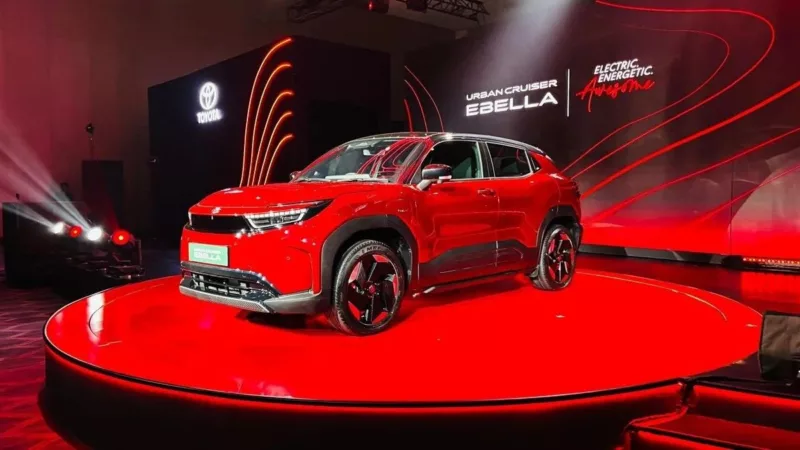
- Electric/Battery Vehicles: EVs and solar-powered vehicles enjoy 100% exemption from road tax at registration and renewal, as part of Uttarakhand’s green transport initiative.
- Transfer/Resale of Vehicles: For vehicles sold or transferred, depreciation-adjusted tax is considered. Older vehicles attract a lower tax liability due to the yearly 5% reduction applied to the original one-time tax.
Factors Affecting Road Tax Rates
Several key factors determine Uttarakhand road tax:
- Type of Vehicle: Tax rates vary for bikes, cars, SUVs, trucks, and buses, with two-wheelers paying much less than four-wheelers.
- Purpose of Use: Private vehicles usually pay a one-time (lifetime) tax, while commercial vehicles (taxis, goods carriers) pay recurring annual or quarterly taxes based on seats or weight.
- Vehicle Cost: Higher-priced vehicles attract higher rates—cars under ₹10 L are taxed at 6%, while those above ₹10 L are 8%.
- Age of Vehicle: Depreciation reduces tax by 5% per year, up to 75%, lowering the re-registration tax for older vehicles.
- Engine Capacity/Fuel Type: Larger engines generally face higher rates; EVs are fully exempt, while petrol and diesel vehicles follow standard rates.
- Seating/Load Capacity: Commercial vehicles are taxed per seat or per ton, so heavier or higher-capacity vehicles pay more.
- Route and Permits: Uttarakhand primarily charges tax at registration, though certain commercial permits or routes can affect rates.
These factors are combined by the Regional Transport Office (RTO) to compute the exact tax due. In Uttarakhand, the RTO uses a unified calculation considering all relevant parameters.
How to Calculate Road Tax in Uttarakhand?
The road tax for a vehicle in Uttarakhand is calculated based on the Uttarakhand Motor Vehicles Taxation Act. In practice, the tax is determined by the vehicle’s category, cost, age, and other attributes.
Parameters Used for Road Tax Calculation
For clarity, here are the main parameters used in road tax calculation:
| Factor | Description |
| Type of Vehicle | Category (motorcycle, car, taxi, bus, truck, etc.) – Different tax slabs apply for two-wheelers, private cars, and various transport vehicles |
| Engine Capacity | Measured in CC (cubic capacity) – Vehicles with larger engines may incur higher tax under certain rules or permits |
| Weight/Seating | For Commercial Vehicles: Taxed by gross vehicle weight (in tonnes) or number of passenger seats (excluding driver) |
| Purpose of Use | Private vs. Commercial – Private vehicles pay a one-time tax, while commercial ones pay per period (monthly/quarterly/yearly) |
| Fuel Type | Petrol/diesel vehicles pay standard rates; electric/solar vehicles are exempt. Ethanol-fuel vehicles get partial relief. |
| Age of Vehicle | Older vehicles benefit from tax depreciation (5% reduction of tax per year, up to 75% total) |
| Price/Value | Ex-showroom Cost – Higher purchase price directly increases one-time tax amount (as per 6% or 8% slab) |
| Green Tax (if any) | Some states impose an extra “green tax” on very old vehicles; Uttarakhand incorporates age depreciation instead (up to 75% reduction) |
Sample Road Tax Calculation for Different Vehicles
The table below shows how road tax rates vary depending on the type and price of vehicles in Uttarakhand:
| Vehicle Type | Price | Tax Rate | Road Tax Payable |
| Hatchback | Below ₹5,00,000 | 6% | ₹30,000 |
| Electric Car | ₹12,00,000 | Exempt | ₹0 |
| SUV | ₹20,00,000 | 8% | ₹1,60,000 |
| Luxury Car | ₹40,00,000 | 8% | ₹3,20,000 |
Note: Actual road tax in Uttarakhand may vary based on the latest RTO updates, fuel type, and specific vehicle configurations. Electric and solar-powered vehicles are currently exempt from road tax under state incentives.
How to Pay Road Tax in Uttarakhand?
Vehicle owners in Uttarakhand can pay road tax either online via the Parivahan portal or offline at the RTO. The online option is quick and helps avoid queues.
Online Payment Process
Uttarakhand uses the national Vahan (Parivahan) system for online services. To pay online:
Step 1: Visit Vahan Portal: Go to vahan.parivahan.gov.in.
Step 2: Select Vehicle Services: From Online Services, click Vehicle Related Services.
Step 3: Choose State & RTO: Select Uttarakhand and your local RTO.
Step 4: Pay Your Tax: Click on Pay Your Tax from the menu.
Step 5: Enter Details: Provide your registration number and the last five digits of the chassis number, then verify.
Step 6: Authenticate: Enter the OTP sent to your registered mobile.
Step 7: Review & Pay: Check the displayed tax dues and pay via net banking, card, or UPI.
Step 8: Download Receipt: Save the receipt as proof; the RTO is updated automatically.
Offline Payment Process
If you prefer in-person payment:
Step 1: Visit RTO: Go to the Regional Transport Office where your vehicle is registered.
Step 2: Submit Documents: Carry RC, insurance copy, vehicle invoice, and valid address proof.
Step 3: Get Form: Request the road tax form (Form 16 or prescribed slip) and fill it out.
Step 4: Verification: Submit documents and the form for RTO official verification.
Step 5: Make Payment: Pay tax by cash, cheque, DD, or available digital modes (POS/UPI).
Step 6: Collect Receipt: Take the stamped receipt as official proof of payment.
Documents Required for Road Tax Payment
Whether online or offline, you generally need the following documents to pay road tax in Uttarakhand:
- Vehicle Registration Certificate (RC): Original, to verify vehicle details.
- Insurance Certificate: Valid motor insurance copy.
- Invoice/Price Proof: Original dealer invoice or manufacturer’s invoice showing ex-showroom cost.
- Proof of Address: Aadhaar, Passport, Voter ID, or Utility Bill in the owner’s name.
- No Objection Certificate (NOC): If the vehicle is coming from another state, bring the NOC from the previous RTO. (In that case, also Form KMVT-14 may be required.)
- Additional Forms: Any form the RTO requests (e.g. Form 16 for tax application or declarations).
- Identity Proof: A copy of the owner’s ID (often stamped by RTO).
Having these documents ready will streamline both online verification (when you upload details) and offline processing.
Penalties for Late Payment of Road Tax in Uttarakhand
Uttarakhand law treats road tax non-payment as an offence. If you miss the deadline (usually within 15 days of registration or licence renewal), penalties apply. Check out the table below for more details:
| Situation | Penalty/Action |
| Initial Fine | ₹500 penalty for first-time non-payment (as noted by some RTO sources). |
| Repeat Offences | Fine doubles for subsequent violations (e.g., ₹1,000 for a second offence). |
| Vehicle Detention | Vehicles may be detained or seized until the pending road tax is cleared. |
Refunds and Road Tax Transfer Rules in Uttarakhand
Vehicle owners can apply for a refund or transfer of road tax under certain conditions:
Conditions for Tax Refund
- Inter-State Transfer: If you move your vehicle to another state and register it there, you can claim a refund of the remaining tax for Uttarakhand. This requires surrendering the RC and providing an NOC.
- Vehicle Scrapping/Disposal: If a vehicle is permanently scrapped or damaged beyond repair before the end of its registration period, you may be eligible for a prorated refund of unused tax years (subject to RTO rules and submission of a scrapping certificate).
- Tax Paid in Excess: If an error led to paying higher tax than due (rare), you can apply to correct and refund the difference.
Procedure for Applying for a Road Tax Refund/Transfer:
Step 1: Visit RTO: Go to the RTO where your vehicle is registered and get the refund/transfer form.
Step 2: Fill Form: Enter vehicle details, reason, and tax period.
Step 3: Attach Documents: Submit RC, road tax receipt, insurance, address proof, and other required papers. For inter-state transfer, add NOC and a new registration copy.
Step 4: Add Scrapping Certificate: If scrapped, include a certificate from an authorised facility.
Step 5: Verification: RTO checks documents and calculates the refund based on the unused tax validity.
Step 6: Receive Refund: The refund is issued via cheque or bank transfer after deductions.
Each RTO may have specific guidelines, but the above steps cover the general process. It’s important to note that the vehicle usually must be reregistered in the new state (if moved) before the original RTO processes the refund.
Comparison: Road Tax in Uttarakhand vs Other States
The road tax structure in Uttarakhand is broadly similar to that of many states in its use of percentage slabs for cars, but the specific rates vary. For context, consider the one-time tax on a private car of a given ex-showroom price in Uttarakhand and nearby states:
| State | Vehicle Price Range | Tax Rate (Private Cars) | Notes |
| Uttarakhand | Up to ₹10 lakh | 6% of the ex-showroom price | Above ₹10L: 8%. Battery EVs: 0% (exempt) |
| Delhi | Up to ₹6 lakh | 4% (petrol), 5% (diesel) | ₹6–10L: Petrol 7%, Diesel 8.75%; >₹10L: Petrol 10%, Diesel 12.5%. EVs: 0% |
| Maharashtra | Up to ₹10 lakh | Petrol 11%, Diesel 13% | ₹10–20L: Petrol 12%, Diesel 14%; >₹20L: Petrol 13%, Diesel 14% |
| Kerala | Up to ₹5 lakh | 9% of the vehicle value | ₹5–10L: 11%; 10–15L: 13%; 15–20L: 16%; >₹20L: 21% |
Note: Road tax rates differ by vehicle type, fuel, and weight, and may change with RTO updates. Check with Uttarakhand RTO or the Parivahan portal for exact details.
Road tax in Uttarakhand plays a vital role in maintaining its transportation infrastructure, which enables the region to maintain seamless connectivity with the surrounding areas. The Uttarakhand road tax tends to differ based on the type of vehicle, usage, and fuel type, with exemptions for EVs and solar-powered vehicles.
Understanding these rates helps vehicle owners plan and ensures compliance with state law.
FAQs About Road Tax in Uttarakhand
Q. Are EVs exempt from road tax in Uttarakhand?
Yes. Battery-electric and solar vehicles get a 100% exemption at registration and renewal.
Q. Do I pay road tax again if I transfer ownership within Uttarakhand?
No, but a transfer tax applies—10% of the one-time tax (except in inheritance cases).
Q. Can I get a refund if I move my vehicle to another state?
Yes. Apply with an NOC and new registration details; the RTO refunds the unused portion.
Q. How is road tax calculated in Uttarakhand?
It depends on vehicle type, use (private/commercial), fuel, seating/load, price, and age. For cars, it’s 6%–8% of cost; for transport vehicles, it’s per seat or weight, adjusted for age.
Q. What documents are needed to pay road tax?
RC, insurance copy, vehicle invoice/price proof, and address proof. For out-of-state vehicles, also provide the NOC and Form KMVT-14.