
The rollout of GST 2.0 has triggered a major shift in India’s automobile pricing, with fresh tax slabs that directly affect car buyers. Under the updated structure, tax rates vary depending on the engine capacity and length of the vehicle, which means compact hatchbacks, sedans, and larger SUVs are all impacted differently. For Hyundai, one of the most popular carmakers in the country, this update has led to significant price reductions across its lineup.
Smaller cars like the Grand i10 Nios and Aura see cuts in the range of ₹70,000-₹80,000, while premium SUVs like the Tucson experience reductions as high as ₹2.4 lakh. This blog breaks down the model-wise impact of GST 2.0 on Hyundai cars, along with insights on what buyers can expect next.
GST Impact on Hyundai Cars up to 1200cc and up to 4000mm
The biggest share of Hyundai’s sales comes from its compact cars, hatchbacks, and compact sedans that fall under the under 1200cc engine capacity and under 4000mm length bracket. These models have traditionally benefited from the lowest tax rates, making them appealing to budget-conscious buyers. Under GST 2.0, the update has delivered notable price cuts, ensuring affordability is not only retained but also improved.
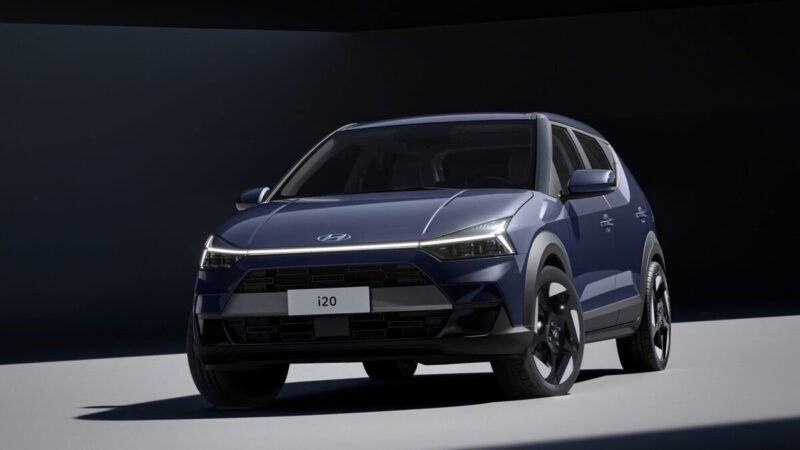
Hyundai’s cars in this category include the Grand i10 Nios, Aura, Exter, i20 (1.2L petrol), i20 N Line, Venue, and Venue N Line. All of these models have received GST 2.0 reductions ranging from about ₹73,000 to ₹1.23 lakh, depending on the trim and variant.
Hyundai Cars up to 1200cc and up to 4000mm
| Car | Price Before GST Update | Price After GST Update | Full GST 2.0 Benefits |
| Hyundai Grand i10 Nios | ₹6.83 lakh | ₹6.09 lakh | Up to ₹73,808 |
| Hyundai Aura | ₹7.66 lakh | ₹6.87 lakh | Up to ₹78,465 |
| Hyundai Exter | ₹8.69 lakh | ₹7.80 lakh | Up to ₹89,209 |
| Hyundai i20 | ₹9.98 lakh | ₹9.00 lakh | Up to ₹98,053 |
| Hyundai i20 N Line | ₹12.18 lakh | ₹11.10 lakh | Up to ₹1.08 lakh |
| Hyundai Venue | ₹11.89 lakh | ₹10.66 lakh | Up to ₹1.23 lakh |
| Hyundai Venue N Line | 13.29 lakh | 12.10 lakh | Up to ₹1.19 lakh |
GST Impact on Hyundai Cars more than 1200cc and more than 4000mm
This category covers Hyundai’s larger sedans and SUVs, which previously attracted higher GST slabs under the older structure. Under GST 2.0, these models have received steep price cuts, particularly benefiting buyers of larger SUVs and premium sedans.
Hyundai Cars more than 1200cc and more than 4000mm
| Car | Price Before GST Update | Price After GST Update | Full GST 2.0 Benefits |
| Hyundai Verna | ₹13.06 lakh | ₹12.45 lakh | Up to ₹60,640 |
| Hyundai Creta | ₹14.92 lakh | ₹14.20 lakh | Up to ₹72,145 |
| Hyundai Creta N Line | ₹17.21 lakh | ₹16.49 lakh | Up to ₹71,762 |
| Hyundai Alcazar | ₹17.85 lakh | ₹17.10 lakh | Up to ₹75,376 |
| Hyundai Tucson | ₹35.30 lakh | ₹33.00 lakh | Up to ₹2.4 lakh |
Summary
The rollout of GST 2.0 has created a positive impact across Hyundai’s portfolio. Compact cars under 1200cc and 4000mm, like the Grand i10 Nios, Aura, Exter, and i20, now enjoy savings up to ₹1.23 lakh. Larger sedans and SUVs such as the Verna, Creta, and Alcazar see reductions of around ₹60,000–₹75,000. The biggest winner is the Hyundai Tucson, which is now cheaper by up to ₹2.4 lakh, making it one of the most attractive options in the premium SUV market.
Overall, GST 2.0 has enhanced Hyundai’s value proposition by lowering ownership costs and making feature-rich higher trims more accessible. This is expected to boost Hyundai’s competitiveness and drive stronger sales during the festive season.
From a market perspective, Hyundai is likely to retain its stronghold in the compact and mid-size segments, where price sensitivity is balanced by value and brand reputation. However, in the premium SUV and sedan market, the tax-induced hikes may open doors for competitors offering similar features at more aggressive price points.
Overall, GST 2.0 has nudged Hyundai’s lineup upwards in terms of cost, but the impact on sales will be uneven, mild for smaller cars, and potentially stronger for larger SUVs. The brand’s ability to package finance offers, discounts, or exchange benefits will play a key role in offsetting these effects.
Q. What is GST 2.0 and why does it affect car prices?
GST 2.0 is the updated Goods and Services Tax framework that revises slabs for cars based on engine size and length. Since Hyundai offers cars across multiple segments, the changes directly impact their ex-showroom prices.
Q. Which Hyundai cars saw the smallest price hike under GST 2.0?
The Hyundai Grand i10 Nios and Hyundai Aura faced the smallest increases, keeping them affordable options.
Q. Will GST 2.0 make Hyundai SUVs less popular?
Not entirely. While SUVs like the Alcazar and Tucson are costlier, demand in India’s SUV market remains strong. Hyundai may need to adjust marketing strategies to offset the price impact.
Q. How can customers plan purchases after GST 2.0?
Buyers should consider total cost of ownership, including loan EMIs and fuel costs. For budget-conscious customers, Hyundai’s smaller cars remain good value despite the marginal increase.