





The Maruti Suzuki Grand Vitara is among the most diverse SUVs in its category, offering a range of performance, mileage, and contemporary technology options. It suits diverse customer demands through three types of fuel variants: Petrol, CNG, and a Strong Hybrid (petrol + electric) variant.
Such diversity makes it attractive to consumers seeking cost-effectiveness, convenience, and performance in one package. Petrol versions are available in both manual and automatic modes, while the CNG variant is available with a manual transmission only. The Strong Hybrid features advanced electric-petrol technology and offers a silky-smooth driving experience.
In this guide, we will compare official ARAI-approved mileage with performance reported by users, highlighting discrepancies in fuel cost to help you choose the best variant for your needs.
Table of Contents
Maruti Grand Vitara ARAI Mileage Figures
Official ARAI-certified mileage for the Grand Vitara across all engine and transmission options is:
| Engine & Transmission | ARAI Mileage (km/l) |
| Petrol – Manual | 21.11 km/l |
| Petrol – Automatic | 20.58 km/l |
| CNG – Manual | 18.25 km/kg |
| Hybrid (Electric + Petrol) – Automatic | 27.97 kmpl |
Maruti Grand Vitara Real-World Mileage vs ARAI Mileage
Although ARAI results are simulated under test conditions in a lab, real-world driving conditions provide mixed results. In real-world use, the petrol manual achieves 18–20 km/l in city and highway combined, while the automatic petrol achieves 17–19 km/l. The CNG gives 18–18.5 km/kg, and the high-capacity hybrid gives between 23–25 km/l depending on usage.
Some of the reasons for the deviation between ARAI and real-world mileage are:
- Driving Habits: Harsh braking and acceleration cut efficiency, though smoother driving allows for higher mileage. Smooth throttle and gradual gear changes make the difference on longer trips.
- Traffic: Engine idling on long distances and stop-and-go traffic conditions impact both petrol and CNG car fuel economy. Poor traffic, typical of Indian cities, tends to prefer CNG vehicles slightly because their idle consumption is less.
- Load & AC Use: Additional passengers and heavy AC use decrease mileage ratings. Full-load luggage or riding with the AC set at full speed increases the engine load and contributes to higher fuel consumption.
- Maintenance: Regularly servicing engines, correcting tyre pressures, and cleaning filters yields performance closer to published estimates. Avoiding regular servicing or neglecting tyre health can cause a considerable reduction in overall performance.
The Grand Vitara hybrid outperforms an increasingly improved economy, and the CNG model is in demand due to its low running expenses in urban driving.
Maruti Grand Vitara Fuel Efficiency Comparison: Petrol vs CNG vs Hybrid
For mileage, Grand Vitara variants suit various classes of drivers. The petrol variant provides run-of-the-mill performance and economy for city and highway driving. The CNG variant suits price-conscious buyers travelling longer daily commutes.
The hybrid offers the most sophisticated solution by combining electric boost with petrol power, providing excellent economy, particularly for city driving. In real life, the difference is more pronounced in stop-go situations, where CNG and hybrid variants appear to be more fuel-hungry financially than petrol.
Maruti Grand Vitara City Fuel Efficiency Comparison
Under urban driving conditions, the petrol Grand Vitara delivers acceptable economy but is plagued by constant acceleration and deceleration. The automatic petrol is easier to use but less fuel-efficient compared to the manual.
The CNG variant ensures decent mileage for daily journeys, and the hybrid delivers unmatched savings because of electric motor assistance. The primary reasons for the variance are:
- Fuel Flexibility: CNG and hybrid are the clear winners with stop-and-go traffic, making them perfect for city dwellers. Their ability to maintain a stable fuel usage rate, even during short stops, goes a long way towards making them popular among city commuters.
- Engine Management: The CNG variant is optimised for economy under low-speed operating conditions, utilising the hybrid’s electric drive whenever possible. This helps achieve smooth operation and noticeable fuel savings.
- Stop-Start Efficiency: Petrol vehicles use more fuel during bumper-to-bumper traffic, whereas hybrid and CNG vehicles optimise fuel efficiency. Hybrids, especially, turn off the engine when not required, which means wastage is reduced.
- Idle Consumption: CNG uses less fuel when idling, and hybrids turn off the petrol engine completely, which is more efficient. Over time, these small savings add up to a significant amount for city drivers who commute daily.
- Thermal Stability: Hybrid cars maintain low engine stress, enhancing long-term performance in stop-and-go traffic. This increases the longevity of mechanical parts, reducing maintenance expenses.
Maruti Grand Vitara Highway Fuel Efficiency Comparison
On the highway, the petrol Grand Vitara is quite good, particularly with the manual transmission, which provides smoothness and excellent fuel efficiency. The automatic petrol offers a slightly lower return; although CNG is economical, it falls behind in overtaking activities.
The hybrid maintains its lead with a combination of good mileage and smooth driving, thanks to the effective coordination of its electric and petrol components. Highway mileage considerations are:
- Constant-Speed Efficiency: Petrol engines have good constant-speed efficiency, although hybrids continue to be the champions. That’s why long-distance travellers most prefer hybrids for their double benefit of comfort and economy.
- Passenger & Cargo Load: Both Petrol and CNG lose efficiency when loaded heavily, although the hybrid conceals it to a greater extent. Proper weight distribution and intelligent packing can also help maximise returns.
- Driving Discipline: Smooth speeds optimise mileage in any trim. Utilising cruise control on straight roads usually reaps a few kilometres per litre.
- Road Gradient & Altitude: Petrol and hybrid vehicles operate well on inclines, while CNG vehicles may require constant downshifting. Over rough terrain, this decreases travel comfort for CNG owners.
- Refuelling Ease: Petrol and hybrid versions offer ubiquitous refuelling ease, whereas CNG requires route planning due to the limited availability of fueling stations. Hence, petrol and hybrid variants are more convenient for spontaneous long highway trips.
Maruti Grand Vitara Fuel Cost Comparison: Petrol vs CNG vs Hybrid
Understanding fuel costs is essential when deciding between the petrol, CNG, and hybrid variants of the Maruti Grand Vitara. Let’s compare the running expenses based on a typical monthly driving of 1500 km and a few other aspects to help you gauge which option fits your budget better.
| Aspect | Petrol (Manual) | CNG (Manual) | Hybrid (eCVT) |
| Monthly Running Distance | 1500 km | 1500 km | 1500 km |
| Monthly Fuel Use | ~79 litres | ~81 kg | ~60 litres |
| Avg. Monthly Fuel Cost* | ₹6,640 | ₹4,050 | ₹5,040 |
| Avg. Yearly Fuel Cost | ₹79,680 | ₹48,600 | ₹60,480 |
| 5-Year Fuel Cost | ₹3,98,400 | ₹2,43,000 | ₹3,02,400 |
Note: Based on petrol price of ₹84/litre and CNG price of ₹50/kg. Prices vary by location.
With lower running costs, the CNG version is the most economical for frequent city users. The hybrid, however, strikes a balance between fuel savings and improved performance and ease of driving, while petrol remains the most versatile option for all conditions.
Maruti Grand Vitara Mileage vs Competitors
Comparing the Maruti Suzuki Grand Vitara’s mileage with that of its closest rivals provides a clear picture of its efficiency within the compact and mid-size SUV segments. Here’s a look at official mileage figures for petrol, hybrid, and CNG variants (wherever applicable):
| Model | Petrol Mileage (km/l) | CNG Mileage (km/kg) | Hybrid Mileage (km/l) |
| Maruti Suzuki Grand Vitara | 21.11 km/l (MT), 20.58 km/l (AT) | 18.25 km/kg | 27.97 km/l |
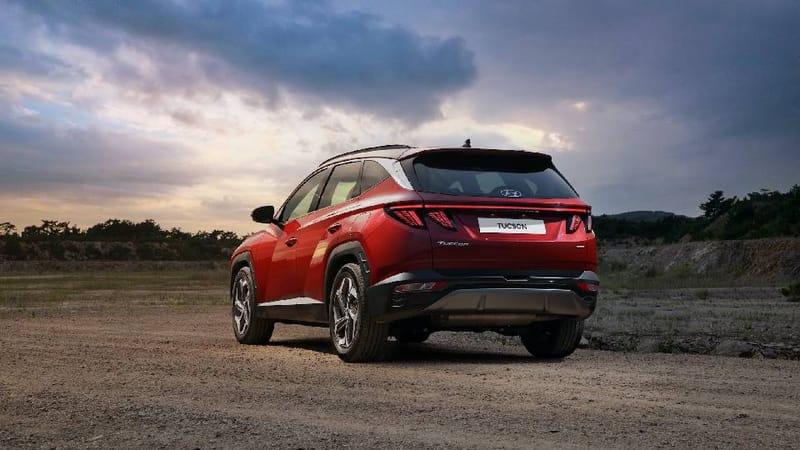
| Toyota Urban Cruiser Hyryder | 19.39 km/l | 26.6 km/kg | N/A |
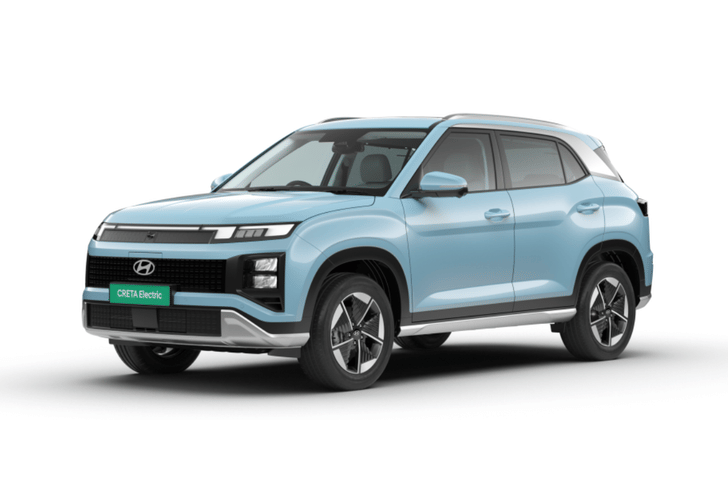
| Hyundai Creta | 17.40 km/l | NA | N/A |
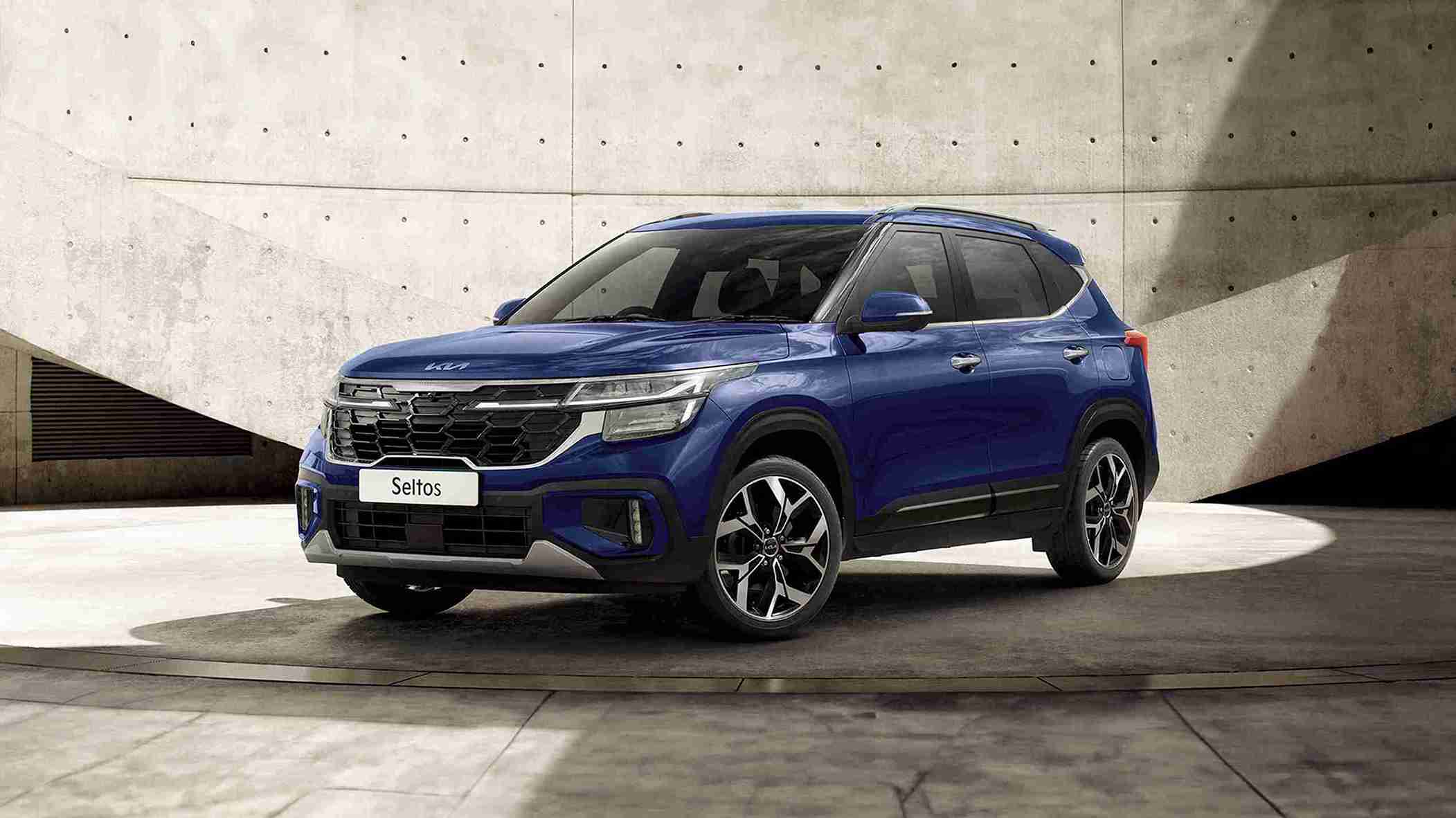
| Kia Seltos | 17.00 km/l | NA | N/A |
The Grand Vitara is undisputedly the leader, providing not only fuel-efficient petrol variants but also a potent hybrid with class-leading fuel efficiency of 27.97 km/l, as well as a CNG option for budget-conscious buyers.
This makes it one of the most varied SUVs in its class, providing a new combination of frugality and practicality on different powertrains.
Summary
The Maruti Suzuki Grand Vitara boasts impressive mileage compared to all its rivals. The CNG model is ideal for economical city commuters who require the lowest running costs, and the performance-driven hybrid is the most fuel-efficient in its class, achieving nearly 28 km/l.
The standard petrol models strike a perfect balance of performance, usability, and refuelling convenience, making them ideal for both city and highway use. Your decision between petrol, hybrid, and CNG will depend on your driving habits, fuel availability, and performance needs.
Regardless of the choice, the Grand Vitara upholds Maruti Suzuki’s reputation for low maintenance, high reliability, and substantial resale value, making it a safe and economical SUV option.
FAQs about Maruti Suzuki Grand Vitara Mileage Comparison
Q. What is the real-world mileage of the Maruti Suzuki Grand Vitara?
The petrol manual achieves approximately 18–20 km/l in real-world driving, while the automatic achieves 17–19 km/l, depending on the conditions. The CNG returns about 18–18.5 km/kg, and the strong hybrid offers 23–25 km/l in mixed conditions. Highways provide the scope for driving 2–3 km/l more.
Q. Is the Grand Vitara the most fuel-efficient SUV in its class?
Yes, especially the hybrid version, which boasts an ARAI-approved mileage of 27.97 km/l, is comparable to the Toyota Hyryder and surpasses others, such as the Hyundai Creta, Kia Seltos, and Honda Elevate. Even its CNG version has some of the lowest operating expenses in the mid-size SUV segment.
Q. Does the CNG kit impinge on the Grand Vitara’s performance?
Partially, yes. In CNG mode, the SUV prioritises efficiency over sheer power, and therefore, acceleration is less aggressive than with petrol. But it’s more than sufficient for routine city driving and light high-speed cruising. Flicking over to petrol mode improves the response to overtakes considerably more quickly.
Q. How do I maximise mileage in the Grand Vitara?
To maximise mileage, employ smooth driving techniques, slow down gradually, and maintain a consistent speed. Proper tyre pressure, periodic maintenance, and good quality fuel matter. Reducing the load wherever possible and utilising the hybrid’s EV mode while driving in traffic situations also aids the economy.
Q. Is the hybrid version similar to an electric vehicle?
Not exactly. The Grand Vitara hybrid is a self-charging hybrid, combining a petrol engine with an electric motor. It can run short distances purely on battery power in traffic, but doesn’t need external charging like a full EV.