
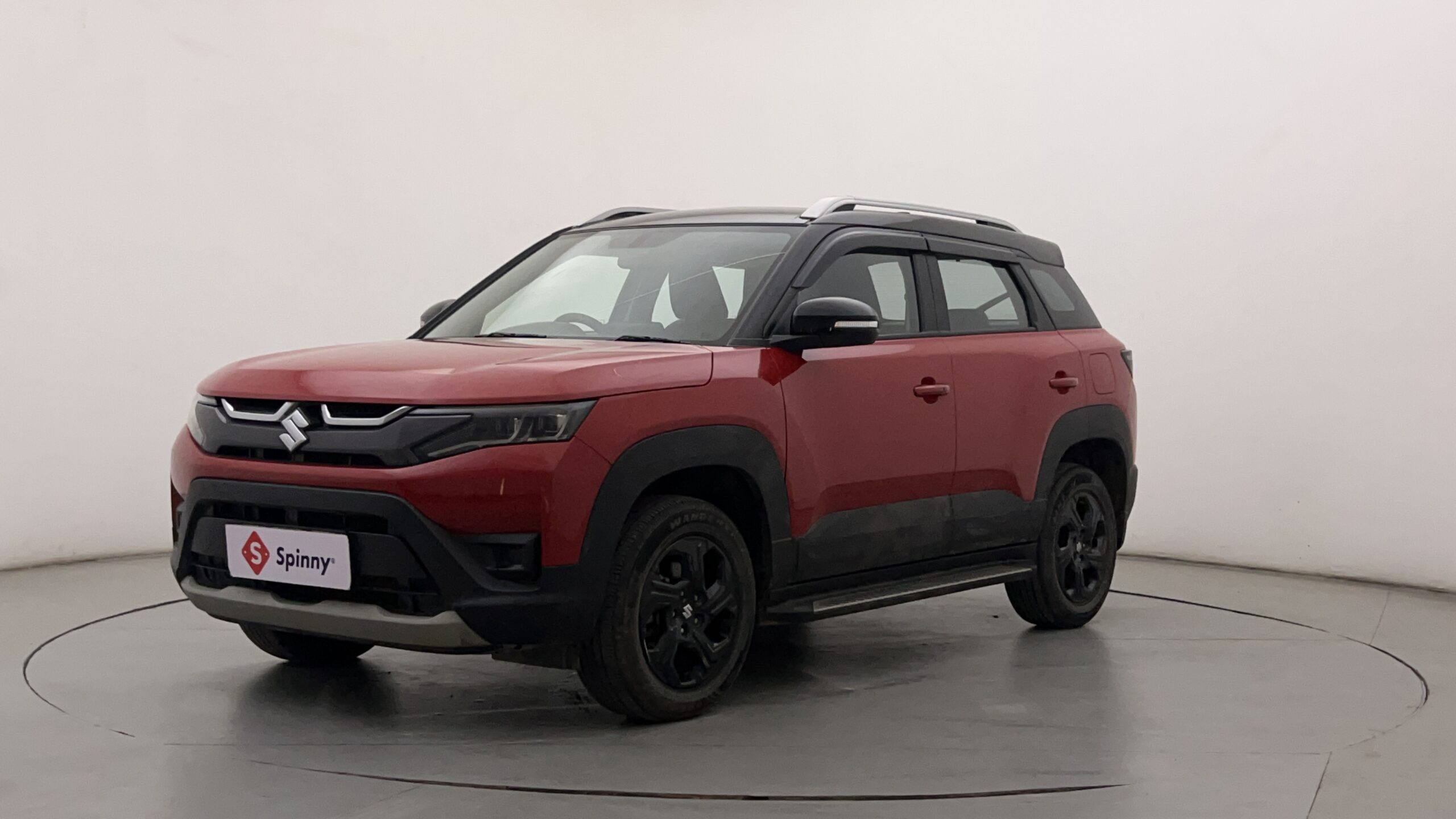
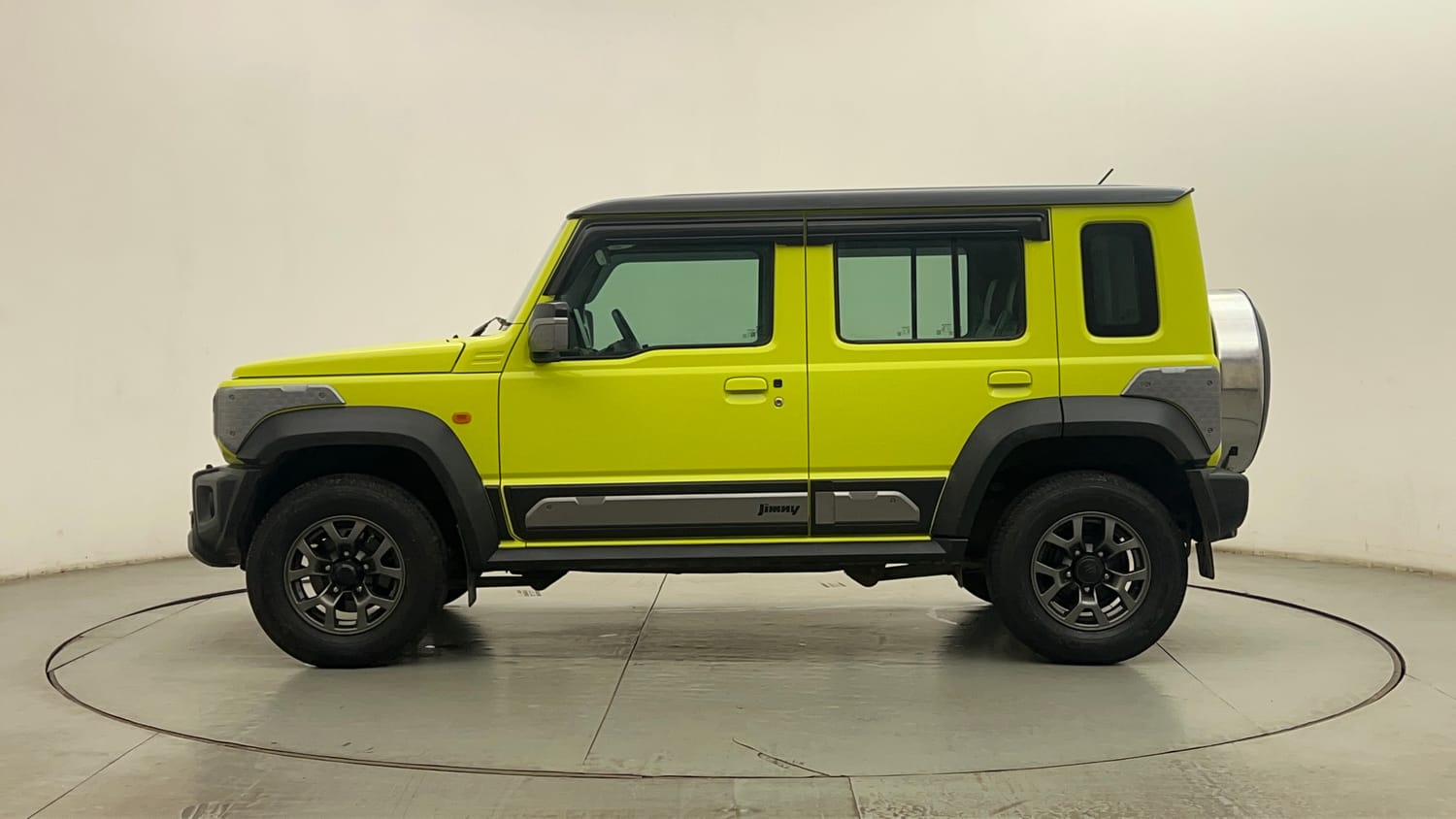



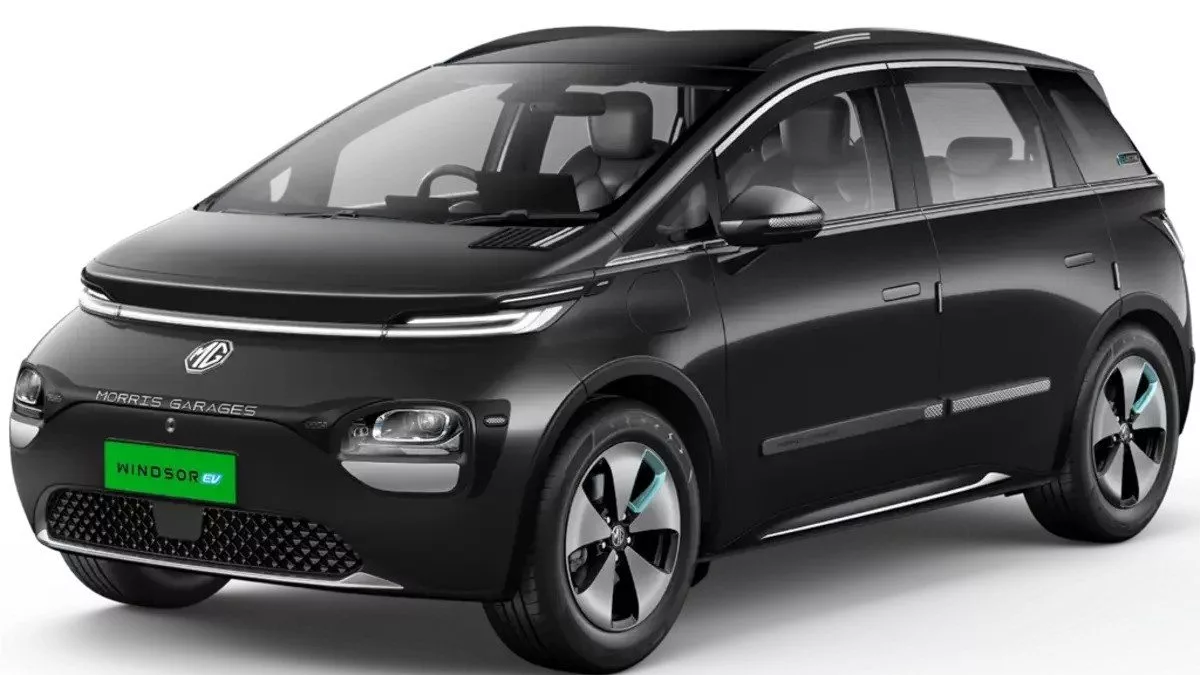
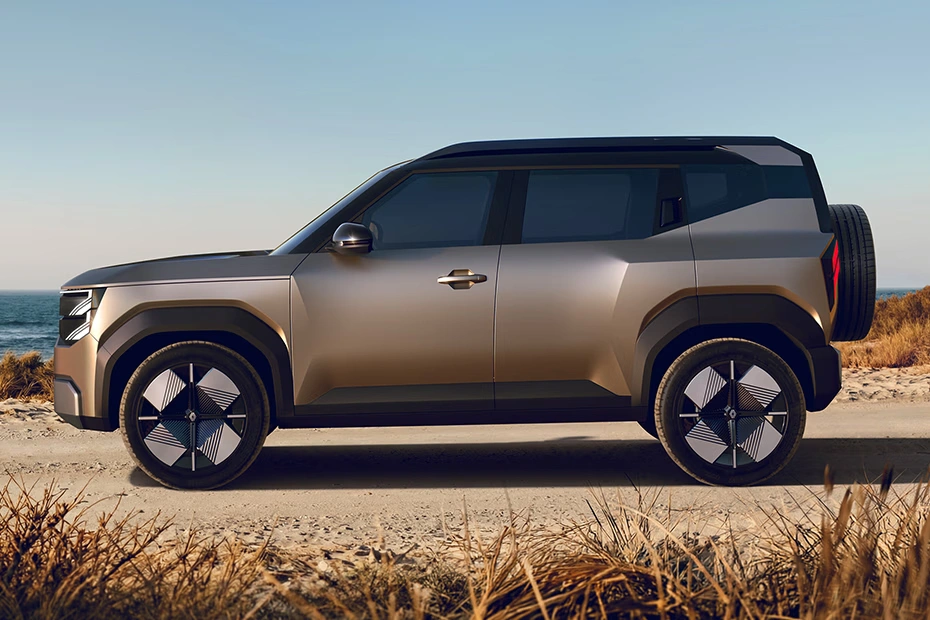
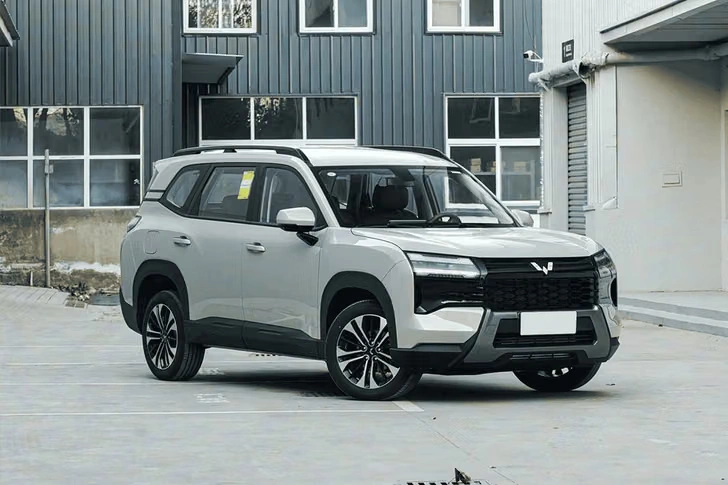
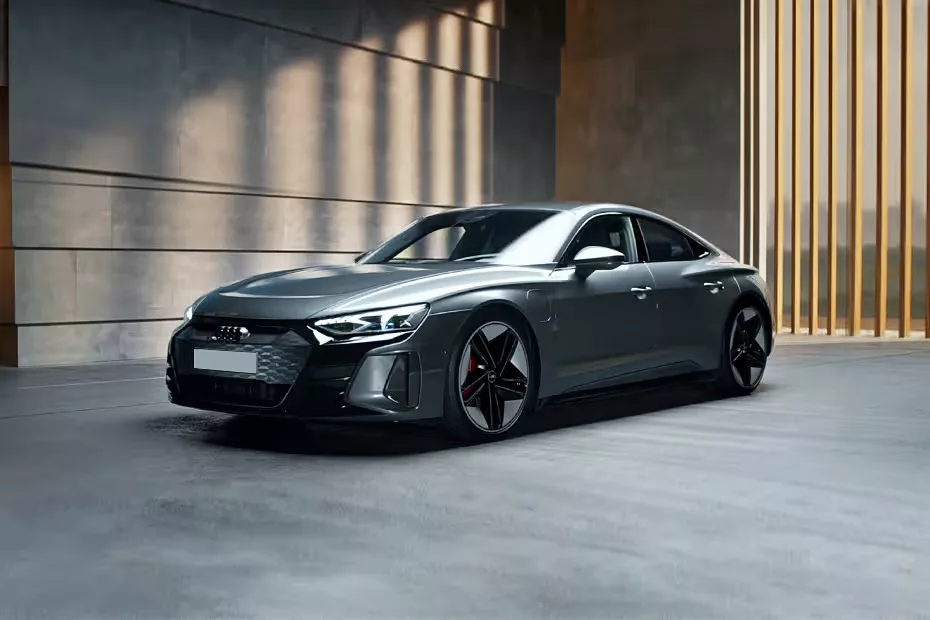
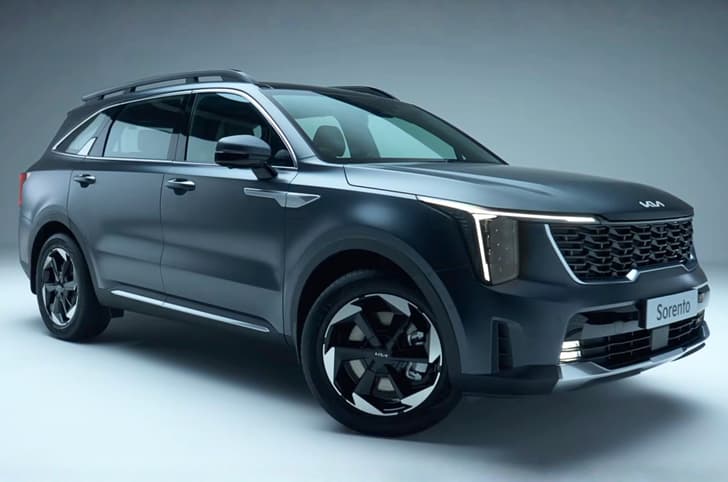
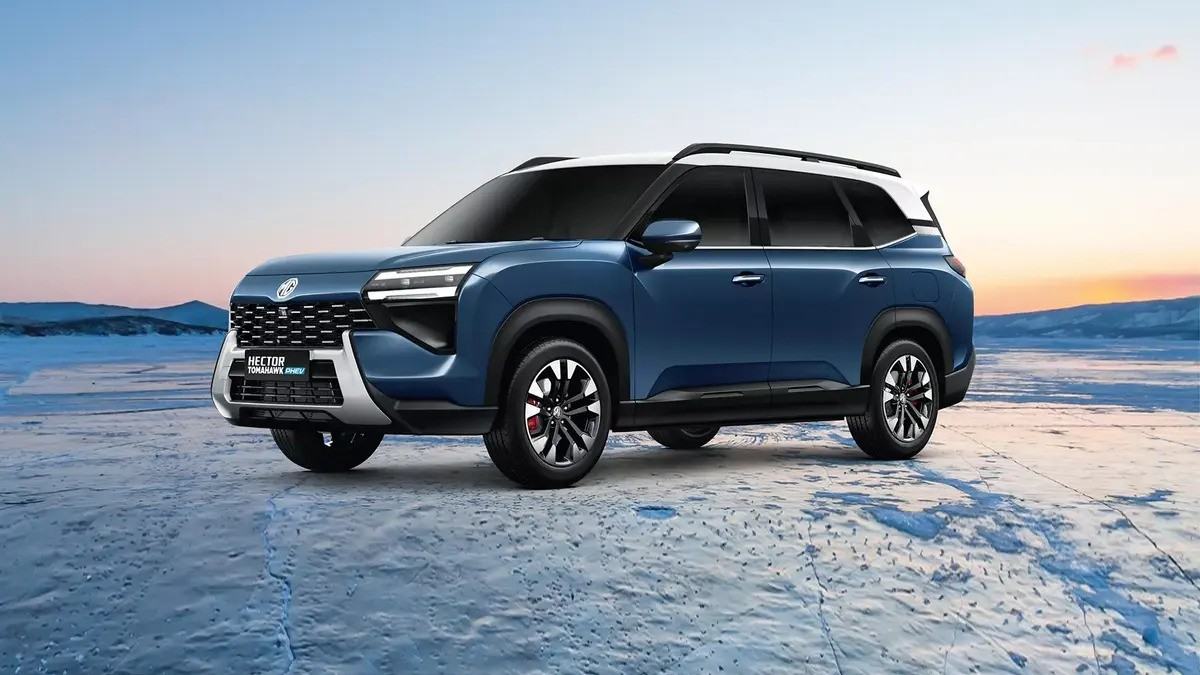
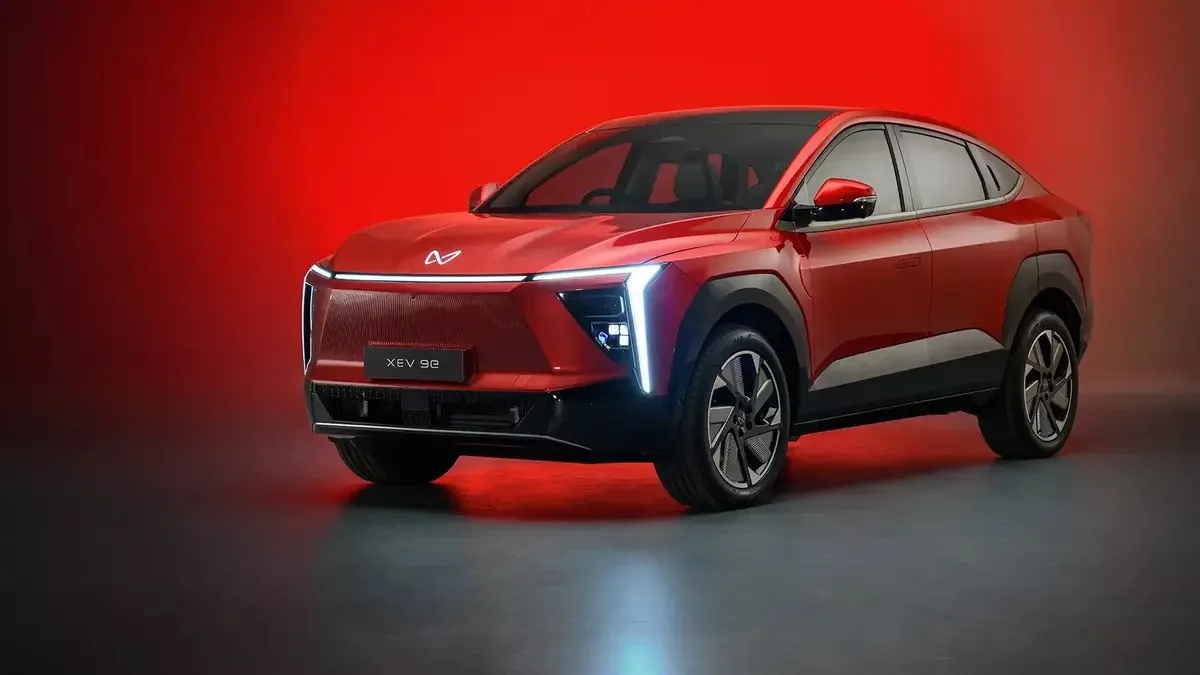
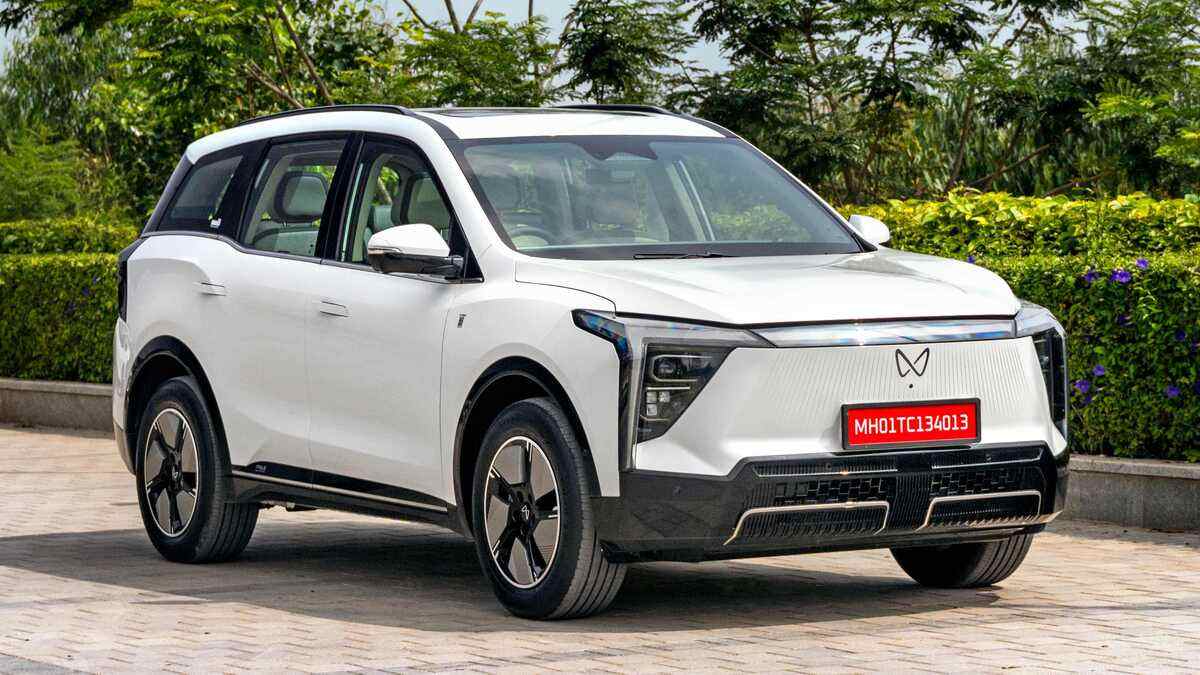

The Indian government plans to reduce the Goods and Services Tax (GST) on small cars (below 1200cc) from 28 percent to 18 percent, Autocar reported. The proposed GST amendments for vehicles would reportedly reclassify them based on engine capacity. This comes after Prime Minister Narendra Modi hinted at GST reforms during his Independence Day speech, though he did not mention any specific sector. Sources suggest that this is a part of an attempt by the government to boost consumption and simplify the tax structure. If approved, the new GST structure is likely to come into effect by Diwali. Here is what the newly proposed GST could mean for car prices.
Proposed Tax Slabs
The current GST rate slabs are 5 percent, 12 percent, 18 percent, and 28 percent; however, some essentials, such as fresh vegetables and milk, are levied at zero GST. Most vehicles fall in the 28 percent category with an additional compensation cess, ranging from 1 percent to 22 percent, depending on the type of vehicle. The tax on small petrol cars is around 29 percent, while for large SUVs, it is around 50 percent. The complexity in this structure has caused many disputes over the years.
Reportedly, the government aims to create a two-tier GST structure, in which there will be a 5 to 18 percent slab and a 40 percent slab for a few products. Automobiles, depending on their engine size, will be placed in these slabs to eliminate disputes arising from the classification.
GST Reform Impact on New Cars
Maruti Suzuki, Hyundai, and Tata Motors may benefit the most.
Three of the best-selling car brands in India, Maruti Suzuki, Hyundai, and Tata, do more than 60 percent of their sales from cars with engines under 1200 cc. In recent years, increased passenger safety equipment and more stringent emission norms have considerably increased the car prices. For example, the most affordable car in India, Maruti Alto K10, is priced at Rs 4.23 – 6.21 lakh (ex-showroom). FYI, GST remains included in the ex-showroom prices of the cars. If it came into effect, the new 18 per cent GST would reduce the car prices, making them more accessible to buyers.
| Model | Starting Ex-showroom Price at Current GST | Starting Ex-showroom Price (approx.) at Proposed GST |
| Maruti Suzuki Alto K10 | Rs 4.23 lakh | Rs 3.89 lakh |
| Hyundai Grand i10 Nios | Rs 5.98 lakh | Rs 5.51 lakh |
| Tata Tiago | Rs 5 lakh | Rs 4.60 lakh |
GST Reform Impact on Used Car Prices
Since used cars or pre-owned cars’ prices usually remain in correspondence with the new car prices, they are also likely to get cheaper, but not much. The GST rate on used or pre-owned cars is 12% of the transaction value if the car is bought from a registered used car dealer. However, this tax is imposed on the dealer’s margin, which is the profit earned on the sale. For example, if a car is purchased for Rs. 5 lakh and sold for Rs. 6 lakh, the GST is calculated on the Rs. 1 lakh profit. So, the used car market is expected to remain unaffected.
FAQs
What is the current GST rate on cars?
Most cars fall in the 28 percent GST category with an additional compensation cess, ranging from 1 percent to 22 percent, depending on the type of vehicle.
Will the cars become cheaper with the new GST reforms?
Small cars or cars with engines under 1200 cc are likely to become cheaper if the new GST comes into effect. The current GST on most cars is 28 percent, and the recently proposed GST rate on small cars or cars with engines under 1200 cc is 18 percent.
What benefit will the new GST do for big SUVs?
Cars with bigger engines that currently face about 50 percent tax: 28 percent GST in addition to 22 percent cess, may be moved to a new 40 percent special rate, with possible extra levies added to keep total tax in the 43-50 percent range.


