





Buying a car is a milestone for most Indian families, and the sedan remains a popular choice thanks to its blend of comfort, style and practicality. From budget-friendly compact sedans ideal for city driving to plush luxury, modern options, sedans serve every budget and lifestyle. Yet with dozens of models on sale and many marketing claims to sift through, making the right decision can feel overwhelming.
This guide walks you through everything you should know before signing on the dotted line: what defines a sedan, the dimensions to expect, the key sub-segments in India, and the practical factors that matter in day-to-day ownership. Read on to take the guesswork out of your purchase and find the sedan that truly fits your needs.
What is a Sedan?
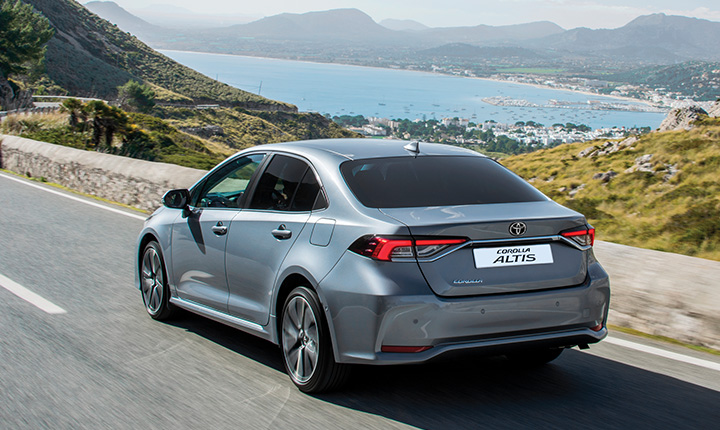
A sedan is a passenger car built around the classic three-box layout:
- Engine bay at the front
- Passenger cabin in the middle
- Boot (luggage compartment) at the rear
This separation keeps noise and heat from the engine away from occupants and gives the car its sleek, elongated shape. Most sedans seat four to five adults and have a fixed roof supported by a central B-pillar, which can help make the car more structurally rigid than many hatchbacks.
Why does the design still matter in India?
- High-speed stability: The low stance and streamlined shape of a sedan keep it stable at higher speeds, ideal for expressways like Mumbai–Pune or Delhi–Agra, where tall SUVs can feel floaty.
- Boot practicality: A separate boot (380–525 L) easily fits airport bags, wedding luggage, or weekly groceries. No need to cram bags into the cabin like in smaller hatchbacks.
- Passenger comfort: With a longer wheelbase and reclined rear seats, sedans offer a smoother ride, whether you’re in a Honda Amaze heading to Coorg or relaxing in a Camry on the Yamuna Expressway.
Dimensions of a Sedan
While every model is different, Indian-market sedans usually fall within these ranges:
| Dimensions | Compact | Mid-size | Luxury |
| Length | 3,945 – 3,995 mm | 4,450 – 4,610 mm | 4,650 mm + |
| Width | 1,695 – 1,735 mm | 1,730 – 1,780 mm | 1,800 mm + |
| Height | 1,490 – 1,525 mm | 1,480 – 1,500 mm | 1,460 – 1,505 mm |
| Wheel-base | 2,450 mm (approx.) | 2,600 mm | 2,700 mm + |
| Boot space | 378 – 400 L | 480 – 506 L | 500 – 525 L |
Key Take-Away: The jump from compact to mid-size sedans brings a noticeable increase in rear-seat knee-room and boot depth. Something to consider if you frequently travel with family or luggage.
Types of Sedans
Sedans come in various sizes and styles to suit different needs – whether it’s city driving, family use, or premium comfort. Below are the main types of sedans, each offering a unique balance of space, performance, and price:
Compact Sedans

(Examples: Maruti Suzuki Dzire, Hyundai Aura, Honda Amaze, Tata Tigor)
Compact sedans stay below the four-metre mark to qualify for the lowest GST slab, keeping purchase prices attractive. Engines are typically 1.2-litre petrol (or factory CNG), tuned for economy over outright power.
Typical buyer: First-time car owners, nuclear families in metros, ride-share fleet operators.
At a glance
- Powertrain: 1.2 L petrol (82–90 bhp); AMT or 5-speed manual
- Mileage: 20–24 km/l (petrol), 30+ km/kg (CNG)
- Boot: ~380 L—handles two medium suitcases plus soft bags
Why buy?
- Cheapest route into a three-box car
- Light steering and tight turning circle suit Indian traffic
- Running costs on par with premium hatchbacks
Watch out for: Limited rear shoulder-room and modest highway overtaking power.
Mid-Size Sedans

(Examples: Honda City, Hyundai Verna, Skoda Slavia, VW Virtus, Maruti Ciaz)
Often called the “C-segment”, mid-size sedans add genuine rear-seat space and premium equipment such as touchscreens, six airbags, sunroofs, without a luxury-car price tag. Newer models now offer turbo-petrol engines and optional hybrids.
Typical buyer: Families upgrading from a hatchback, inter-city commuters, chauffeur-driven professionals.
At a glance
- Powertrain: 1.5 L petrol (113–121 bhp) / turbo (148 bhp) / strong hybrid (124 bhp combined)
- Mileage: 17–21 km/l (petrol), 26–27 km/l (hybrid)
- Boot: 480–506 L—enough for three large suitcases
Why buy?
- Excellent highway composure; safe at 100 kph+
- Cabin tech rivals compact SUVs (ADAS in Verna and City e:HEV)
- Solid resale for popular brands
Watch out for: Higher insurance and tyre replacement costs than compacts. Longer length needs a bigger parking spot.
Luxury Sedans

(Examples: Toyota Camry Hybrid, Skoda Superb, BMW 3 Series, Audi A4)
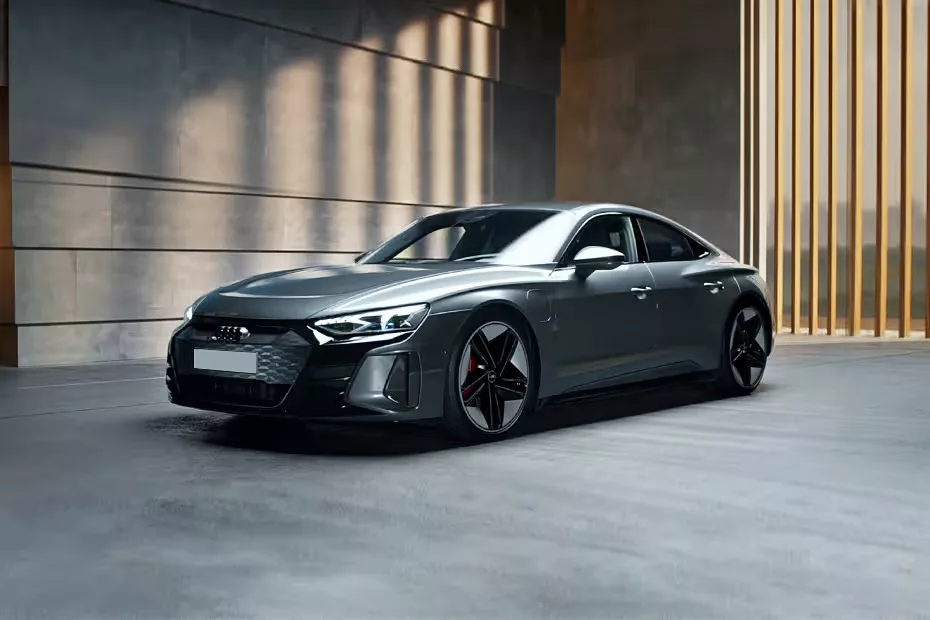
Luxury sedans deliver limousine-like rear comfort, plush ride quality, and advanced infotainment and safety tech. The pricing typically starts where mid-size sedans end and goes up to premium territory.
Typical buyer: Senior executives, business owners, frequent highway travellers who prefer self-drive or chauffeur comfort.
At a glance:
- Powertrain: 1.5 L turbo-petrol to 2.5 L hybrid (175–218 bhp)
- Mileage: 12–18 km/l (petrol), 22–25 km/l (hybrid Camry)
- Boot: 500–625 L—can manage golf sets or four suitcases with ease
Why buy?
- Road presence and premium interiors rival entry-luxury cars
- Advanced safety kit: 8+ airbags, lane-keep assist, adaptive cruise
- Best for long drives
Watch out for: High service bills (synthetic oil, pricey tyres); requires premium fuel or hybrid-specific care.
Performance-oriented Sedans
(Examples: BMW M340i xDrive, Audi S5 Sportback, Skoda Octavia RS)
Though a niche, these four-door cars blend practicality with sports-car acceleration. While more relevant to enthusiasts in Tier-1 cities, they highlight how broad the Indian sedan market has become.
Typical buyer: Driving enthusiasts, second-car households, corporate executives seeking weekend fun.
At a glance
- Powertrain: 2.0 L – 3.0 L turbo engines (250–380 bhp)
- Mileage: 8–12 km/l (petrol)
- Boot: 450 L + (fastback body on S5 adds versatility)
Why buy?
- 0–100 km/h in 4–6 seconds. Thrills without compromising four-seat comfort
- Adaptive dampers allow city-friendly ride in Comfort mode
- Premium service experience via luxury-brand dealerships
Watch out for: Super-premium insurance, high octane-fuel needs and expensive brake/tyre wear.
Factors to Consider When Choosing a Sedan — Expanded, India-Specific Guide
1. Cost of Ownership
When you outline your budget, add five cost buckets: purchase, fuel, service, wear-and-tear, and depreciation.
| Segment | Typical on-road price* | Fuel ₹/km (city) | Annual service | 5-yr tyres + brakes | 5-yr resale |
| Compact (Dzire) | ₹7.7 – 9 lakh | ₹5-6 (petrol), ₹2.8 (CNG) | ₹6k | ₹28k | 55% |
| Mid-size (City) | ₹12 – 17 lakh | ₹5-6 (petrol), ₹3.9 (hybrid) | ₹8-10k | ₹40k | 50% |
| Executive (Camry) | ₹48 – 50 lakh | ₹5.5-6 (hybrid) | ₹15-18k | ₹75k | 45% |
Add up each column i.e. price, fuel, service, tyres, depreciation, and you’ll know exactly what the car will cost you every single month.
Quick check: Add EMI + monthly fuel + ₹1,000 (misc.), this is your real monthly expense.
2. Essential Features in a Sedan
Features are what turn a bare-bones commute into a stress-free drive, so it helps to separate the genuine must-haves from the nice-to-haves before you pick a variant.
- Safety staples: Dual airbags, ABS-EBD, rear parking sensors (mandatory).
- Smart safety: Six airbags, ESC, ISOFIX (Verna SX(O), City ZX, Slavia Style).
- Daily must-haves:
- 7-inch+ touchscreen with Android Auto/Apple CarPlay
- Steering audio controls (keeps eyes on road)
- Automatic climate control (beats Delhi summers)
- Worth the stretch: Sunroof for ventilation, ventilated seats in tropical heat, factory LED headlamps for night highways.
If the car checks your safety “must” list and at least a couple of comfort “nice” items, you won’t feel the itch to upgrade features a year down the line.
3. Practicality and Space of a Sedan
A sedan’s true charm shows once you load people and luggage; focus on cabin room, boot design, and day-to-day manoeuvrability to see if it suits your routine.
- Cabin comfort: Check rear kneeroom with the tallest family member—Amaze is adequate, City offers limo-like space.
- Boot shape: Flat floor and squared-off opening (Virtus) swallow suitcases; CNG Dzire loses ~120 L to the cylinder.
- Ground-clearance reality: 170 mm listed ≈ 150 mm loaded. Test-drive over your local speed-breaker with four adults.
- Ride quality: Compact sedans feel firm on potholes; executive sedans use multi-link suspension for a cushioned glide on NH48.
When the rear seat feels relaxed and the boot shuts over your biggest suitcase with room to spare, you’ve found a sedan that will stay practical through family milestones.
4. Resale Value of a Sedan
Five years from now, a strong resale figure can shave lakhs off your real cost, so, it pays to know which sedan buyers still chase in the pre-owned market.
- Maruti Dzire, Honda City, Hyundai Verna routinely fetch 50-60% after five years.
- Petrol and hybrids hold value better than small-diesels in NCR (10-yr diesel cap).
- Keep all service invoices, avoid aftermarket body kits, and stick to popular colours (white, silver) to protect value.
Choose a widely trusted model, service it on schedule, and you’re likely to recover 50% or more of today’s price when it’s time to upgrade.
5. Financing of a Sedan
Because most of us swipe a loan to buy our cars, the financing terms you lock in today decide whether monthly ownership feels comfortable or crushing.
- Down-payment: 15-20% reduces EMI shock and interest load.
- Rate shop: PSU banks around 8.5%, private banks 9-10%, captive finance sometimes 0.2% higher but faster approval.
- Tenure sweet-spot: 60 months – long enough for comfort, short enough to avoid negative equity.
- Special plans: Balloon (lower EMI, big last instalment) or step-up (EMI rises with salary) suit young professionals.
If the EMI stays within 15% of household take-home and the tenure doesn’t outlast your enthusiasm for the car, you’ve nailed a sustainable loan.
6. Insurance of a Sedan
Insurance looks like paperwork on delivery day, yet it’s the safety net that keeps a bad moment from becoming a financial nightmare. So pick the cover, not just the cheapest quote.
- Cover types: Third-party (legal minimum) vs comprehensive (strongly recommended).
- Add-ons that pay off in India:
- Zero-Depreciation: Saves 30-40% parts cost per claim
- Engine Protect: Worth it if you live in flood-prone Mumbai/Chennai
- Return-to-Invoice: Good for new cars in theft-prone NCR.
- Premium factors: Car’s IDV, city risk rating, engine capacity, claim history. Retain NCB by skipping minor claims (<₹5 k).
A comprehensive policy with the right add-ons and disciplined renewals, saves more rupees in the long run than a rock-bottom premium ever will.
Rule of thumb: Choose the sedan that ticks your must-have features, keeps monthly all-in cost (fuel + EMI + insurance + service) within 15% of household income, and comes from a brand with service support in your city.
In Conclusion
From city‑friendly compact sedans to plush luxury sedans, the Indian market has a sedan for every wallet and need. Pick a sub‑4‑metre sedan model if affordability and fuel savings top your list; move up to a mid‑size sedan for extra cabin and boot space; choose a luxury sedan for limousine‑like comfort; or opt for a performance version if driving thrills matter most. Whichever way you go, balance total ownership cost, essential safety features, real passenger space, and long‑term resale before booking. A carefully chosen sedan will reward you with a smooth ride, lower running bills than most SUVs, and boot space big enough for every family trip.
FAQs
Are sedans suitable for Indian speed-breakers?
Most modern sedans have 165-170 mm ground clearance—adequate for city bumps if you cross slowly and avoid overloading.
Which fuel type makes the most sense for 1,500 km monthly driving?
A diesel or strong-hybrid sedan will deliver lower rupee-per-km costs than a petrol model at that usage level.
Can I fit a child seat comfortably in a compact sedan?
Yes, models like Dzire and Aura offer ISOFIX mounts in higher trims, but rear shoulder-room is tighter than mid-size cars.
Do sedans depreciate faster than SUVs?
Current market trends show compact SUVs holding value slightly better, yet popular sedans like Honda City still command strong resale due to brand trust.
Is it worth paying extra for a turbo-petrol engine?
If you enjoy spirited driving and often carry highway speeds, the added torque and smoother overtakes of a turbo engine justify the premium; for pure city commuting, a naturally-aspirated 1.2/1.5 L engine is adequate.