



Looking for highway driving rules in India?
Driving on a highway is a significantly different experience compared to driving through cities or remote areas. With increased speed, longer distances, varying road conditions, and varying styles of other vehicles, each driver in India must be familiar with the city’s laws for driving on the highway.
Whether you are a daily driver, a long-distance traveller, or a person just driving on the highway for the first time, the highway relevant rules are an important aspect of driving to keep all experiences safe and smooth.
Let’s find out everything you need to know, including the types of highways, speed limits, lane discipline, highway signs, highway toll rules, what to do in an emergency situation, and penalties.
Why Highway Driving is Different in India
Highways of India link the significant metropolitan cities and states of India, often spanning hundreds of kilometres in length. Unlike urban roads filled with moving and parked vehicles and with pedestrians weaving among them, highways allow for faster speeds but also need to deal with other challenges, including:
- Diverse vehicle types (trucks, buses, cars, two-wheelers)
- Varying road conditions (potholes, narrow patches, construction zones)
- Sudden weather changes (fog, rain)
- Long stretches without services or rest stops
- Presence of animals or pedestrians crossing unexpectedly in rural areas
Due to these factors, it is crucial to adhere to specific rules while driving on highways in India to prevent accidents and legal issues.
In addition, highways in India have drivers of all types, professional truckers and individuals across a variety of reasons, and in the less developed stretches of the highway sometimes pedestrians or animals cross the road, which requires patience, awareness, and the ability to follow rules so a collective effort by all road users can keep the road safe and in harmony.
Types of Highways in India: Understanding Your Road
Before hitting the road, it helps to know the types of highways you may encounter:
- National Highways (NH): These are the important and significant roads that connect prominent cities and states. These roads are maintained by the National Highways Authority of India (NHAI), and typical national highways feature 2 to 4 lanes (more lanes for motorways) and allow for more rapid travel. The country of India boasts over 150,000 km of National Highways.
- Expressways: These highways with controlled access are designed for fast-moving traffic, usually multiple lanes, no intersections, and toll plazas. Examples of expressways are the Delhi-Gurgaon Expressway and the Mumbai-Pune Expressway. Expressways have better surface roads, pavement markings, road signs, safety barriers and increased speeds of 120 km/h.
- State Highways: Managed by individual states, these roads connect districts within states and are often narrower and less maintained than NH.
Each type has slightly different rules, especially about speed limits and tolls, but the basic highway driving principles apply throughout.
Why Knowing the Highway Type Matters
Knowing whether you are travelling on an expressway (or ‘highway’), national highway (or ‘arterial’), or state highway (or ‘local’ highway) allows you to be confident in road conditions, traffic density, and speed limits. For instance, expressways limit slower-moving vehicles and disallow lane switching, and state highways can require extra caution due to width limitations when travelling in mixed traffic conditions.
Pre-Drive Essentials: Preparing for the Highway
Before you start your journey on any highway in India, keep these in mind:
- Vehicle Check: Check your tyres for enough tread, brakes functioning well, all headlights and indicators working, and windshield wipers are functioning for proper visibility. As part of a pre-trip check, check to make sure you have enough fluid levels (engine oil, coolant, and brake fluid).
- Documentation: Make sure you have a valid driving license, registration certificate (RC), insurance papers and pollution under control (PUC) certificate. These documents have to be current and in date.
- Route Planning: Use a GPS navigation app to plan your route and check fuel stations, rest stops, as well as emergency contact numbers along the way.
- Pack Essentials: Carry water, snack food, a first aid kit, basic tools and a phone charger. If you are taking a long highway journey, it can be helpful to have these provisions for comfort as well as for emergencies.
- Mental Readiness: Don’t drive when you are fatigued, anxious, or intoxicated. Be calm and aware!
Speed Limits on Indian Highways: What’s Legal and Safe?
Speed limits are a crucial part of highway driving rules in India and vary depending on the type of vehicle and road:
| Vehicle Type | National Highways Speed Limit (km/h) | Expressways Speed Limit (km/h) |
| Light Motor Vehicles | 80-100 | 100-120 |
| Heavy Vehicles (trucks, buses) | 55-65 | 70-80 |
| Two-wheelers | 50-80 | 80-100 |
Why Speed Limits Matter
These limits are set by the Indian government based on road construction, the ability of the vehicles and safety considerations. Exceeding speed limits will decrease a driver’s reaction time and the severity of accidents. The Ministry of Road Transport and Highways regularly issues up-to-date speed limit guidelines, so stay current.
Safe Driving Speeds
Even if speed limits allow higher speeds, adjust your speed based on conditions:
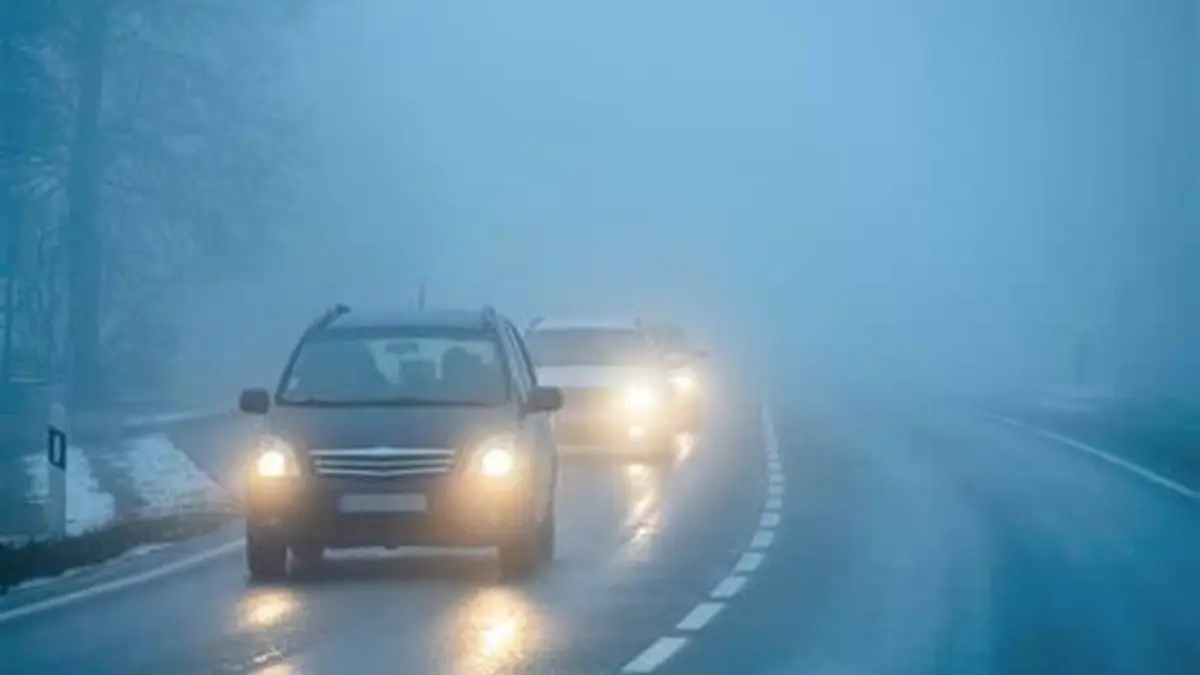
- During heavy rain or fog, reduce speed drastically.
- On poorly maintained or under-construction stretches, slow down.
- If you are unfamiliar with the road, drive cautiously.
Lane Discipline & Overtaking Rules
Lane discipline on Indian highways can sometimes be chaotic, but it is essential for safe driving:
- Drive in the Left Lane: Always keep to the left unless overtaking.
- Use the Right Lane Only for Overtaking: After overtaking, return to the left lane promptly.
- No Zig-Zag Driving: Avoid sudden lane changes without signalling.
- Overtaking Rules:
- Overtake from the right side wherever possible.
- Use indicators to signal your intention.
- Never overtake from the left on a two-lane highway.
- Be patient and only overtake if the road ahead is clear.
Common Mistakes
- Many drivers ignore lane discipline, weaving between lanes unpredictably.
- Overtaking from the wrong side, especially on two-lane roads, is dangerous and often leads to accidents.
- Tailgating reduces reaction time and increases crash risk.
Important Signage & Symbols You Should Know
Indian highways use standardised signs to guide drivers. Knowing these can prevent accidents and violations:
- Speed Limit Signs: Circular with a red border showing max speed.
- No Overtaking: Circular sign with two cars, one red (indicating no overtaking).
- Divided Highway: Shows if the highway is divided by a median.
- Sharp Turn Ahead: Warning triangle with a curved arrow.
- Pedestrian Crossing: Indicating pedestrian zones or village crossings.
- Animal Crossing: Warning of livestock or wild animals nearby.
- Rest Area / Fuel Station: Signs showing availability of services ahead.
- Toll Plaza Ahead: Warning to prepare for toll payments.
Understanding Road Markings
Apart from signs, road markings provide essential information:
- Solid White Line: No lane change or overtaking.
- Broken White Line: Lane change and overtaking permitted with caution.
- Yellow Line: Usually indicates no overtaking in both directions.
Toll Booth Etiquette & Fastag Rules
Most national highways and expressways in India have toll booths to collect fees for road maintenance. Here’s what you need to know:
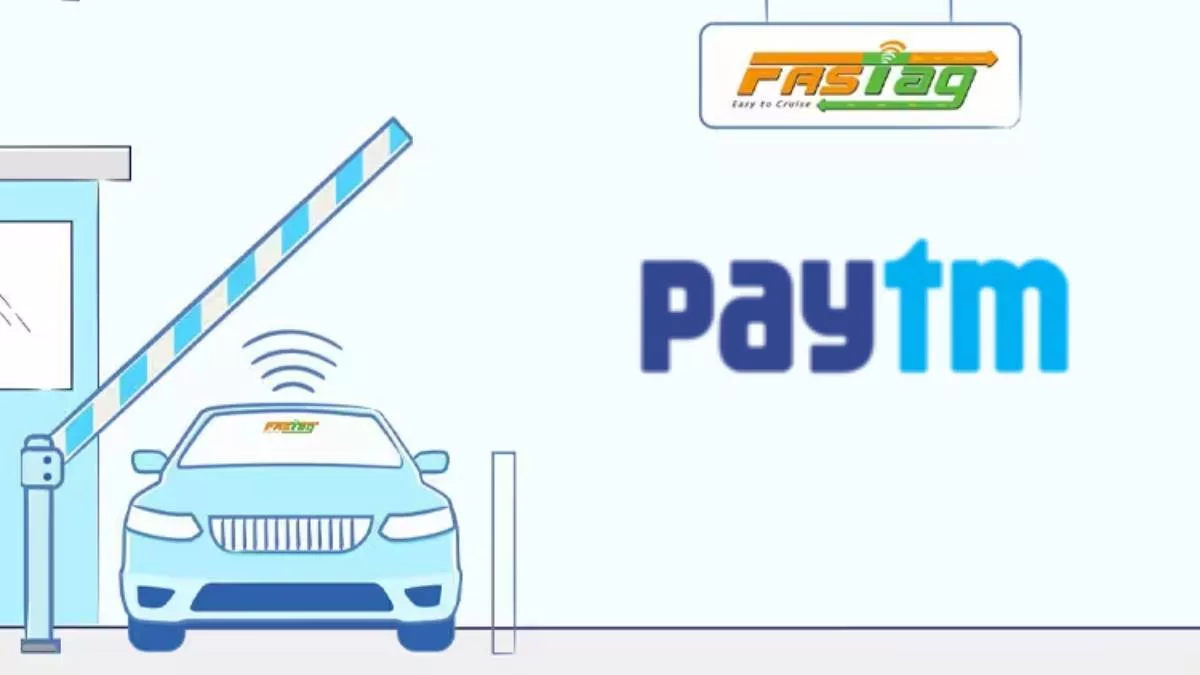
- Fastag is Mandatory: Fastag, a tag with RFID technology, allows for electronic toll collection. The government has made it mandatory. Cars without a FASTag have to pay twice the normal toll.
- As You Approach The Toll Booth: As you approach the toll plaza, start to slow down. Stay between the lines, please!
- Lane Markings: Use the Fastag lanes if you have a Fastag; if not, you must use the manual cash lanes.
- Don’t Stop: Only stop at the toll counter or sensor and then move forward when the barrier raises.
- Don’t Cut The Queue: Respect other vehicles and your turn in line.
Benefits of FASTag
Fastag has an impact on traffic flow, easing congestion and simplifying toll processing on highways. To steer clear of fines, make sure your FASTag account is up and running with enough money in it.
Night Driving Safety on Highways
Night driving on Indian highways requires extra caution because of:
- Reduced visibility
- Fatigue risk
- Presence of unlit vehicles or pedestrians
Safety Tips for Night Driving
- Use low-beam headlights when driving behind other vehicles to avoid glare.
- Use high beams on empty stretches but switch to low beams when an oncoming vehicle approaches.
- Keep a safe speed and watch out for stray animals or pedestrians.
- Avoid overtaking at night unless necessary.
- Take regular breaks if driving long distances to avoid drowsiness.
Case Study
Statistics of the National Crime Records Bureau indicate that more than 40 per cent of road traffic accident deaths occurred at night on highways due to low light conditions and fatigue of the driver. And oftentimes, being alert and moving at the right speed can be the dividing line between only a little excitement in a safe night on the road and a night on the highway that’s anything but safe and could end in tragedy.
Handling Emergencies on the Highway
Emergencies can happen anytime. Here’s what you should do:
- Vehicle Breakdown:
- Pull over safely to the shoulder or emergency lane.
- Switch on hazard lights and place a reflective triangle behind your vehicle.
- Call for roadside assistance or the highway patrol.
- Accidents:
- Stop safely and assist if possible.
- Inform the nearest police station and emergency services immediately.
- Medical Emergency:
- Call emergency numbers (108 in India).
- Stop in a safe place to assist or seek help.
Emergency Contact Numbers
- Police: 112 (all-in-one emergency helpline)
- Ambulance: 108
- Fire: 101
Penalties for Violating Highway Driving Rules
Indian traffic laws have become stricter to improve road safety. Common violations and penalties on highways include:
| Violation | Penalty/Fine |
| Over-speeding | ₹1,000 – ₹2,000 depending on severity |
| Dangerous overtaking | ₹1,000 – ₹5,000 + possible license suspension |
| Not wearing a seatbelt | ₹1,000 |
| Using a mobile while driving | ₹1,000 |
| Driving without a license | ₹5,000 |
| Driving under the influence (DUI) | ₹10,000 + imprisonment possible |
| Jumping toll without Fastag | Double toll charges + fine |
Strict adherence to rules not only avoids fines but, more importantly, protects lives.
Golden Tips for Highway Driving in India
- Stay Aware: Be cautious when trucks change lanes abruptly or slower vehicles on the fast lanes accidentally.
- Stay Back: Keep at least a two-second gap between you and the vehicle you’re following.
- Don’t Impair Your Reactions: Don’t use your mobile phone.
- Use Turn Signals Early: Use turn signals at least three seconds before turning or changing lanes.
- Don’t Follow Too Closely: This can lead to rear-end collisions.
- Be Understanding of Slower Vehicles: Make sure you overtake slower vehicles safely and patiently.
- Rest When Required: Get out of the vehicle every two to three hours.
- Follow the Directions of the Traffic Police: At tolls, checkpoints, or roadblocks.
Common Highway Driving Mistakes and Real-life Cases
Mistake 1 – Lane indiscipline
Case: Reported in 2019, lots of accidents were reported on the Mumbai-Pune expressway, of vehicles driving on the wrong lane and reckless overtaking.
Mistake 2 – Speeding in construction areas
Case: A terrible pile-up took place on the Delhi-Agra Highway, due to speeding through a construction area, killing at least one person in 2021.
Mistake 3 – Not Having Fastag
Case: Hundreds of vehicles did not have the FASTag, got heavily fined, totalled huge delays, and resulted in traffic in the toll plaza area.
Mistake 4 – Using Mobile Phones while driving
Case: The first reason in a 2023 Continents of Highway Study indicated that distracted driving (especially using mobile phones) accounted for 15% of all highway crashes in India.
Environmental Responsibility While Driving on Highways
An often overlooked aspect of highway driving is minimising environmental impact.
- Avoid unnecessary idling, especially at tolls or stops.
- Maintain your vehicle regularly to reduce emissions.
- Don’t litter on highways; use designated bins at rest stops.
- Drive smoothly to improve fuel efficiency.
Tips for Driving in Bad Weather Conditions
Monsoons, fog, and dust storms are common in many parts of India. Driving during these conditions demands extra care.
- Slow down significantly and increase following distance.
- Use fog lamps and low beams in fog.
- Avoid sudden braking; apply brakes gently.
- If visibility is near zero, consider stopping at a safe spot until conditions improve.
Summary
Indian highways provide excitement, chances for growth, and new experiences. These opportunities demand respect, patience, and vigilance. Following traffic laws isn’t just about staying legal; it also keeps you and other drivers safe.
Before you hit the road, remember to stick to speed limits, stay in your lane, use your turn signals, follow toll booth rules, and be prepared for unexpected situations. Your smart, safe driving contributes to a better culture of the road for everyone.
FAQs About Highway Driving Rules in India
Q. What are the speed limits on highways in India?
Ans: Speed limits vary by vehicle and highway type. For light motor vehicles, it’s usually 80-100 km/h on National Highways and 100-120 km/h on Expressways. Always follow posted signs and adjust speed based on conditions.
Q. Is Fastag mandatory on all highways in India?
Ans: Yes, FASTag is mandatory for toll payments on National Highways and Expressways. Vehicles without FASTag must pay double the toll and may face fines.
Q. Can two-wheelers travel on Indian expressways?
Ans: Not always. Many expressways restrict two-wheelers for safety reasons due to high-speed traffic. Always check signage or local rules before entering.
Q. What documents should I carry while driving on highways in India?
Ans: You must carry a valid driving license, vehicle registration certificate (RC), insurance papers, and a Pollution Under Control (PUC) certificate.
Q. What should I do in case of a breakdown or accident on a highway?
Ans: Move your vehicle to the side safely, turn on hazard lights, place a reflective warning triangle, and call roadside assistance or highway patrol/emergency services like 108 or 112.


