Japanese automobile brands have established themselves in India based on their sophisticated engineering, safety, and reliable performance. With a customer base teeming in millions, Japanese car brands offer sheer reliability, luxury, and affordability.

This guide discusses why Japanese cars remain so favoured, lists the top Japanese auto brands in India, their best models, compares prices and discusses their increasing electric vehicle presence in the Indian market.
Read on!
Why Japanese Car Brands are Popular in India?
Here are some of the driving factors behind the popularity of Japanese car companies in India:
- Unrivalled Dependability and Service Life
Japanese car brands are internationally recognised for crafting vehicles known for their remarkable durability and dependability. Be it a hatchback or a premium SUV, Indian consumers rely on their engines to run smoothly for years with minimal failures.
- Innovative Technologies and Low Fuel Consumption
Japanese automobiles take the lead in delivering state-of-the-art technologies, such as hybrid engines and CVT transmissions, that maximise fuel efficiency and minimise emissions. This convergence of technology and efficiency resonates very positively with Indian consumers.
- Models for Every Need
From small city cars to luxury sedans and SUVs, Japanese automobile companies have models for all customer segments. Their capacity to meet diversified needs like city travel, driving in rural areas, or long-distance driving is a major reason behind their success.
- Reliable Service Infrastructure with Accessible Post-Purchase Assistance
Japanese car companies, over the decades, have built huge dealership and service networks throughout India. Reasonably priced spares, quick service, and efficient technicians make car ownership hassle-free.
Top Japanese Car Brands in India
Check out the best Japanese car brands in India in the section below:
- Toyota

Toyota, a joint venture between Toyota Motor Corporation and Kirloskar Group, commenced its operation in the Indian market in 1997. The brand has set up its production unit in Bidadi, Karnataka.
Popular Models
- Toyota Innova Hycross: A spacious, family-sized, premium MPV with strong hybrid technology.
- Toyota Fortuner: A durable, full-sized SUV designed for off-road performance, equipped with a powerful engine
- Toyota Glanza: A hatchback offering impressive fuel economy and a high-quality interior.
EV Options
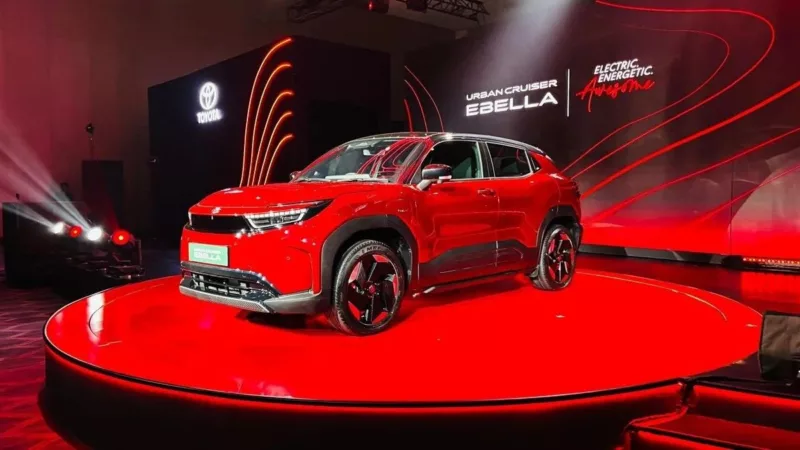
Toyota currently offers hybrids such as the Urban Cruiser Hyryder and Innova Hycross, and is introducing full EVs in the future.
Price Range and Key Features
Prices of Toyota cars start from ₹6.8 lakh for its low-range model Glanza to go up to ₹55 lakh+ for the upper-range variant of Land Cruiser.
Some of the key features of Toyota vehicles are:
- Hybrid engines
- Toyota Safety Sense
- Touchscreen infotainment
- Connected car tech
Retailer and Service Network
Over 360 sales points and 350+ service points in India.
After-Sales Support and Service Coverage
Toyota is widely known for the lowest maintenance charges, durable parts, and quick service turnaround, mainly in metro and tier-2 cities.
- Honda
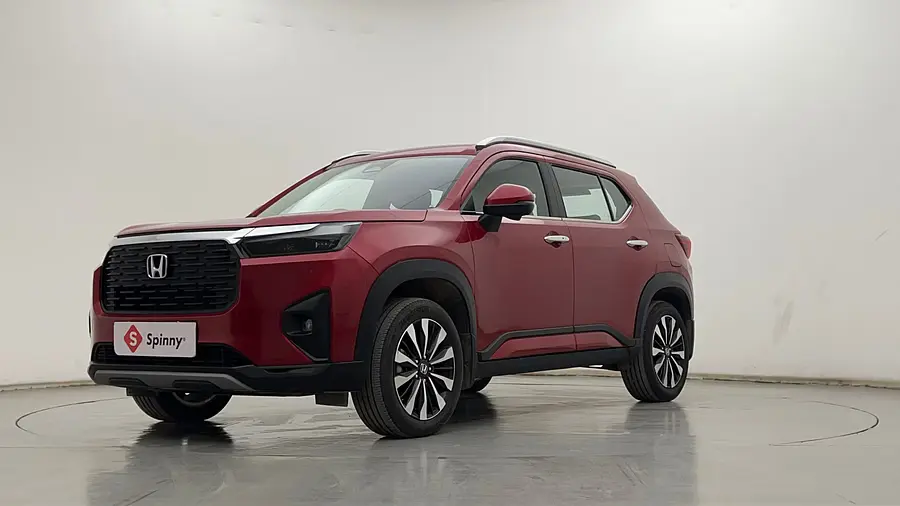
Honda Cars India Ltd. started operations in 1995. It has a huge manufacturing facility in Greater Noida and another one in Tapukara, Rajasthan.
Popular Models
- Honda City: A premium sedan offering a smooth and comfortable driving experience with exceptional ride quality.
- Honda Amaze: A fuel-efficient compact sedan with ample space inside.
- Honda Elevate: An SUV offering a mix of practicality and premium feel targeted at urban buyers.
EV Options
Honda has no full EVs in India yet, but Elevate and City eHEV do have good hybrid alternatives.
Price Range and Key Features
The cost ranges between ₹7.2 lakh for the Amaze and ₹20 lakh for the City Hybrid.
Some of the key features of Honda vehicles are:
- ADAS
- Sunroof
- LaneWatch camera
- Smooth CVT transmission
Retailer and Service Network
There are more than 350 dealerships and 320+ service centres providing extensive countrywide reach.
After-Sales Support and Service Coverage
Honda assures upfront servicing costs, low cost of ownership, and parts availability, particularly in semi-urban and urban markets.
- Suzuki
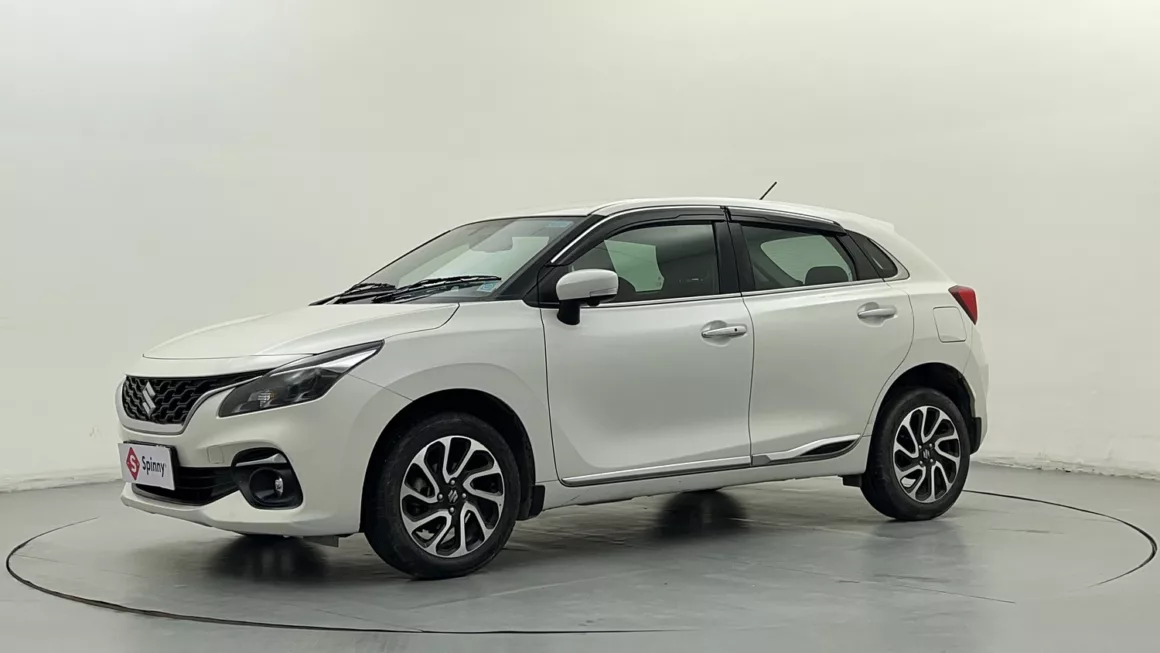
Maruti Suzuki, the Indian joint venture company of Suzuki Motor Corporation and the Government of India, started operations in 1982 and has emerged as India’s largest auto player.
Popular Models
- Maruti Swift: A car that’s admired for both its appearance and fuel efficiency.
- Maruti Baleno: A premium hatchback that boasts the best-in-class features and a great interior.
- Maruti Brezza: An ideal compact SUV for navigating Indian roads.
EV Choices
Suzuki has revealed that it will launch its first EV in India by 2025 with a Gujarat plant.
Price Range and Key Features
Suzuki cars range from ₹4.5 lakh (Alto K10) to ₹14 lakh (Grand Vitara Hybrid).
Some of the key features of Suzuki vehicles are:
- SmartPlay infotainment
- Hybrid variants
- Best-in-segment mileage
Retailer and Service Network
Being the largest network with over 3,500 showrooms and 4,000+ service centres, it is the most convenient brand for service coverage.
After-Sales Support and Service Coverage
Suzuki cars usually have low maintenance costs, low-cost parts, and national coverage, making ownership hassle-free.
- Lexus
The luxury brand Lexus, owned by Toyota, established itself in India in 2017. Different from mass market players, Lexus targets upscale consumers who want sophistication, hybrid tech, and luxury service.
Models of Lexus are imported as CBUs or semi-knockdown kits assembled in India, keeping its focus on hybrid and green luxury.
Popular Models
- Lexus RX: A luxury midsize SUV with an aggressive look and a hybrid drivetrain.
- Lexus NX: High-end SUV in a compact body, with integrated modern tech and luxurious interiors.
- Lexus ES: Luxury executive sedan with smooth hybrid powertrain.
EV Options
Lexus has capable hybrid models in most of its line-ups and will launch EVs like the RZ series in India in the future.
Price Range and Key Features
Prices of Lexus cars start at ₹65 lakh and go all the way to ₹2 crore.
Some of the key features of Lexus cars are:
- Mark Levinson audio systems
- Adaptive cruise control
- Premium leather interiors
Retail and Service Network
Lexus has a limited but premium chain of retail dealers in major metro areas such as Delhi, Mumbai, Hyderabad, and Bengaluru. Every showroom provides an upscale and personalised experience worthy of the brand’s luxury positioning.
After-Sales Support and Service Coverage
Lexus ensures high quality and premium after-sales support with certified technicians, along with original parts, service packages, and doorstep servicing. Even with a limited service network, it offers a very exclusive and efficient ownership experience.
- Nissan

Nissan started its operations in India in 2005 and is jointly manufacturing with Renault in Tamil Nadu. The company has concentrated its manufacturing mainly on SUVs.
Popular Models
- Nissan Magnite: Stylish-looking small SUV with a feature-packed variant list.
- Nissan X-Trail: Fresh-looking mid-size luxury 7-seater hybrid SUV packed with comfort and safety features.
EV Options
Worldwide, Nissan dominates the EV segment with the Leaf, which will be introduced in India shortly.
Price Segment and Key Features
Nissan cars are priced between ₹6 lakh and ₹15 lakh.
Some of the key features of Nissan cars are:
- Turbo engines
- 360-degree camera
- Wireless Apple CarPlay
- Hill start assist
Retailer and Service Network
Nissan has established over 200+ dealership and service networks across the country. It also has an online portal for booking a car or other services, enhancing the customer experience.
After-Sales Support and Service Coverage
Nissan provides assured after-sales support with trained experts, extended warranty, prepaid package services, and 24*7 roadside assistance to enable widespread and convenient service at affordable costs.
Price Comparison Table of Japanese Car Brands in India
Check out the price comparison of the various Japanese auto brands in India below:
| Brand | Entry-Level Model | Starting Price | Flagship Model | Starting Price |
| Toyota | Glanza | ₹6.8 lakh | Land Cruiser | ₹2.1 crore |
| Honda | Amaze | ₹7.2 lakh | City Hybrid | ₹20 lakh |
| Maruti Suzuki | Alto K10 | ₹4.5 lakh | Grand Vitara Hybrid | ₹14 lakh |
| Lexus | NX | ₹65 lakh | LX | ₹2.8 crore |
| Nissan | Magnite | ₹6 lakh | X-Trail | ₹49.92 lakh |
Japanese EV Cars in India
Electric vehicle sales in India are on the rise, reaching 1.99 million units in 2024, reflecting a 27% increase compared to 2023. Japanese automakers are gradually realising this fact:
- Toyota and Honda have already introduced hybrid cars like the Innova Hycross and City eHEV.
- Others like Suzuki and Nissan are going to launch full EVs soon as well.
- Nissan Leaf and Toyota’s bZ series are reportedly going to enter India very soon.
These corporations are collaborating with Indian corporations and German OEMs to enhance EV charging products and infrastructure under the Prime Minister’s E-DRIVE scheme, which promises $1.9 billion for EV incentives and promotion.
Additionally, the Indian EV market will expand at a 45.5% CAGR until 2030 with a target of 16 million annual sales. Japanese auto brands are set to become the most prominent EV players in India with robust roadmaps.
Pros and Cons of Owning a Japanese Car in India
Pros
- Reliability and Longevity: Japanese car brands design engines which are known for their reliability, longevity, efficiency and smoothness.
- Fuel Economy: The cars of most Japanese companies have great mileage, perfect for Indian road conditions.
- Excellent Resale Value: Due to high demand, Japanese automakers have great resale value.
Cons
- Hybrid/Luxury Model Premium Pricing: Luxury and hybrid cars from companies like Lexus can be pricey.
- Less Aggressive Design: Some customers find Japanese car designs to be conservative when compared to their European counterparts.
- Few Full-EV Options (Currently): The availability of pure EVs from Japanese manufacturers is currently limited.
Japanese Cars vs Indian/Korean Brands
Find a detailed comparison of Japanese car brands and Indian/Korean car brands in the table below:
| Aspect | Japanese Car Brands | Indian/Korean Brands |
| Build Quality | Solid build and global safety standards. | Decent build; tuned for local preferences. |
| Technology | Proven tech, hybrids, safety features. | Advanced in Korean cars; basic in many Indian models. |
| Affordability | Slightly premium for long-term value. | More affordable, practical for budget buyers. |
| Maintenance Cost | Moderate, with long-term reliability. | Lower, with wide service access. |
| Luxury/Performance | Refined performance; Lexus for luxury. | Korean brands lead in design; Indian brands focus on economy. |
| Running Costs | Low fuel use, especially in hybrids. | Indian cars are very efficient; Korean ones vary. |
Japanese auto brands have strongly set their roots in India with decades of reliability, innovation, and customer loyalty. Whether it is the budget-friendly Maruti Suzuki or the luxurious Lexus, there exists a Japanese car brand for every consumer. As more attention is given to hybrids and the impending electric vehicles, they are going to dominate the new Indian automobile market.
Whether you need long-term performance, efficiency, or high-end offerings, Japanese car companies offer ultimate value and satisfaction in all aspects.
FAQs About Japanese Car Brands in India
Which is the best Japanese car brand in India?
Maruti Suzuki leads in service centre presence and sales outreach, whereas Toyota is best in terms of reliability and hybrid power. Lexus is best suited for premium vehicle buyers.
Are Japanese cars reliable in Indian conditions?
Yes, Japanese car models are renowned for their strength and ability to withstand Indian road and climatic conditions.
Which is the most affordable Japanese car in India?
The cheapest Japanese car model is the Maruti Alto K10, priced at approximately ₹4.5 lakh, with decent fuel efficiency and utility.
Do Japanese car companies offer EVs in India?
Hybrids are prevalent now. But EVs such as Nissan Leaf and Toyota’s bZ series are on the anvil.
What is the service cost for Japanese cars in India?
Maruti Suzuki and Honda provide the most affordable service costs. Toyota and Nissan are middle-priced, and Lexus is premium because it is defined as a luxury brand.