



One of the main reasons why people buy EVs is to save money that would otherwise be used on petrol or diesel. Plus – if you’re someone that goes on road-trips frequently, the extra savings will most definitely be worth it. And with the road and EV charging infrastructure in India, road tripping in an EV is much easier now.
However, if you want to know about the specifics of the costs involved in doing a road trip in an EV, we have you covered. You’ve got home charging, public charging, fast chargers, slow chargers – each comes with its own price tag. For instance, charging at home might cost you around ₹8-10 per unit depending on your state, while public fast chargers can go up to ₹20-22 per unit. And then there’s the size of your EV’s battery. And let’s not forget the fun part—many charging stations in India are now located near restaurants or tourist spots, so you can grab a bite or explore while your car powers up!
Charging Costs: Home vs. Public Stations

Let’s talk money, shall we? Charging your EV isn’t as straightforward as filling up a petrol tank, but it can be quite wallet-friendly.
First up, home charging. This is usually your cheapest bet. Most states in India charge between ₹8 to ₹10 per unit for electricity. So, if you’re charging a 40 kWh battery at home, you’re looking at about ₹320 to ₹400 for a full charge. Not bad, right?
Now, public charging stations are a different story. These can cost you anywhere from ₹4.5 to ₹15 per kWh, depending on where you are in the country. Let’s break it down:
Delhi: ₹4.5 to ₹8 per kWh
Mumbai: ₹7 to ₹15 per kWh
Bangalore: ₹6 to ₹10 per kWh
Chennai: ₹5 to ₹9 per kWh
So, a full charge at a public station could set you back ₹240 to ₹480 for that same 40 kWh battery. It’s pricier than home charging, but still cheaper than filling up a petrol tank.
Range and Efficiency Impact on Cost

Let’s talk about how your EV’s range and efficiency can make or break your trip budget. It’s not just about how far your car can go on a full charge—it’s about how you drive, where you drive, and even the weather.
First up, driving style. If you’ve got a heavy foot, you’re going to burn through that battery faster than you’d think. Rapid acceleration and hard braking can reduce your range by up to 40%. On the flip side, smooth driving and using regenerative braking (which converts braking energy back into battery power) can stretch your range significantly.
Pro tip: switch to eco-mode for better energy management.
Next, terrain and route. Flat highways are your best friend when it comes to efficiency. But throw in some steep hills or stop-and-go traffic, and your battery starts draining faster. Planning your route with EV-friendly apps can help you avoid energy-sapping terrain and traffic jams.
Now, let’s talk speed. Unlike petrol cars, EVs are less efficient at high speeds because the motor spins faster and aerodynamic drag increases. Driving at a steady 80-100 km/h is the sweet spot for most EVs. Push it to 120 km/h, and you could lose as much as 20-30% of your range.
Finally, climate control. Heating or cooling the cabin uses energy from the battery, which can reduce range by up to 50% in extreme weather. A smart hack? Pre-condition the cabin while the car is still charging so you’re not draining the battery on the go. All these factors directly impact electricity consumption: and therefore, your trip expenses.
Toll, Parking, and Other Travel Expenses

First off, tolls. These can add up quickly, especially if you’re driving on highways. The good news is that many toll booths in India are now cashless, making it easier to zip through without stopping. Some apps even let you pay tolls digitally, so you can focus on the road.
Next up, parking fees. These vary widely depending on where you are. In cities like Mumbai or Delhi, parking can be pricey—think ₹50 to ₹100 per hour. But many malls and shopping centers now offer free parking for EVs as an incentive, so keep an eye out for those.
Now, let’s talk accommodations. If you’re planning overnight stays, look for hotels or resorts with EV-friendly amenities like charging stations. Some places even offer free charging or special discounts for EV owners. It’s a win-win: you get to charge up while you sleep, and they get to attract more eco-conscious travelers.
Lastly, food and snacks. While not specific to EVs, these costs can add up on long trips. Many charging stations are conveniently located near restaurants or cafes, so you can grab a bite while your car charges!
Maintenance and Wear & Tear

When it comes to long trips, EVs have a significant edge over petrol and diesel cars in terms of maintenance costs and wear and tear. Let’s break it down:
For starters, EVs have far fewer moving parts—about 20 in the drivetrain compared to over 2,000 in a typical internal combustion engine (ICE) vehicle. This simplicity translates to lower maintenance needs and costs.
An EV, on the other hand, eliminates these needs entirely. No oil changes, no spark plugs, no timing belts—it’s a much simpler affair.
Summary
Planning a road trip with an EV in India can be both exciting and cost-effective. From choosing the right charging options to managing your route efficiently, every detail counts. Overall, it’s safe to say that EVs are now becoming a very solid choice, even for long road trips!
FAQs
Q. Can I find charging stations along EV road trip routes in India?
Yes, you can find charging spots along many roads in India. While many people think that they are more common in big cities and only limited to tier 1 cities, they are becoming much more common amongst tier-2 and tier-3 cities. Plus, you have apps like Tata Power’s EZ Charge or Google Maps to find EV cars. Using these apps, you should plan where you will charge your car before you leave. This way, you can avoid running out of juice.
Q. How much does it cost to charge an EV for a road trip in India?
It’s no secret that charging an EV cost way less than filling up your car with petrol or diesel (or even CNG for that matter). Most stations have a rate of about Rs. 4 per kWh at public stations. For example, to fully charge a Tata Nexon EV with a 40.5 kWh battery, it costs about Rs. 160. This means you might spend about ₹4-5 for every kilometer you drive, depending on how well the car uses energy. Charging at home can cost even less if your electricity rate is low. In general, EVs can help you save money on fuel compared to regular cars. But remember, fast chargers at commercial stations can be pricier, so plan where you charge carefully.
Q. What is the driving range of an EV in India, and how often do I need to charge?
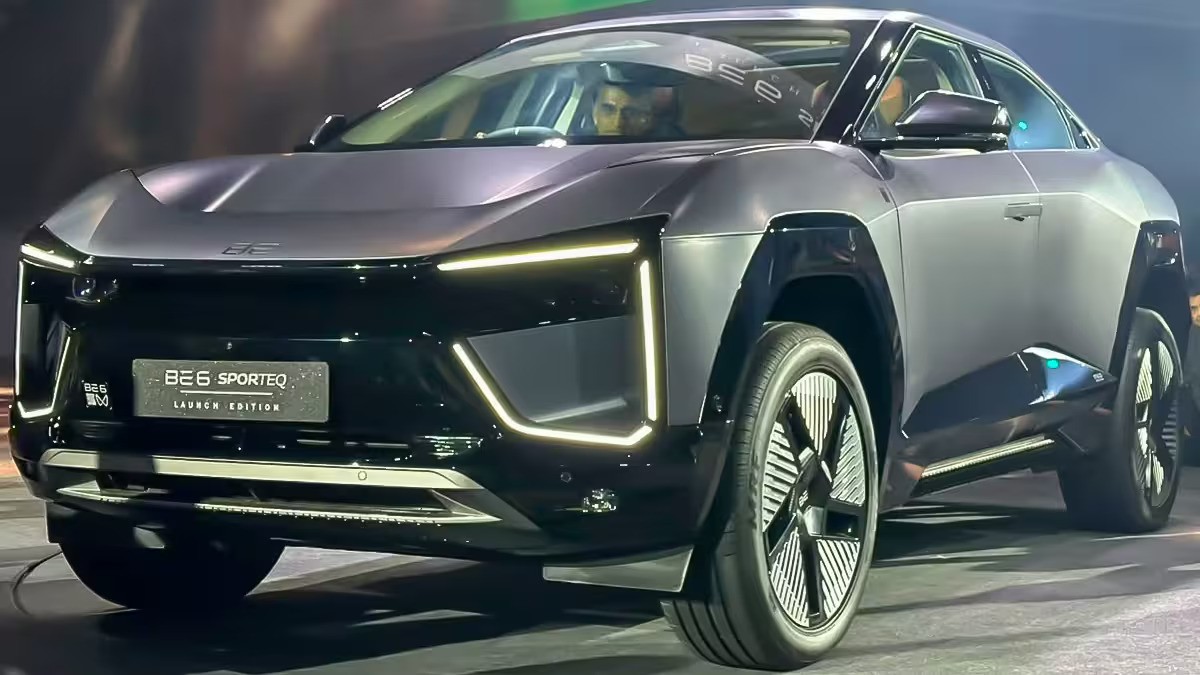
Most electric cars in India can go from 200-400 km with one charge (depending upon the specific car). But mostly, you must stop every few hours or about every 175-200 km to be on the safer side. And nowadays, there are so many cars that have upwards of 400 km in real life range (like the recently launched Mahindra BE 6). Also, driving carefully can make your charge last longer. Always look for places to charge along your way to keep your journey smooth.
Q. Are there any government incentives for EV owners in India?
Yes, the Indian government gives many benefits to EV owners. Many state governments have specific incentives in which they offer rebates and provide tax incentives. And this is because the government wants more people to use EVs to cut down on pollution. These benefits can make EVs cheaper and more appealing than regular cars in some cases.
Q. What special precautions should I take during an EV road trip in India?
First, plan your way and look for charging spots (use apps like Tata Power’s EZ Charge) Get to know your car well and check how much time it needs to charge and accordingly plan your stops with that in mind. Also, have another plan ready if you can’t find a charging station.