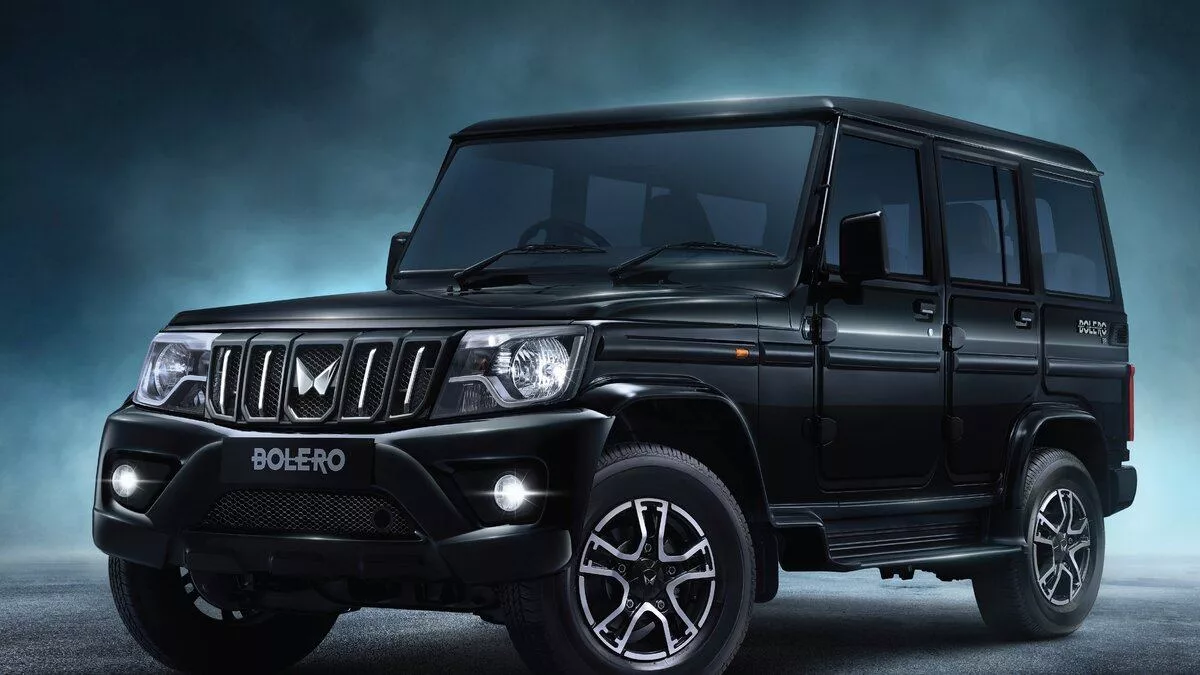
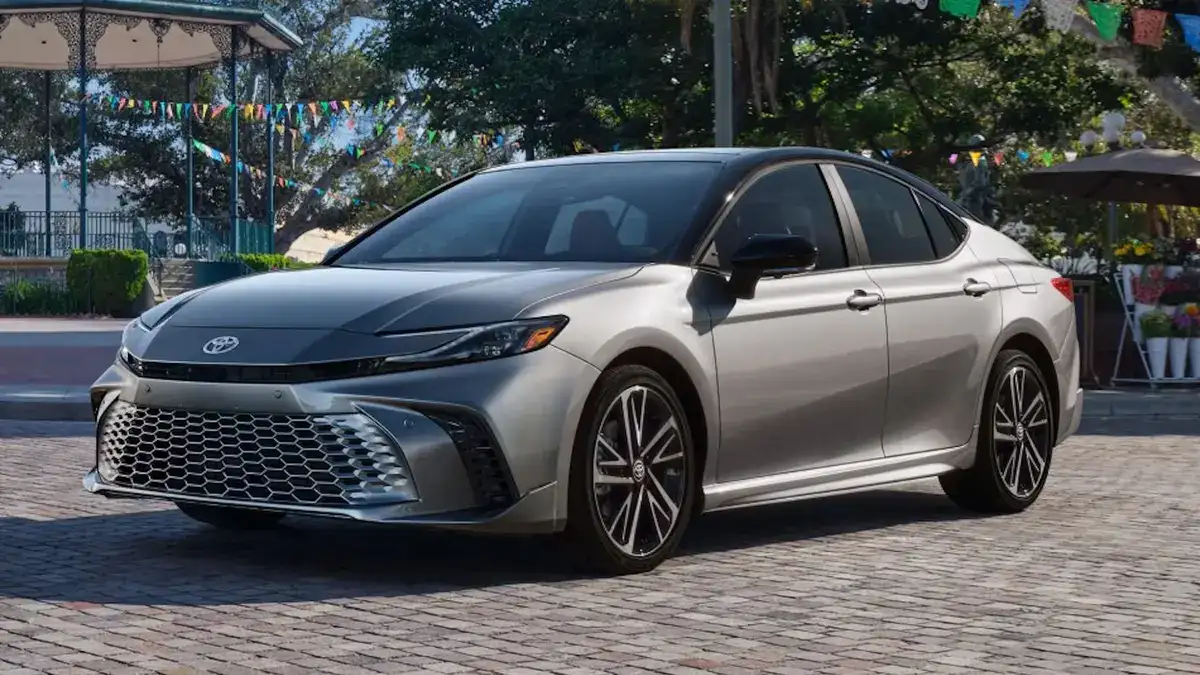

As a car enthusiast and expert, we have often realised how confusing it gets for vehicle owners about emission norms like BS4 or BS6. As India moves to BS6 norms from BS4, many of us wonder: Is my car compliant, and why should I care?
The good news is that it’s not difficult to check if your car is compliant. This guide will help you assess if your automobile is compliant with BS6 vehicles starting year 2020 or not. Getting to know this not just keeps you on the right side of the law, but also helps you play a part in a cleaner environment.
Go through this article to answer a big question for yourself: How to check Bharat Stage of vehicle?
What is the BS4 Launch Date in India?
Let’s first know about the official launch date for BS4 across India. BS4 launch date in India is April 1, 2017.
If your vehicle was produced or registered in India after this date, then please be sure that it adhere to BS-IV standards. However, these norms were introduced in multiple states in 2010. Hence, you should keep reading further to learn to check your car’s compliance.
How to Check Bharat Stage of Vehicle: BS4 or BS6?
Knowing if your car is BS4 or BS6 will help you stay within legal limits and contribute to a cleaner India. So how do you figure out if your car is compliant?
Locating Compliance Stickers or Documentation
- Windshield or Engine Bay Stickers: Look for stickers near the top corners of the windshield or inside the engine bay. These often mention the BS standard your car complies with.
- Driver-Side Door Frame: Some manufacturers place compliance labels inside the driver-side door frame or on the chassis plate.
- Fuel Cap or Engine Block: Check the fuel cap or engine block for manufacturer labels specifying the emission norms.
Key Aspects of BS6 Vehicles
- Reduced Emissions: BS6 engines significantly decrease harmful pollutants-particularly nitrogen oxides (NOx)-in both diesel and petrol vehicles, resulting in cleaner urban air relative to BS4 standards.
- Fuel Requirements: BS6 compliance necessitates the use of ultra‑low‑sulfur fuel; utilizing BS4‑grade petrol or diesel may contravene statutory emission regulations.
- Adoption Timeline: Although the regulatory deadline was April 2020, numerous manufacturers introduced BS6‑compliant models well in advance, often several months or years prior.
- Impact on Vehicle Performance: BS6 technology frequently enhances fuel efficiency and lowers tailpipe emissions, although it may require adjustments to driving habits and adherence to more rigorous maintenance schedules.
- Government Initiatives: The Government of India has actively endorsed BS6 technology as part of its strategy to mitigate air pollution and fulfil its commitments under the Paris Climate Agreement.
What is Bharat Stage in HSRP?
The Bharat Stage (BS) mentioned in the HSRP (High-Security Registration Plate) context refers to the emission standard that a vehicle complies with in India. These standards are set by the Government of India to regulate the output of air pollutants from vehicles.
When applying for or updating an HSRP, you may be asked to select or enter the Bharat Stage (BS) of your vehicle. This is used for vehicle verification and record-keeping, and ensures that the HSRP is assigned correctly based on the vehicle’s emission standard.
Common Bharat Stage Categories
| Bharat Stage | Common for Vehicles Manufactured in |
| BS-I | Before 2005 (very rare now) |
| BS-II | 2005–2010 |
| BS-III | 2010–2017 |
| BS-IV | 2017–2020 |
| BS-VI | April 2020 onwards (BS-V was skipped) |
Impact on BS4 vehicles:
- Insurance Implications: Owners of BS4 vehicles may incur higher premiums or face restricted coverage options owing to the vehicle’s age and heightened regulatory scrutiny.
- Resale Challenges: The increasing prevalence of BS6‑compliant models may make it more difficult to sell a BS4 vehicle.
- Operational Restrictions: Stricter emission norms could lead to bans or other limitations on BS4 vehicles in certain areas.
Bharat Stage 4 Vehicles List
Although now discontinued, here is the list of the BS4 vehicles list for your reference:
Tata Motors: Manza, Indica Vista, Indigo, ARIA, Safari, Sumo.
Maruti Suzuki: Baleno RS.
Honda: BRV.
Toyota: Etios Liva.
Renault: Lodgy.
Nissan: Terrano.
Hyundai: Xcent.
Volkswagen: Ameo.
Mahindra: KUV100 (diesel).
Fiat: Avventura.
Decoding Vehicle Documentation
Registration Certificate
When a car is bought, a registration certificate comes with it. In the past it may have been a one-page document, but now it often is a small card at that small size. Most of the RC cards now carry the emission compliance at the name of the manufacturer’s class or in the model section.
RTO Form 21
To register a car, the state’s RTO will require submitting the form 21 fully filled in. The form itself also indicates where the vehicle meets emission compliance; either besides its make and model name, before lines for ‘fitted with/fitted without’.
Manufacturing Date
Both above-mentioned documents can reveal the car’s production date. Next, you can take the production date to the internet and search when actual batch production started. For example, Maruti’s BS4-compliant Brezza hit the market in 2016.
Bharat Stage Standard | Make Year | Region |
Bharat Stage I | 2000 | All India |
Bharat Stage II | 2001-2003 | Delhi NCR, Mumbai, Chennai, Bangalore, Hyderabad, Ahmedabad, & 8 cities |
2005 | All India | |
Bharat Stage III | 2004-05 | Delhi NCR, Mumbai, Chennai, Bangalore, Hyderabad, Ahmedabad, & 8 cities |
2010 | All India | |
Bharat Stage IV | 2010 | Delhi NCR, Mumbai, Chennai, Bangalore, Hyderabad, Ahmedabad, & 8 cities |
2017 | All India | |
Bharat Stage VI | 2018-19 | Delhi NCR |
2020 | All India |
Pro Tip – VIN LOOKUP
Your Vehicle Identification Number (VIN) is a unique 17 character code containing important info about your vehicle, such as its emissions standard. You can use the VIN to find out whether it complies if you don’t have car documents.
Find the vehicle identification number on the dashboard, in the engine bay, in the boot, or on the driver’s door. The focus is on the ninth and tenth digits, which represent the month and year of manufacture. All cars before April 2020 had to follow BS4 norms and those launched afterwards follow BS6 prevalent rules.
This is a simple solution that guarantees accurate checking of emission compliance without the need for paperwork.
What is BS4 and BS6 Emission Standards?
The Bharat Stage (BS) is an emission standard instituted by the Government of India, which limits the output of air pollutants from internal combustion engine equipment, including motor vehicles. These norms, introduced in 2000, are modeled after European emission standards and are periodically updated to limit vehicular pollution. BS4 (Bharat Stage 4) has been introduced in the country since 2010, while BS6 (Bharat Stage 6), an advancement over BS5, was introduced on 1 April 2020.
BS6 not only makes the vehicle comply with norms, this transition also means stronger hold on Nitrogen oxides (NOx), particulate matter (PM), carbon monoxide (CO), and hydrocarbons (HC) emissions.
Differences Between BS4 and BS6
Parameter | BS4 | BS6 |
Sulfur Content in Fuel | 50 parts per million (ppm) | 10 parts per million (ppm) |
Nitrogen Oxide (NOx) | 250 mg/km (diesel); 80 mg/km (petrol) | 80 mg/km (diesel); 60 mg/km (petrol) |
Particulate Matter (PM) | Permissible in diesel engines | Reduced by 80% in diesel engines |
On-Board Diagnostics (OBD) | Optional | Mandatory |
Emission Technology | Basic catalytic converters | Advanced systems (DPF, SCR) |
Fuel Requirement | Regular BS4 fuel | Ultra-low sulfur BS6 fuel |
Greenhouse Gas Emissions | Higher | Significantly lower |
Cost of Vehicle | Lower due to simpler technology | Higher due to advanced technology |
Also Read: Difference Between BS4 vs BS6
Impact on Vehicle Emissions
Mandatory transition from BS4 to BS6 had reduced vehicular pollution significantly in the country. Here’s how:
- 70% Lower NOx: Now diesel vehicles emit 70% less NOx and petrol vehicles 25%.
- Lower Particulate Matter: New-age air filters in BS6 diesel engines can significantly reduce the PM emission by 80% ensuring better air quality.
- Cleaner Fuel: BS6 fuel has 80% less sulfur that helps in cutting soot formation and protects the engine components.
- Improved Public Health: A reduction in airborne pollutants can cause fewer respiratory and cardiovascular problems.
- World-Class Standards: BS6 adherence makes Indian vehicles competitive in the global market.
- paperwork.
Conclusion
You must know if your car is BS4 or BS6 compliant for environmental responsibility and legal compliance. The BS6 transition has introduced us to better technologies, cleaner fuels and reduced emissions, which is healthy for the individual and society as a whole.
Compliance checks are facilitated by tools, including the VIN and vehicle documents. These measures insure your automobile complies with current emission requirements.
BS6 = Cleaner Air, Long term saving, and Smarter Next Gen.
Q. Which Bharat stage is my car?
Ans: You can find your car’s Bharat Stage (BS) norm by checking your RC (Registration Certificate), PUC certificate, or by visiting the Vahan portal. It is usually based on your car’s manufacturing or registration year – for example, most cars sold after April 2020 are BS6.
Q. How to find BS from RC?
Ans: Check the “Fuel Norms”, “Emission Norms”, or “Norms Type” section in your RC. It will mention something like BS-IV or BS-VI. If it’s not visible on the physical RC, you can also check the digital RC on the Parivahan Vahan Portal.
Q. Which year car is the BS4?
Ans: BS4 (Bharat Stage IV) norms were applicable to vehicles manufactured and sold between April 2017 and March 2020. If your car was registered during this period, it is likely a BS4 vehicle.
Q. Is 2017 BS4 or BS6?
Ans: A car registered in 2017 is most likely BS4, as BS6 only became mandatory from April 1, 2020. However, a few premium BS6-compliant models were introduced early in late 2019–2020.
Q. How to know BS3 or BS4?
Ans: To distinguish between BS3 and BS4 you can check the RC book or Vahan portal for the “Norms Type”. You can also note that the cars registered between 2010 and 2017 are usually BS3 or BS4. Also, BS4 cars have stricter emission controls and may feature OBD (On-Board Diagnostics) systems.
Q. Which Bharat stage is now?
Ans: As of 2025, the current standard for new vehicles in India is BS6 (Bharat Stage VI). All vehicles sold after April 1, 2020 must comply with BS6 norms, which are significantly stricter than previous stages.