




You know how some vehicles just stick around for years and somehow never go out of style? The Toyota Fortuner is exactly that. It’s been a staple in the premium SUV space in India for more than a decade—and if you’ve ever driven one (or even just sat in the passenger seat), you kind of get why. It’s big, solid, and feels like it could take a beating and keep going. People love it for that no-nonsense toughness.
In 2024, Toyota decided to mix things up a little with the launch of the Fortuner LEADER EDITION. It’s not a massive change, but it’s a nice refresh. Dual-tone colors, blacked-out alloy wheels, and those front and rear bumper spoilers that add a little flair. It’s still the same Fortuner underneath, just dressed a bit sharper. Oh, and they added a Tire Pressure Monitoring System—a small but handy addition, especially if you’re the road-trip type.
Price-wise, there’s a pretty big range. Depending on the variant, you’re looking at anywhere from around Rs. 38.76 lakh to Rs. 60.85 lakh (on-road, Delhi). The top-end GR-S variant is the one to go for if you want that extra bit of luxury and a sportier feel—but it’ll cost you.
At the end of the day, if you want a larger-than-life SUV—something that looks the part, handles rough roads with ease, and comes with Toyota’s well-earned reliability reputation—the Fortuner is hard to ignore. Let’s get into the details so you can figure out if it’s the right fit for you.
| Engine & Transmission | ||||
| Engine | 2.7-litre Petrol Engine | 2.8-litre Petrol Engine | ||
| Transmission | 5-speed manual | 6-speed automatic | 5-speed manual | |
| Power | 166 PS | 204 PS | ||
| Torque | 245 Nm | 420 Nm | ||
| Mileage | 11 km/l | 11 km/l | ||
| Dimensions | ||||
| Length | 4795 mm | |||
| Width | 1855 mm | |||
| Height | 1835 mm | |||
| Wheelbase | 2745 mm | |||
| Boot Space | 296 litres | |||
| Toyota Fortuner Safety | ||||
| Feature | Variant Available on | |||
| Airbags | 7 Airbags as Standard | |||
| ABS with EBD | Standard on all variants | |||
| Rear Parking Sensors | Yes | |||
| All-Wheel Disc Brakes | Yes | |||
| Reverse Parking Camera | Yes | |||
| Electronic Stability Programme | Yes | |||
| Tyre Pressure Monitoring System | Only on Leader Edition | |||
| ISOFIX Mounts | Yes | |||
| Hill Hold Assist | Yes | |||
| Hill Descent Control | Only on 4WD variants | |||
| Feature Highlights | ||||
| Feature | Variant Available on | |||
| Automatic Climate Control | Standard | |||
| Power Steering | Standard | |||
| Sunroof | Only in Legender Variant | |||
Toyota Fortuner Variants
There’s quite a bit to choose from when it comes to the Fortuner lineup. Toyota has given it a mix of engine and drivetrain options to suit different kinds of drivers. Some people want something that’s city-friendly, while others are looking for a proper long-distance or off-road SUV. The Fortuner tries to offer both.
Two engines are on offer—petrol and diesel. The petrol variant is usually preferred for city use; it’s quieter, easier to manage in stop-and-go traffic, and overall more refined in urban settings. Diesel, though, brings in better torque and fuel efficiency, especially noticeable on highways or when the SUV is loaded up.
There are also two transmission options — a 6-speed manual for those who still like having control over gear shifts, and a 6-speed automatic for easier city cruising or long road trips. Both are tuned well for Indian roads.
Then comes the drivetrain. You can go for rear-wheel drive (RWD) if most of your driving is on paved roads. But if you like a bit of adventure—or just want something that can handle rough patches without blinking—then the four-wheel drive (4WD) version is worth looking at. It’s definitely the more capable of the two, especially if you travel off the beaten path.
As for the variants themselves: the Legender stands out with a sharper design and a few added features. It’s aimed at buyers who want something a little more stylish and refined. And if you want the full experience—the most premium trim Toyota offers—the GR-S brings a sportier feel with upgraded interiors and a more dynamic look overall.
| Variant | Transmission | Ex-Showroom Price (Rs.) |
| 4×2 Petrol | Manual/Automatic | Rs. 33.34 lakh onwards |
| 4×2 Diesel | Manual/Automatic | Rs. 35.93 lakh onwards |
| 4×4 Diesel | Manual/Automatic | Rs. 40.03 lakh onwards |
| Legender 4×2 Diesel | Automatic | Rs. 44.11 lakh |
| Legender 4×4 Diesel | Automatic | Rs. 48.09 lakh |
| GR-S 4×4 Diesel | Automatic | Rs. 51.94 lakh |
Best Fortuner Variant to Buy
Among all the Fortuner variants, the Legender 4×2 Diesel Automatic probably makes the most sense for most people. It doesn’t try to be the most rugged or the flashiest—it just balances things well. You get the usual Fortuner strengths: reliability, road presence, and that no-nonsense diesel power, but with a few added comforts that make daily use feel easier.
It also looks a bit more polished. The grille is cleaner, the split LED headlamps give it a sharper edge, and the alloys are different enough to catch your eye without going over the top. Inside, you notice the difference too. There’s ventilated seating, wireless charging, and a dual-tone dashboard that makes the cabin feel a little less utilitarian and a bit more refined.
And performance? Still that same 2.8L diesel engine with 204 PS and 500 Nm, which is plenty. It doesn’t struggle, even in city traffic, and out on the highway, there’s enough torque to cruise comfortably without pushing the engine too hard. It just works. That’s kind of the point.
Toyota Fortuner Warranty & Service Cost
The Fortuner comes with a 3-year/1,00,000 km warranty to begin with. Nothing surprising there—it’s what most manufacturers offer. But if you’re planning to keep it long-term (and let’s face it, many owners do), Toyota gives you the option to bump that up to 5 years or 2,20,000 km. Not bad, especially if you drive a lot or just want fewer things to worry about later. That’s actually useful if you’re racking up kilometres fast, or just want to avoid surprises later on. It also includes roadside assistance, which is handy if you ever end up stuck somewhere—flat tyre, battery trouble, whatever.
When it comes to maintenance, it’s actually more affordable than many expect. Toyota’s known for building reliable vehicles, and the Fortuner follows that trend. Over five years, the estimated service cost is about Rs. 31,230. That’s not bad at all, especially for a big SUV. Repairs are rare if you maintain it well, and even when something does come up, it doesn’t tend to be crazy expensive.
Why You Should Consider the Toyota Fortuner
Over the years, the Fortuner has built a name for itself—and not just because it’s tough. Sure, it looks like it can handle anything (and it mostly can), but what surprises people is how balanced it feels. It’s the kind of SUV that fits into a weekday routine just as easily as it fits into a weekend escape plan. It doesn’t scream for attention, but it quietly delivers, day after day.
- Rugged Performance That Can Handle Anything
Under the hood, there’s a 2.8-litre diesel engine that puts out 204 PS and 500 Nm of torque. Numbers aside, what matters is how it feels to drive—and the answer is: reassuring. It pulls smoothly, even when fully loaded, and doesn’t feel like it’s straining to keep up. It won’t win any drag races, but for long stretches of highway or tricky climbs, it’s more than capable.
What really helps is the setup. The Fortuner’s ladder-frame chassis, generous ground clearance, and well-tuned suspension give it proper road manners off the highway too. And if you opt for the 4×4, it brings in the tools you actually need when roads get rough—low-range gearing, diff lock, and terrain modes that make a difference when you’re somewhere remote. It’s not pretending to be an off-roader. It just is one.
- A Commanding Road Presence
You don’t just spot a Fortuner—you notice it. It has a certain presence that a lot of SUVs try to copy but rarely nail. The bold front end, muscular proportions, and LED projector lights give it a strong, confident look. The machine-cut alloys and sculpted panels help too, but the Fortuner’s appeal is more than just styling. It carries itself like it belongs at the top of the food chain.
Whether you’re rolling into a resort or just stuck at a red light, it turns heads without needing to shout. It’s a big SUV that looks right at home wherever you take it.
- Premium Comfort with Modern Features
Step inside and the Fortuner doesn’t try too hard to impress—it just delivers where it counts. The cabin feels clean, comfortable, and well laid out. You get ventilated leather seats, a power driver’s seat, and even ambient lighting, which adds a nice touch at night. The 8-inch touchscreen supports both Apple CarPlay and Android Auto, and there’s a wireless charger for your phone—something you’ll probably use more than you expect.
Sound quality’s sorted too, thanks to the JBL audio system, which handles everything from podcasts to playlists with ease. Add in dual-zone climate control, plenty of space in the back, and a boot that’s big enough for all your travel plans, and the Fortuner quickly starts feeling like more than just a big, bold SUV. It’s a proper long-distance companion.
Why You Should Not Consider the Toyota Fortuner
People often praise the Fortuner for how tough it is—and yeah, it handles rough roads really well. But that doesn’t automatically make it the right choice for everyone. If your daily driving is mostly in the city, or if things like tech features and overall ease matter more to you than off-road muscle, it might not fully match your needs.
- Stiff Ride and Heavy Steering
The Fortuner’s rugged build is great for bad roads and long highway drives. But in city traffic, it doesn’t feel as smooth. The suspension leans toward the stiffer side, especially at low speeds. Potholes and uneven patches are felt more than you’d expect, and folks sitting in the second or third row might notice it the most.
Its hydraulic steering is another thing. It offers solid feedback, especially off-road, but in tight city streets or while parking, it feels heavy. If you’re switching from a smaller car or crossover, this might take a bit of getting used to.
- Expensive Compared to Rivals
The Fortuner now comes with some premium features—ADAS, a sunroof, and a better interior finish. But those upgrades come at a cost. Top trims are priced above Rs. 50 lakh on-road, and that puts it in the same league as some rivals that offer a lot more in terms of features and comfort.
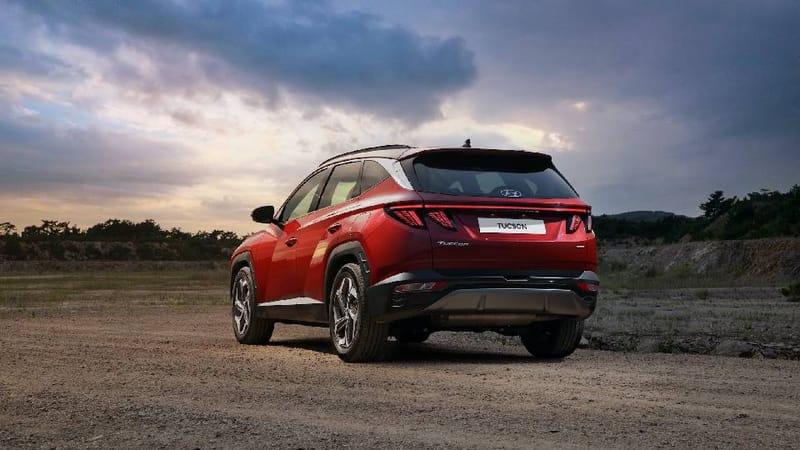
For example, the MG Gloster comes with Level 2 ADAS, a big infotainment screen, and even massage seats. The Jeep Meridian feels more refined inside and is easier to live with in daily use. And then you’ve got SUVs like the Tucson or Kodiaq, which may not match the Fortuner’s toughness, but they do better when it comes to driving feel and cabin tech.
So, if you’re looking for value for every rupee, or your focus is on interior finesse, ride comfort, and the latest in-car tech, the Fortuner may feel like you’re paying more for less.
- Not the Most Feature-Rich for the Price
For the price, you’d expect the Fortuner to offer a bit more. A 360-degree camera is missing in most variants, which really would’ve helped with parking such a big SUV. There’s no head-up display either—something several cheaper rivals now offer.
Rear seat passengers don’t get much in terms of comfort extras. No ventilated rear seats, no sunshades, both of which would’ve made long trips more comfortable. And while Toyota has started adding some driver assist features, adaptive cruise control and full ADAS are still not available—things that are fast becoming standard elsewhere.
Conclusion
The Toyota Fortuner stays true to its legacy—rugged, powerful, and built to last. With the latest updates like ADAS, a panoramic sunroof, and premium interiors, it’s now more feature-packed than ever. But it’s not perfect. The stiff ride, heavy steering, and high price might make you think twice if your priority is city comfort or cutting-edge tech.
Ultimately, if you want an SUV that can handle anything you throw at it while keeping its resale value strong, the Fortuner still delivers. But if you’re after a softer, more tech-loaded experience, better options exist.
FAQs about Toyota Fortuner Buying Guide
Q1. Is it worth buying a Toyota Fortuner?
Ans: Yes, the Toyota Fortuner is worth buying if you’re looking for a full-size, rugged SUV that combines road presence, off-road capability, and long-term reliability.
Q2. What is the weakness of a Fortuner?
Ans: Some of the commonly cited weaknesses of the Toyota Fortuner include firm ride quality, expensive price tag, lack of certain premium features, and high cost of ownership.
Q3. Is a Toyota Fortuner expensive to maintain?
Ans: Yes, compared to compact and mid-size SUVs, the Fortuner is relatively expensive to maintain due to its higher service part costs, premium diesel engine oil requirements, and bigger tyre size.
Q4. Which model of Fortuner is value for money?
Ans: The Fortuner 4×2 Diesel AT (Standard variant) is often considered the best value for money.
Q5. Why is a Fortuner so costly?
Ans: The Fortuner is priced high due to several factors such as not being locally manufactured, high GST slab on large SUVs with diesel engines, brand positioning, and Toyota’s reputation for reliability.