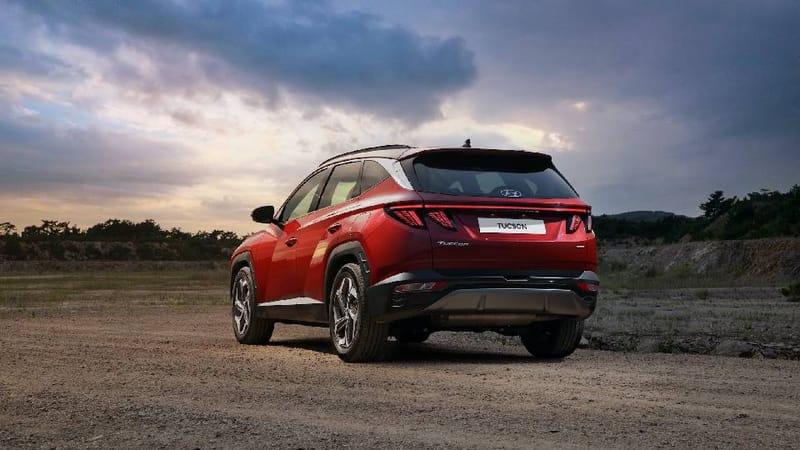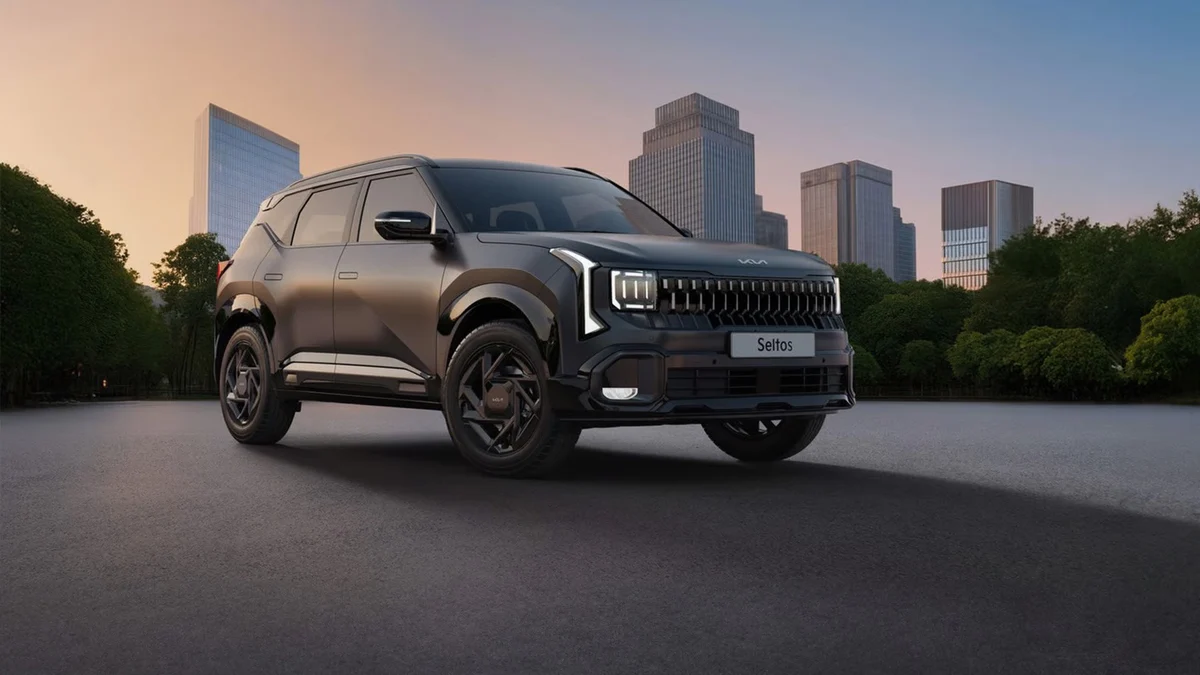
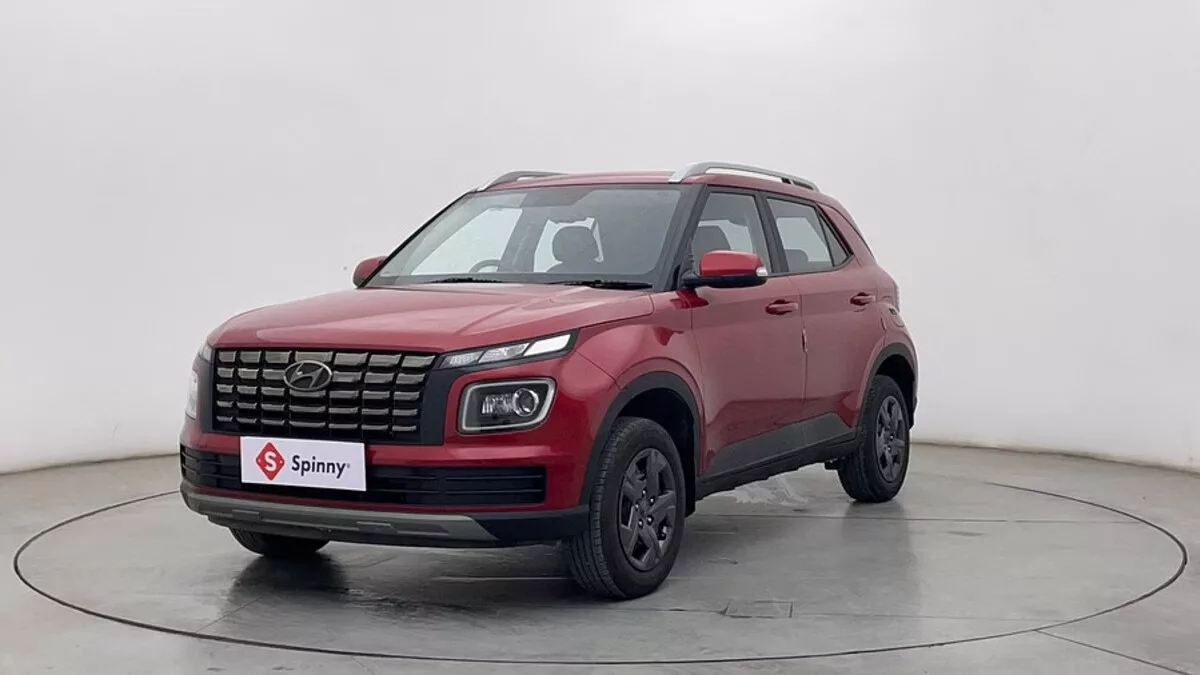
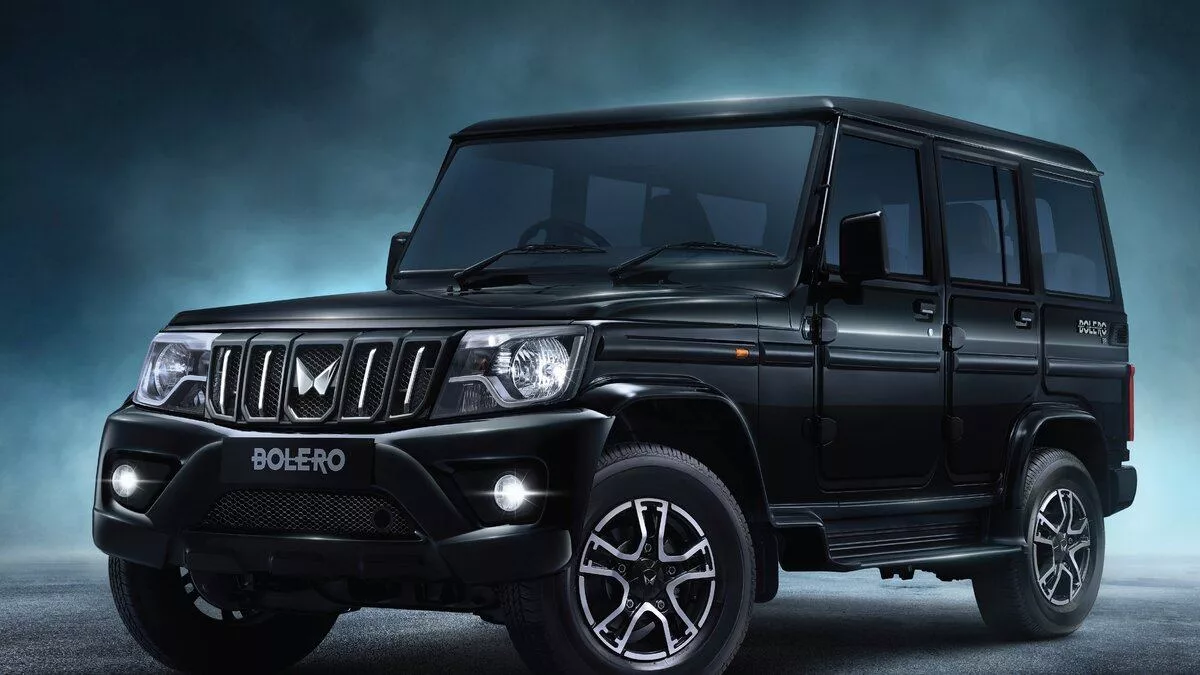

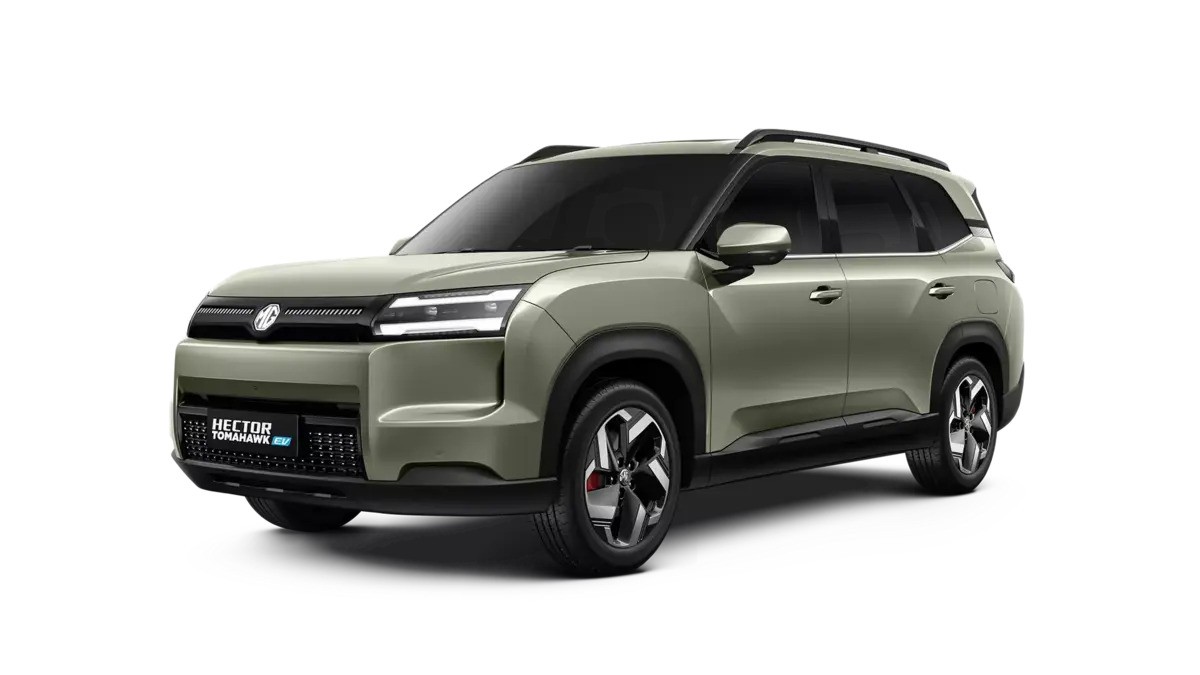
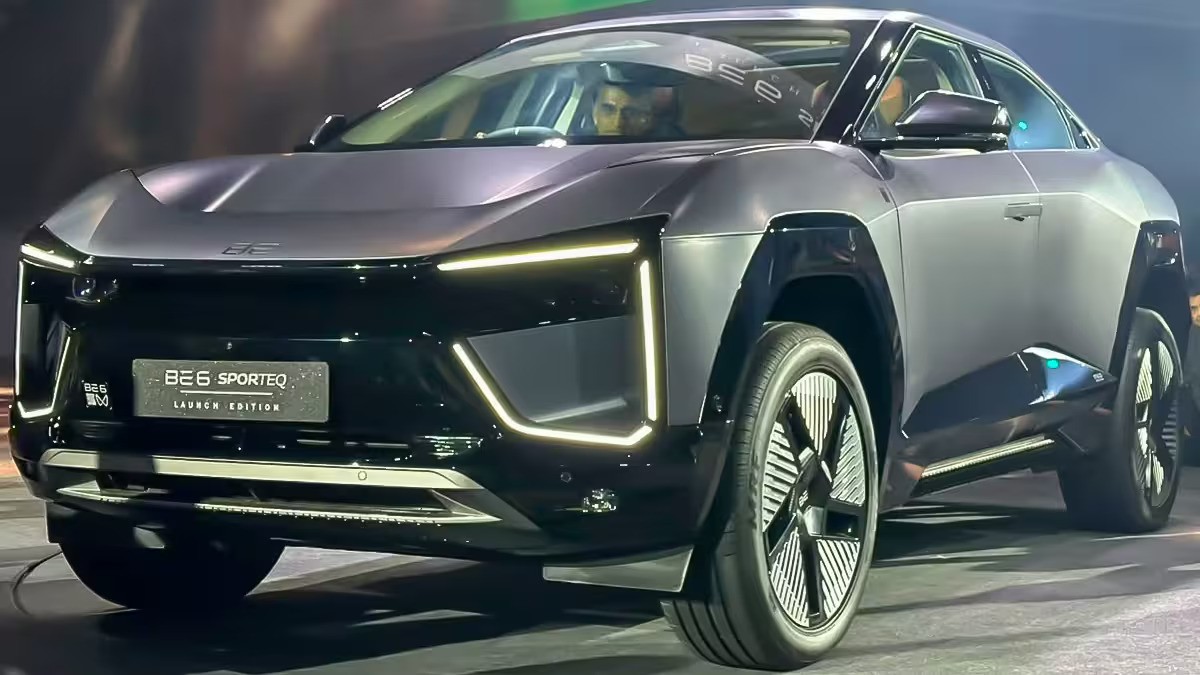
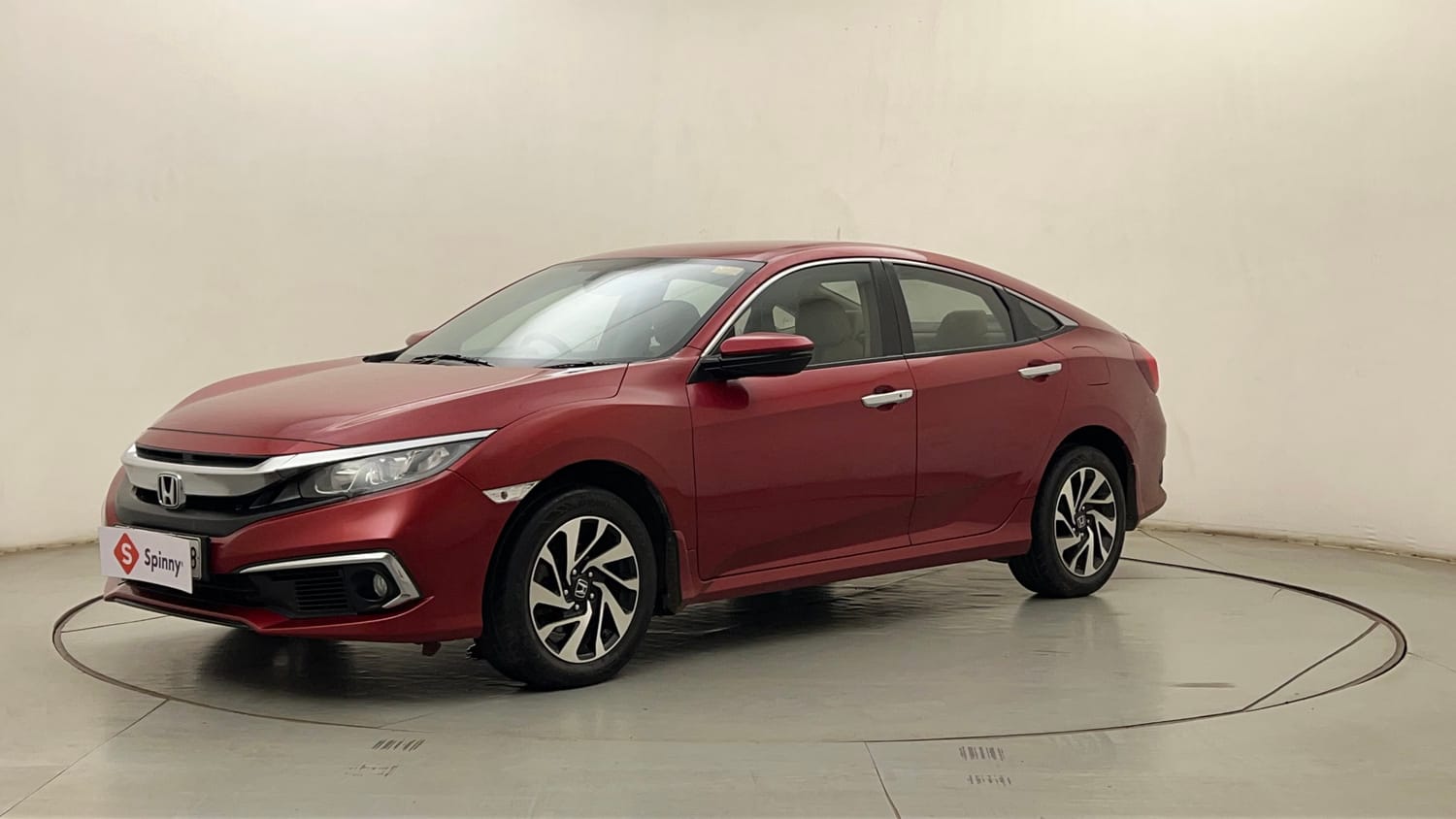
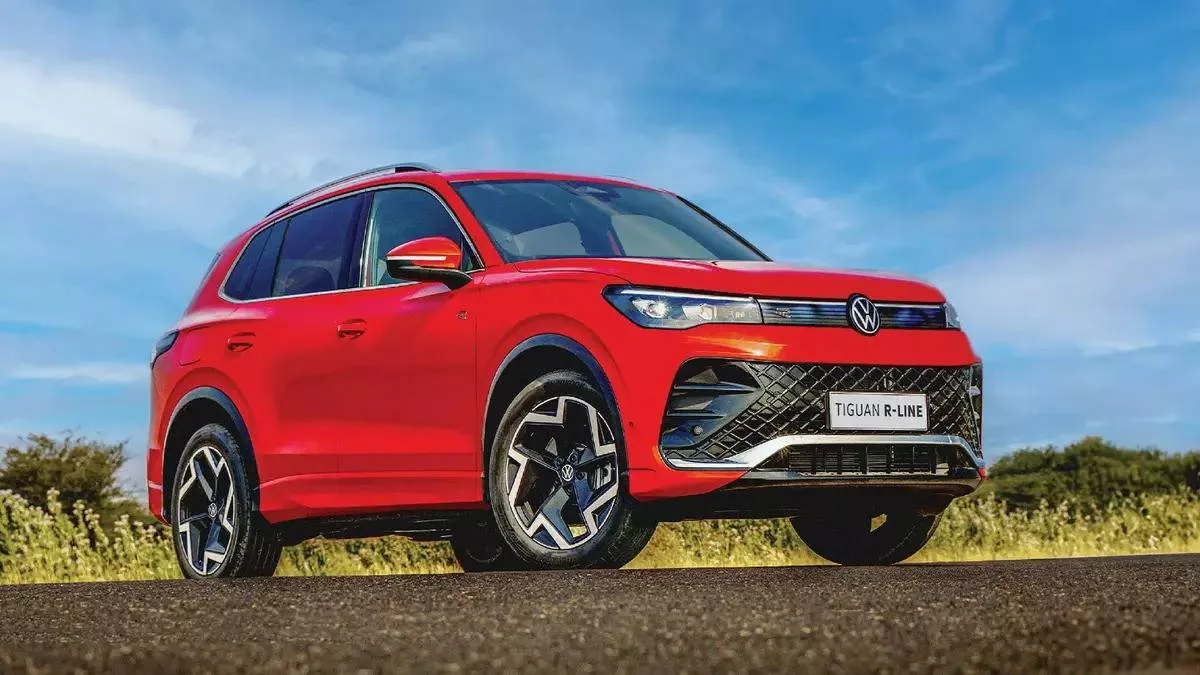

For years, Indian carmakers relied on overseas crash labs to understand how safe their cars really were. That changed with Bharat NCAP — India’s own, government-backed crash-testing programme that finally gives buyers a transparent, India-specific safety rating. Since its rollout in October 2023, Bharat NCAP has expanded rapidly, with more manufacturers volunteering their models for testing and more cars receiving official star ratings.
The new program uses the latest AIS-197 protocols that conform to global norms of road safety. By 2025, it will determine new car assessments much more comprehensively than before due to increased efforts towards improved body design for better road safety, increased emphasis on electronic stability control in higher-star rating models, and cautious assessments of EV battery safety. Whether it’s your first car purchase or an assessment of new model launches that you’re contemplating, Bharat NCAP assessments provide swift insight into road safety.
- What is Bharat NCAP
- When was Bharat NCAP implemented?
- What are the testing procedures in Bharat NCAP?
- How are cars rated for safety in Bharat NCAP?
- Differences between Global NCAP and Bharat NCAP
- Similarities Between Global NCAP and Bharat NCAP
- Top 5 Safest Cars in India (According to Bharat NCAP 2025)
- How Bharat NCAP Affects Car Pricing and Variant Planning
- FAQs about Bharat NCAP

What is Bharat NCAP
Bharat NCAP stands for the Bharat New Car Assessment Programme. The Bharat NCAP is the official car testing and rating system in India. The system was based on global NCAP standards that conduct tests under the AIS-197 protocol. The program tests the car’s effectiveness with both adults and children.
The special thing about Bharat NCAP is that it is designed exclusively for the Indian environment. The cars that get crashed here include mass-market cars running on petrol, diesel, CNG, hybrid technologies, and electric power. These cars receive a rating of 1 to 5 stars based on three pillars: Adult Occupant Protection (AOP), Child Occupant Protection (COP), and the availability of basic safety-enabled technologies.
The scheme at present relates to M1 category passenger cars with a maximum gross mass of 3,500kg and an intended occupant capacity of eight persons. As it relates to almost every mass-market car on sale in the country, it provides a transparent, uniform system for assessing safety as part of the Bharat NCAP initiative.
When was Bharat NCAP implemented?
Bharat NCAP was launched on 22 August 2023 and commenced on 1 October 2023. Since then, it has been progressively getting support as more carmakers have come forward voluntarily to have their cars tested. Many of the best-selling car models have been put to the test.
By 2025, Bharat NCAP will have passed the pioneering stage. Today, car makers incorporate the objectives of the star rating into car design and new car platforms that incorporate BNCAP standards from inception are being designed. The base model of new cars is more likely to have improved structural and safety features to improve the star rating. In that short span of time, the significance of new-car assessment and discussion in India has now expanded to include Bharat NCAP.
What are the testing procedures in Bharat NCAP?
Bharat NCAP implements AIS-197, a protocol that details the procedure for car selection and testing. This helps to ensure that the movement patterns of average car users on Indian roads and the normal load users of the car’s capacity in various impacts are taken into consideration.
How cars are selected for testing
A model can enter Bharat NCAP through any of these routes:
- Voluntary submission by the manufacturer
- Automatic selection if it’s a “popular model” with over 30,000 units sold in a year
- MoRTH recommendation, based on market feedback or safety concerns
Crash tests performed under Bharat NCAP
Every selected car undergoes three major crash tests:
- Frontal Offset Impact: 64 km/h
- Two adult dummies in front
- Two child dummies in the second row
- Evaluates structural integrity, airbag performance and restraint effectiveness
- Side Impact Test: 50 km/h
- One adult dummy in the driver’s seat
- Two child dummies in the second row
- Measures how well the cabin absorbs and distributes side forces
- Side Pole Impact: 29 km/h
- Conducted to qualify for a 5-star rating
- Assesses head and thorax protection, especially in narrow-object impacts
2025 protocol updates and expectations
With more EVs and ADAS-equipped cars entering the market, Bharat NCAP’s procedures now emphasise:
- Stricter evaluation of EV battery protection
- Greater weightage for Safety Assist Technologies, especially ESC
- Upcoming ADAS scoring (AEB, LDW, LKA) expected in the next protocol revision
- More attention to CRS (child seat) compatibility and ISOFIX labelling
- Improved side-impact criteria for taller, heavier vehicles
All crash results are used to calculate Adult Occupant Protection (AOP), Child Occupant Protection (COP) and the model’s eligibility for a unified star rating.
How are cars rated for safety in Bharat NCAP?
Bharat NCAP uses a 1-5 star rating system to rate cars based on Adult Occupant Protection (AOP), Child Occupant Protection (COP), and support for important Safety Assist Technologies. This new format of ranking is as follows:
Assessment Points Structure
| Category | Test Type / Criteria | Maximum Points |
Adult Occupant Protection (AOP) | Frontal Offset Impact | 16 |
| Side Impact | 16 | |
| Pole Impact | Qualifier for 5-star rating | |
| Total AOP | — | 32 |
Child Occupant Protection (COP) | Front Impact | 16 |
| Side Impact | 8 | |
| CRS Installation Checks | 12 | |
| Vehicle-Based Assessments | 13 | |
| Total COP | — | 49 |
Star Rating Requirements
| Star Rating | Minimum AOP Score | Minimum COP Score | Other Requirements |
| 5 Star | 27/32 | 41/49 | Must pass pole impact; must have curtain airbags; ESC required |
| 4 Star | 22/32 | 35/49 | ESC + seatbelt reminders; side head protection (2024–25 mandate) |
| 3 Star | 16/32 | 24/49 | ESC mandatory; side head protection optional in 2023 cars, mandatory from 2024–25 |
| 2 Star | 10/32 | 18/49 | Basic frontal + side impact protection |
| 1 Star | 4/32 | 9/49 | Meets minimum crashworthiness only |
Safety Assist Technology Requirements
These don’t carry points, but they determine eligibility for higher star ratings.
| Technology | Requirement |
| Electronic Stability Control (ESC) | Mandatory for 3, 4, 5 stars |
| Seat-Belt Reminder (Front) | Mandatory for 3, 4, 5 stars |
| Pedestrian Protection Compliance | Mandatory for all cars |
| Side Head Protection (Curtain Airbags) | Mandatory for 5 stars; required for 4 stars on 2024–25 models |
| Side Pole Test Performance | Mandatory for 5 stars |
Important 2025 Updates
- Stricter EV Safety Checks: Battery protection, thermal management and floorpan intrusion are evaluated more closely to reflect the growing number of electric cars being tested.
- Upcoming ADAS Integration: Features such as Autonomous Emergency Braking (AEB), Lane Departure Warning (LDW), and Lane Keep Assist (LKA) are expected to be added to the scoring protocol in the next update.
- Mandatory Base-Variant Testing: Bharat NCAP now strictly tests only the base variant, ensuring manufacturers can’t submit safer, limited-edition or optional safety-pack models for higher ratings.
- Revised Side-Impact Considerations: With heavier SUVs dominating sales, side-impact energy absorption and cabin stability are receiving more weightage in the evaluation.
- Child-Seat Compatibility Emphasis: CRS installation checks are more detailed, with clearer alignment to ISOFIX positioning and labelling accuracy.
Differences between Global NCAP and Bharat NCAP
While both programmes measure vehicle safety, they operate under different frameworks, scoring methods and regulatory expectations. Here’s how they compare in 2025:
| Criteria | Bharat NCAP | Global NCAP |
| Organisation | Government-run (MoRTH) | Independent, NGO-led |
| Primary Focus | India-specific cars & road conditions | Global and regional markets |
| Vehicle Categories Tested | M1 category only | M1, M2, M3 (passenger); N1, N2, N3 (goods) |
| Frontal Impact Test | 64 km/h | 64 km/h (but different restraint criteria in 2024 protocols) |
| Side Impact Test | 50 km/h | 50 km/h (with stricter pelvic & thorax limits) |
| Side Pole Test | Required only for 5-star rating | Mandatory for all cars in many regions |
| Adult Protection – Minimum for 5 Stars | 27/32 | 34/34 (under 2024 protocol) |
| Child Protection – Minimum for 5 Stars | 41/49 | 45+/49 depending on protocol |
| Seatbelt Reminder Points | No points; only a requirement | 2 points in the scoring system |
| Safety Assist Requirements | ESC mandatory for 3–5 stars; curtain airbags needed for 5 stars | ESC, AEB, Lane Assist increasingly required under updated regs |
| Testing Variants | Base variant only | Variant varies by region; often includes safety packs |
| EV-Specific Checks | Added emphasis on battery integrity | Protocols vary by region, but are stricter in the EU & Latin NCAP |
What This Means for Buyers
Bharat NCAP is designed around Indian cars, traffic, and crash patterns. Global NCAP, especially after its 2024 update, uses stricter thresholds for injury criteria and ADAS evaluation, but tests cars that are not always identical to Indian-market variants.
In essence, Bharat NCAP provides the most realistic assessment of car safety in the Indian market, whereas Global NCAP provides a global benchmark.
Similarities Between Global NCAP and Bharat NCAP
Even though the two programmes differ in structure and strictness, their core philosophy and testing logic are closely aligned. Here’s what they share:
- Common Goal: Both programmes exist to push car manufacturers toward safer designs and give buyers transparent, comparable safety information.
- Standardised Crash Tests: Both use offset frontal and side-impact crash tests that simulate real-world collisions seen on public roads.
- Star-Rating Format: Each programme converts performance into a 1–5 star rating, making it simple for customers to interpret safety.
- Adult & Child Occupant Protection Scoring: Both NCAPs score cars separately on Adult Occupant Protection (AOP) and Child Occupant Protection (COP), based on dummy injury readings and restraint performance.
- Use of High-Speed Instrumentation: Sensors, high-speed cameras and biomechanical dummies are used in almost identical ways to assess crash forces and injuries.
- Focus on Occupant Restraints & Structure: Seatbelts, airbags, ISOFIX mounts and structural stability remain central across both NCAPs.
- CRS Evaluation: Child-seat performance, compatibility and installation checks follow very similar guidelines to ensure correct child safety assessment.
While Global NCAP’s 2024+ protocols are stricter and include more ADAS evaluation, both programmes still rely on the same foundational crash-test principles.
Top 5 Safest Cars in India (According to Bharat NCAP 2025)
Since Bharat NCAP went live in October 2023, several popular models have completed testing, and a few have set new benchmarks for safety. As of 2025, these are the cars that have earned the highest scores under the BNCAP protocol.
1. Tata Harrier – 5 Star
- AOP: 30/32
- COP: 44/49
The Harrier leads the pack with one of the strongest structures tested under Bharat NCAP. ESC is standard across the range, and curtain airbags are offered from mid variants upward. Its side-impact and pole-impact performance are among the best recorded in India.
2. Tata Safari – 5 Star
- AOP: 30/32
- COP: 44/49
Sharing the Omega architecture with the Harrier, the Safari shows identical crash behaviour. Strong cabin integrity, predictable airbag deployment, and high child-occupant scores place it firmly in the 5-star group.
3. Volkswagen Taigun – 5 Star
- AOP: 29/32
- COP: 42/49
The Taigun retains its reputation for strong crash performance. Its structural stability and side-impact absorption remain highlights, while ISOFIX compatibility and CRS performance helped it secure a high COP score.
4. Skoda Kushaq – 5 Star
- AOP: 29/32
- COP: 42/49
Built on the same MQB-A0-IN platform as the Taigun, the Kushaq closely matches its performance. Curtain airbags, ESC and pedal-intrusion control play a major role in securing its 5-star rating.
5. Honda Elevate – 5 Star
- AOP: 27/32
- COP: 41/49
Honda’s compact SUV delivers a strong showing with commendable frontal-impact performance and robust pedestrian protection. Its base variant’s structure matches that of the higher trims, which helped it achieve 5 stars.
*Note: The cars listed reflect models officially tested under Bharat NCAP up to early 2025.
How Bharat NCAP Affects Car Pricing and Variant Planning
Bharat NCAP hasn’t just changed how cars are rated — it has changed how cars are designed, engineered, and priced in India. Here’s how the new safety regime influences what manufacturers bring to the market and how variants are structured.
1. Higher Structural Standards = Higher Base Prices
To score well on Bharat NCAP, cars need:
- Stronger body shells
- Better-grade steel in critical areas
- Improved crash load paths
These enhancements start at the base variant, not just the top trims. This has slightly increased entry prices for several new models, especially compact SUVs and premium hatchbacks.
2. Base Variants Now Come Better Equipped
Since Bharat NCAP tests only the base variant, carmakers can no longer rely on top-end versions to fetch good scores.
This has led to:
- Front airbags are now standard everywhere
- ESC is being added to more base variants
- ISOFIX mounts are appearing across the lineup
- Seatbelt reminders made mandatory
Manufacturers now design the cheapest variant with safety in mind.
3. Premium Variants Focus Less on Safety Add-ons
Earlier, manufacturers pushed curtain airbags and ESC into high-end trims to justify pricing gaps. With Bharat NCAP requirements tightening, even mid variants have started including these features.
This shifts premium variants towards:
- Convenience features
- Connected tech
- Sunroofs / bigger screens
- ADAS (on larger models)
4. Better Crash Ratings Improve Resale Value
Cars with 4–5 star ratings typically:
- Sell faster in the used-car market
- Hold better resale value
- Have higher buyer confidence
This trend is becoming more visible in 2024–25, especially in the SUV segment — something that directly benefits used-car platforms like Spinny.
5. Strategic Platform Planning for Future Models
Carmakers now benchmark their platforms for:
- 4-star minimum compliance
- Cleaner side-impact performance
- Curtain airbag fitment from day one
- EV battery protection zones
This reduces redesign costs later and ensures models remain competitive for several years.
6. ADAS Is Becoming a Pricing Lever
With upcoming Bharat NCAP updates expected to include AEB and lane-assist scoring, manufacturers are already positioning mid and top variants with advanced driver-assistance systems. This will push ADAS from being a luxury extra to mainstream packaging.
FAQs about Bharat NCAP
Q. Do Bharat NCAP ratings influence a car’s resale value?
Yes. Cars with 4- or 5-star ratings generally retain value better, especially in the SUV and hatchback segments. Buyers increasingly check crash-test scores before finalising a used-car purchase, boosting demand for safer models.
Q. Does adding accessories affect a car’s Bharat NCAP rating?
Aftermarket changes like metal bumpers, bull bars, seat covers over airbags, or stiffened suspensions can compromise the safety performance of a 5-star-rated car. The official rating applies only to the unmodified factory configuration.
Q. Are Bharat NCAP results valid for models sold before testing began in 2023?
No. Older models released before Bharat NCAP may not meet current testing standards. A new rating applies only to the tested version, not earlier generations.
Q. Can a car lose its star rating after an update or facelift?
Yes. If the manufacturer changes the platform, structure or key safety features during a facelift, the old rating may no longer apply. Carmakers may then choose to retest.
Q. Is a higher Bharat NCAP rating linked to lower repair costs after a crash?
Not necessarily. A strong structure reduces injury risk, but repairs on high-rated cars can cost more due to additional crumple-zone engineering, sensors, and high-grade materials.