


The automobile market in India is poised to make a substantial advancement in its journey toward a cleaner and more sustainable future of transportation, and one of those critical transitions has been to migrate from BS4 to BS6. The requirements stand for Bharat Stage 4 and Bharat Stage 6 and essentially categorise a prescribed level of emissions for a given motorcar. Moreover, this reduction in permitted emissions will contribute to lower carbon and particulate matter emissions.
The shift from BS4 to BS6 is not only a technological upgrade but also a step in the right direction toward a cleaner environment. As of 2020, all new vehicles sold in India have had to conform to BS6 norms. The BS6 upgrade has been one of the quickest in history to come into effect worldwide. The shift has come into effect for all vehicles, including cars, motorbikes, and transport vehicles.
When you compare BS4 and BS6 side by side, you will not only understand how fuels and engine technologies have developed but will also comprehend how this difference is important for all car buyers in India.
What are Bharat Stage Emissions Norms?
In 2000, India introduced Bharat Stage Emission Standards (BSES) to regulate the output of air pollutants from engines. Established by the CPCB (Central pollution Control Board) under the Ministry of Environment & Forests and climate change, these emission standards are based on European standards and get progressively stringent. As per these norms, carmakers should produce engines that pass the emission test laid out by BSES, while oil companies are expected to refine fuel to ensure lower sulphur content. The Indian government in 2016 announced that instead of introducing BSV they would directly start with BSVI emission norms from 2020. This measure was taken to curb the alarming levels of pollution in the country.
What is BS4 (BSIV)?

BS4 stands for Bharat Stage 4. It signifies that Bharat Stage 4 is the fourth stage of emissions standards for motor vehicles in India since April 2017. The government of India recognises Bharat Stage emissions standards as initiatives to address air pollution from motor vehicles. The regulations were in line with those in Europe (Euro IV emissions standards). In adhering to BS4 standards, vehicles had to emit lower amounts of hydrocarbons, nitrogen oxides (NOx), and particulates than those in BS3.
BS4 vehicles also had better-quality fuel. Petrol and diesel in BS4 had a maximum sulphur content of 50 ppm, compared with 150 ppm in BS3. Hence, it allowed the engine to burn much cleaner, reducing emissions of white and black smoke from the exhaust.
Technology-wise, BS4 cars introduced many improvements, such as EGR systems, oxygen sensors, and advanced catalytic converters to manage emissions. Such technologies represented a huge step forward toward a cleaner, more efficient future for transportation in India and paved the way for even tougher standards, such as BS6 in 2020.
What is BS6 (BSVI)?

The BS6 (Bharat Stage 6) emissions regime became operative on April 1, 2020. Interestingly, in a bid to achieve blue skies sooner, India bypassed Bharat Stage 5 emissions standards altogether. The BS6 emissions are much more stringent than BS4 regulations and demand a reduction in nitrogen oxides (NOx) of up to 70% in diesel cars and 25% in petrol cars. Particulates need to reach near-zero emissions.
The fuel in BS6 engines is also a key factor in reducing emissions. The BS6 petrol and diesel have a sulphur content of only 10 ppm (parts per million), making them five times cleaner than BS4 fuels. The lower sulphur content ensures less toxic gas is emitted and that superior emissions-reduction systems perform well.
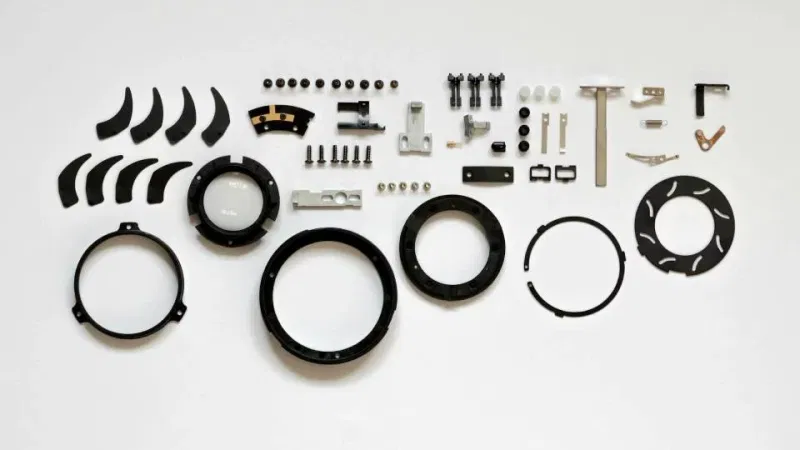
The BS6 cars come with advanced after-treatment technologies like Diesel Particulate Filters (DPF), SCR systems, and enhanced EGR systems. The cars are equipped with On-Board Diagnostics (OBD II) systems that continuously monitor emissions and engine performance.
Thus, BS6 is a significant step towards a cleaner and brighter future in India’s mobility landscape. The new emissions standards are in line with European regulations related to Euro 6.
BS4 vs BS6: Difference Between BS4 vs BS6 and how it is achieved
The transition from BS4 to BS6 has witnessed a radical shift not only in fuel components but also in various automotive and pollution-control technologies. The new BS6 cars are much more advanced and can better meet all requirements related to India’s environment. Below is a comprehensive comparison between BS4 and BS6.
BS4 vs BS6 Comparison Table
| Parameter | BS4 | BS6 |
| Implementation Year | 2017 | 2020 |
| Sulphur Content in Fuel | 50 ppm | 10 ppm |
| Emission Standards (NOx & PM) | Moderate | Up to 70% lower (diesel); 25% lower (petrol) |
| After-Treatment Technology | Basic catalytic converter, EGR | DPF, SCR, advanced EGR |
| Fuel Injection System | Conventional multi-point | High-pressure direct injection |
| On-Board Diagnostics (OBD) | Optional/limited | Mandatory (OBD-II) |
| Fuel Compatibility | Compatible with BS4 fuel only | Compatible with BS6 fuel only |
| Fuel Efficiency | Slightly higher due to simpler systems | Optimised for emissions, marginal drop |
| Overall Emission Output | Higher pollutants | Significantly reduced pollutants |
The important point to note here is that BS6 fuel and BS6 engines are a system in themselves. BS6 engines require this ultra-low sulfur fuel to ensure that all emission-related components remain in proper working order. Running a BS6 car on BS4 fuel can cause serious damage to components such as the Diesel Particulate Filter (DPF) or catalytic converter.
Impact on Vehicle Performance
The advent of BS6 technology not only brought pollution-free emissions but also a noticeable difference in engine behaviour. As BS6 engines are equipped with sophisticated pollution-control technologies, they are designed to optimise emissions and engine behaviour. The difference has led to a dramatic reduction in exhaust emissions and odours. In fact, buyers can immediately feel this difference when shifting from a BS4 engine to a BS6 engine.
Nevertheless, this advanced technology introduced some complexity in engine design. Components like Diesel Particulate Filters and SCR systems demand regular maintenance and premium-quality fuel for smoother operation. During the first few years of implementation of BS6 emissions norms, a few diesel car buyers have noticed DPF clogging while driving in city traffic. However, this has since been resolved through better software programming.
In petrol cars, BS6 emissions translate to better, ‘refined’ power output and a minor mileage improvement due to more advanced fuel injection systems. However, diesel cars will emit less, but a minor decrease in mileage is to be expected as more components are added for emissions control. Nonetheless, it’ll all be worth it, since BS6 cars emit 70% less NOx and 90% less particulates.
Thus, BS6 has brought Indian cars closer to global performance and petrol-efficiency standards. The effect is that driving has become not only cleaner but also smoother.
Benefits of BS6 Over BS4
The transition from BS4 to BS6 is not simply a shift in fuel norms—it is a substantial step toward a pollution-free atmosphere and advanced technology. Some of the foremost reasons why BS6 cars are much superior to those in BS4 are as follows:
Cleaner Emissions
BS6 cars emit reduced amounts of nitrogen oxide (NOx) emissions in diesel and petrol engines, ranging between 70% and 25% less in comparison to BS4 cars. The addition of Diesel Particulate Filters and SCR systems in cars enables a substantial reduction in emissions of harmful particulates and gases.
Low-Sulphur Fuel
The sulfur content in BS6-compliant fuel is a mere 10 ppm as opposed to 50 ppm in BS4. So, this is a huge reduction that enhances more efficient combustion and engine durability and prevents hazardous emissions. The purity of this new fuel enables it to support advanced emissions-reduction techniques.
Better Health and Environment
The BS6 norms specifically promote a cleaner air environment and reduce health hazards for citizens. Reducing airborne toxins like PM2.5 and PM10 will address lung disorders and smog in large cities. In the long run, this is expected to reduce India’s overall carbon emissions.
Enhanced Vehicle Technology
The manufacturers have had to improve their engine designs and implement On-Board Diagnostics II (OBD II) to monitor emissions in real time. The development will ensure a better engine tune and engine reliability. The new technology will impact engine refinement and power.
Global Emission Alignment
BS6 norms come much closer to the Euro 6 norms, one of the toughest in the world. The country will not only have reduced emissions but also greater potential to export cars that meet global emissions standards.
Can You Still Buy BS4 Vehicles?
The simple answer to this question is that BS4 cars are not eligible to be sold or registered in India as brand-new cars. Following a Supreme Court ruling in March 2020, all car and two-wheeler manufacturers are obliged to stop selling BS4 vehicles from March 31st, 2020. This is a total shift in their standards to align with BS6 norms in India, effective April 1st, 2020. The rule applies to all vehicles.
However, for people who have already purchased BS4 cars, there will be no restrictions on their use. The restriction applies only to people who wish to buy and register BS4 cars. As long as one maintains it properly and passes Pollution Under Control checks regularly, they can still drive their cars.
It is important to note that BS6 fuel is backwards compatible. That is, it is perfectly safe to run in a BS4 car. On the other hand, one must never use BS4 fuel in a BS6 engine. That can cause damage to sophisticated pollution-control components, such as Diesel Particulate Filters and SCR devices.
However, for those still concerned about buying old BS4 cars, there is only one choice left: buying a pre-owned car. Sites like Spinny check all pre-owned cars to ensure that even older BS4 cars meet certain standards.
Summary
The shift from BS4 to BS6 is one of the largest milestones in the automotive history of India in terms of environmental considerations. The government has implemented a stricter emissions regime to encourage a shift to cleaner, more advanced technology. Be it fuel development and refinement or sophisticated exhaust technology in a BS6-compliant car, all aspects are focused on conserving both the engine and the environment.
Although BS6 cars may cost a little more to buy, in the long term, they offer significant gains in air quality, enhanced performance, and reduced emissions, making the cost well worth it. The advent of ultra-low sulfur fuels and advanced diagnostic capabilities has made cars safer and smarter than ever.
In summary, BS6 is more about creating a healthier, more sustainable future for all of us than complying with global emissions regulations. Whether you are a new car buyer or looking after your existing car, it is important to make informed decisions about BS4 and BS6 cars to build a cleaner, healthier India.
FAQs about BS4 vs BS4
Q: What do BS in BS4 and BS6 stand for?
BS stands for Bharat Stage, which is India’s vehicle emission standard set by the Government of India to regulate air pollutants from internal combustion engines. Each stage, BS3, BS4, and BS6, represents a stricter level of emission control, similar to Europe’s “Euro” standards.
Q: Why was BS5 skipped in India?
India moved directly from BS4 to BS6 to align faster with international emission standards and tackle rising air pollution levels. The government decided to skip BS5 to save time and resources, ensuring that manufacturers implemented the most advanced emission technology available.
Q: Can I use BS6 fuel in a BS4 car?
Yes. BS6 fuel is backwards compatible, meaning it can be safely used in BS4 and older vehicles. However, the reverse is not true; BS4 fuel should not be used in BS6 vehicles, as it can damage sensitive components like the Diesel Particulate Filter (DPF) and catalytic converter.
Q: Are BS6 vehicles more fuel-efficient than BS4 vehicles?
BS6 vehicles are designed to burn fuel more efficiently and cleanly, but the inclusion of advanced emission control systems can sometimes lead to a slight drop in mileage. However, the overall performance, refinement, and environmental benefits far outweigh this minor difference.
Q: How do BS6 norms help reduce pollution?
BS6 norms drastically reduce harmful gases like NOx (Nitrogen Oxides), PM (Particulate Matter), and CO (Carbon Monoxide). Diesel engines now emit up to 70% less NOx, while petrol engines emit 25% less. These changes make urban air significantly cleaner and healthier.
Q: Are BS4 vehicles still allowed on Indian roads?
Yes, existing BS4 vehicles are still legal to drive in India as long as they have a valid registration and meet Pollution Under Control (PUC) norms. The restriction applies only to new BS4 vehicle sales and registrations after April 1, 2020.