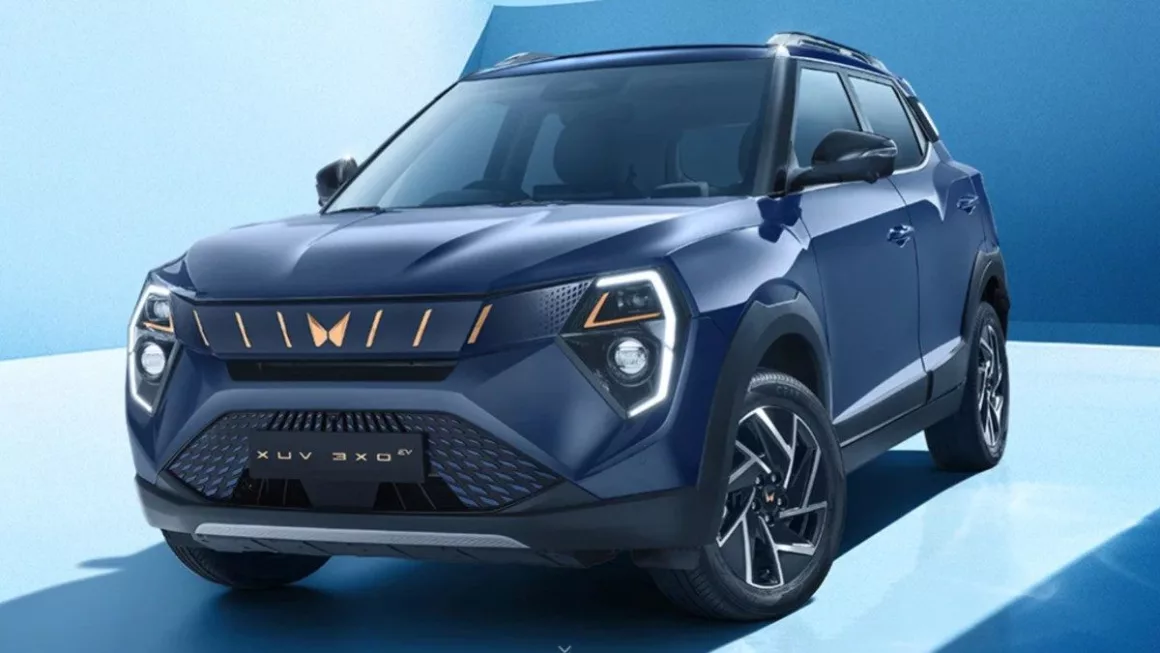
With the rising popularity of EVs, what consumers are looking for in a new car is a compact electric SUV that can also serve as their primary family vehicle. In the Indian market, two of the most exciting contenders in this category are the Mahindra XUV 3XO EV and the Hyundai Creta Electric.
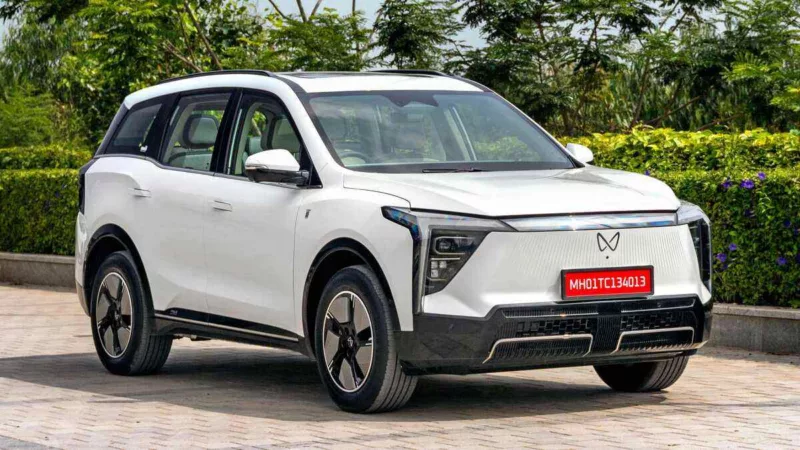
The Mahindra XUV 3XO EV is a sub-4 meter, compact city-friendly SUV that is considered as Mahindra’s most affordable electric SUV offering. The Hyundai Creta Electric, on the other hand, is a larger, more feature-rich midsize SUV that is based on the wildly successful Creta lineup. Both of these EVs promise great performance, generous feature lists, and modern safety features, but they are aimed at slightly different consumers.
Mahindra XUV 3XO EV vs Hyundai Creta Electric: Dimensions
When you compare these two electric SUVs in terms of their size and dimensions, you are essentially comparing two different categories of vehicles. The Mahindra XUV 3XO EV is a compact city-friendly SUV that is easy to park and handle, but still offers decent passenger and cargo space. The Hyundai Creta Electric, on the other hand, is a full-fledged midsize SUV that is optimized for space, comfort, and road presence.
If you are someone who has to navigate congested city roads on a regular basis, has to park in parallel parking slots, and has to park in the cramped parking lots of housing societies, the Mahindra XUV 3XO EV’s size will immediately seem more convenient. If you are someone who has to take long highway drives with your family, your luggage, and maybe even a child seat in the back seat, the Hyundai Creta Electric will suddenly seem more appealing.
| Spec | Mahindra XUV 3XO EV | Hyundai Creta Electric |
| Length | 3,990 mm | 4,340 mm |
| Width | 1,821 mm | 1,790 mm |
| Height | 1,647 mm | 1,655 mm) |
| Wheelbase | 2,600 mm | 2,610 mm |
| Boot space | 364 litres | 433 litres |
| Ground clearance (unladen) | 201 mm | ~190 mm |
The XUV 3XO EV sits in the sub-compact SUV segment. Its sub-4-metre length makes it noticeably easier to drive through dense traffic and squeeze into tight parking areas, while still offering a 364-litre boot and a generous 201 mm of ground clearance for bad roads and large speed breakers.
The Creta Electric is longer, marginally taller and has a slightly longer wheelbase. That translates into a more spacious cabin, especially at the rear, and a significantly larger 433-litre boot. For airport runs, road trips or families who regularly travel with strollers and multiple suitcases, that extra space is a real advantage. The trade-off is that it feels like a bigger car to manoeuvre in crowded city centres.
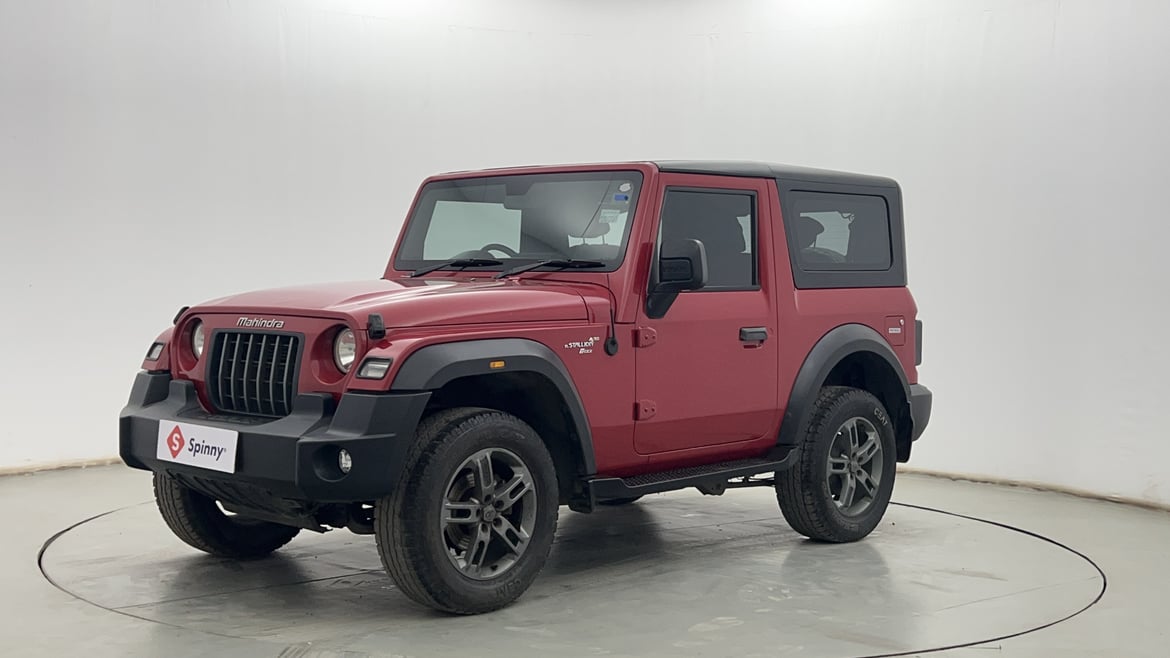
Mahindra XUV 3XO EV vs Hyundai Creta Electric: Battery, Motor & Performance
Under the skin, both these SUVs use a single-motor, front-wheel-drive layout with a single-speed automatic transmission. But they are tuned quite differently in terms of battery size, power output and driving range.
The Mahindra’s focus is on delivering punchy, enjoyable performance at a relatively aggressive price point, with a battery sized mainly for city and short-trip usage. The Hyundai takes a more long-distance-ready approach with a larger battery option and a higher rated range, making it more suitable as a primary family vehicle that can comfortably handle frequent highway trips.
| Spec | Mahindra XUV 3XO EV | Hyundai Creta Electric |
| Battery capacity | 39.4 kWh | 51.4 kWh (also 42 kWh option) |
| Motor power | 110 kW (≈148 bhp) | 126 kW (≈169 bhp) |
| Motor torque | 310 Nm | 255 Nm |
| Transmission | Single-speed automatic | Single-speed automatic |
| Claimed / typical range | ~285 km real-world | Up to 510 km (ARAI, variant-dependent) |
| 0–100 km/h (claimed) | 8.3 seconds | 7.9 seconds (51.4 kWh LR) |
In the XUV 3XO EV, the 39.4 kWh battery pack powers a 110 kW motor. With 148 bhp and a punchy 310Nm torque boost, the vehicle accelerates eagerly from standstill and promptly in urban traffic. The 0-100 km/h sprint in 8.3 seconds is more than sufficient for a compact SUV, and the modest battery size also helps keep the overall mass in check, which is beneficial for handling. The driving modes allow you to switch between more fuel-efficient and more responsive throttle responses.
The Creta Electric’s range variant increases battery size to 51.4 kWh and output to 169 bhp. Although the torque output is marginally lower, the overall performance is more potent at higher speeds, and the 0-100 km/h time is also marginally quicker at 7.9 seconds. However, the biggest takeaway is the range, which is now up to 510 km certified in the appropriate model, indicating that you won’t need to stop as frequently for charging and can also plan your highway drives more comfortably.
Coming to the practical applications, the XUV 3XO EV’s ~285 km range is perfect for office commutes, school runs, and intra-city drives, with the occasional short road trip thrown in. The Creta Electric, especially the long-range variant, is better off living the “one-car garage” life for families who often venture out of town.
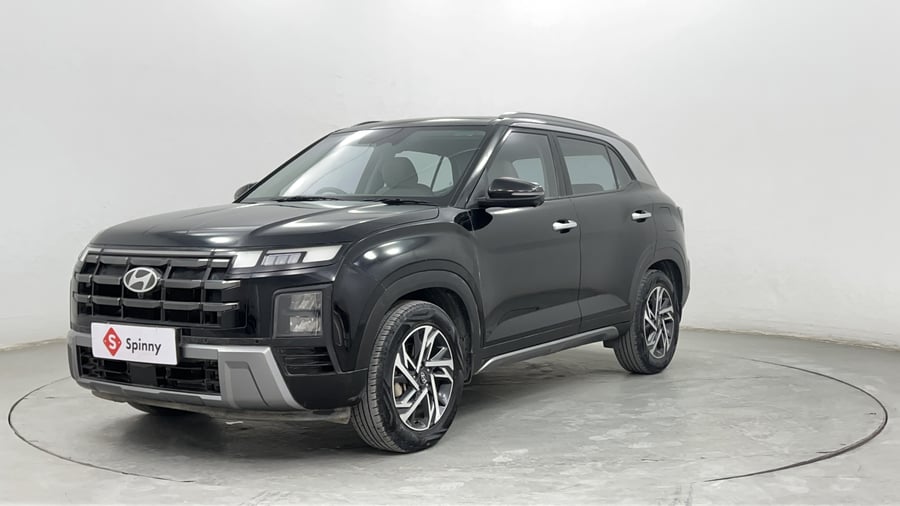
Mahindra XUV 3XO EV vs Hyundai Creta Electric: Features & Comfort
When it comes to features, both these EVs are chock-full of tech that would have been the sole domain of much more expensive cars just a few years ago. Large touchscreens, digital driver displays, connected car tech, and high-end audio systems are all part of the package.
But here’s the thing – while both cars are feature-rich, the manner in which these features are presented and the overall ambience of the cabin are different. The Mahindra does the “max features for the money” thing in the most compact package possible. The Hyundai takes a more premium approach, with a focus on rear-seat comfort and luxury, and a slightly more refined presentation of the tech.
| Feature | XUV 3XO EV | Creta Electric |
| Infotainment system | Dual 10.25″ screens (touchscreen + cluster) | Dual 10.25″ curved displays (infotainment + cluster) |
| Music system | 7-speaker premium system with surround tech | Bose 8-speaker premium system with sub-woofer |
| Climate control | Dual-zone automatic climate control | Dual-zone automatic climate control with rear vents |
| Ventilated front seats | Yes (top variant) | Yes (selected higher variants) |
| Adjustable steering | Tilt (telescopic in higher trims) | Tilt & telescopic steering |
| Drive modes | Multiple drive modes | Eco / Normal / Sport modes |
| Instrument cluster | 10.25″ full-digital cluster | 10.25″ digital cluster |
| Sunroof | Panoramic sunroof | Panoramic sunroof (voice-enabled on top trims) |
| Adjustable seats | Height-adjustable driver seat (manual) | 8-way powered driver seat with memory; powered passenger seat in top trims |
| Rear AC vents | Yes | Yes, with dedicated vents and ports |
| 60:40 split rear seat | Yes | Yes |
| Cruise control | Yes; adaptive on higher ADAS trims | Yes; with smart functions on higher trims |
The XUV 3XO EV stands out for how much it packs in at its price point. Twin 10.25-inch screens, a premium audio setup, dual-zone climate control, ventilated front seats and a panoramic sunroof give the cabin a genuinely “big-car” feel. For most buyers in this segment, the feature list will feel more than complete.
The Creta Electric, however, adds layers of luxury and convenience. The Bose sound system, more advanced powered seating with memory, extra rear-seat comforts and touches like a powered tailgate and digital key (in select variants) make it feel closer to a premium SUV segment. Rear passengers, especially if you’re chauffeur-driven sometimes, are likely to prefer the Creta’s extra space and refinement.
Mahindra XUV 3XO EV vs Hyundai Creta Electric: Safety & ADAS
Safety is now a major purchase driver for family SUVs, and both these EVs come equipped with a long list of passive and active safety features, including multiple airbags, electronic stability control and advanced driver-assistance systems (ADAS).
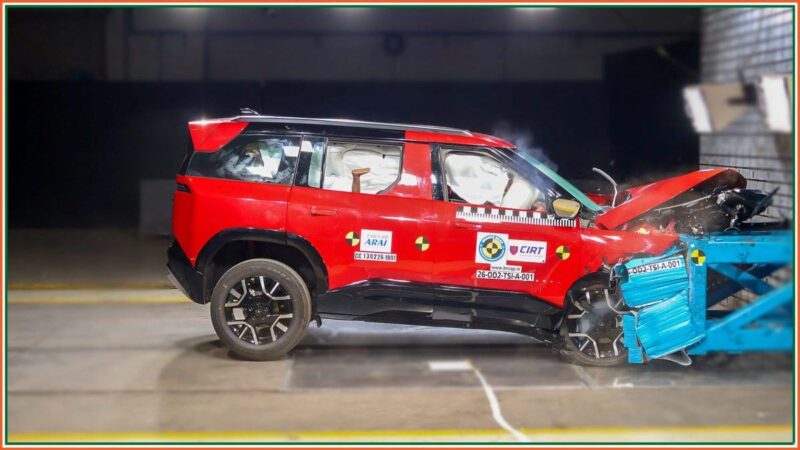
Where they differ is in proven crash-test performance and the way their safety stories are currently documented. The XUV 3XO platform already has a strong result under India’s latest crash-test programme, while the Creta Electric’s exact rating is yet to be published at the time of writing.
| Safety item | XUV 3XO EV | Creta Electric |
| NCAP rating | 5-star Bharat NCAP (XUV 3XO platform) | No specific rating yet for EV variant |
| Airbags | 6 airbags standard | 6 airbags standard |
| ABS with EBD | Yes | Yes |
| ESC / Stability control | Yes | Yes (ESC with additional management systems) |
| Traction control | Yes | Yes |
| Automatic headlamps | Available | Available |
| Rain-sensing wipers | Available on higher trims | Available on higher trims |
| Hill-hold assist | Yes | Yes |
| Hill descent control | Available on selected trims | Available on selected trims |
| Rear sensors & camera | Rear sensors + 360° camera | Rear sensors + 360° camera |
| ISOFIX child seat mounts | Yes | Yes |
| ADAS | Level 2 ADAS with adaptive cruise, lane keeping, AEB and more | Level 2 ADAS suite (SmartSense) with similar functions |
The 5-star rating from Bharat NCAP is a big positive for the XUV 3XO series. It’s a clear indicator of the high level of safety for adult and child occupants, and the EV model has the same basic design and safety components.
Coming to the Creta Electric, it also has a very comprehensive safety package, including Level 2 ADAS, multi-airbags, and all-wheel disc brakes. However, until it is tested for safety, buyers will have to rely on features rather than a safety rating. The safety rating would give a clearer picture of what is on offer, as the current design has improved upon previous Creta models. However, it is good to note that the safety rating is pending and until then, buyers will have to rely on the features on offer.
Mahindra XUV 3XO EV vs Hyundai Creta Electric: Price Comparison
The price point is where the positioning of the two vehicles comes into play. The XUV 3XO EV is positioned to make EVs more mainstream and accessible, and it comes with a well-equipped package in the price range where top-of-the-line petrol compact SUVs are currently positioned. The Creta Electric, on the other hand, is positioned in a price range that is similar to that of premium midsize SUVs, and it is aimed at buyers who are willing to pay a premium for size, range, and additional comfort.
If you are looking at a budget in the mid-teens (in lakh, ex-showroom), then the XUV 3XO EV is definitely the one to buy. However, if you can stretch your budget to the ₹20-25 lakh range, then the Creta Electric is definitely a strong contender.
| Variant band | XUV 3XO EV | Creta Electric |
| Base variants | ₹13.89 lakh | ₹18.02 – 19.99 lakh |
| Mid variants | NA | ₹18.99 – 22.37 lakh |
| Upper-Mid variants | NA | ₹19.99 – 20.87 lakh |
| Top variants | ₹14.96 lakh | ₹21.44 – 24.69 lakh |
Prices are indicative and vary by city, taxes and any limited-period offers, but the gap is clear: at the top end, you’re looking at roughly a ₹9-10 lakh difference between a fully loaded XUV 3XO EV and a fully loaded Creta Electric.
For that extra spend, Hyundai gives you a larger and more premium SUV, a significantly higher rated range (especially in long-range variants), and a more upmarket cabin experience. Mahindra, by contrast, is offering a very well sorted EV with strong safety and a big features list at a price that undercuts most rivals.
XUV 3XO EV is unbeatable on value; Creta Electric demands a hefty premium but offers more space, range and luxury for buyers who can stretch their budget.
Summary
Taking all this into consideration, the final decision between the Mahindra XUV 3XO EV and the Hyundai Creta Electric will largely depend on your budget and requirements. If your usage pattern involves mostly city driving, your average driving distances are well within the 200-250 km range, and you are looking for a safe, feature-packed EV that won’t burn a hole in your pocket, then the XUV 3XO EV is definitely a strong contender. Its small size, peppy performance, and aggressive pricing strategy are a direct answer to the needs of the urban Indian buyer who is looking to make the transition from ICE to EV for the first time.
However, if your EV needs to do everything, from your daily commute to your out-of-town trips with the family, and you are willing to shell out a premium of around ₹25 lakh on the road, then the Creta Electric is definitely a more complete “do-it-all” SUV. The additional range, additional boot space, more luxurious interior, and highway-capable performance make it more future-proof as the single car in a household that needs to be the primary vehicle.
In all probability, for most budget-conscious Indian buyers of EVs, the XUV 3XO EV will be the more rational and value-for-money choice. For buyers who use their EV as their primary, long-distance-ready family SUV, the Creta Electric will be the more versatile and complete package.
FAQs About Mahindra XUV 3XO EV vs Hyundai Creta Electric
Q. Which EV has the longer real-world range, Hyundai Creta Electric or Mahindra XUV 3XO?
The Hyundai Creta Electric’s long-range variant has a much higher certified range (up to 510 km) than the Mahindra XUV 3XO EV’s real-world range of approximately 285 km. Even factoring in real-world conditions, the Creta Electric will easily go further on a single charge.
Q. Which one is safer for my family, Hyundai Creta Electric or Mahindra XUV 3XO?
The XUV 3XO has a 5-star Bharat NCAP rating, which is a huge advantage if you are looking for a safety rating that has been independently tested and verified. While the XUV 3XO has a lot of safety and ADAS features, its own safety rating has not been publicly stated yet.
Q. Which is better for city use, Hyundai Creta Electric or Mahindra XUV 3XO?
The XUV 3XO EV will be much easier to live with in a city setting due to its smaller size, tighter turning radius, and superior low-speed torque. The Creta Electric is still easy to handle, but its larger size is better suited to someone who spends an equal amount of time driving in the city and on the highway.