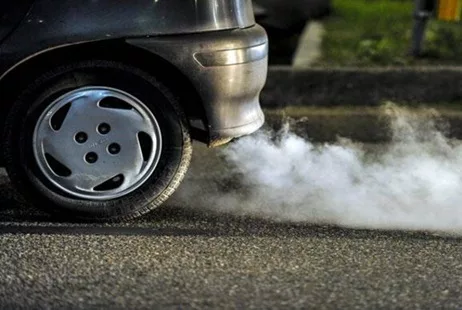
Electric Vehicles or EVs have gained popularity over the last few years due to their zero tailpipe emissions. This shift in perspective has taken place because of new government policies which have shaped the new car market in India. The ever tightening emissions norms are seen as a figurative noose around the exhaust gases of ICE engines, a noose which is tightening quickly with each passing year.
In such a situation, EVs come across as the next best alternative. If you too are looking to buy an EV, or thinking about it, then, we have put together this guide with all the relevant information about the best EV car brands in India.
Brief History of EVs in India
Before we dive into the EVs currently on sale in India, let’s take a brief look at the origin in the Indian market. The first EV to be commercially sold in India was the Reva and it was launched in 2001. The car was designed and manufactured by RECC (Reva Electric Car Company), and it was a small city runabout with a range of under 100 km.
The company was bought by Mahindra in 2010 and was renamed the Mahindra Reva Electric Company. In the same year, the Government of India, via the Ministry of New & Renewable Energy, announced its first incentive scheme for electric vehicles. In 2013, the Reva was renamed as the Mahindra e2o and it was also exported from India. It was discontinued in 2017 due to poor sales.
Modern EVs as we know them today can trace their roots to 2015. It was then that the FAME 1 (Faster Adoption and Manufacturing of Hybrid and Electric Vehicles) was introduced and it offered incentives for both EV buyers and manufacturers. The FAME 2 scheme was launched in 2019, and it further boosted stakeholders to adopt EVs.
Finally, EVs as we know them today took shape in 2020, when the Tata Nexon EV was launched. Seeing the success of the Tata Nexon EV, other car makers decided to push ahead and introduce models of their own. Today, there are several mainstream car makers in India that offer EVs of their own. To read more about them, scroll below.
List of Best EV Car Brands in India
| Car | No. of EVs | Body Type |
| Tata Motors | 5 | Hatchback , Sedan, SUV |
| MG Motor | 3 | Hatchback, SUV, Crossover |
| Mahindra | 3 | SUV |
| Hyundai | 2 | SUV |
| BYD | 4 | Sedan, Crossover, SUV |
| Maruti Suzuki | 1 | SUV |
| Citroen | 1 | SUV |
Tata Motors
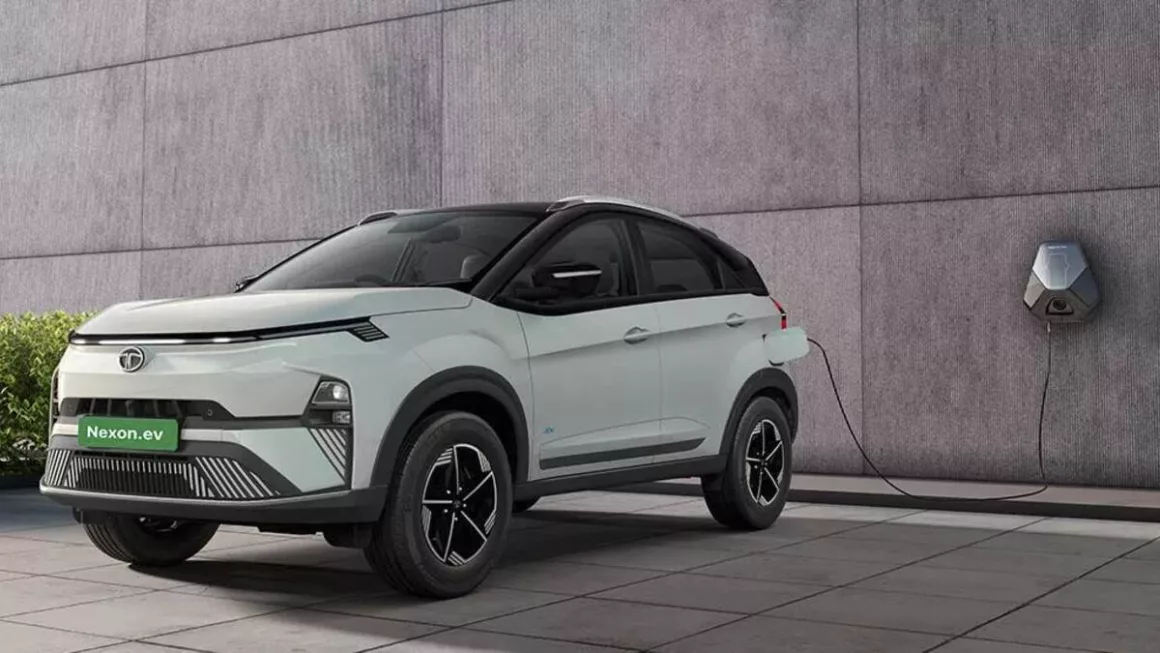
Tata’s EV roots can be traced back to 2010, when it showcased a prototype Indica Vista EV at the Delhi Auto Expo. Fast forward to 2017, and the Indian car maker bagged a contract to deliver 10,000 EV vehicles to EESL. This saw the launch of the Tigor EV in 2018, but it was primarily aimed at fleet operators looking to reduce their running costs.
Tata Motors took their first concrete steps in 2020 when it launched the Nexon EV. It is seen as the first true passenger EV for private buyers in India, even though other EVs were launched before it. Amazed by the brand’s ability to deliver a well crafted EV at a digestible price, early adopters were impressed with the overall package. Coupled with the free charging incentives offered at the time, the Nexon EV started becoming a household name.
Spurred by the success of its compact SUV, Tata Motors launched the Tigor EV in 2021, and this time around it was available for private buyers as well. The Indian car maker also established a subsidiary called Tata Passenger Electric Mobility Ltd (TPEML), to oversee the EV operations for passenger cars.
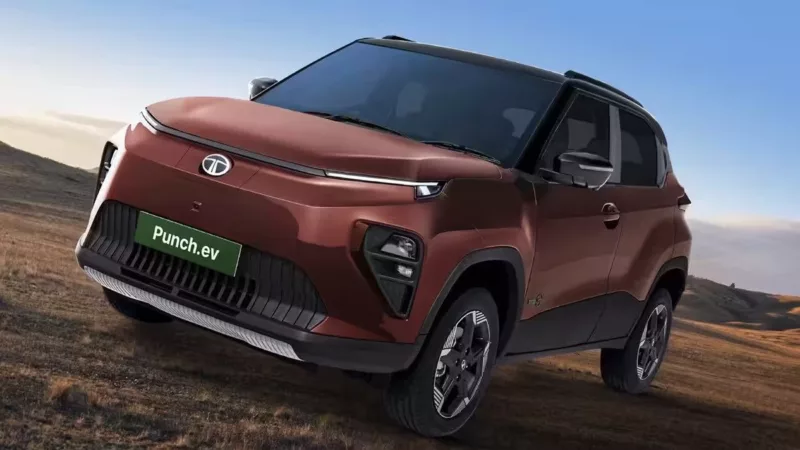
In 2022, Tata Motors launched the Tiago EV. It became the most affordable EV available in India, and instantly became a hit. The Tiago EV truly democratised the ability to own an EV with its lower upfront cost. In 2023, Tata Motors launched the Tata.ev brand which houses all its EV offerings. In 2024, the brand launched the Punch EV and the Curvv EV, further expanding its EV lineup.
In 2025, Tata Motor is planning to launch the Harrier EV. Subsequently the brand is also working on launching Avinya, a premium EV brand. Tata’s rapid foray into the EV market in just half a decade has made it the de facto number one EV manufacturer in India.
Tata Motors EV Cars
- Tata Tiago EV
- Tata Tigor EV
- Tata Punch EV
- Tata Nexon EV
- Tata Curvv EV
- Tata Harrier EV (upcoming)
MG Motors
JSW MG Motor India, or more commonly known as MG, is jointly owned by the JSW Group (35%) and SAIC Motor (65%). MG began its India operations in 2019, however, it launched its first EV, the ZS EV in 2020. The ZS EV was positioned as a premium alternative to the only other mass market EV being sold in India at the time, the Tata Nexon EV. The ZS EV featured a bigger battery pack, more premium features and was even bigger in size. Lastly, the ZS EV also offered better range than the Nexon EV.
MG, as a brand, has always been keen on selling EVs. This is evident in the fact that the ZS EV also has an ICE equivalent in the form of the MG Astor, and it was launched more than a year after the EV was launched.
In 2023, MG introduced the Comet EV. It instantly resonated with Indian car buyers because of its compact proportions. The Comet EV was seen as a solution for people living in congested Indian cities. Furthermore, it was also positioned as a small city runabout for those who owned larger and more premium MG vehicles such as the Hector, Gloster and the ZS EV.
The following year MG launched the Windsor EV, its most groundbreaking EV till date. It featured a crossover shape that was vastly considered appealing. Furthermore, it had modern features and acres of cabin space, making it feel premium and spacious. The pricing of the Windsor EV was also positively received by Indian car buyers.
However, it was the BaaS (Battery as a Service) ownership structure, an industry first for four wheelers, that truly set MG’s electric vehicles apart from the rest. The car maker offered the Windsor EV at a reduced price and instead allowed vehicle owners to pay for the battery as a service. To offer this facility, MG tied up with fintech companies in India. This ownership structure was also expanded to all other EVs in the MG portfolio.
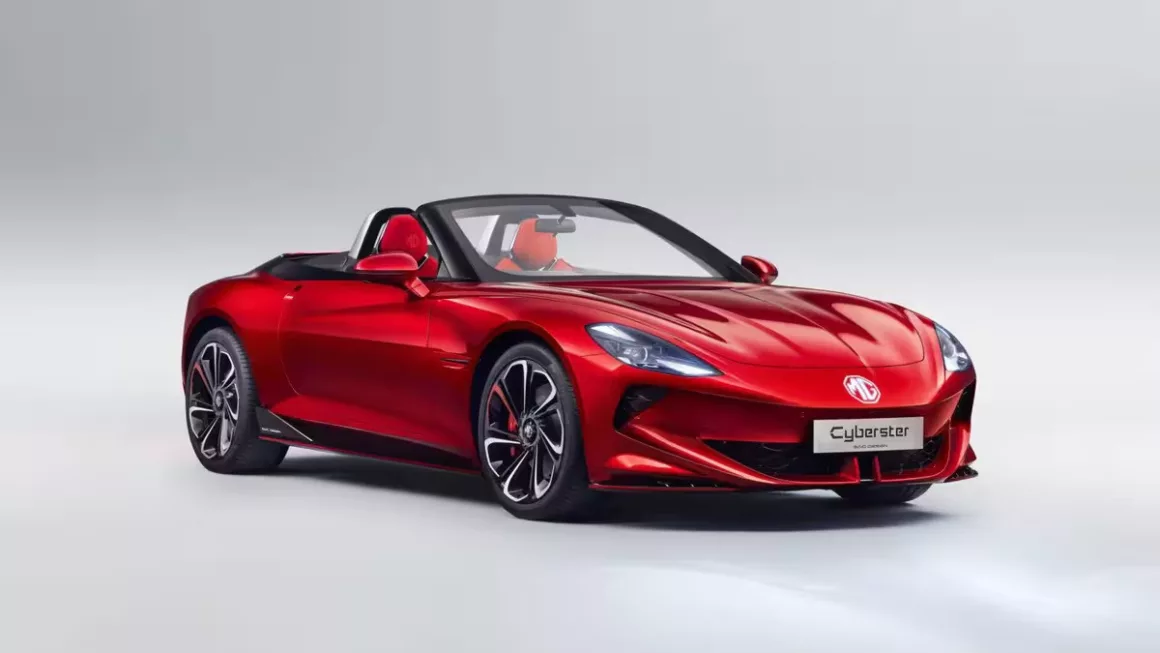
In 2025, MG plans to launch two new premium EVs, the M9 (MPV) and Cyberster (convertible sports car) in India. Ultimately, MG has positioned its EVs at a broad range of price points, something no other car maker has done.
MG Motor EV Cars
- MG ZS EV
- MG Comet EV
- MG Windsor EV
- MG M9 (upcoming)
- MG Cyberster (upcoming)
Mahindra
Mahindra’s electric journey began in 2010 when it acquired RECC. Its first ground up electric car was the eVerito which was launched in 2016. It was aimed at fleet operators looking to cut running costs. Mahindra’s first concerned EV effort started with the e2o and e2o Plus compact electric cars. While these did not fare well in terms of sales, they gave Mahindra much needed experience to develop electric technologies.
It launched the XUV400 in 2023, its first passenger EV for private buyers. The XUV400 was based on the XUV300 and featured the same basic design and interior. However, Mahindra did give it some cosmetic touches to distinguish it from its ICE counterpart. Furthermore, the XUV400 was longer than the XUV300 as it did not have to comply with the sub 4 metre regulations that had initially reduced the length of the latter.
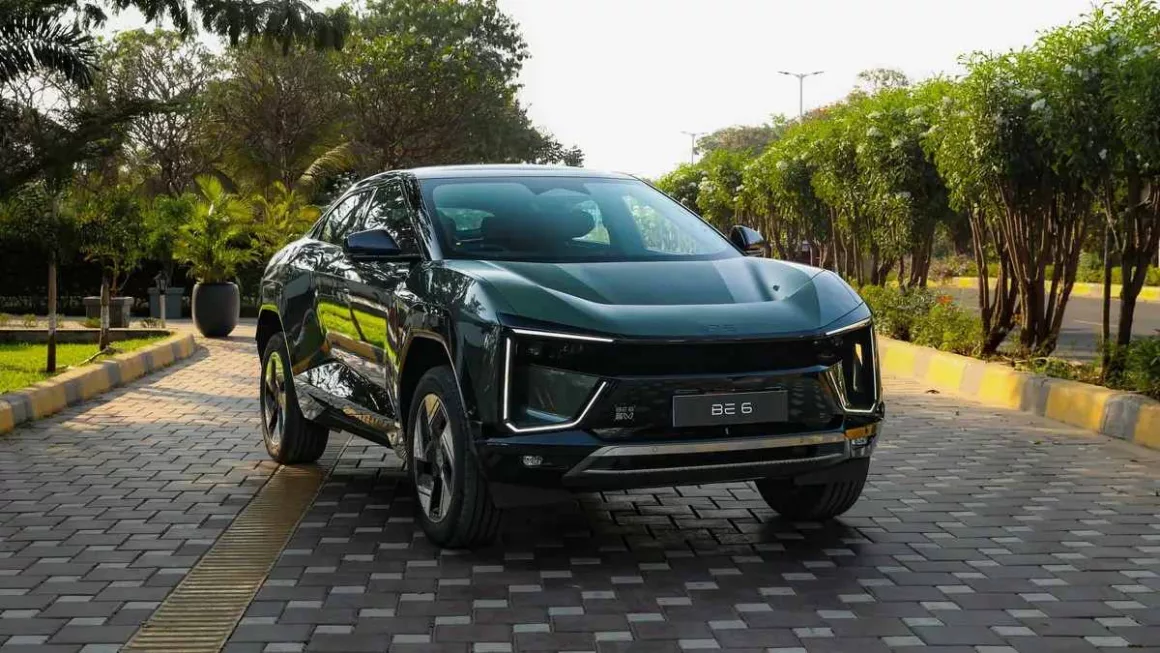
Mahindra’s true EV potential came to light with their latest electric SUVs, the BE 6 and the XEV 9e. These new cars were launched in late 2024 and are being sold under the Mahindra Electric banner. Both SUVs employ a cutting edge design that looks straight out of a video game. This has led to it gaining immense popularity with aspiring car buyers and enthusiasts in general. The backbone of both cars is the INGLO platform which employs batteries from Volkswagen.
The Indian car maker has laid down the road map with at least three new electric models in the pipeline. The next launch is slated to be the XEV 7e, which will be an electric version of the XUV700. Mahindra has also been racing in Formula E since its inception in 2014 as the Mahindra Racing team. The technological prowess it has garnered in the process has been instrumental in the design and manufacturing of its passenger EVs.
Mahindra Cars
- Mahindra XUV400
- Mahindra BE 6
- Mahindra XEV 9e
- Mahindra XEV 7e (upcoming)
Hyundai

Hyundai India’s electric journey has been quite straightforward. It began by launching the Kona Electric in India in 2019 as a CKD model. This allowed the South Korean car maker to keep costs relatively low, and at the same time, offer a quality product. The Kona Electric intrigued buyers, however, it did not sell in great numbers due to its high price tag.
As the market evolved, Hyundai waited before finally launching its second EV, the Ioniq 5, in 2023. The Ioniq 5 was a premium offering and priced accordingly. However, it offered great value for money as it featured a premium design, modern features, huge amounts of cabin space and an engaging driving experience. In short, the overall ownership experience was far better than some entry-level luxury SUVs.
Finally, Hyundai’s first EV offering for the masses was the Creta Electric. It made its public debut at the 2025 Bharat Mobility Expo and was subsequently launched as well. The Creta Electric offers familiarity as it is based on the same platform as the ICE Creta. However, it has been modified to accommodate the electric powertrain.
Hyundai’s EV strategy for India has vastly mirrored its global strategy, with the Creta Electric being the exception. In the future, the car maker plans to introduce more global models such as the Ioniq 6 and Ioniq 9, however, there is no concrete timetable in place.
Hyundai EV Cars
- Hyundai Kona Electric (discontinued)
- Hyundai Ioniq 5
- Hyundai Creta Electric
BYD
BYD set up shop in India in 2007 and has been manufacturing components for electric buses since 2016. In 2021, the Chinese car maker launched the BYD e6, a five seater MPV that was primarily aimed at fleet operators, however, the e6 was seen as an inferior product because of a lack of features and a high price tag.
In 2022, BYD launched the Atto 3, its first competitive offering in the Indian market. The Atto 3 featured a unique design, latest features and promising performance. However, it was available only in a single variant which made it less accessible to mass market buyers. BYD solved this problem in 2024 by introducing two lower, but similarly equipped, variants of the Atto 3. They did this by offering a smaller battery pack option and excluding the ADAS suite among a few other top level features. The Atto 3 is one of the most sought after BYD models in India today.
The BYD Seal was also launched in 2024. It was a departure from the usual barrage of SUVs as it was a four door sedan that looks similar to a coupe from a few angles. The Seal offers fantastic performance and is packed with premium features as well. It is available in RWD and AWD configurations, and for what it offers, the Seal is quite well priced. The BYD eMAX 7 was also launched in 2024. Technically, it’s the e6 MPV, which has been discontinued, however, it features a plethora of feature additions and better range.
At the 2025 Bharat Mobility Expo, BYD showcased the Sealion 7 Crossover SUV and launched it in India a month later. The Sealion 7 offers a similar premium experience as the Seal, however, it features a different interior layout. Lastly, BYD is also responsible for supplying the battery pack for other EV car makers in India.
BYD EV Cars
- BYD Atto 3
- BYD Seal
- BYD Sealion 7
- BYD eMAX 7
Maruti Suzuki
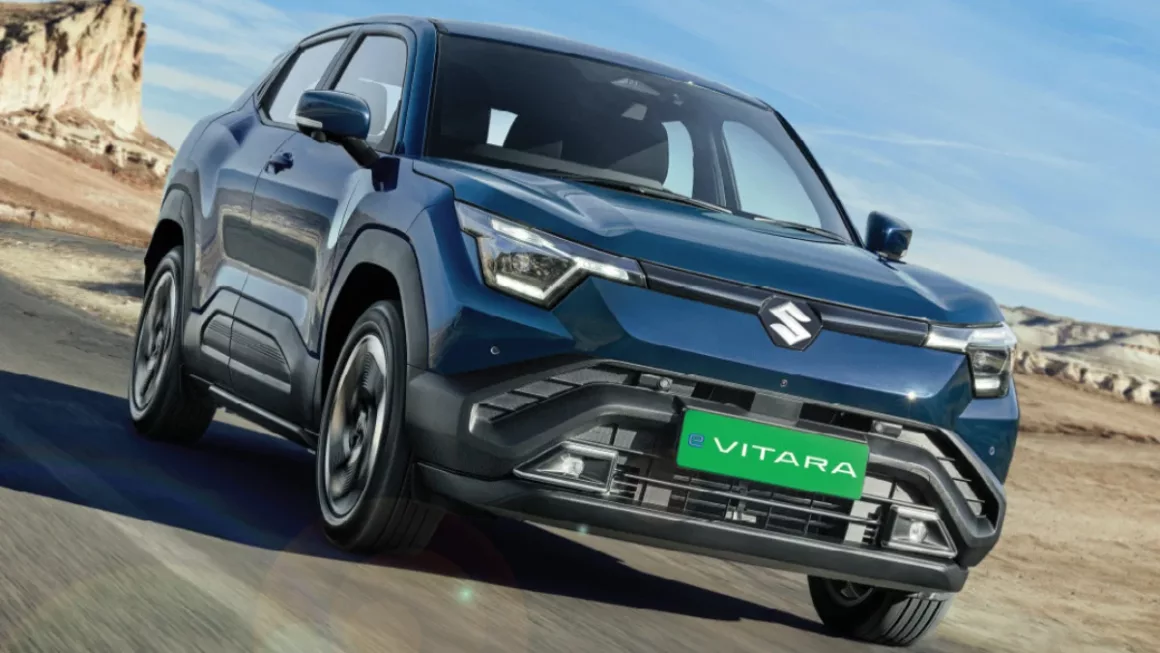
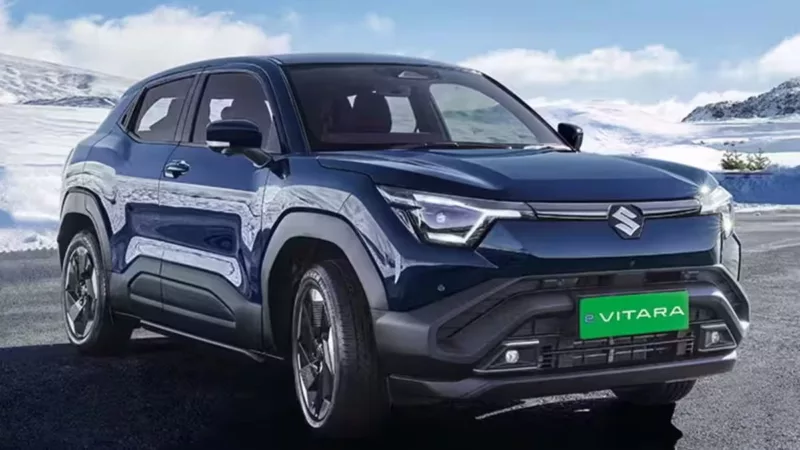
Maruti Suzuki is India’s oldest car maker, however, it is quite new to the EV segment. It is currently getting ready to launch the e Vitara, which will be its first EV for the Indian market. The SUV has been developed in partnership with Toyota and a Toyota version of the EV is also expected in the coming months. While the development for the Maruti EV has been done inhouse, its battery pack has been sourced from BYD. The Indian car maker plans to launch three new EVs by 2030.
Maruti Suzuki EV Cars
- Maruti Suzuki e Vitara
Citroen
Citroen is a relative newcomer in the Indian car market, however, it too sells an EV by the name of eC3 in our market. The eC3 is an electric version of its C3 hatchback and Citroen modified to platform to incorporate the EV powertrain. The eC3 is an entry-level offering and doesn’t offer similar features or performance as other EVs in the market. However, the eC3 has a quirky design which stands out and is also quite comfortable. Citroen plans to expand its presence in the Indian market in the form of newer models and more touchpoints in the coming years.
Citroen EV Cars
- Citroen eC3
Summary of Best EV Car Brands in India
In the last five years, India’s EV market has taken off and today there are multiple car makers offering three or more EV models for mass market buyers. As the government leans more heavily on reducing the emission norms, EVs are expected to gain more traction in the market. The year 2030 is being billed as the transition point, where the convenience of owning an ICE vehicle will be on par with an EV.
FAQs
Q. Which is India’s cheapest EV?
The MG Comet EV is the cheapest EV sold in India with a starting price of Rs. 7 lakh (ex-showroom).
Q. Is EV charging free in India?
No, EV charging is not free in India. Certain manufacturers offer a free charging period of 1 year with a new EV purchase. However, companies like Tata Power and Statiq charge for using their EV charging infrastructure.
Q. Which EV has a range of more than 200 km?
All EVs sold in India currently have a range of more than 200 km. However, the range of EVs is certified by ARAI which calculates it in ideal conditions. The actual range upon usage may differ according to the driving style.
Q. Which EV offers the highest range in India?
BYD promises a range of over 500 km for most of its EVS like the Seal and Sealion 7. Maruti’s upcoming EV also promises to have a range of more than 500 km. However, the actual range of EVs is highly dependent on the driving style.
Q. What advantage does an EV have over petrol and diesel cars?
If charged at home, an EV offers significantly lower running costs compared to petrol and diesel cars. Furthermore, EVs are generally subject to lesser service costs due to the absence of an internal combustion engine.